Intermediate concepts in AI & ML, page 9
YARN: Hadoop's Cluster Operating System
YARN acts as the operating system for a Hadoop cluster, separating resource management from job processing. This allows multiple engines like Spark or MapReduce to run on the same hardware.
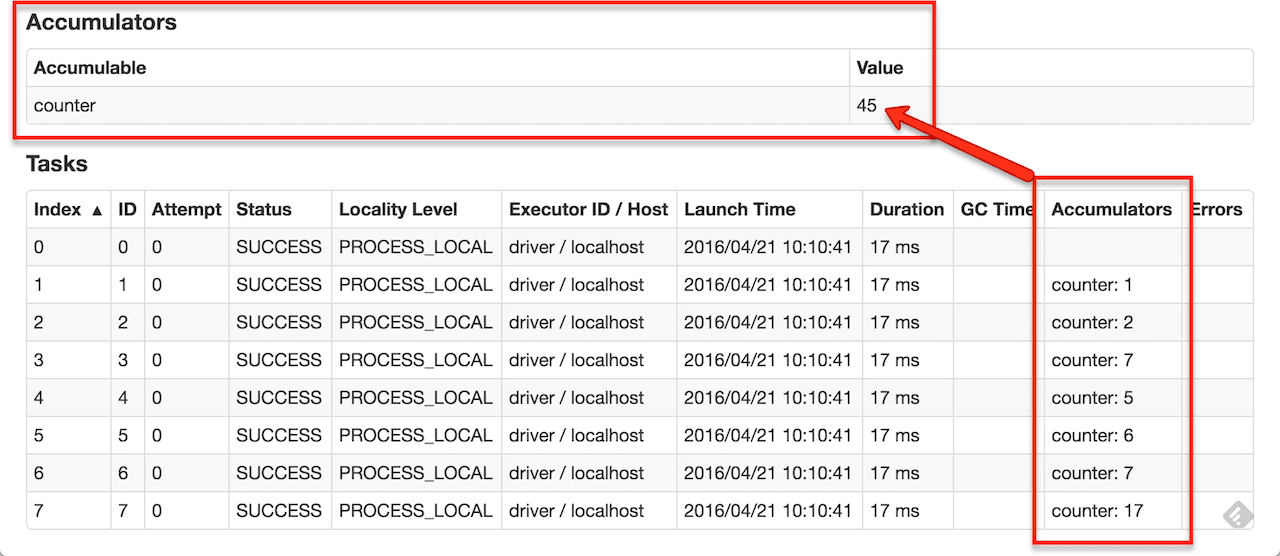
Spark RDDs: Immutable, Distributed Data Collections
An RDD is Spark's core abstraction: an immutable, partitioned collection of items processed in parallel. It's the go-to for low-level, unstructured data tasks. The main footgun is using RDDs when higher-level DataFrames offer better performance.

The MLOps Maturity Model: A Roadmap for Growth
The MLOps Maturity Model is a roadmap from manual chaos to automated ML systems. Use it to assess your team's current state and plan incremental improvements.
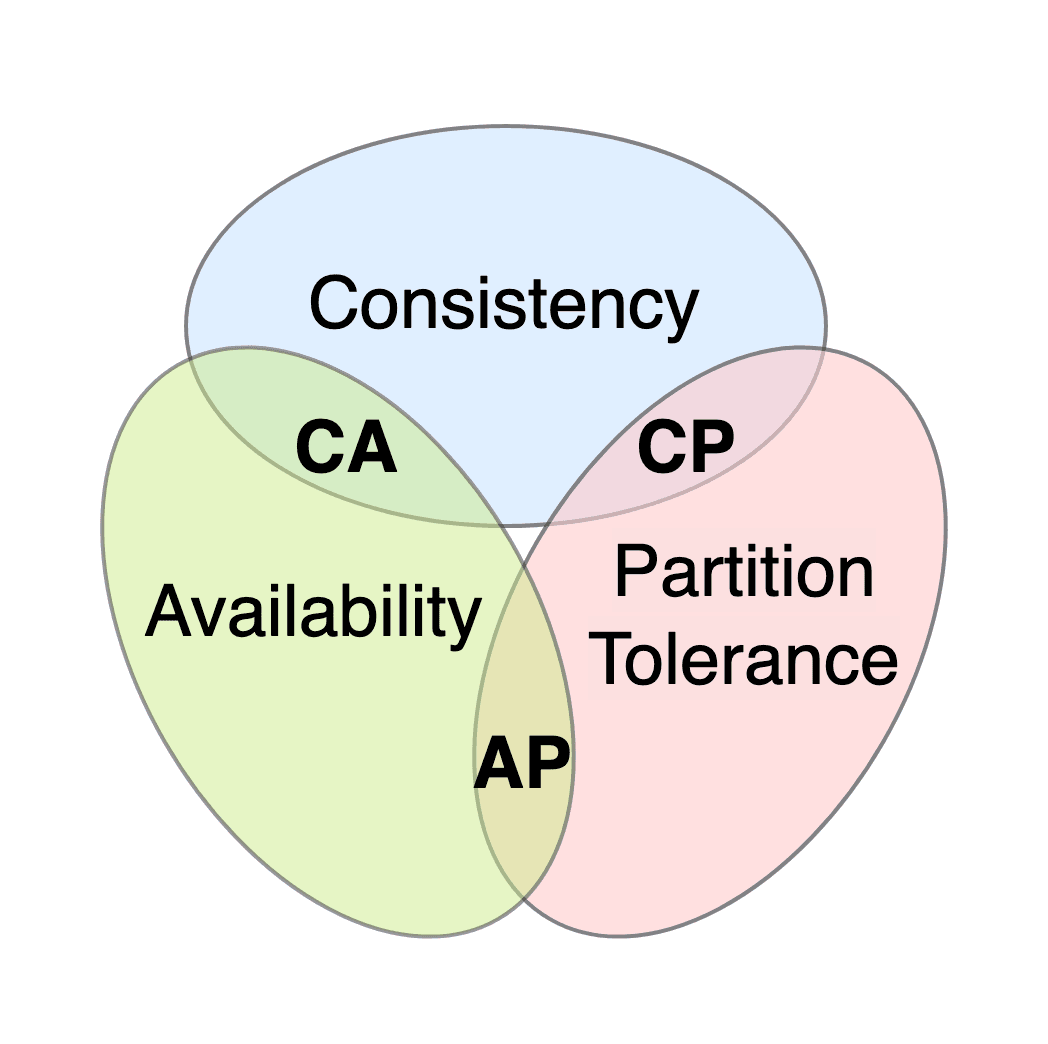
CAP Theorem: Pick Two of Three Guarantees
The CAP Theorem states a distributed system can only have two of three guarantees: Consistency, Availability, or Partition Tolerance. When the network fails (a partition), you must choose: stop responding to ensure data is consistent (CP) or keep responding…
Apache Hive: SQL on Hadoop
Apache Hive translates SQL-like queries into Hadoop MapReduce jobs, letting you analyze huge datasets with familiar syntax. Don't mistake it for a real-time database; its power is in high-throughput batch processing, not low-latency queries.
Columnar Storage: Read Less Data, Analyze Faster
Columnar formats like Parquet store data by column, not by row. This makes analytical queries that select a few columns from a wide table incredibly fast by minimizing disk I/O. It's a poor fit for transactional workloads that need entire rows at once.
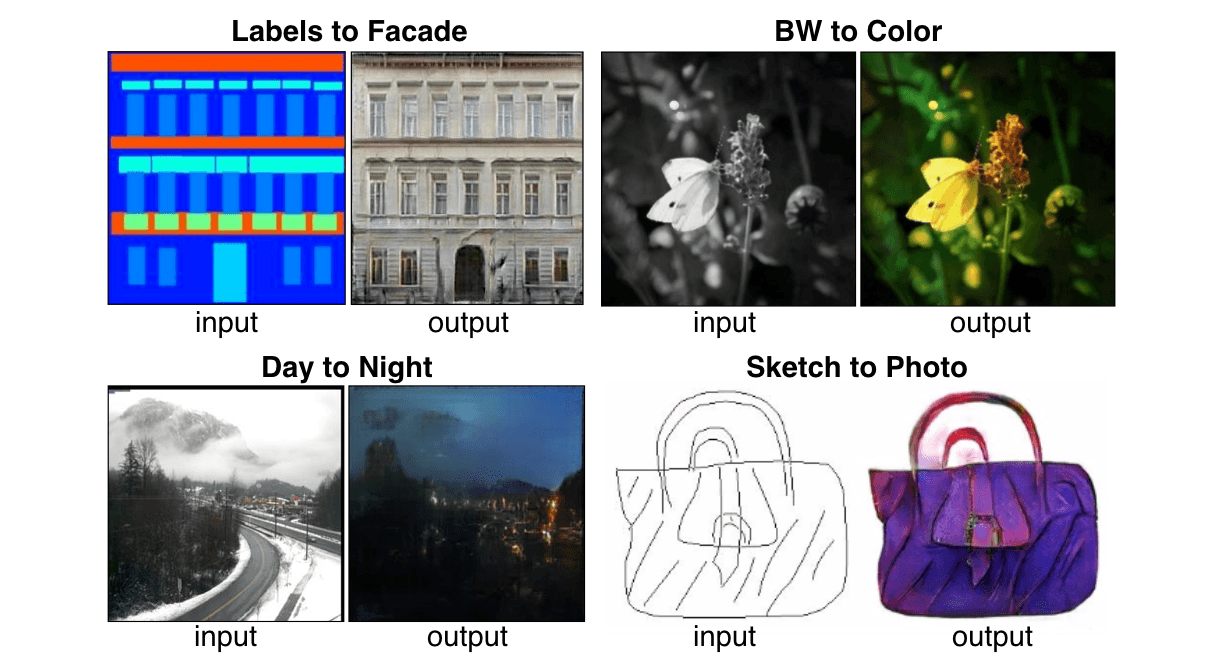
Image-to-Image Translation: One Model, Many Styles
Think of it as a universal visual translator. Given paired examples, it learns to convert one image style to another, like turning a building sketch into a photorealistic rendering. The footgun: it needs a large, aligned 'before-and-after' dataset.
Fairness Metrics: Quantifying AI's Impact on People
Fairness metrics translate "fairness" into a measurable score, checking if a model treats groups equitably. They are crucial for models in hiring or lending.

StyleGAN: Controllable, High-Fidelity Image Generation
StyleGAN generates images by controlling 'style' at different levels, like a painter layering coarse, medium, and fine details. It excels at creating hyper-realistic images with tunable features.

The EU AI Act: Risk-Based AI Regulation
The EU AI Act isn't a blanket ban but a risk-based framework. It sorts AI into tiers—from unacceptable to minimal risk—and applies rules proportionally, affecting any company with AI users in the EU. The footgun is assuming it only applies to EU companies.
ML Threat Modeling: Assume Your Data Is Compromised
Threat modeling for ML means assuming your training data is already compromised. This is crucial for services using public or user-supplied datasets. The main footgun is trusting data sources, as data poisoning can silently corrupt your model's behavior.
CLIP: Teaching AI to See with Words
CLIP creates a shared map for images and text, letting you classify images with natural language prompts. It's used for zero-shot classification and semantic search, bypassing the need for task-specific labeled data.
SHAP: Explaining Black Box Model Predictions
SHAP explains a model's prediction by treating features as players in a game and fairly distributing credit for the outcome. Use it to understand why a specific loan was denied or an image was misclassified. The footgun: SHAP explains the model, not reality.
Perceptual Loss: Judging Images by Vibe, Not Pixels
Perceptual loss judges an AI-generated image by its 'vibe,' not just pixel-for-pixel accuracy. It compares high-level features, making it key for style transfer and super-resolution.
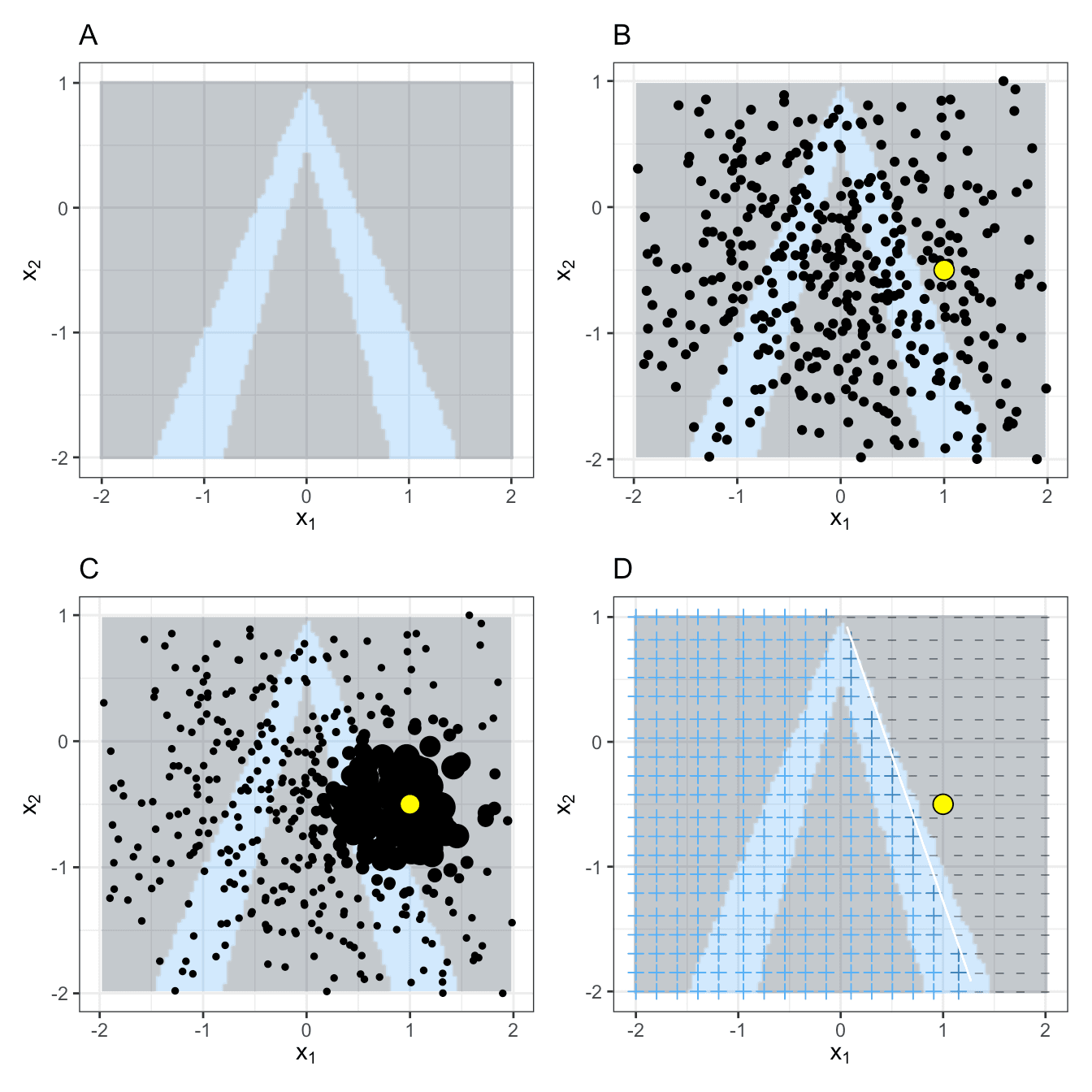
LIME: Explaining Single Predictions from Any ML Model
LIME explains a single prediction from any 'black box' model by approximating it with a simpler model that's only accurate locally. Use it to see why a specific user churned.

Pre-attentive Attributes: Your Brain on Autopilot
Pre-attentive attributes are visual properties your brain processes in milliseconds, before you consciously focus. They're the workhorses of data visualization, making outliers and patterns pop out of a dashboard. The biggest mistake is using too many at once.

The Llama Model Family: Open-Source AI for Production
Think of Llama not as one model, but a family of open-source AIs you can run anywhere. Use it for cost-effective, fine-tuned applications like internal search or when you need full control. The biggest mistake is mis-sizing the model for your task.
MaaS: Renting AI Brains via API
Model-as-a-Service (MaaS) is like renting a pre-trained AI expert via an API. Instead of building and training your own models, you pay to use powerful, ready-made ones for tasks like text generation or image analysis.
Amazon Bedrock: One API for Many AI Models
Amazon Bedrock is an API gateway for foundation models, letting you switch AI providers without rewriting code. It's used to build generative AI apps while avoiding vendor lock-in.
Showback vs. Chargeback: Who Pays for Compute?
Showback tells teams what their resource usage costs; Chargeback makes them pay for it. It's the difference between a receipt and a bill. These models help manage cloud costs, but implementing chargeback without granular tracking leads to disputes.
We are hiring for this. Every open role lists the topics its interview covers, so you can prepare for the real thing rather than guessing.
See open roles