Concepts in AI & ML, page 20
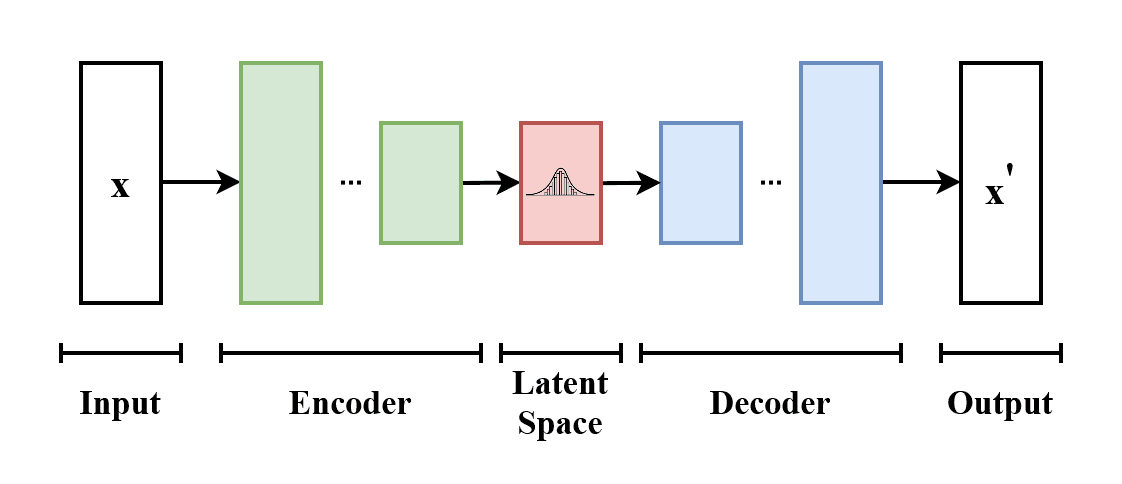
Variational Autoencoders: Learning to Generate Data
A VAE learns to create new data by compressing examples into a "latent space" of core features and then decoding from it. It's used for generative art and data augmentation, but its outputs can be blurrier than those from other models like GANs.
AWS Inferentia and Annapurna Labs
AWS Inferentia is an AWS chip product line. Annapurna Labs, Amazon's semiconductor division acquired in 2015, builds Nitro, Graviton, and Trainium and ranks among TSMC's top five fabless customers. Do not assume Annapurna designs every AWS accelerator.
Apache Hive: SQL on Hadoop
Apache Hive translates SQL-like queries into Hadoop MapReduce jobs, letting you analyze huge datasets with familiar syntax. Don't mistake it for a real-time database; its power is in high-throughput batch processing, not low-latency queries.
Latent Space: A Map Where Distance is Similarity
A latent space is a map of concepts where distance equals similarity. Similar items are clustered together, which powers image generation and recommendation engines. The footgun is that the map's dimensions are abstract, not human-interpretable features.
Compute Abstraction Layer: Run Code Anywhere
A Compute Abstraction Layer is a universal adapter for your code, letting you run it on a laptop, cloud GPU, or cluster without changes. It's used in MLOps to scale a script from local debug to production training. The footgun is a leaky abstraction.

Data Bias: When AI Inherits Our Flaws
Generative AI learns patterns from its training data. Data bias occurs when this data contains skewed perspectives or stereotypes, which the model then reproduces and amplifies. This is why an image generator might default to stereotypes.
Columnar Storage: Read Less Data, Analyze Faster
Columnar formats like Parquet store data by column, not by row. This makes analytical queries that select a few columns from a wide table incredibly fast by minimizing disk I/O. It's a poor fit for transactional workloads that need entire rows at once.

Text-to-Image Generation: From Words to Pixels
Text-to-image models act like a digital artist, translating language into visuals. They're used to create art, marketing materials, and prototype designs. The main footgun is prompt ambiguity, which can lead to bizarre or nonsensical images.
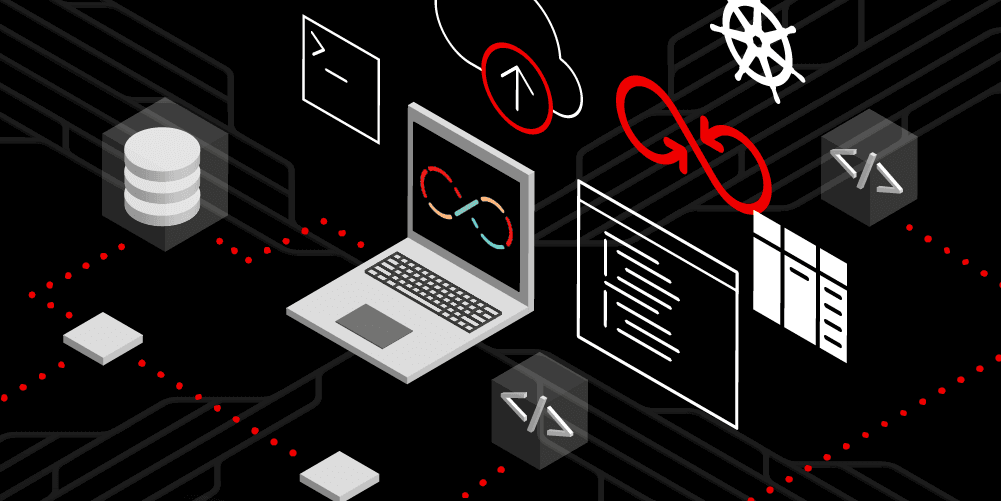
Hybrid Cloud MLOps: Train Anywhere, Deploy Everywhere
Treat your ML infrastructure like your applications—a consistent platform that runs anywhere, avoiding siloed stacks for data science and app dev. Use it to train on cloud GPUs but deploy on-prem for low latency, ensuring dev/prod parity across environments.
Deepfakes: AI-Generated Media Impersonations
Deepfakes are AI-generated media that convincingly impersonate people. Think of it as digital puppetry, where an AI manipulates a face or voice. They're used for film effects and satire, but also for misinformation. The footgun: assuming you can spot one.
RBAC for MLOps: Who Can Do What?
RBAC assigns permissions to roles, not people. You create roles like 'Data Scientist' with specific permissions (e.g., access training data), then assign users to that role.
AI Governance: Rules for Building Intelligent Systems
AI governance creates rules of the road for intelligent systems, ensuring they're safe, fair, and transparent. It applies when governments pass laws or companies form ethics boards. The footgun is treating this as only a legal problem, not a technical one.
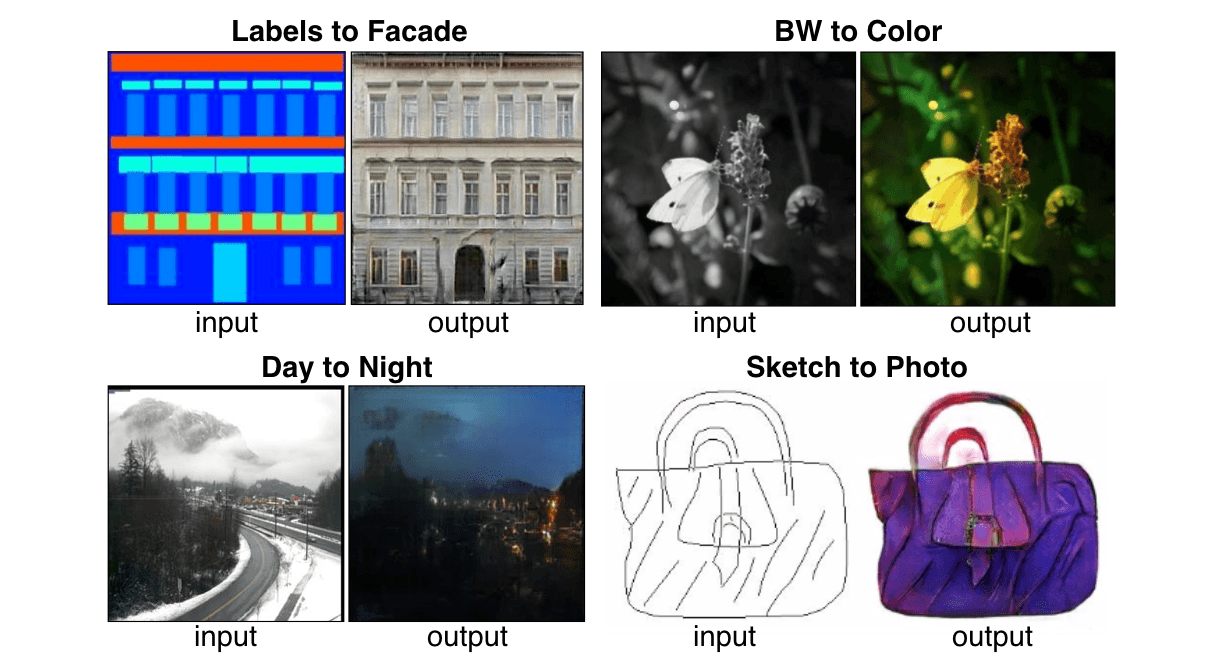
Image-to-Image Translation: One Model, Many Styles
Think of it as a universal visual translator. Given paired examples, it learns to convert one image style to another, like turning a building sketch into a photorealistic rendering. The footgun: it needs a large, aligned 'before-and-after' dataset.

Model Interpretability vs. Explainability
Interpretability means a human can grasp a model's logic (e.g., a simple decision tree). Explainability is stronger: it's about why the model made a *specific* choice. This is key for debugging or justifying high-stakes decisions.

Fairness Metrics: Quantifying AI's Impact on People
Fairness metrics translate "fairness" into a measurable score, checking if a model treats groups equitably. They are crucial for models in hiring or lending.
Apache ZooKeeper: A Coordinator for Distributed Systems
Think of ZooKeeper as a reliable key-value store for metadata. It provides distributed systems with essentials like configuration management, leader election, and service discovery, ensuring all nodes agree on the system's state.

StyleGAN: Controllable, High-Fidelity Image Generation
StyleGAN generates images by controlling 'style' at different levels, like a painter layering coarse, medium, and fine details. It excels at creating hyper-realistic images with tunable features.

The EU AI Act: Risk-Based AI Regulation
The EU AI Act isn't a blanket ban but a risk-based framework. It sorts AI into tiers—from unacceptable to minimal risk—and applies rules proportionally, affecting any company with AI users in the EU. The footgun is assuming it only applies to EU companies.

ML Threat Modeling: Assume Your Data Is Compromised
Threat modeling for ML means assuming your training data is already compromised. This is crucial for services using public or user-supplied datasets. The main footgun is trusting data sources, as data poisoning can silently corrupt your model's behavior.
Bias Mitigation Algorithms: Correcting Unfair AI
Bias mitigation algorithms steer AI toward a defined standard of fairness. They're used in high-stakes systems like hiring or loan approvals to counteract harmful, systemic tendencies learned from biased data.
We are hiring for this. Every open role lists the topics its interview covers, so you can prepare for the real thing rather than guessing.
See open roles