Advanced concepts in Backend Dev, page 7

Continuous Queries: Automating Time-Series Aggregation
A continuous query automatically aggregates real-time data on a schedule. Use it to create downsampled rollups, like hourly averages from raw sensor data, storing results in a new series.
Go Execution Tracer: Pinpointing Concurrency Bottlenecks
Go's Execution Tracer creates a visual timeline of your program, capturing goroutine state changes, syscalls, and GC events. It's essential for diagnosing subtle concurrency issues like lock contention. The main footgun is misusing annotations for work.
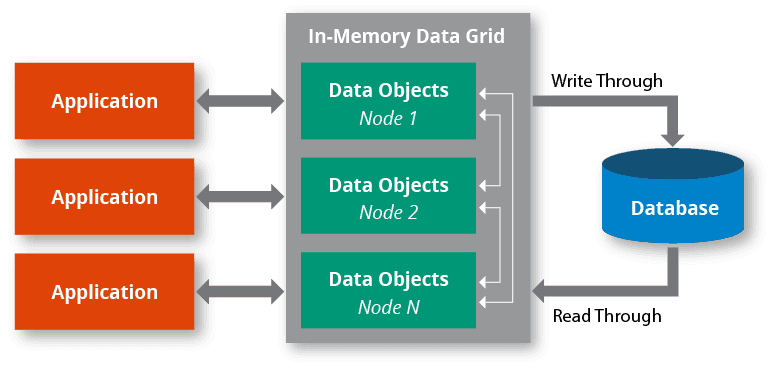
In-Memory Data Grid: A Shared RAM Pool for Your Cluster
An In-Memory Data Grid (IMDG) pools the RAM of multiple computers into one massive, shared data space. It's for high-speed processing on datasets too large for one machine. The footgun is mistaking it for a simple cache; it also provides parallel computation.

HNSW: Vector Search with a Graph Highway System
HNSW finds approximate nearest neighbors in huge datasets by building a multi-layered graph, like a highway system over local roads. It's the engine in vector databases for similarity search. The footgun: it trades perfect accuracy for massive speed gains.

Mangum: Run Python ASGI Apps on Serverless
Mangum is an adapter for running Python ASGI apps (like FastAPI) on serverless platforms like AWS Lambda. It translates serverless events into ASGI requests, letting you deploy existing async web apps without a rewrite.
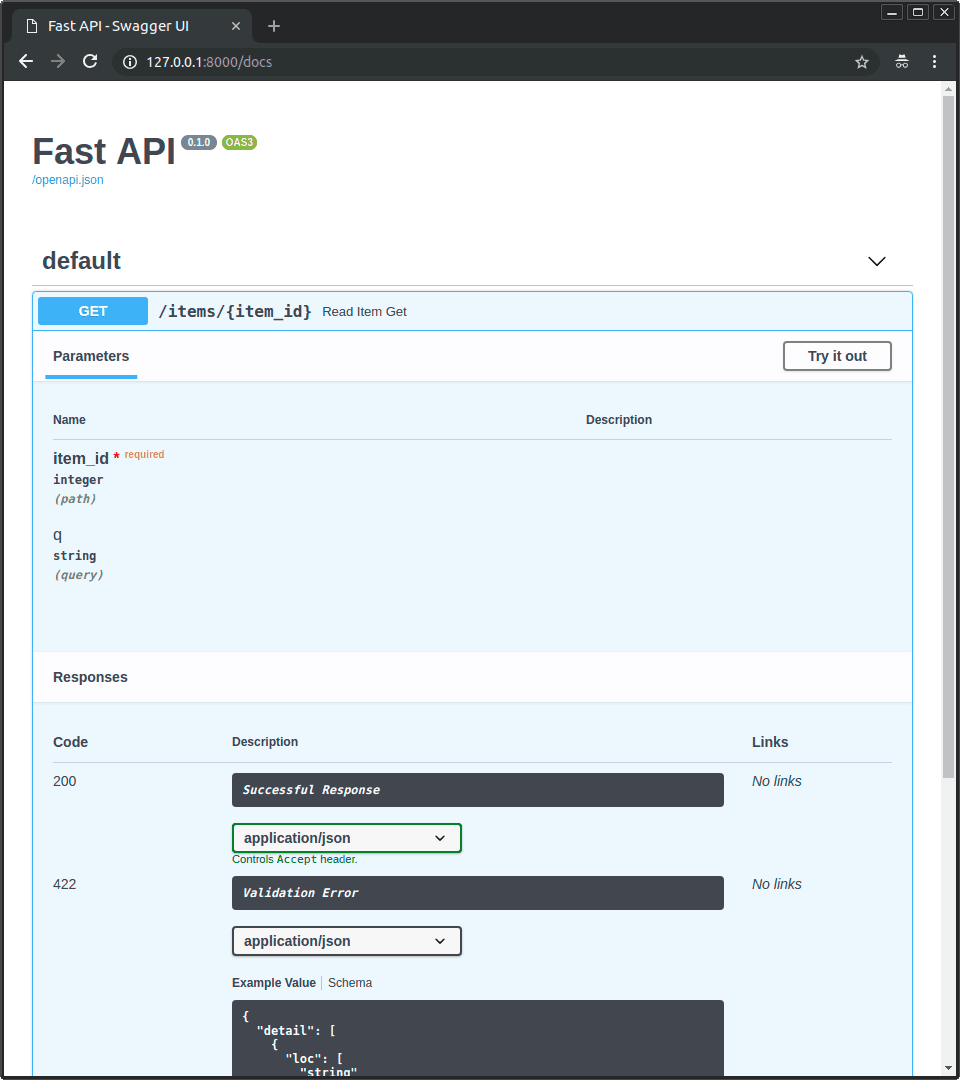
FastAPI Container Build and Deploy Pipeline
Treat the Docker image as the immutable artifact: one build runs everywhere. Deploy FastAPI workers behind a load balancer, one process per container. The footgun is baking secrets into the image or running multiple processes; that breaks horizontal scaling.
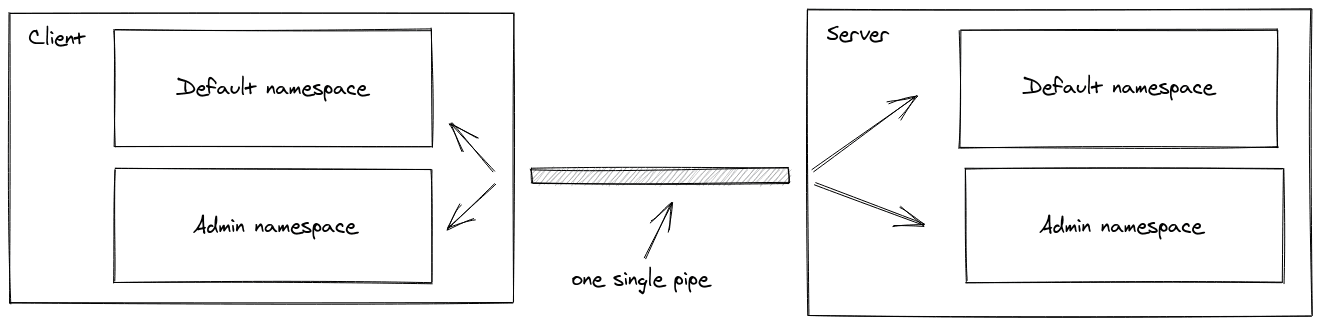
Socket.IO Namespaces: Channels on One Connection
Socket.IO namespaces are virtual channels over a single WebSocket connection, letting you split app logic without multiple connections. Use them for separate areas like /admin or for multi-tenancy.
Rust Procedural Macros: Code That Writes Code
Procedural macros are compile-time functions that write Rust code for you. They power common patterns like Serde's #[derive(Serialize)]. The main footgun is hygiene: generated code can clash with local variables, so authors must use absolute paths to be…
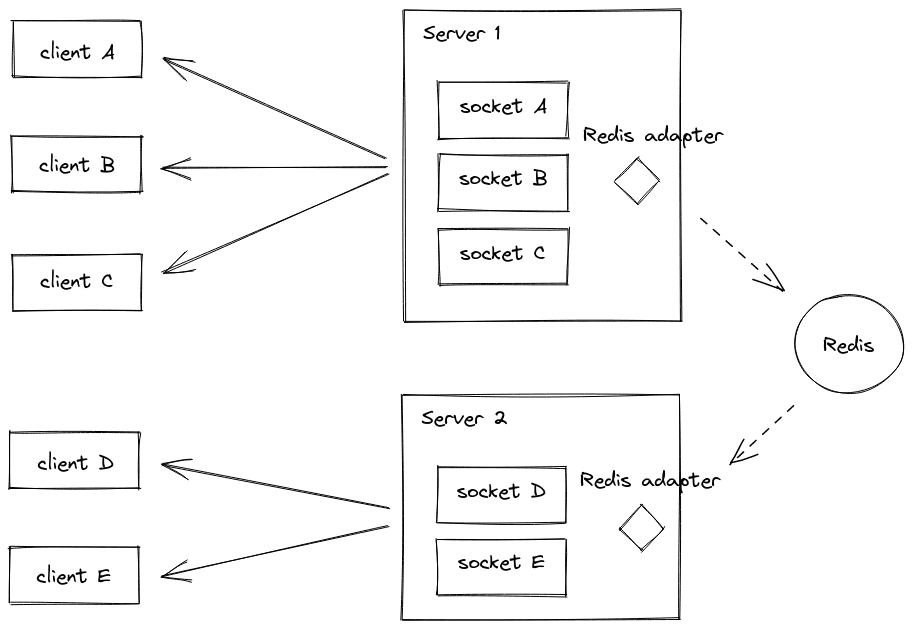
Socket.IO Adapters: Scaling Beyond One Server
Socket.IO adapters let you scale beyond one server. They use a backend like Redis Pub/Sub to broadcast messages across all your instances, so a user on Server A gets events from Server B. The footgun is assuming this handles everything; you still need a load.
Rust Const Generics: Parameterize by Value, Not Just Type
Const generics let Rust types be parameterized by values, not just other types. This allows writing code generic over array sizes, like Matrix<T, const N: usize>, ensuring dimensions are checked at compile time.
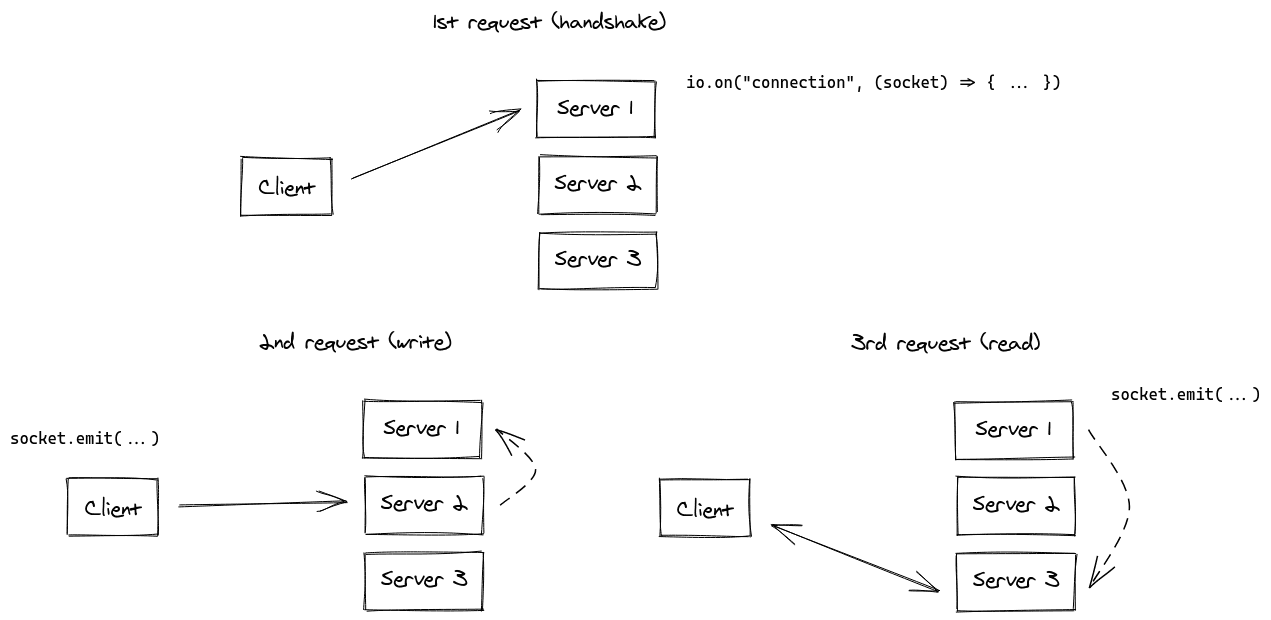
Sticky Sessions: Pinning a User to a Server
Sticky sessions pin a user's requests to a single server in a multi-server setup. This is crucial for stateful apps like Socket.IO, where a user's session lives on one machine.
Rust's Pin: Fixing a Value's Memory Address
Pin<P> tells the Rust compiler a value must not move from its memory location. Think of it as nailing an object to a specific spot on the memory shelf. This is crucial for self-referential types, like those in async runtimes.
Go Assembly: A Semi-Abstract Instruction Set
Go's assembler isn't a direct mapping to machine code; it's a semi-abstract instruction set. A MOV might become a clear or load. This is what you see with go tool compile -S. The footgun is assuming your assembly maps 1:1 to the final machine code.
PM2: Zero-Downtime Reloads in Cluster Mode
PM2's reload command updates a clustered Node.js app without downtime by restarting processes one by one. Use this for live deployments. The footgun is using it on a stateful app, which will cause data loss unless state is externalized.
Docker Compose for Multi-Container Apps
Docker Compose is a conductor for your containers. Instead of running each service manually, you define your app and its database in one YAML file and launch them together. This is standard for local Node.js/Postgres development.

CI/CD Pipelines for Node.js Applications
A CI/CD pipeline is an automated assembly line for Node.js code, installing dependencies, running tests, and packaging your app for deployment. This is standard for any professional project, but a common footgun is not caching dependencies, leading to slow…
Rust's `bindgen`: Auto-Generate FFI to C/C++
bindgen is a translator that reads C/C++ headers and writes the unsafe Rust FFI code to call them. It's used to integrate Rust with existing C libraries, like system APIs or legacy code, saving you from writing bindings by hand.
cbindgen: Auto-generate C/C++ Headers for Rust
cbindgen automatically generates C/C++ headers for your Rust code, saving you from writing tedious FFI boilerplate. Use it when exposing a Rust library to other languages. Its feature set is ad-hoc, so it may not support your specific edge case out of the box.
Rust's Tower Service: One Trait for Clients, Servers, and Middleware
Tower's Service trait is a universal API for async requests. It models any 'request -> future<response>' flow, unifying clients, servers, and middleware. Use it for HTTP servers or database clients. The footgun: ignoring poll_ready bypasses backpressure.
The FromRequest Trait: Consuming Request Bodies in Axum
Axum's FromRequest trait defines how to create a type by consuming an HTTP request body. It's the core of extractors like Json<T> that deserialize POST data. The footgun: you can only use one FromRequest extractor per handler, as it consumes the body.
We are hiring for this. Every open role lists the topics its interview covers, so you can prepare for the real thing rather than guessing.
See open roles