Concepts in Backend Dev, page 24
Go's `unsafe` Package: Breaking the Rules for Performance
Go's unsafe package lets you bypass type safety, treating memory like C with raw pointers for performance gains. It's used for low-level optimizations and C interoperability. The footgun: its behavior isn't guaranteed across Go versions, making code fragile.
Synchronous vs. Asynchronous Replication: A Trade-off
Replication is a trade-off: synchronous waits for all copies to confirm a write, guaranteeing consistency but risking availability. Asynchronous lets the primary move on immediately, prioritizing speed.
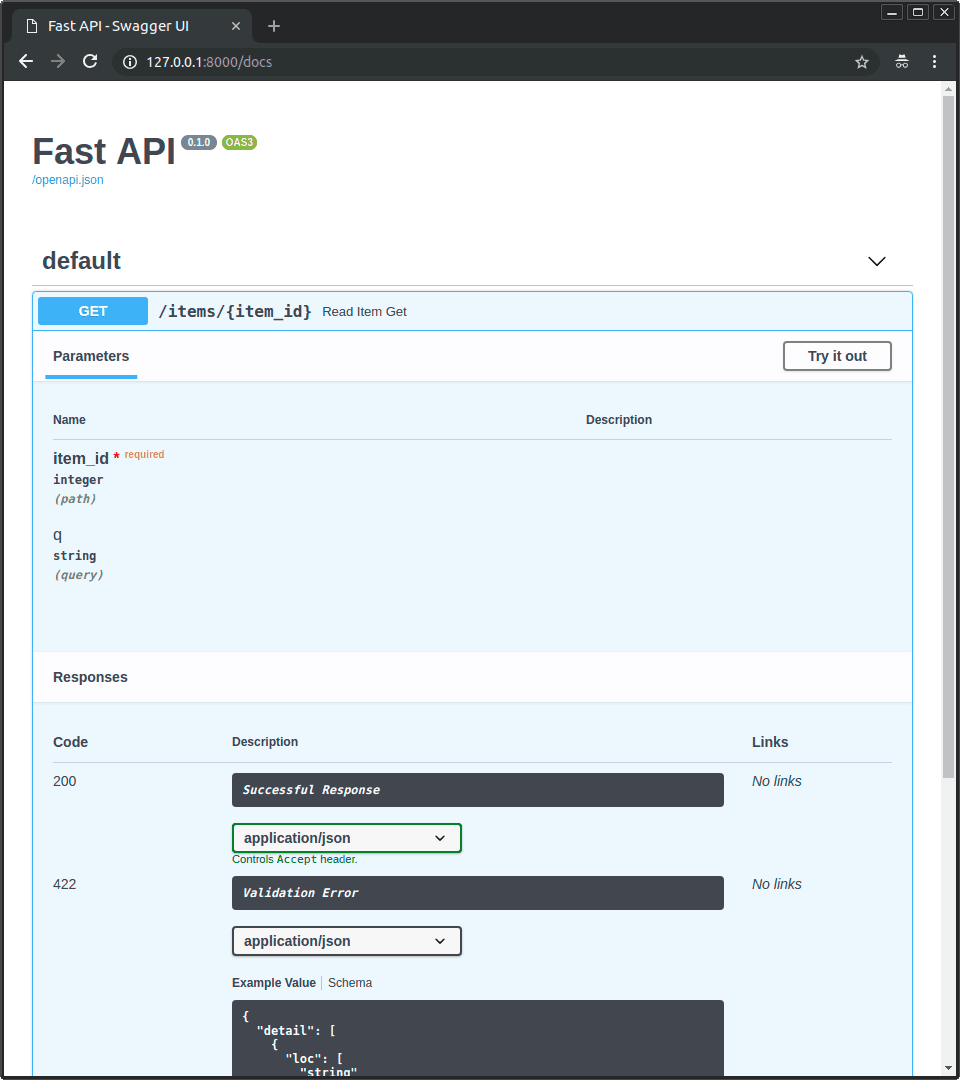
FastAPI Container Build and Deploy Pipeline
Treat the Docker image as the immutable artifact: one build runs everywhere. Deploy FastAPI workers behind a load balancer, one process per container. The footgun is baking secrets into the image or running multiple processes; that breaks horizontal scaling.

Server-Sent Events (SSE): One-Way Data Push from Server
Server-Sent Events (SSE) push data from server to client over one HTTP connection. It's a simpler, one-way alternative to WebSockets for things like live news feeds or status updates.
Cgo: The Bridge Between Go and C Code
Cgo is Go's bridge to the C world, letting you call C functions and use C types from your Go code. It's for leveraging existing C libraries or low-level OS APIs. The footgun: cgo calls have high overhead and break Go's simple cross-compilation.

Multi-Region Databases: Resilience, Latency, and Compliance
A multi-region database is a strategy for resilience, low latency, and data compliance. It's used to survive region outages, keep data in-country, and serve reads close to users. The footgun is managing low-level replica placement directly, which is complex.
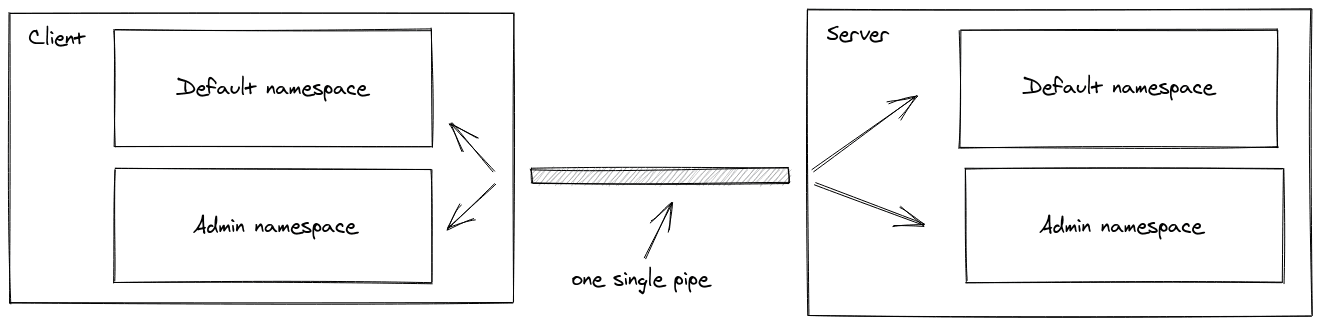
Socket.IO Namespaces: Channels on One Connection
Socket.IO namespaces are virtual channels over a single WebSocket connection, letting you split app logic without multiple connections. Use them for separate areas like /admin or for multi-tenancy.
Rust Procedural Macros: Code That Writes Code
Procedural macros are compile-time functions that write Rust code for you. They power common patterns like Serde's #[derive(Serialize)]. The main footgun is hygiene: generated code can clash with local variables, so authors must use absolute paths to be…
Watermarks: Defining 'Done' in Event Streams
A watermark tells a stream processor when a time window is 'complete' for unordered events. It's a timestamped signal declaring 'no more data is expected before this point,' allowing aggregations to be finalized. The key footgun is balancing lateness vs.
FastAPI: Validating Models with Pydantic's Field
Pydantic's Field adds guardrails directly to your data model's attributes. Use it to enforce constraints like string length (max_length=50) or numeric ranges (gt=0), making your models self-validating.
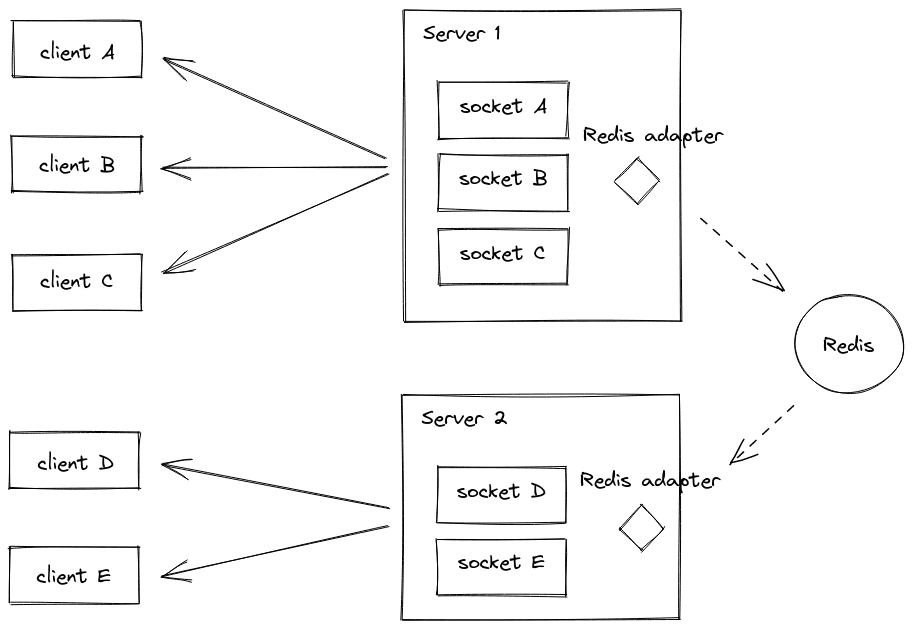
Socket.IO Adapters: Scaling Beyond One Server
Socket.IO adapters let you scale beyond one server. They use a backend like Redis Pub/Sub to broadcast messages across all your instances, so a user on Server A gets events from Server B. The footgun is assuming this handles everything; you still need a load.
Rust Const Generics: Parameterize by Value, Not Just Type
Const generics let Rust types be parameterized by values, not just other types. This allows writing code generic over array sizes, like Matrix<T, const N: usize>, ensuring dimensions are checked at compile time.

Phantom Reads: When New Rows Appear Mid-Transaction
A phantom read occurs when a transaction repeats a query and finds new rows that match its search criteria, inserted by another committed transaction. It's common in reporting jobs that need a stable set of data.
Pydantic: Reusable Validation with Annotated Types
Pydantic's Annotated attaches validation logic directly to a type, making it reusable. Define a custom type like SquareNumber once and apply it to any model field, ensuring consistent validation without repeating code.
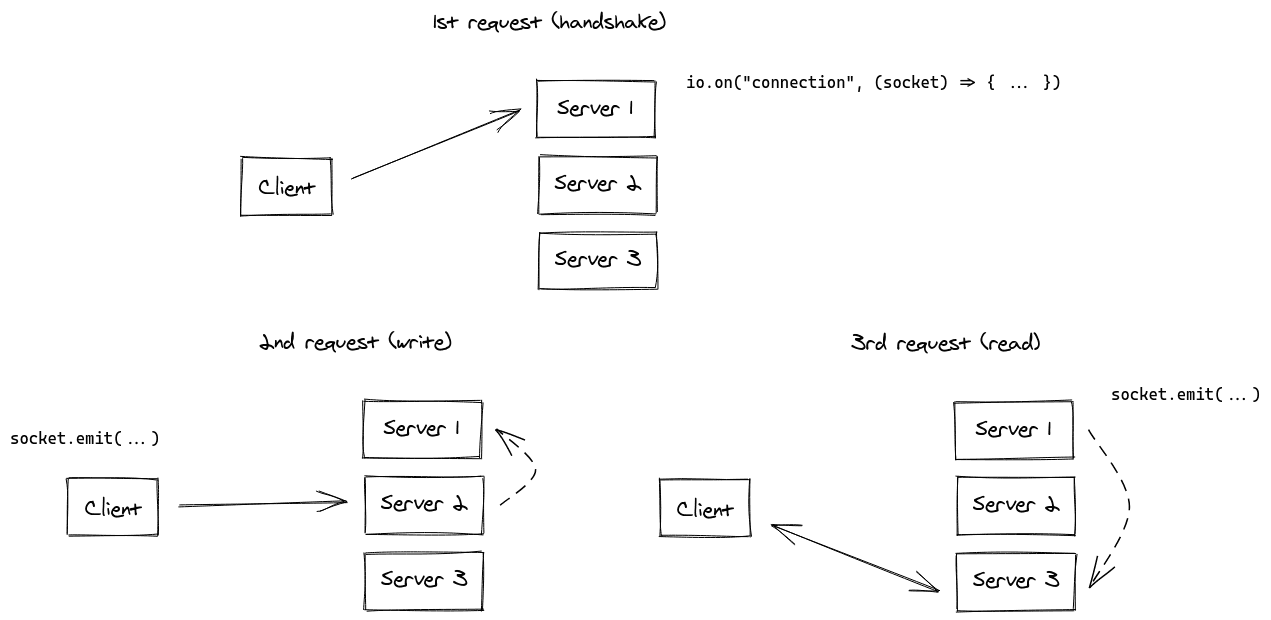
Sticky Sessions: Pinning a User to a Server
Sticky sessions pin a user's requests to a single server in a multi-server setup. This is crucial for stateful apps like Socket.IO, where a user's session lives on one machine.
Rust's Pin: Fixing a Value's Memory Address
Pin<P> tells the Rust compiler a value must not move from its memory location. Think of it as nailing an object to a specific spot on the memory shelf. This is crucial for self-referential types, like those in async runtimes.
Caching: Write-Through for Safety, Write-Back for Speed
Write-through caching writes to the database immediately for data safety, while write-back delays writes for speed. Use write-through for critical data and write-back for high-volume updates.
SQL JOIN: Match Rows Across Tables
A SQL JOIN matches rows across tables on a shared key to build one logical record. You use it when orders need customer names or posts need authors. The footgun is that INNER JOIN silently drops rows with missing keys, making data seem to vanish.
FastAPI's StreamingResponse: Send Data in Chunks
StreamingResponse sends data piece by piece, like a live broadcast, instead of sending a complete file all at once. This keeps your server's memory low for huge responses like file downloads, video streams, or live data from AI models.
NODE_ENV: Flipping the 'Production' Switch
Setting NODE_ENV=production is like telling your Node.js app it's showtime, not rehearsal. This triggers performance optimizations in frameworks like Express, such as view caching and less verbose errors.
We are hiring for this. Every open role lists the topics its interview covers, so you can prepare for the real thing rather than guessing.
See open roles