Intermediate everything in Computer Vision, page 6
Prototypical Networks: Learning from a Handful of Examples
Prototypical Networks classify new categories from few examples by finding the average representation, or 'prototype,' for each class. This is key for few-shot image recognition where you have only 1-5 examples.

Zero-Shot Learning: Classifying the Unseen
Zero-Shot Learning lets a model classify things it never trained on. It works by linking visual features to semantic descriptions, like identifying a 'zebra' from the description 'striped horse'. The footgun is assuming it creates knowledge from nothing.
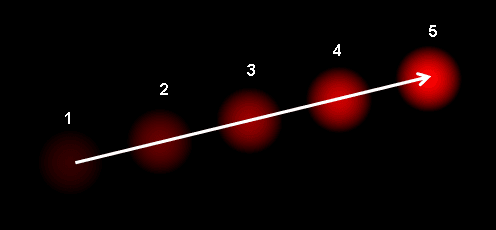
Visual Odometry: Estimating Motion from Pixels
Visual odometry is dead reckoning with a camera. It estimates movement by tracking how features shift between images, without GPS or maps. It's used in robotics and AR, but its biggest footgun is that small errors accumulate, causing it to drift over time.

Visual Question Answering (VQA): Teaching AI to See and Reason
VQA models combine vision and language to answer questions about an image, like a visual Turing test. It's used in assistive tech and advanced image search. The footgun is models learning to answer based on language patterns, not visual content.

Scene Parsing: Labeling Every Pixel in an Image
Scene parsing is like digital coloring-by-numbers, assigning a category like 'road' or 'sky' to every pixel. It's used by autonomous vehicles to understand the road and AR apps to place objects.
Perceptual Loss: Judging Images by Vibe, Not Pixels
Perceptual loss judges an AI-generated image by its 'vibe,' not just pixel-for-pixel accuracy. It compares high-level features, making it key for style transfer and super-resolution.
CLIP: Teaching AI to See with Words
CLIP creates a shared map for images and text, letting you classify images with natural language prompts. It's used for zero-shot classification and semantic search, bypassing the need for task-specific labeled data.
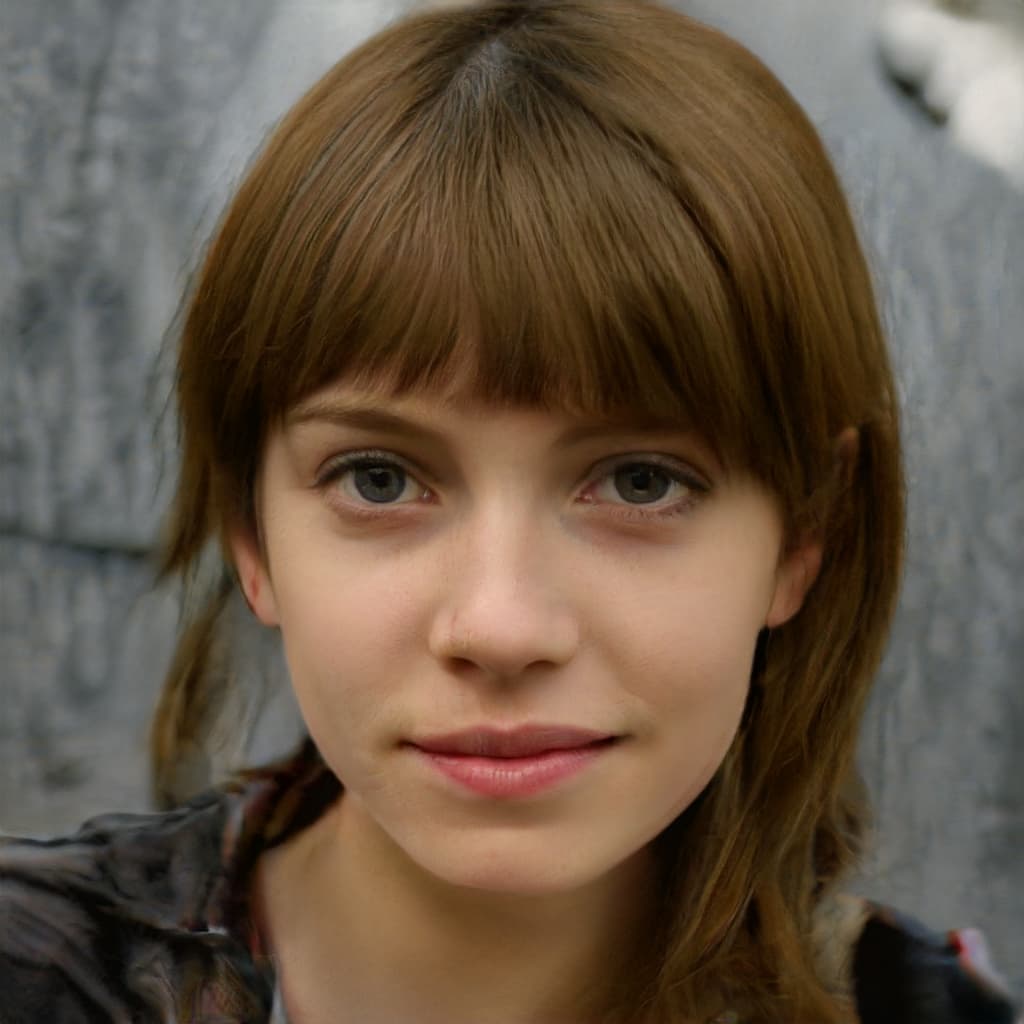
StyleGAN: Controllable, High-Fidelity Image Generation
StyleGAN generates images by controlling 'style' at different levels, like a painter layering coarse, medium, and fine details. It excels at creating hyper-realistic images with tunable features.
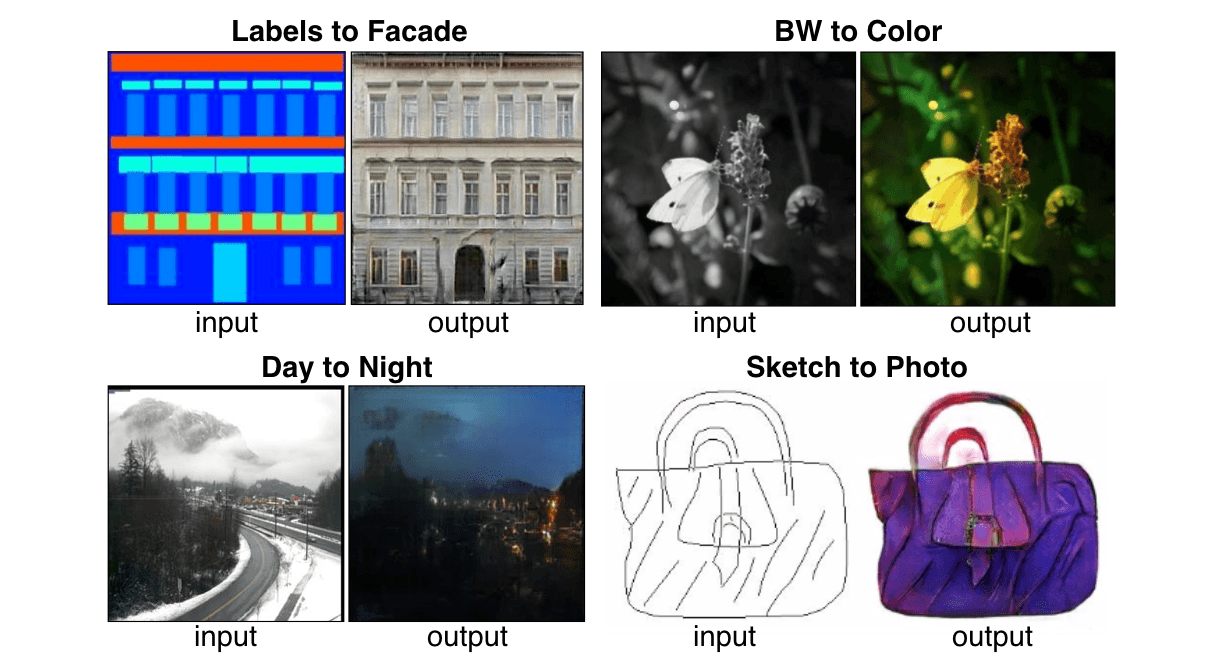
Image-to-Image Translation: One Model, Many Styles
Think of it as a universal visual translator. Given paired examples, it learns to convert one image style to another, like turning a building sketch into a photorealistic rendering. The footgun: it needs a large, aligned 'before-and-after' dataset.
DETR: Object Detection as Direct Set Prediction
DETR reframes object detection from a filtering task to direct set prediction. It uses a Transformer to output a fixed set of object predictions in one pass, eliminating complex post-processing.

Multi-Head Attention: Seeing Data From Multiple Angles
Multi-head attention lets a model analyze a sequence from multiple perspectives at once. It runs several "attention heads" in parallel, each focusing on different relationships, like syntax vs. semantics.
Mean Shift: A Mode-Seeking Algorithm
Mean shift is a technique for finding the peaks, or modes, of a density function. It's a non-parametric method used for cluster analysis in domains like computer vision and image processing to locate the densest areas in a feature space.

Kalman Filters: Predicting Through Noise
A Kalman filter predicts an object's next position, then corrects that prediction with noisy real-world measurements. It's used in video tracking to smooth an object's path between frames or in robotics to fuse imperfect sensor data.
Horn-Schunck: Assuming Smooth Motion to See Clearly
The Horn-Schunck method estimates video motion by assuming neighboring pixels move similarly. This global 'smoothness' constraint solves the aperture problem, where local views give ambiguous motion data.
Lucas-Kanade Method: Tracking Pixel Patches, Not Points
The Lucas-Kanade method tracks motion by assuming a small patch of pixels moves as a single unit. This overcomes the ambiguity of tracking one pixel. It's fundamental to video stabilization and feature tracking.

Dice Loss: Measuring Overlap for Image Segmentation
Dice Loss measures pixel overlap between predicted and true segmentation masks, like a Venn diagram for images. It excels in medical imaging with imbalanced classes, like finding a small tumor. The footgun: it can be unstable with very small objects.

Dilated Convolution: A Wider View Without More Parameters
Dilated convolution gives a filter a wider view by skipping pixels, like reading every Nth word to get the gist. This helps models in semantic segmentation see broader context without the resolution loss of pooling.
Fully Convolutional Networks: From Image to Segmentation Map
An FCN turns a standard image classifier into a pixel-level labeler by replacing its final layers with convolutions to preserve spatial data. It's used for semantic segmentation, like identifying all cars and roads in a street scene.
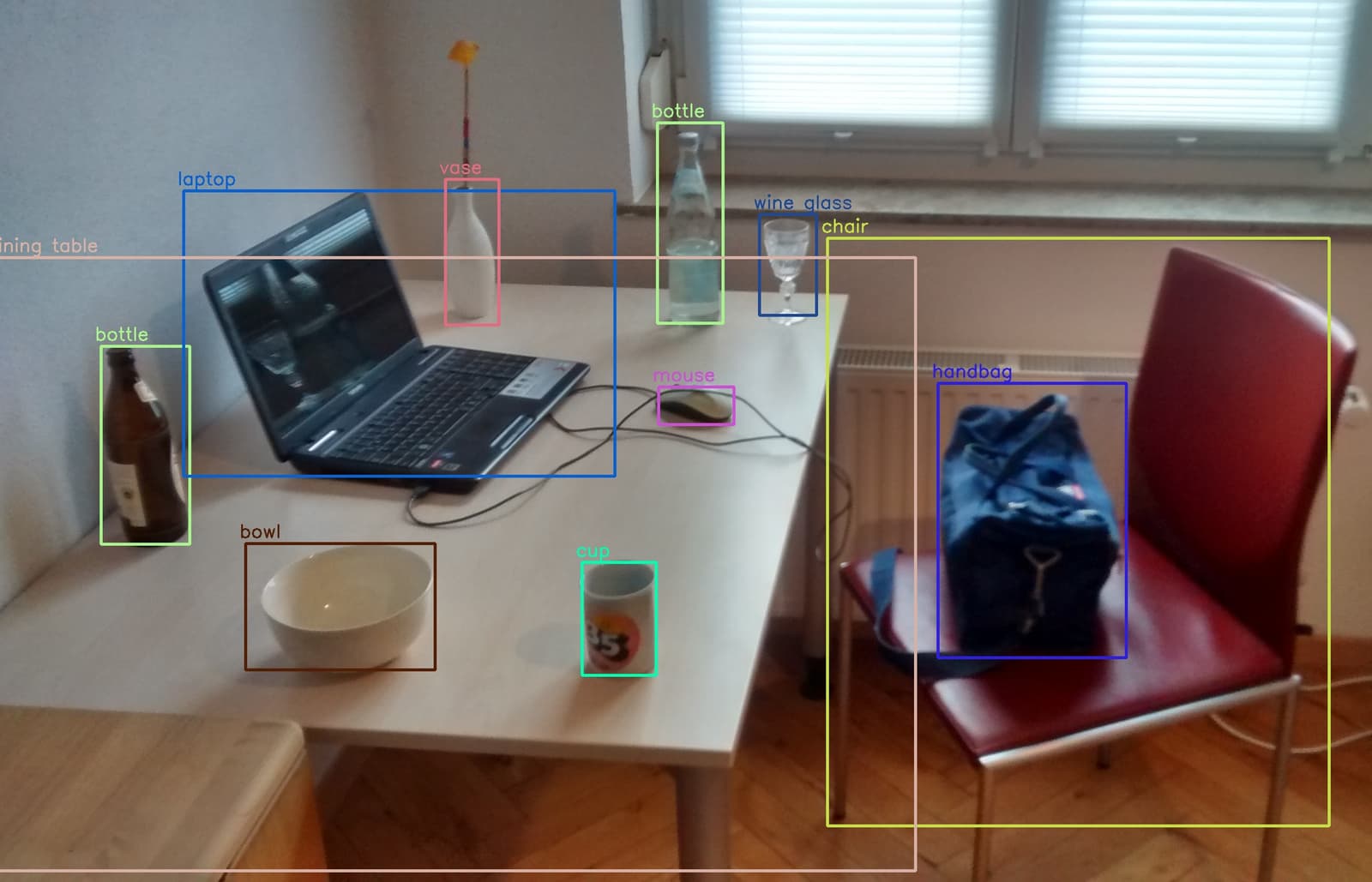
YOLO: Real-Time Object Detection in a Single Pass
YOLO treats object detection as a single regression problem, looking at an image once to predict all bounding boxes and classes. This makes it extremely fast, perfect for real-time video analysis.
Region Proposal Network (RPN): The 'Where to Look' Engine
An RPN is an 'attention' mechanism for object detection, telling the model where to look. It replaces slow, external proposal methods in systems like Faster R-CNN for autonomous driving.
We are hiring for this. Every open role lists the topics its interview covers, so you can prepare for the real thing rather than guessing.
See open roles