Advanced concepts in Content & Copywriting, page 2

Email List Hygiene: Quality Over Quantity
Think of list hygiene as pruning a garden: you remove dead contacts so engaged users thrive. This maintains sender reputation with providers like Gmail, ensuring messages land in the inbox.
Dynamic Creative Optimization (DCO)
Dynamic Creative Optimization (DCO) is a technology for programmatic advertising. It allows advertisers to automatically optimize the performance of their creative content using real-time systems, rather than serving a single static ad.
Target CPA Bidding: Automate Bids to a Target Cost
Target CPA bidding tells Google Ads, "I'm willing to pay this much on average for a customer action." It automates bids to get as many conversions as possible at your target price. The footgun: individual conversions can cost more than your target.

Content-First Design: Build the Page Around the Message
Content-first design means creating your interface around the actual text and media, not forcing content into a pre-made template. It prevents layouts from breaking when real data replaces placeholders.

Conversational Design: Scripting a Dialogue, Not Just a UI
Think of conversational design as scripting a dialogue where the user is the main character. It's how voice assistants and chatbots create natural, two-way interactions.
Information Scent: Guiding Users to Their Goal
Users hunt for information like animals forage for food, following a trail of cues. This applies to website navigation, headlines, and link text, where clear 'scents' guide users to their goal. The footgun is using vague labels that weaken the scent.
UX Copy Localization: More Than Just Translation
UX copy localization adapts UI text to a new market's cultural and linguistic norms, going beyond literal translation. It's critical for onboarding flows, error messages, and button labels.
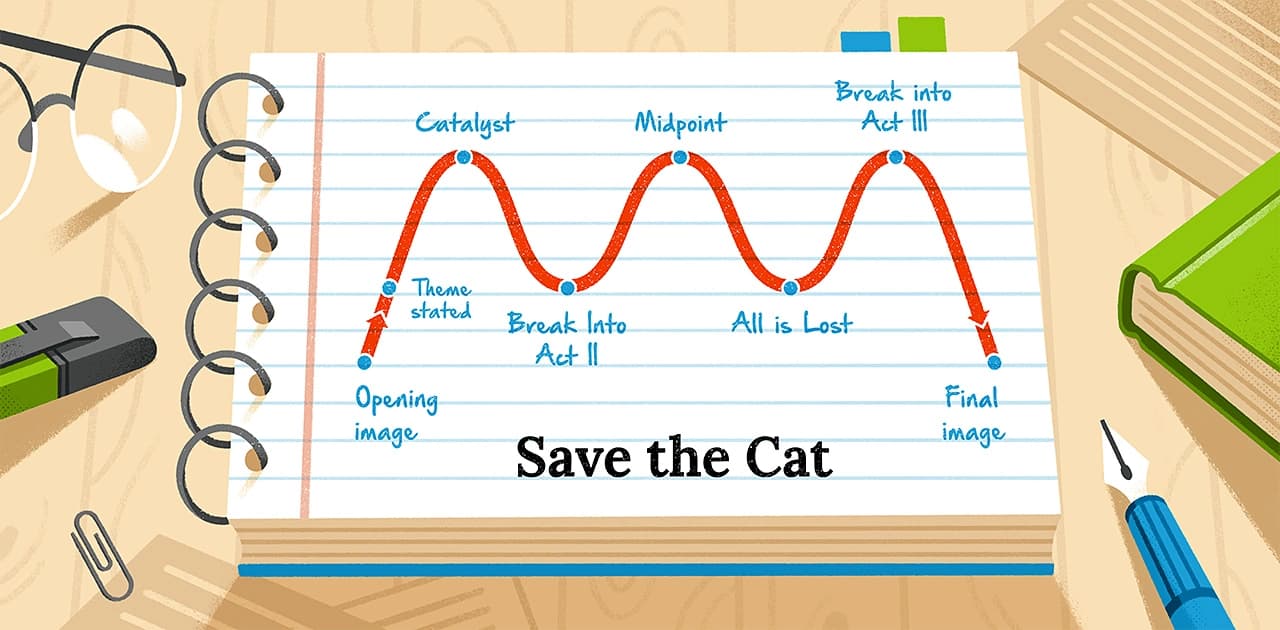
The Beat Sheet: A Story's Structural Blueprint
A beat sheet is a checklist of key emotional moments that structure a story. The popular "Save the Cat" method provides a template for outlining plots, ensuring proper pacing. The main footgun is following it too rigidly, creating a predictable story.
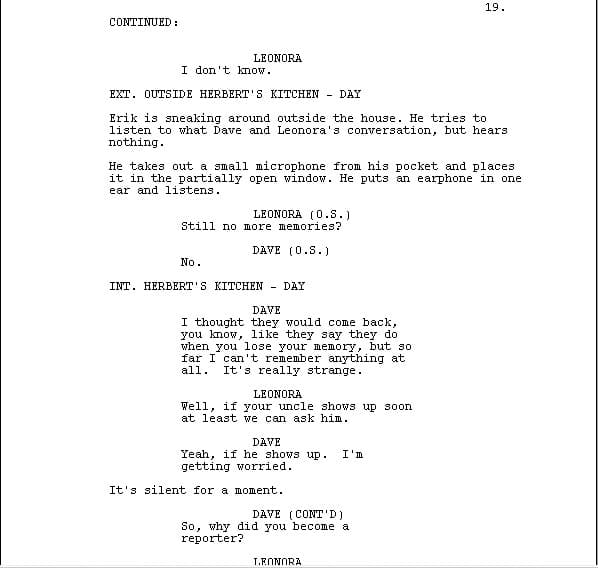
Character Voice: Making Characters Sound Distinct
Character voice is a verbal fingerprint—not just what characters say, but their unique way of saying it based on who they are. It's crucial in scriptwriting for believable dialogue that reveals personality.

Teleprompter Scripts: Format for Speaking, Not Reading
A teleprompter script is a performance guide, not a document. For professional video, use large sans-serif fonts, double spacing, and short sentences to help presenters sound natural. The footgun is writing dense paragraphs, which causes stilted delivery.
Multivariate Testing (MVT): Finding the Best Combination
Multivariate testing (MVT) finds the best combination of elements, not just the best single version. It tests multiple headlines, images, and buttons at once to see how they interact. The main footgun is needing massive traffic for statistically valid results.

Multi-Armed Bandits: Balancing Exploration and Exploitation
A multi-armed bandit algorithm balances exploiting a known winner with exploring new options to find a better one. It's used to dynamically test website headlines or ad copy, automatically shifting traffic to the best performer to maximize conversions.
Sequential Testing: Stop When You Have Enough Data
Instead of running a test for a fixed duration, sequential testing lets you peek at data and stop as soon as you have a statistically significant winner. It's used in A/B testing to ship features faster.
Content Marketing ROI: It's Not Your Typical ROI
Content Marketing ROI isn't a simple asset return; it measures profit from content against the money you risked creating it. Use it to justify budgets by showing how blog posts drive leads.
Assisted Conversions: Giving Credit Beyond the Final Click
An assisted conversion credits any channel a user interacts with before the final one. It's like crediting the pass before the goal, showing how channels like social or organic search contribute to sales that are ultimately closed by a direct visit or ad.
CLV:CAC Ratio: Is Your Customer Acquisition Profitable?
The CLV:CAC ratio tells you if you're spending too much to acquire customers. It compares the total profit a customer generates (CLV) against the cost to get them (CAC). SaaS businesses use it to gauge marketing spend. A 1:1 ratio means you're losing money.

CCPA & CPRA: California's Consumer Privacy Rules
Think of CCPA/CPRA as giving California consumers a remote control for their personal data. It forces businesses to honor user requests to know, delete, correct, or stop selling their info.
Defamation in Writing (Libel)
Defamation is any written communication that harms a third party's reputation, honor, or dignity, potentially leading to legal action. This applies to all published content, from articles to social media. The footgun is assuming truth is an absolute defense.

Right of Publicity: Your Identity as Property
The right of publicity treats your identity—your name, image, and likeness—as commercial property. This is why brands need permission to use a celebrity's face in an ad. The footgun is confusing it with privacy; this is about commerce, not intrusion.

Work for Hire: Who Owns What You Create?
Work for Hire makes the employer or client the legal author of a creation, not the person who made it. This is standard for employees' work and can apply to freelancers via contract. The footgun: without a specific agreement, freelancers own what they create.
We are hiring for this. Every open role lists the topics its interview covers, so you can prepare for the real thing rather than guessing.
See open roles