Intermediate concepts in Design & UX, page 3
Rhythm and Repetition in UI Layouts
Rhythm turns random elements into scannable patterns by repeating spatial intervals, not just shapes. Use it in lists, dashboards, and card grids where users hunt for information.
Snowball Sampling: When Your Users Find Your Users
Snowball sampling has your first participants recruit the next ones from their network. It's vital for reaching hidden groups, like specific professional communities. The footgun is selection bias: you're sampling social networks, not the whole population.

Screening UX Research Candidates
Screening surveys separate real users from professional testers and biased insiders before they skew your research. Without manual vetting of screener answers, convenience samples and speedrunners still pollute your design decisions.
Brand Messaging Framework: From Core Idea to Consistent Copy
A brand messaging framework is your company's playbook for communication, ensuring every piece of copy expresses the same core personality and value. It guides website copy, sales pitches, and social media, keeping your team aligned.

UX Research Incentives: How Much to Pay Participants
Think of research incentives as an investment in data quality, not just a cost. For a 60-minute interview, budget $75-150 for consumers or $200-500 for specialists. The footgun is underpaying: you'll get poor data and waste everyone's time.
Brand Archetypes: Connecting via the Collective Unconscious
Brand archetypes apply universal patterns from myths (Jungian archetypes) to give a brand a familiar personality. This creates an emotional shortcut, making the brand feel instantly recognizable.
Header Components: An Exception to Reusability
Treat your site header as a unique beast, not a reusable component. Its complexity—managing branding, responsive navigation, and sticky positioning—makes abstraction brittle. The footgun is reusing the entire header instead of just its internal components.
Style Guides: The DNA of Consistent Writing
A style guide is the source code for your brand's voice—a rulebook for writing, formatting, and design. It's used to create a unified experience across marketing, product, and docs.
Master-Detail: Show a List, Focus on One
The master-detail pattern splits your UI into a list of items (master) and a view for the selected one (detail). It's used in email clients and file explorers to manage information density. The footgun is a master list so sparse it forces users to click.
Tagline vs. Slogan: Company Identity vs. Campaign Message
A tagline is your company's permanent mission statement (Nike's "Just Do It"). A slogan is a temporary message for a specific ad campaign. This clarifies brand strategy, ensuring long-term identity isn't diluted by marketing.
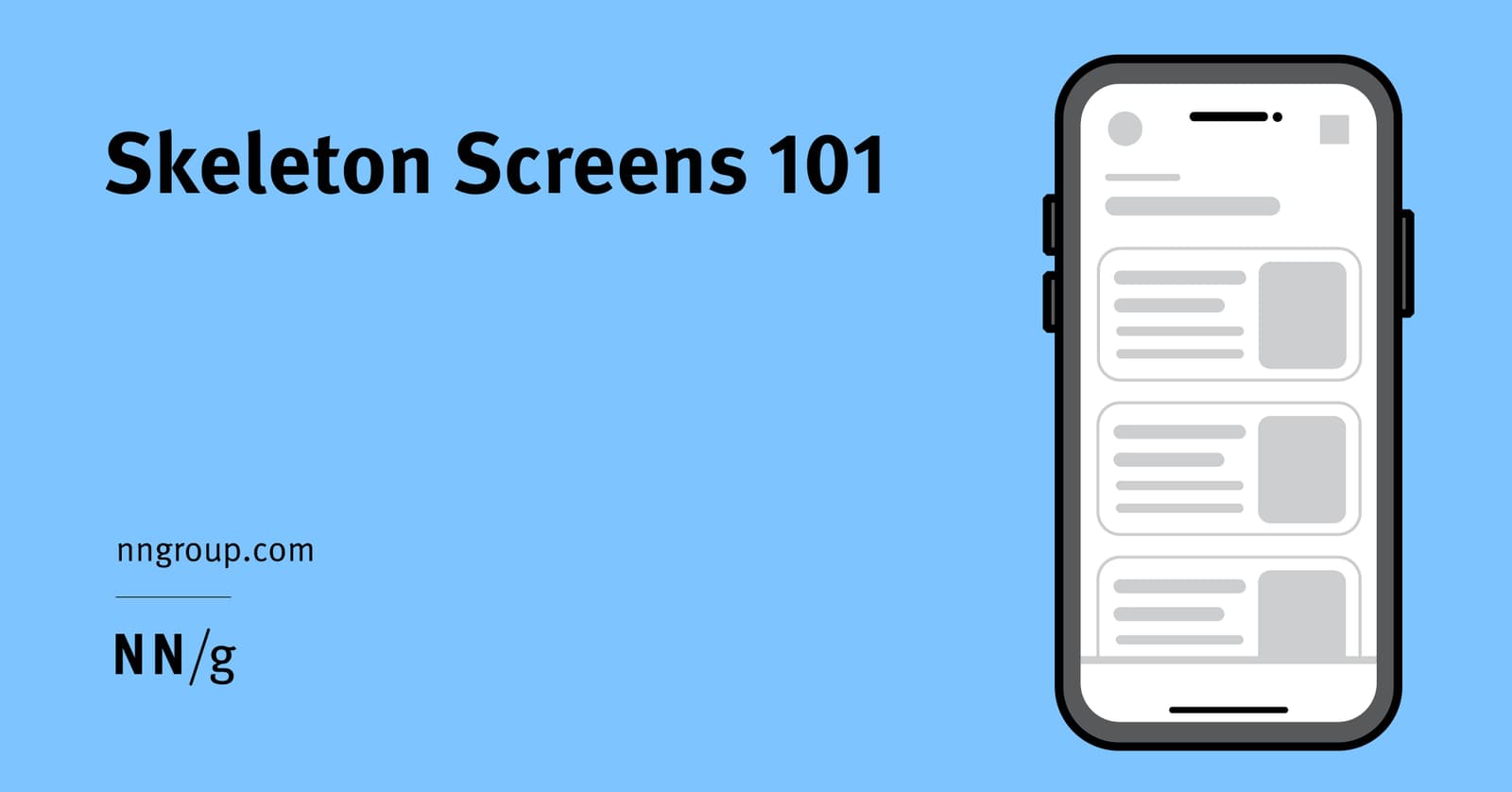
Skeleton Screens: Faster by Faking It
Skeleton screens create the illusion of speed by showing a wireframe-like preview of a page while content loads. They're used for full-page loads to set expectations about the layout. The footgun is showing just the app frame, which gives no structure.
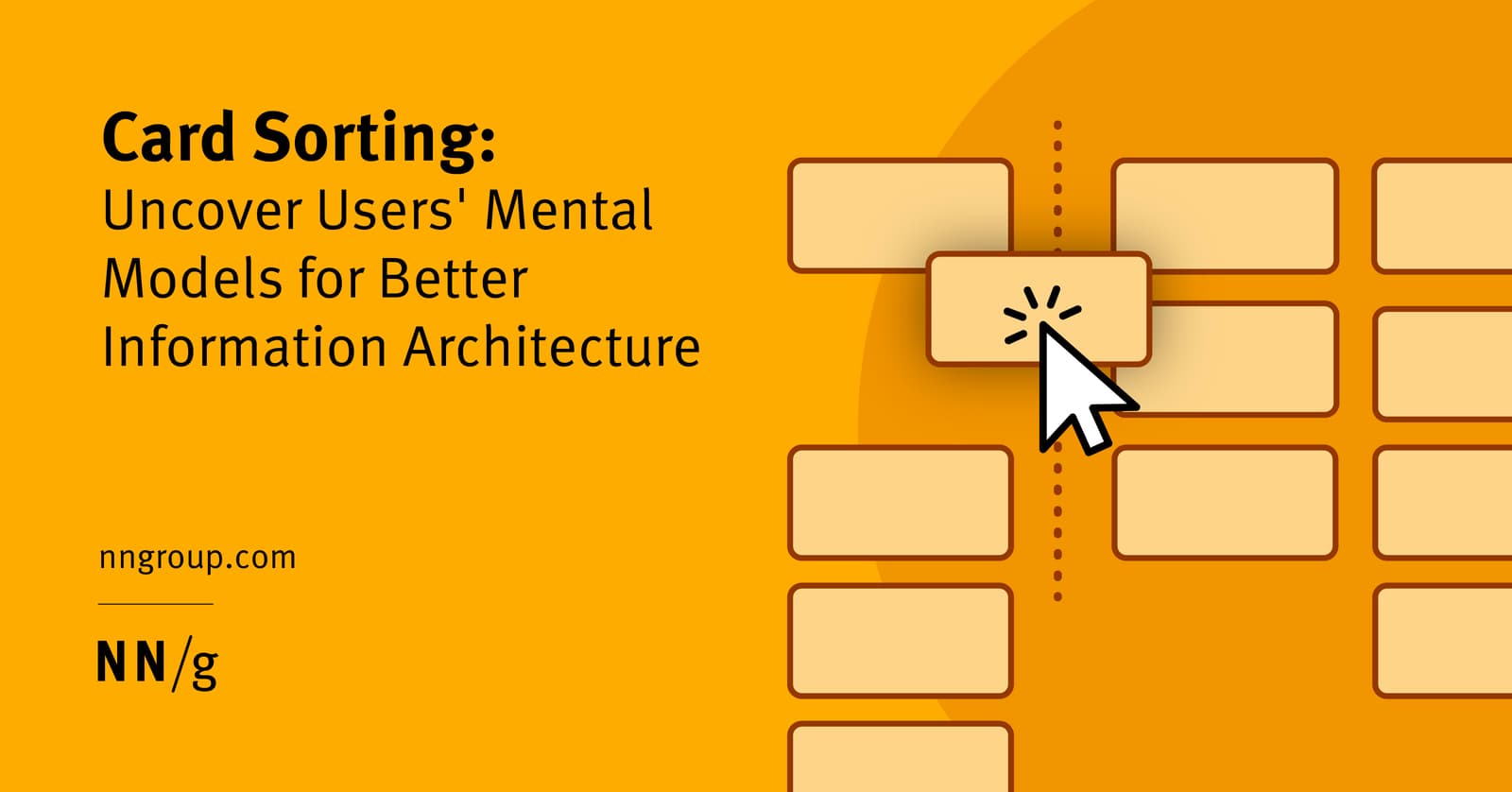
Open Card Sorting: Map Your User's Brain
Open card sorting reveals how users mentally group your content. You give them topics on cards and ask them to sort them into groups they create and name. It's ideal for designing intuitive navigation.
Figma Color Profiles: sRGB vs. Display P3
Figma's color profiles ensure consistent color across screens. Use sRGB for web standard compatibility or Display P3 for more vibrant colors on modern displays.

Wizard/Stepper Pattern: Guide Users Through Complex Tasks
A wizard or stepper pattern is like a recipe for a complex task, breaking a long process into numbered, manageable steps. It's ideal for multi-stage forms like onboarding or checkout flows.
Participatory Design: Designing With, Not For, Users
Participatory design means designing *with* users as co-creators, not just *for* them. It's used in software, architecture, and urban planning to ensure the final product truly fits the community.
Design System Changelogs: For Humans, Not Machines
A design system changelog translates code changes into human-readable impact. It's a curated notice for consumers—not a raw git log. It's essential for communicating new components, token updates, and breaking changes so teams can adopt updates safely.

Topic Cluster Model: Organize Content for SEO Authority
The topic cluster model organizes your site like a bookstore, with a main 'pillar' page for a broad topic and 'cluster' pages for subtopics. This signals expertise to search engines, helping you rank higher and appear in AI answers.
Writing Accessibility Docs for Your Components
Accessibility docs are the user manual for your component's a11y features. They guide consumers on correct usage, like required ARIA attributes or keyboard behavior.
Content Audit: Taking Stock of Your Website's Assets
A content audit is like a physical inventory for your website, cataloging every page and asset to decide what to keep, improve, or discard. It's crucial before a site redesign or migration. The footgun is treating it as a one-off project.
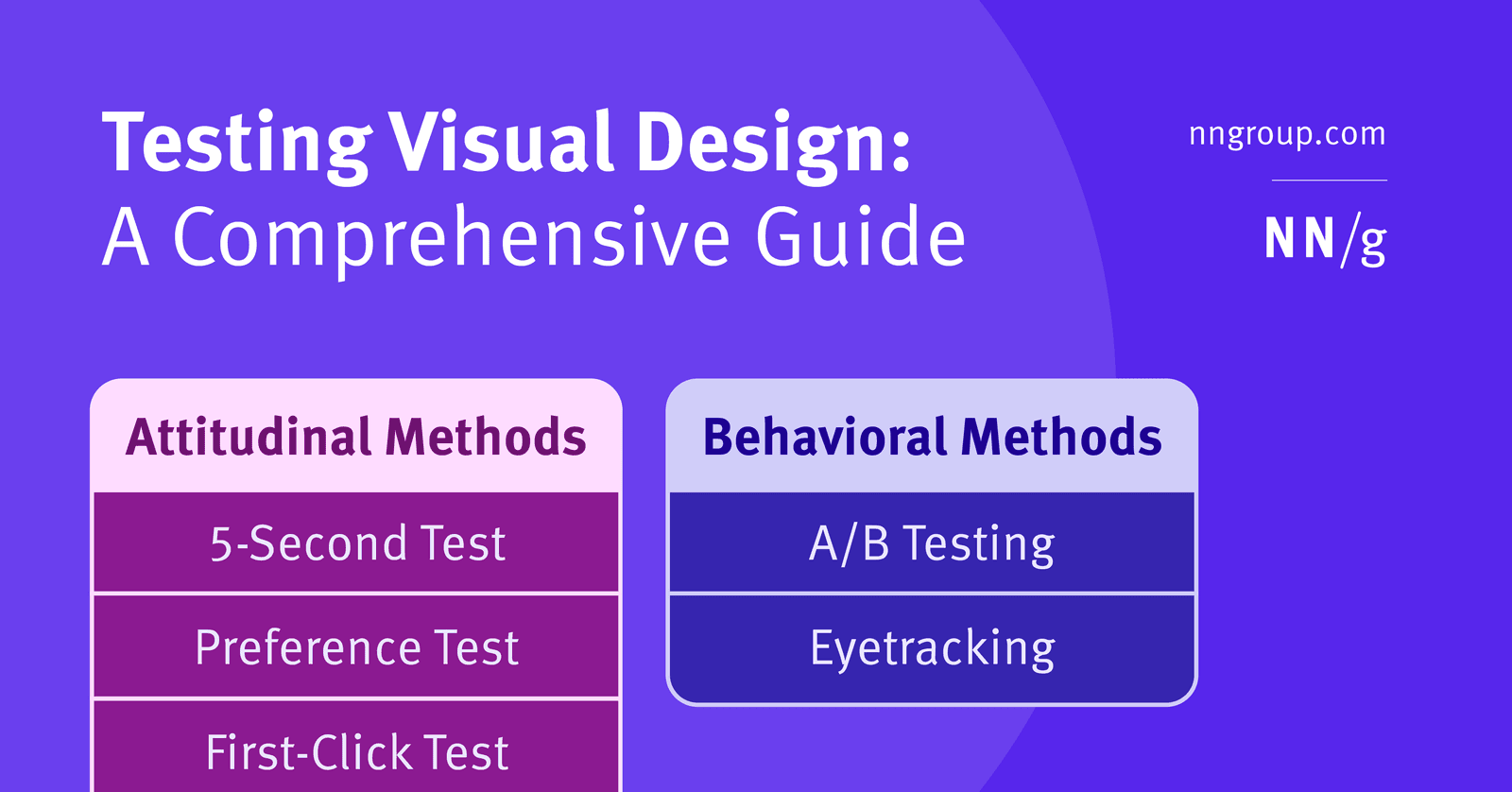
First Click Testing: Predicting Task Success with One Click
First Click Testing predicts if users can complete a task by tracking where they'd click first on an interface. If the first click is right, success is far more likely. It's used to validate navigation and UI clarity. The footgun is a poorly phrased task.
We are hiring for this. Every open role lists the topics its interview covers, so you can prepare for the real thing rather than guessing.
See open roles