Concepts in Design & UX, page 15
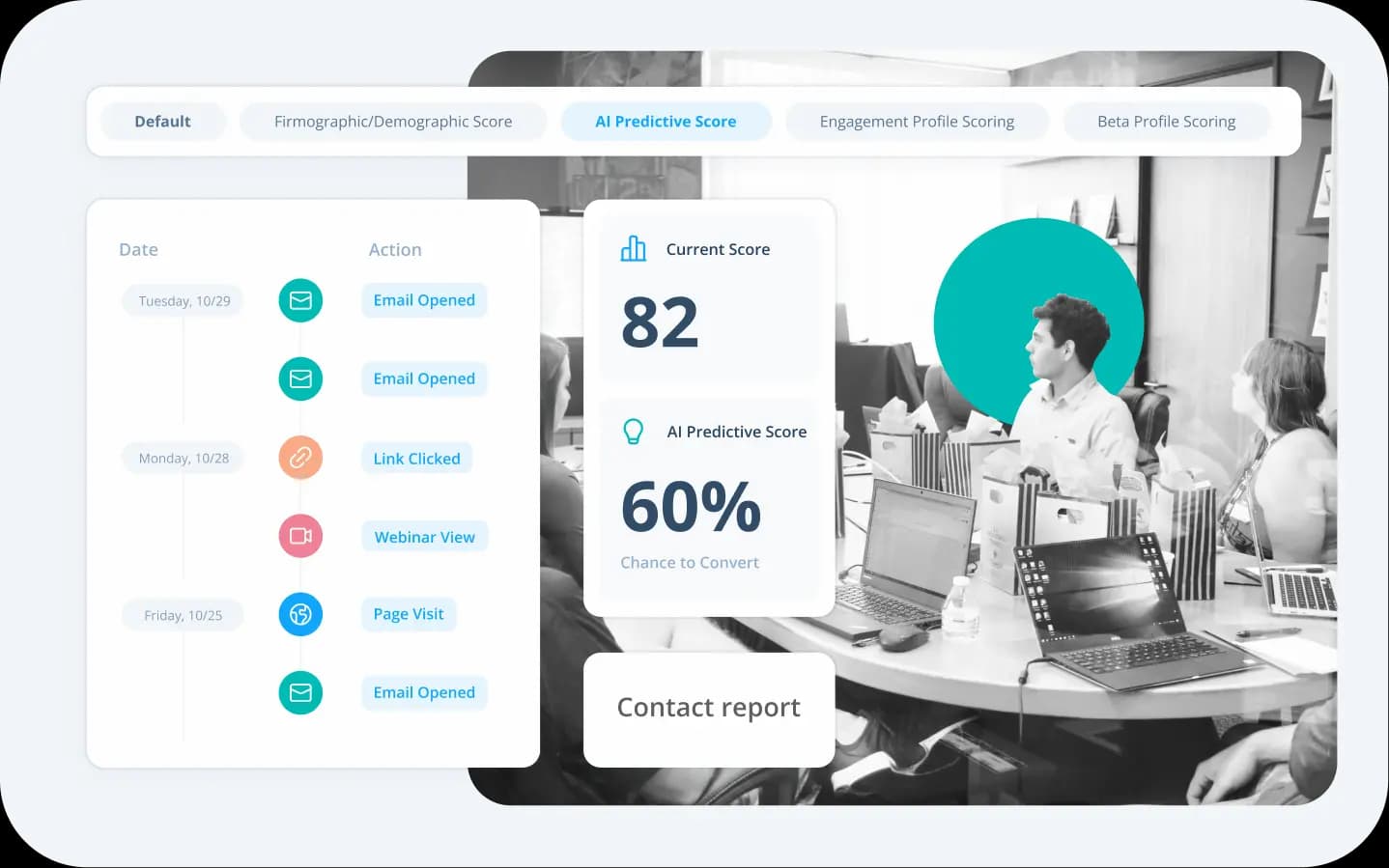
Email Deliverability: Getting Into the Inbox
Email deliverability is your sender reputation, determining if your message lands in the inbox or spam folder. It's crucial for all automated email, as a poor reputation means users miss critical info. The footgun is confusing delivery with deliverability.

Research Democratization: Scale Without Diluting Quality
Research democratization is controlled expansion, not chaos. Non-researchers run simple interviews while pros own complex design. It helps teams move fast when researchers are scarce, but the footgun is untrained staff picking methods or running quant studies.
Figma Versioning for Clean Developer Handoff
Treat Figma's version history like a Git commit log, not just an undo. Create named versions to give developers a stable, immutable design target for handoff, preventing them from building against a file that's still in flux.
Component Detachment Rate: A Design System Health Metric
Component Detachment Rate is a design system health metric, like customer churn. It tracks how often designers must break a component's link to its source to make custom changes, signaling that the component is too rigid or lacks needed variants.

Dynamic Email Content: One Campaign, Many Messages
Dynamic email content swaps out blocks of a single email based on who's reading it, like mail merge on steroids. Use it for local events or product recommendations based on past purchases. The footgun: it fails with bad data, sending nonsensical messages.
Figma Dev Mode: Visually Diff Your UI
Treat UI changes like a code diff. Figma's Dev Mode lets you visually compare component versions side-by-side or as an overlay. This helps you see exactly what changed between handoffs, preventing drift. The footgun is ignoring the code and property diffs.
Thematic Analysis: Finding Meaning in Qualitative Data
Thematic analysis turns messy qualitative data into clear insights. Instead of just counting words, you identify patterns of meaning—or themes—to understand the 'why' behind user feedback, interview transcripts, or support tickets.

Email List Hygiene: Quality Over Quantity
Think of list hygiene as pruning a garden: you remove dead contacts so engaged users thrive. This maintains sender reputation with providers like Gmail, ensuring messages land in the inbox.
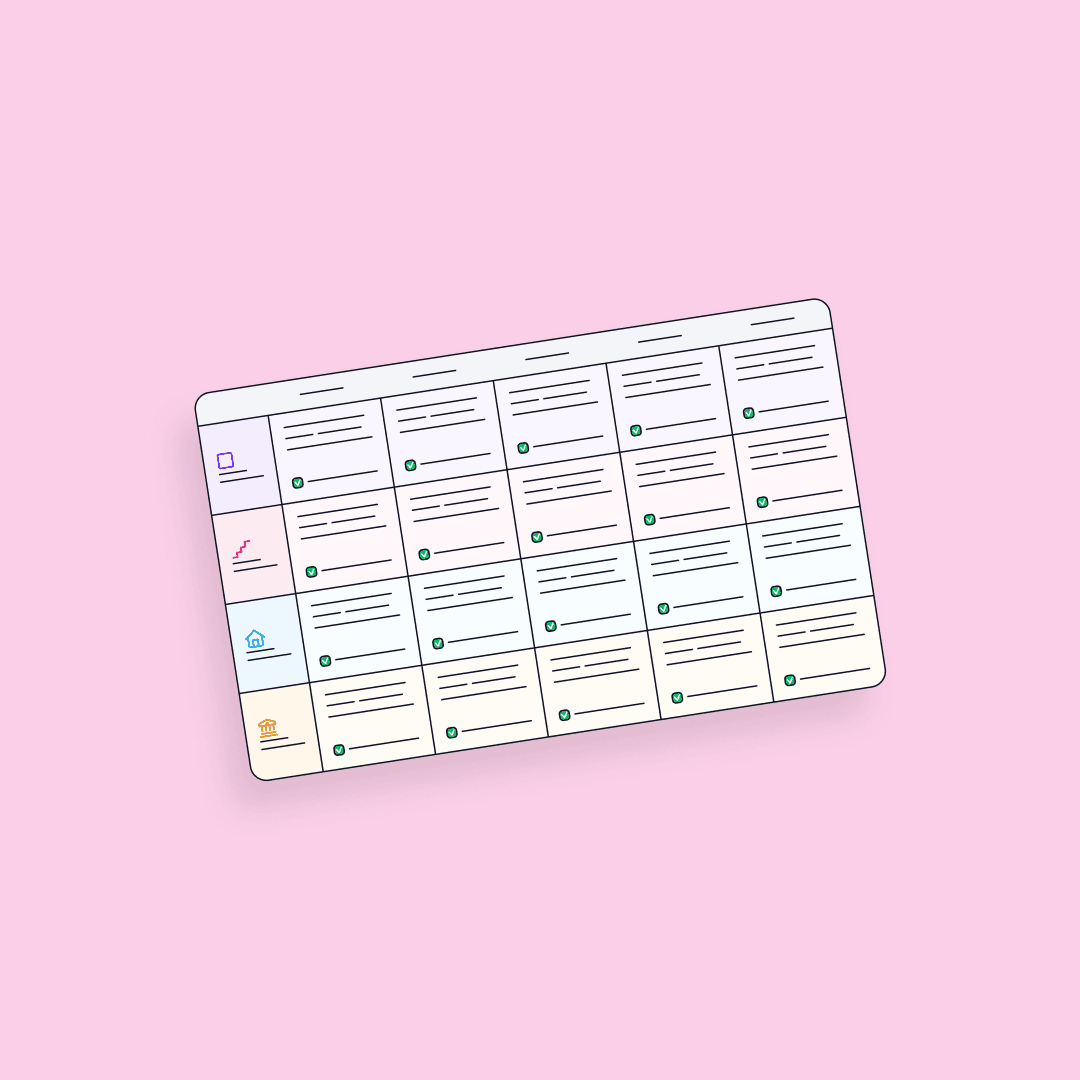
ResearchOps Maturity Matrix: Built for Operations
UX maturity scores insights; ResearchOps maturity scores the factory producing them. Use it to audit governance, participant pipelines, and tooling strategy. The mistake is judging research quality instead of operational infrastructure.
Figma Branching: A Sandbox for Your Design System
Branching in Figma is like Git for designers. It creates a safe copy (a branch) of your main file for experimentation, perfect for trying new ideas or updating components without risk.
Justifying a Design System with Cost-Benefit Analysis
CBA for a design system isn't a spreadsheet; it's a formal argument weighing upfront costs (dev time) against future benefits (faster shipping). Use it to pitch a new system or justify major components.

The Hook: Earning the Read After the Headline
A hook is the opening line that pulls a reader from the headline into your copy by creating a curiosity gap or emotional tension. It's critical in ads and sales pages where readers are distracted. The footgun: if the hook fails, the rest is ignored.
Build-Measure-Learn Loop: Experiment Over Intuition
Ship a small test, watch real reactions, and steer the next version by data instead of gut instinct. Use it when you must know fast if a business model is viable. The footgun is calling the first release a product instead of an experiment.
Figma's Organization Plan: Structure and Permissions
Think of a Figma Org as a company-wide container for all design work, providing unlimited teams, SSO, and shared libraries. The main footgun: confusing paid seats with permissions. A seat grants product access, but permissions control a user's actions.

Calculating Design System ROI
Frame a design system's value with ROI, not just best practices. This translates abstract benefits like speed and consistency into concrete cost savings, justifying the large upfront investment to management. The footgun is assuming its value is self-evident.
Click-Through Rate (CTR): Measuring What Resonates
Click-Through Rate (CTR) is the percentage of people who click a link after seeing it. It's a direct measure of how compelling your message is, used to gauge initial interest in ads, emails, and search results.

Proto-Persona: Sketch Users from Team Assumptions
A proto-persona sketches your team's user assumptions in a quick workshop, creating shared targets without new research. It aligns Lean teams, but the footgun is treating these guessed profiles as facts rather than hypotheses.
Figma Library Analytics: Measure Your Design System's Impact
Treat your design system like a product by measuring its adoption. Figma's Library Analytics shows which components and styles are actually used, guiding decisions on what to build, improve, or deprecate.

Lead Time for Changes: From Commit to Production
Lead Time for Changes measures the time from a developer's commit to that code running in production. It's a core DORA metric for assessing DevOps velocity. The key footgun is confusing it with 'Lead Time,' which tracks from idea to delivery.
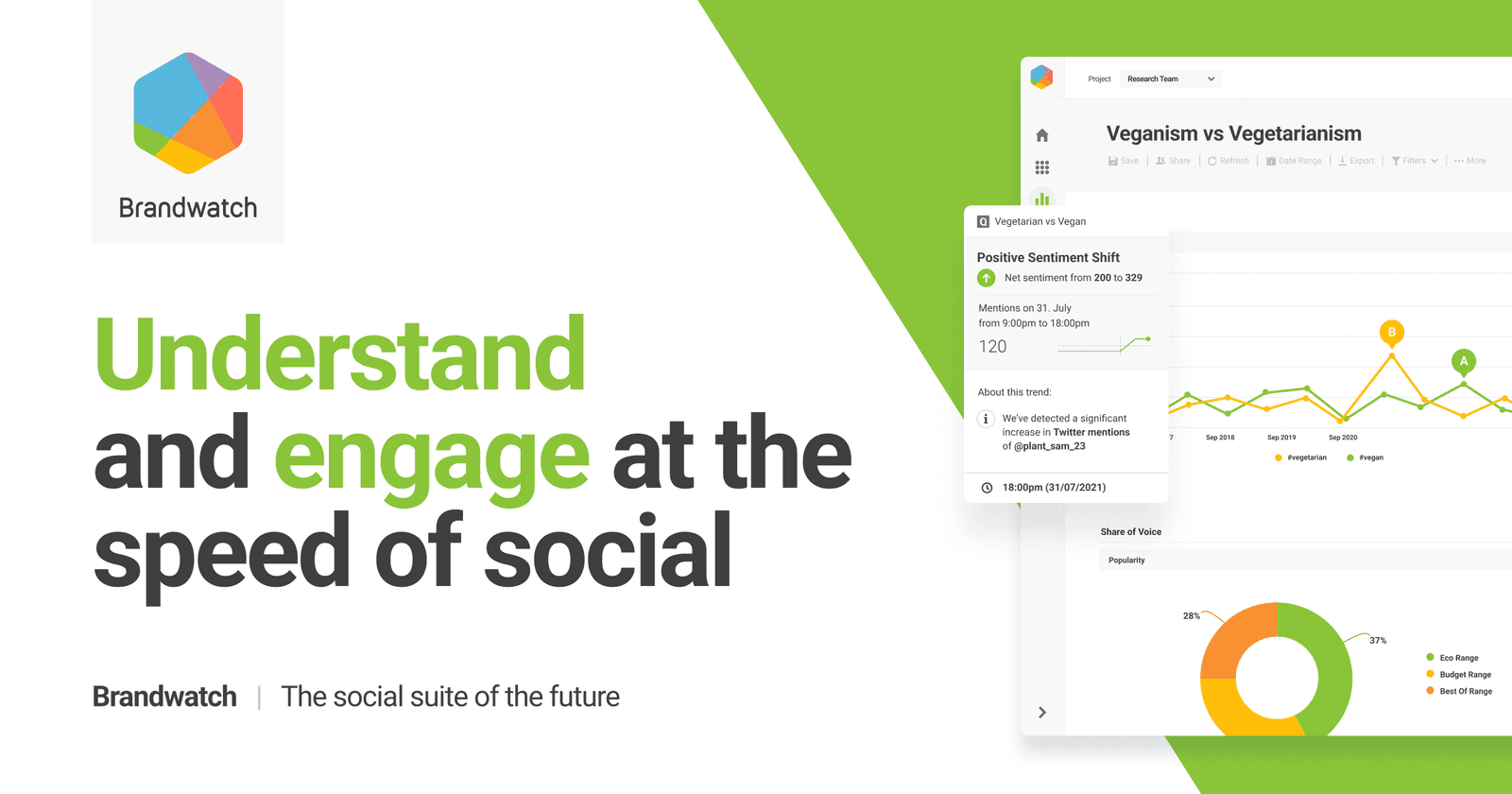
Hashtag Strategy: Metadata, Not Magic
Hashtags are metadata, not magic. A good strategy uses a few targeted tags to categorize content for search, signal relevance to algorithms, and connect with communities. The footgun is "spray and pray"—modern platforms favor 3-5 relevant tags over volume.
We are hiring for this. Every open role lists the topics its interview covers, so you can prepare for the real thing rather than guessing.
See open roles