Concepts in Design & UX, page 18
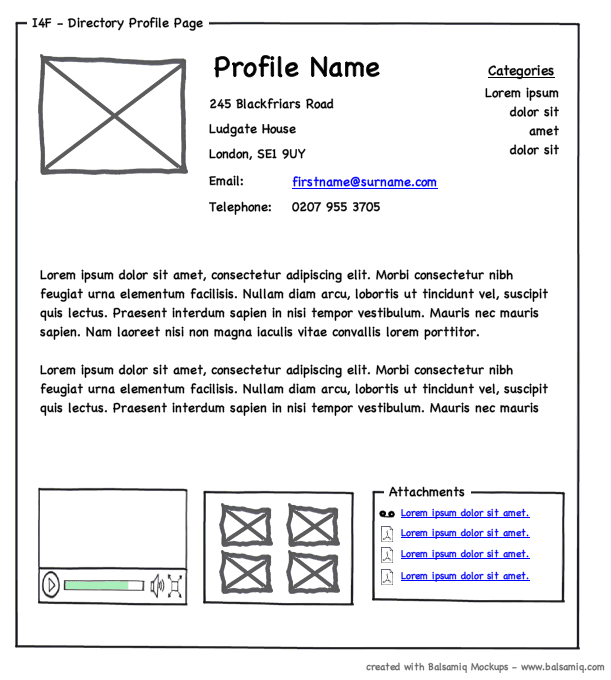
Wireframing: The Blueprint for Your UI
A wireframe is a UI blueprint that shows a screen's structure, not its visual design. Use it early to agree on layout and function before getting lost in colors and fonts. The footgun is adding too much detail, which distracts from its core purpose.
Theme Object: Your Design System's Single Source of Truth
A theme object is a central dictionary for your UI's design tokens, like colors and font sizes. It ensures consistency across components by providing a single, shared source for styling values.
Accessible Writing: Structure is Meaning
Accessible writing structures content for both humans and assistive tech. It applies to page titles, headings, and link text. The footgun is faking structure with visual styles instead of using semantic HTML, which leaves screen reader users lost.

GSR: Tracking Emotional Arousal Through Skin Conductivity
GSR reads unconscious arousal via skin conductivity you cannot control. UX teams use it to surface stress during usability tests users underreport. It measures intensity, not valence, so a spike alone cannot distinguish delight from frustration.
Iterative Design: Build, Test, Learn, Repeat
Iterative design is a cycle of building, testing, and refining based on user feedback. It's standard for app development, where you ship a basic version and improve it with data. The footgun is mistaking any change for iteration; it requires real user testing.
White-Label UI: Design Once, Rebrand Infinitely
White-label UI is like a WordPress theme for your product: a single design that other companies can rebrand. It lets agencies serve multiple clients without rebuilding the UI from scratch.
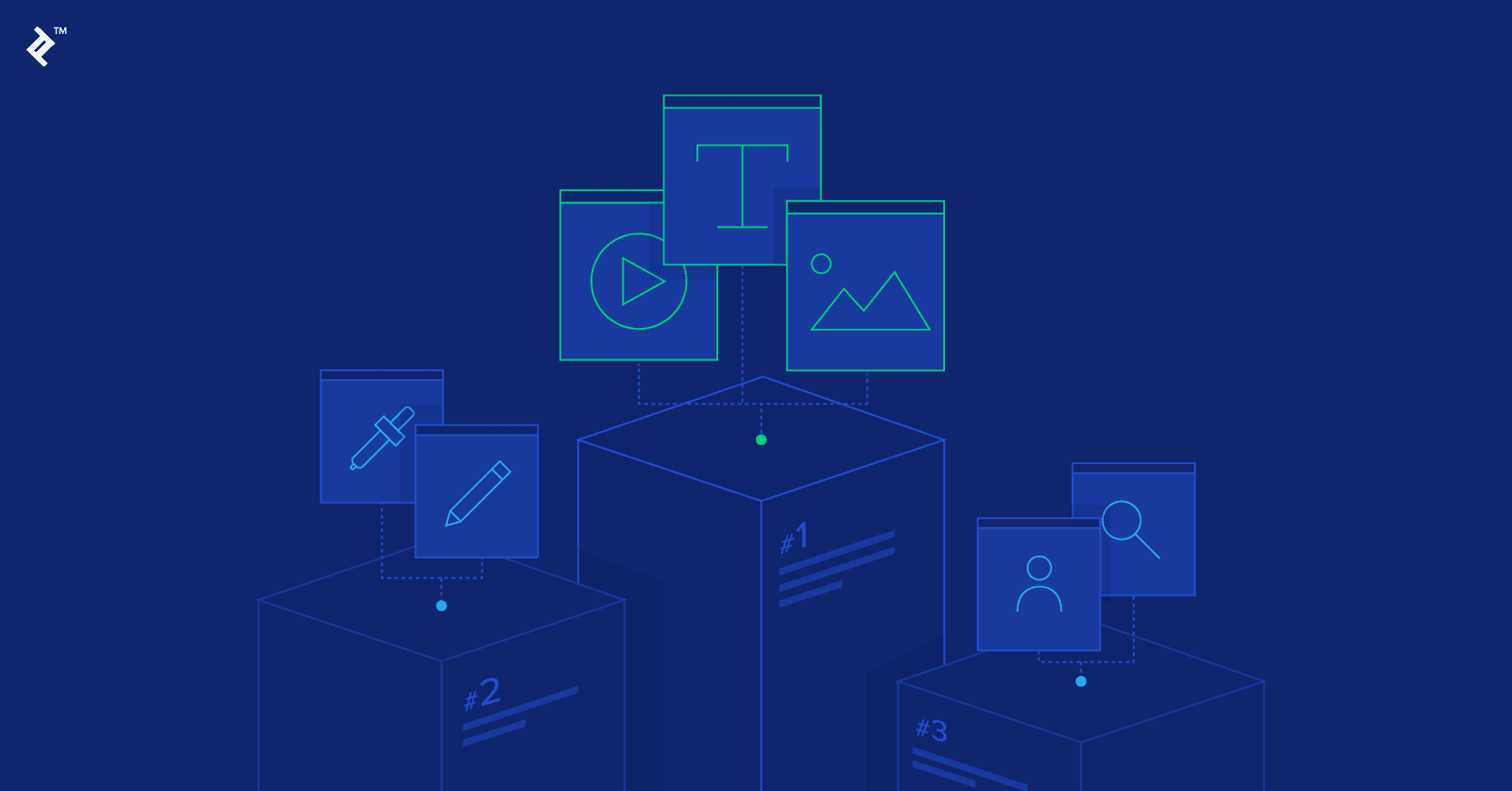
Content-First Design: Build the Page Around the Message
Content-first design means creating your interface around the actual text and media, not forcing content into a pre-made template. It prevents layouts from breaking when real data replaces placeholders.
Facial Expression Analysis in UX
Facial expression analysis captures subjective reactions during interaction for UX assessment. Researchers select it for targeted domains to uncover dynamic perceptions. The footgun is using it without matching the method to the study's constructs and context.
Low-Fi vs. High-Fi Prototypes: Test Ideas Fast vs. Polish for Realism
Low-fi prototypes are quick sketches to test core ideas and flows. High-fi prototypes are detailed, interactive mockups that look and feel like the final product. Use low-fi early for brainstorming and high-fi late for usability testing.

Dynamic Theme Switching with CSS
Let your app's theme automatically follow the user's OS setting. CSS's prefers-color-scheme media query lets you define styles for light and dark modes. The footgun is forgetting the 'no-preference' state, which can result in an unstyled default.

Conversational Design: Scripting a Dialogue, Not Just a UI
Think of conversational design as scripting a dialogue where the user is the main character. It's how voice assistants and chatbots create natural, two-way interactions.
Q-Methodology: Mapping Subjective Viewpoints
Q-methodology treats a person's viewpoint as the data. Clinicians track patient progress over time with it; researchers map how people think about a topic. The footgun is treating its findings as objective truth rather than captured subjectivity.

Usability Testing: Watch Real Users, Not Just Experts
Usability testing evaluates a product by observing real, first-time users interact with it, revealing flaws that designers often miss. It's used to validate design intuitiveness before launch.
Information Scent: Guiding Users to Their Goal
Users hunt for information like animals forage for food, following a trail of cues. This applies to website navigation, headlines, and link text, where clear 'scents' guide users to their goal. The footgun is using vague labels that weaken the scent.

UX Maturity: Six Stages of Organizational UX
UX maturity maps how deeply user-centered design lives in an organization, from ignored to user-driven. It matters when scaling research or justifying headcount.
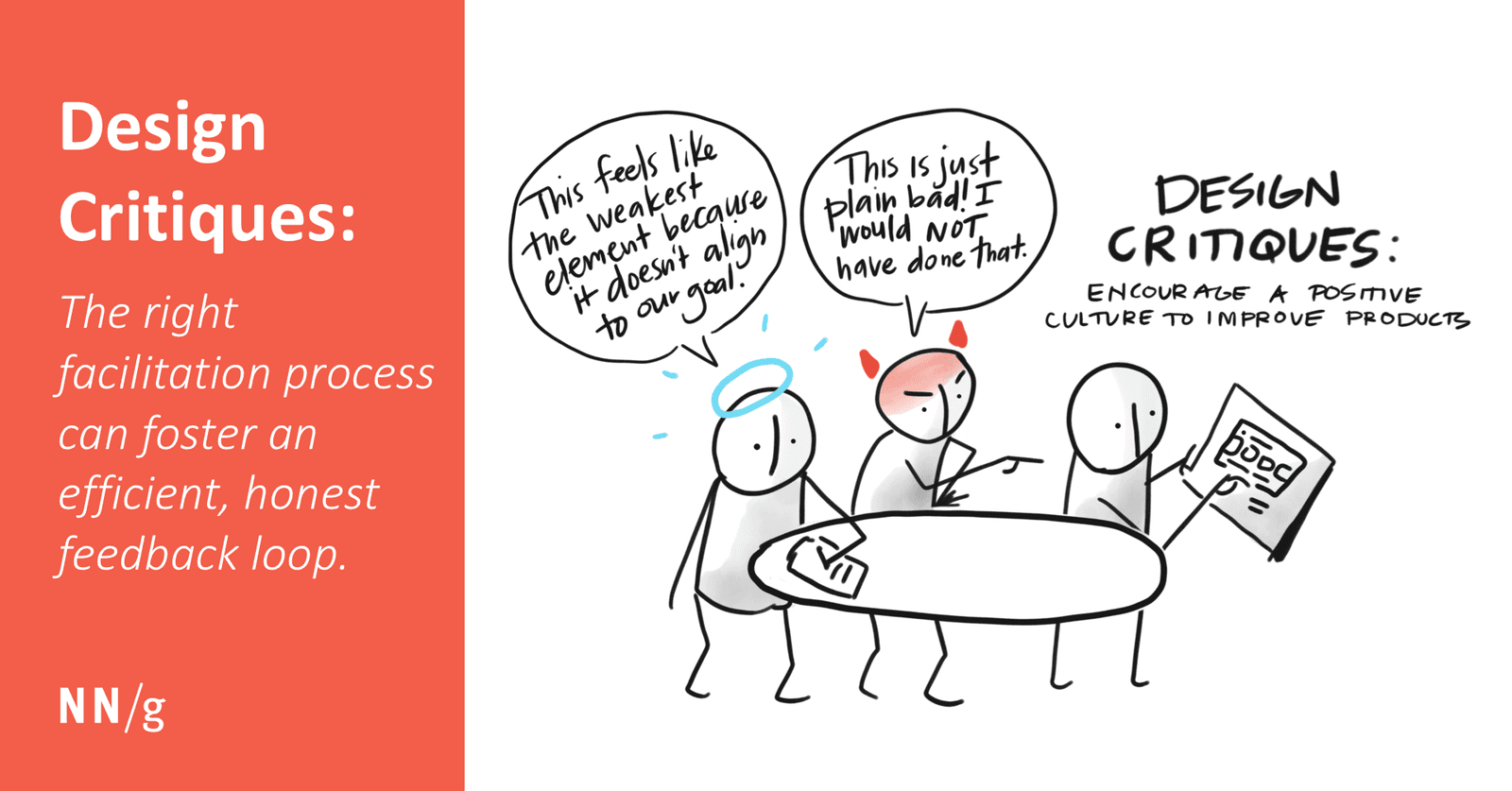
The Design Critique: Improving Work with Focused Feedback
A design critique is a structured conversation to measure a design against its goals, not a session for subjective opinions. It helps get early feedback on feasibility or catch inconsistencies.
CSS `color-scheme`: Opting Into Browser UI Themes
The color-scheme property tells the browser your site supports light/dark modes, automatically styling UI like scrollbars and form controls to match the user's OS preference.
UX Copy Localization: More Than Just Translation
UX copy localization adapts UI text to a new market's cultural and linguistic norms, going beyond literal translation. It's critical for onboarding flows, error messages, and button labels.
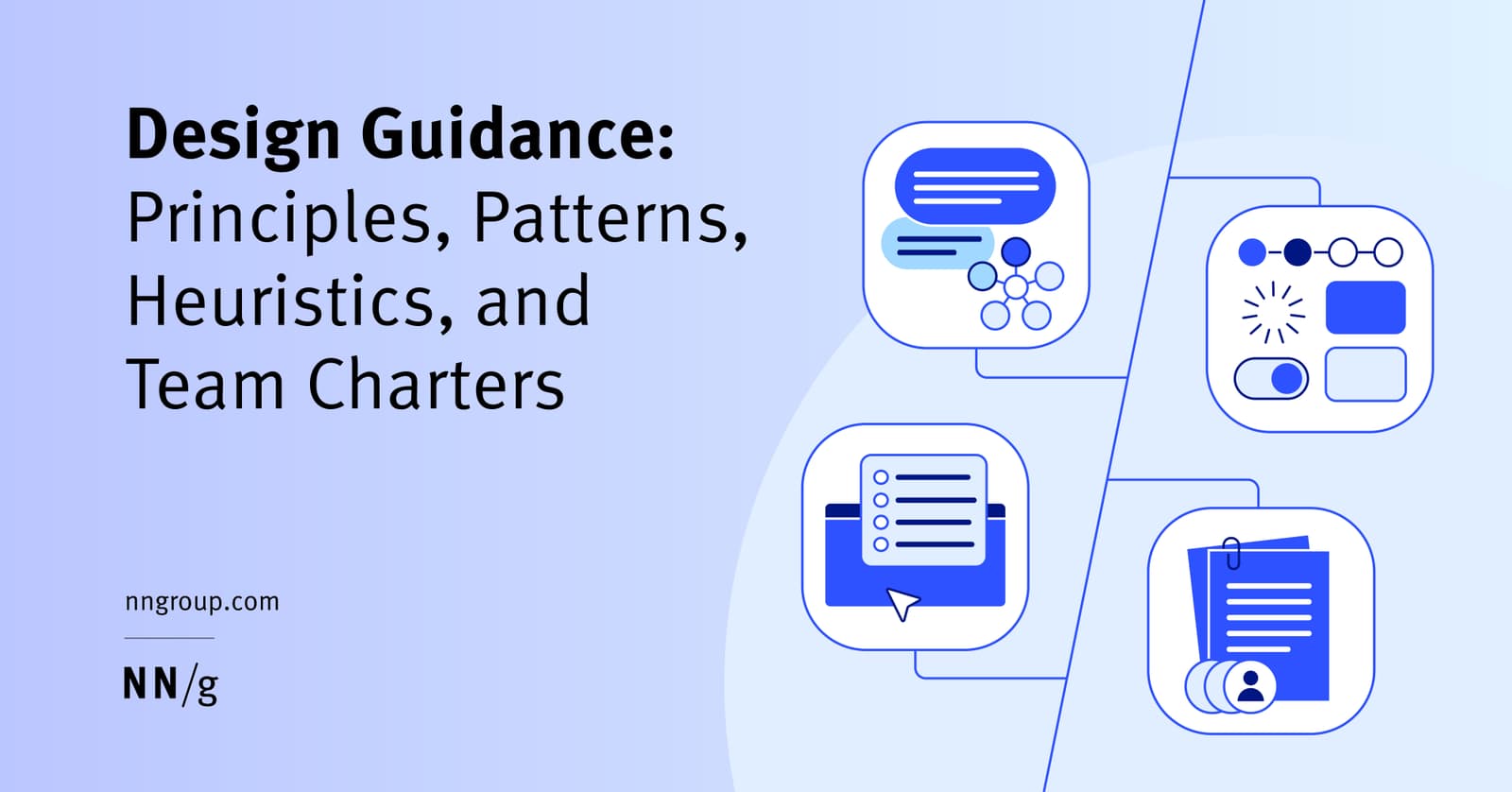
Team Charter: Shared Agreements for Collaboration
A team charter is the operating agreement that keeps collaboration aligned, distinct from the design rules the team produces. Teams use it to establish shared norms alongside principles and heuristics.
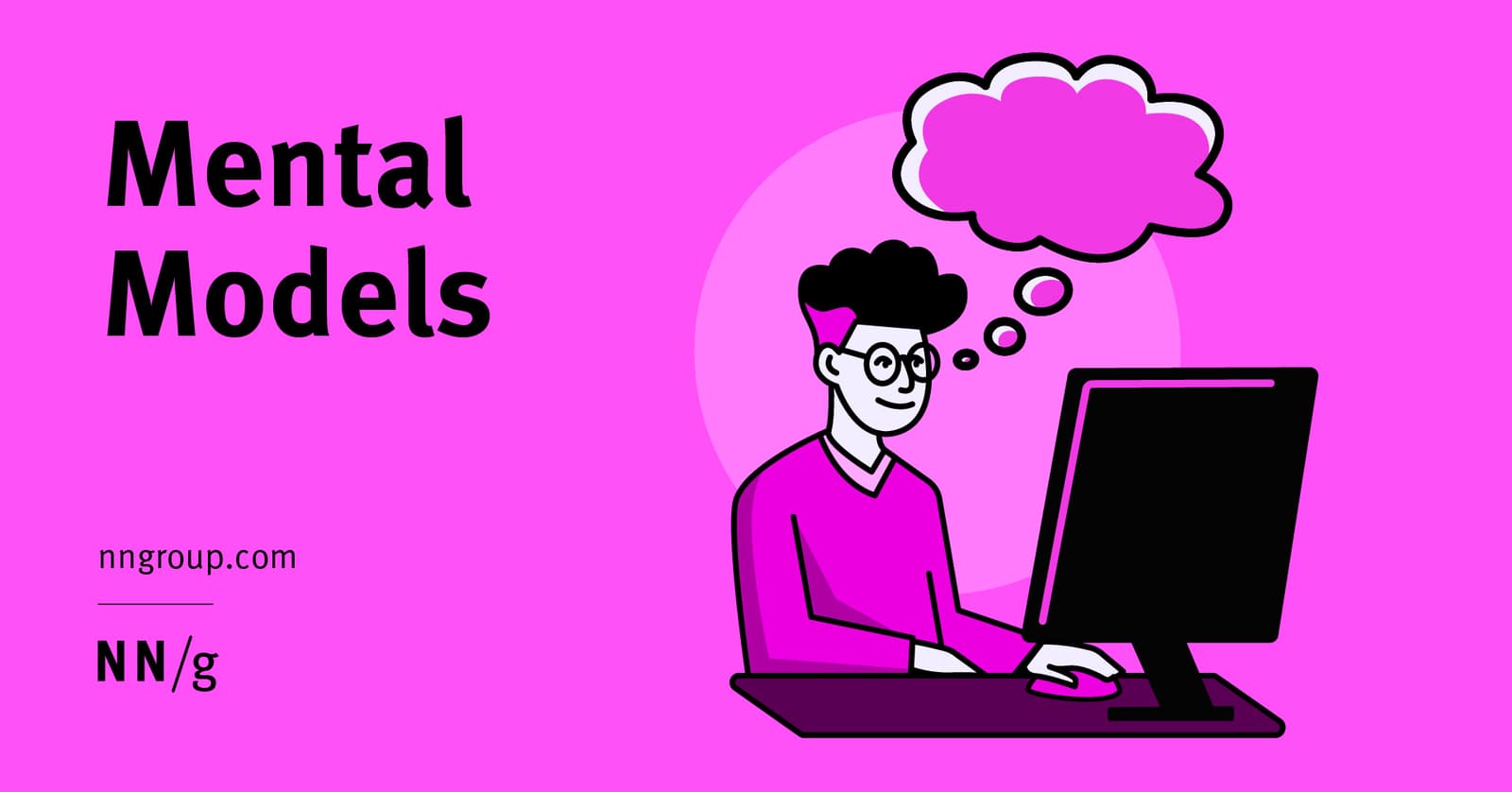
Mental Models: Design for What Users Believe
A mental model is the user's internal story of how your UI works, based on past experiences, not your design spec. This is why users expect your site to work like others they've used. The footgun is assuming users share your expert model; they don't.
We are hiring for this. Every open role lists the topics its interview covers, so you can prepare for the real thing rather than guessing.
See open roles