Concepts in Design & UX, page 3
Institutional Review Board (IRB): Your Research Ethics Checkpoint
An IRB is an ethics committee that acts as a mandatory checkpoint for research involving human subjects. Before running user studies or surveys, especially in academic or medical settings, you must get their approval.
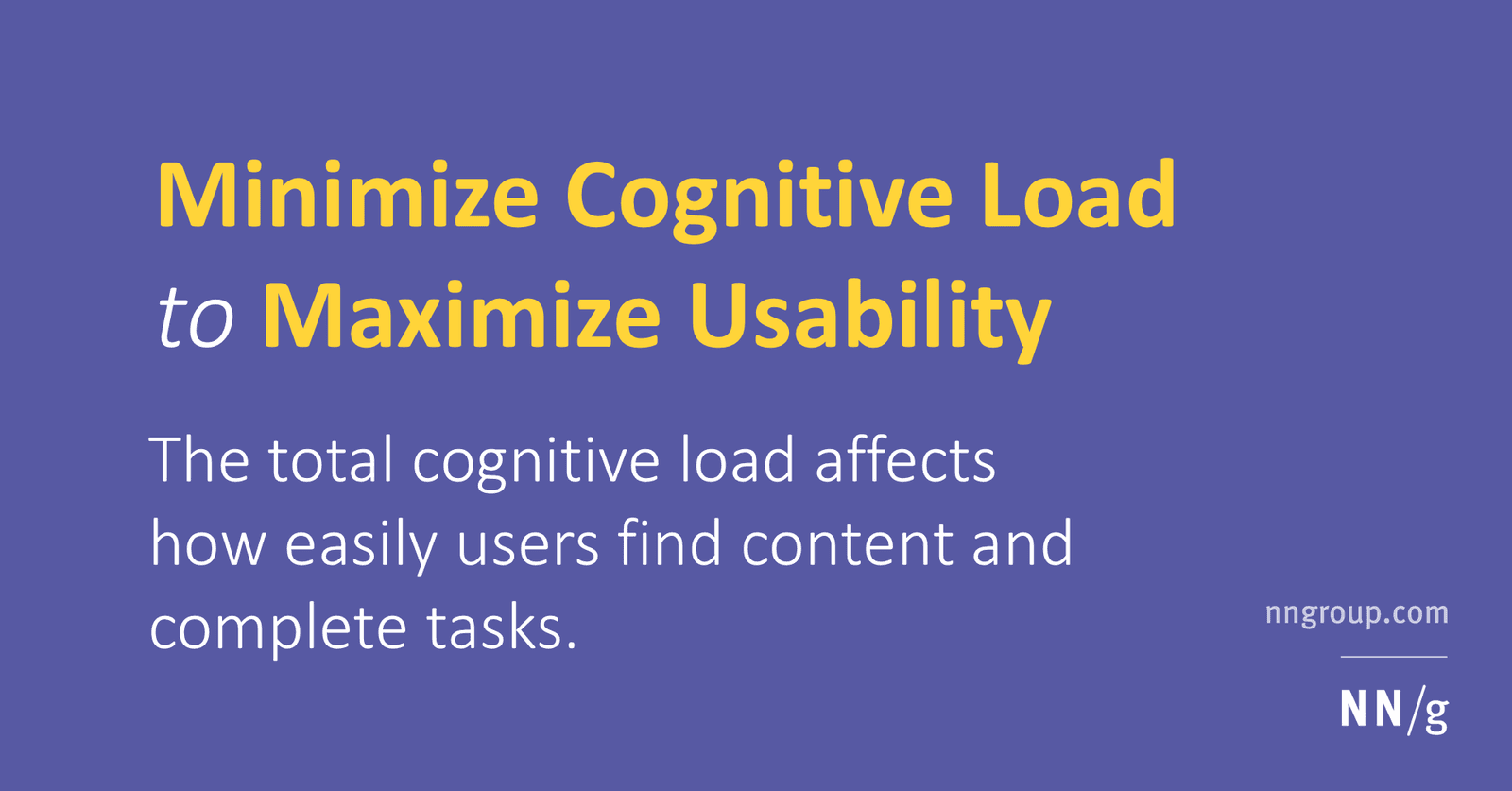
Cognitive Load: Don't Make Users Think (Too Hard)
Think of a user's brain like a computer with limited RAM; cognitive load is the processing power your UI demands. High load from cluttered interfaces slows users down, causing them to miss details or abandon tasks.

Spacing Scales: Using Multiples for Consistent UI
A spacing scale builds consistent UI layouts from a limited set of values, usually multiples of a base unit like 8px. It's used for everything from button padding to page gaps. The footgun is using arbitrary pixel values, which breaks the system's rhythm.
Competitive Analysis: Sizing Up the Competition
Competitive analysis is systematically assessing rivals' strengths and weaknesses to find your own edge. It helps identify market opportunities and threats before you act. The footgun is focusing only on direct competitors and missing the indirect ones.

GDPR for UX Research: Beyond the Consent Form
GDPR forces you to treat user data with respect: collect only what you need for a specific purpose and keep it safe. It applies to all research involving personal data from EU residents. The biggest footgun is collecting data "just in case."
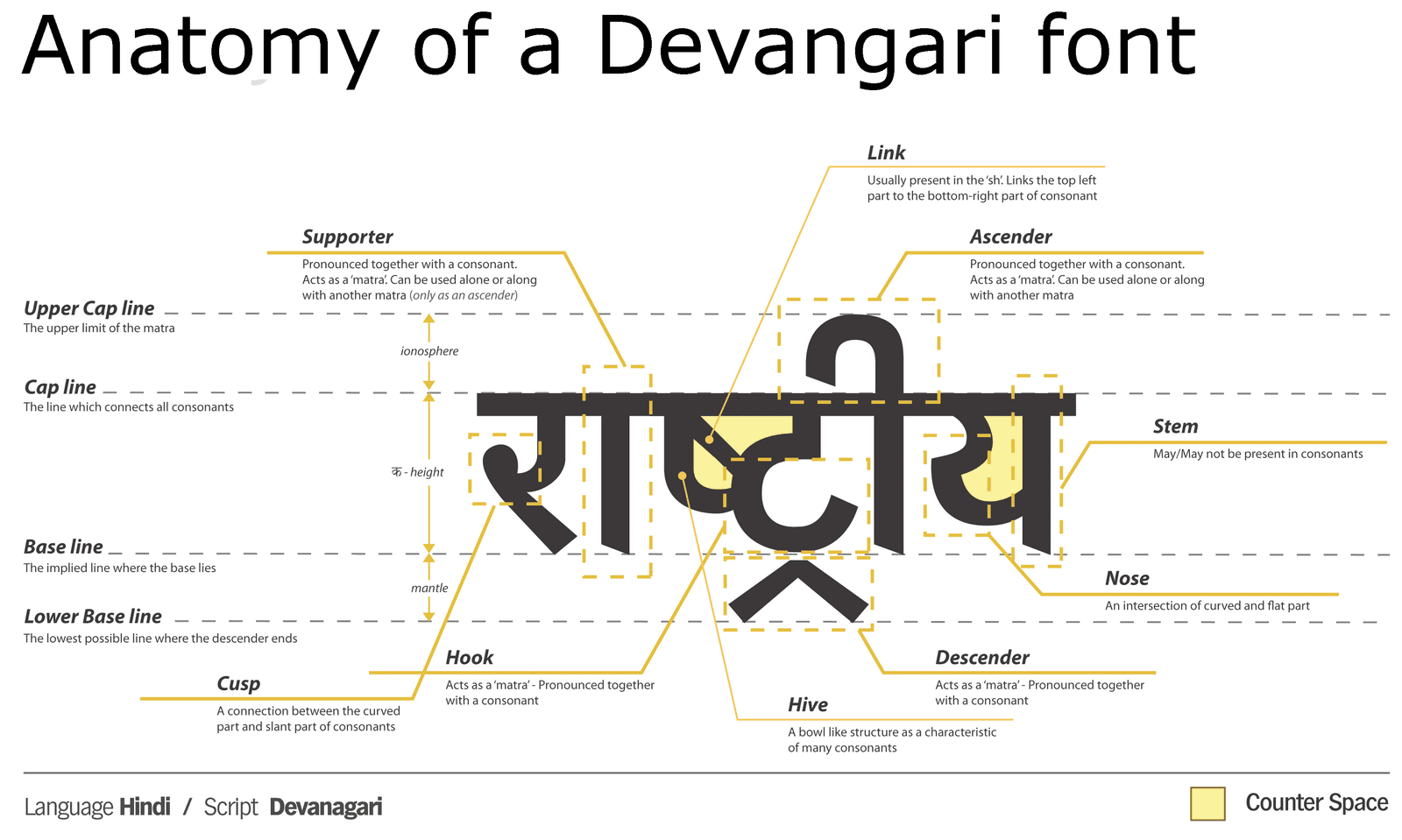
Anatomy of a Typeface: Why Letters Lie to Your Eyes
Typeface anatomy is a system of optical illusions. Letters are drawn with inconsistent dimensions to appear uniform. This is why a circle must be taller than a square to look the same size. The footgun is trusting bounding boxes over your eyes for alignment.
WCAG Color Contrast: The 4.5:1 Rule for Readability
WCAG contrast ratios ensure text is readable for people with low vision by measuring relative luminance, not just color. Standard text needs a 4.5:1 ratio against its background.
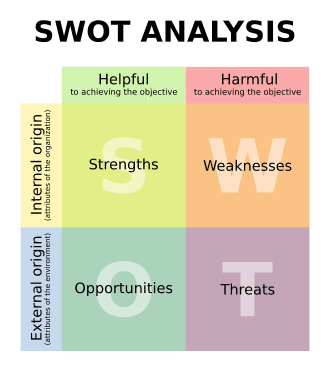
SWOT Analysis: A Structured Brainstorming Framework
SWOT analysis is a 2x2 grid for decision-making, mapping internal factors (Strengths, Weaknesses) against external ones (Opportunities, Threats). Use it for strategic planning or project evaluation.
Deception: The Core Concept
Deception is the act of convincing someone of untrue information that the sender knows is false. It's often done for personal gain and relies on the receiver's lack of knowledge about the truth.

RGB vs. HSL: Two Ways to Tell a Computer 'Color'
RGB tells a computer how to mix light (Red, Green, Blue), while HSL describes color how humans perceive it (Hue, Saturation, Lightness). Use RGB for brand colors and HSL for intuitive variations. The footgun is creating low-contrast UIs that are unreadable.

Vertical Rhythm: A Formula for Consistent Spacing
Vertical rhythm is a system for consistent spacing derived from your body text's line height. Use this calculated unit between all elements—paragraphs, lists, and after headings—to create harmony.
Survey Research: How to Ask Better Questions
Survey research is the science of asking the right questions to the right people. It's used in market research and user feedback to understand a population. The footgun: assuming any questionnaire yields truth. Biased questions or samples create garbage data.

UX Research Questions: The 'Why' Before the 'What'
A research question is your study's North Star—the high-level "why" you're conducting research, not a question you ask users. Before writing an interview guide, define these to keep your study focused.

Rule of Thirds: Guide the Eye, Don't Just Center
Don't center your subject; place key elements along the lines or intersections of a 3x3 grid. This creates a more dynamic, visually interesting composition in photos and UI layouts. The footgun is treating it as a rigid law; sometimes centering is better.
CSS clamp(): Fluid Sizing Without Media Queries
CSS clamp() sets guardrails for a value, letting it scale fluidly but never going outside a min/max bound. It's ideal for responsive typography, allowing font-size to grow with the viewport. The footgun: the preferred value is ignored at extreme screen sizes.
Audience Segmentation: Stop Shouting at Everyone
Instead of one message for your entire market, audience segmentation creates tailored messages for specific subgroups. It's used in email and ads to boost relevance and profit. The footgun is over-segmenting into groups too small to be profitable.
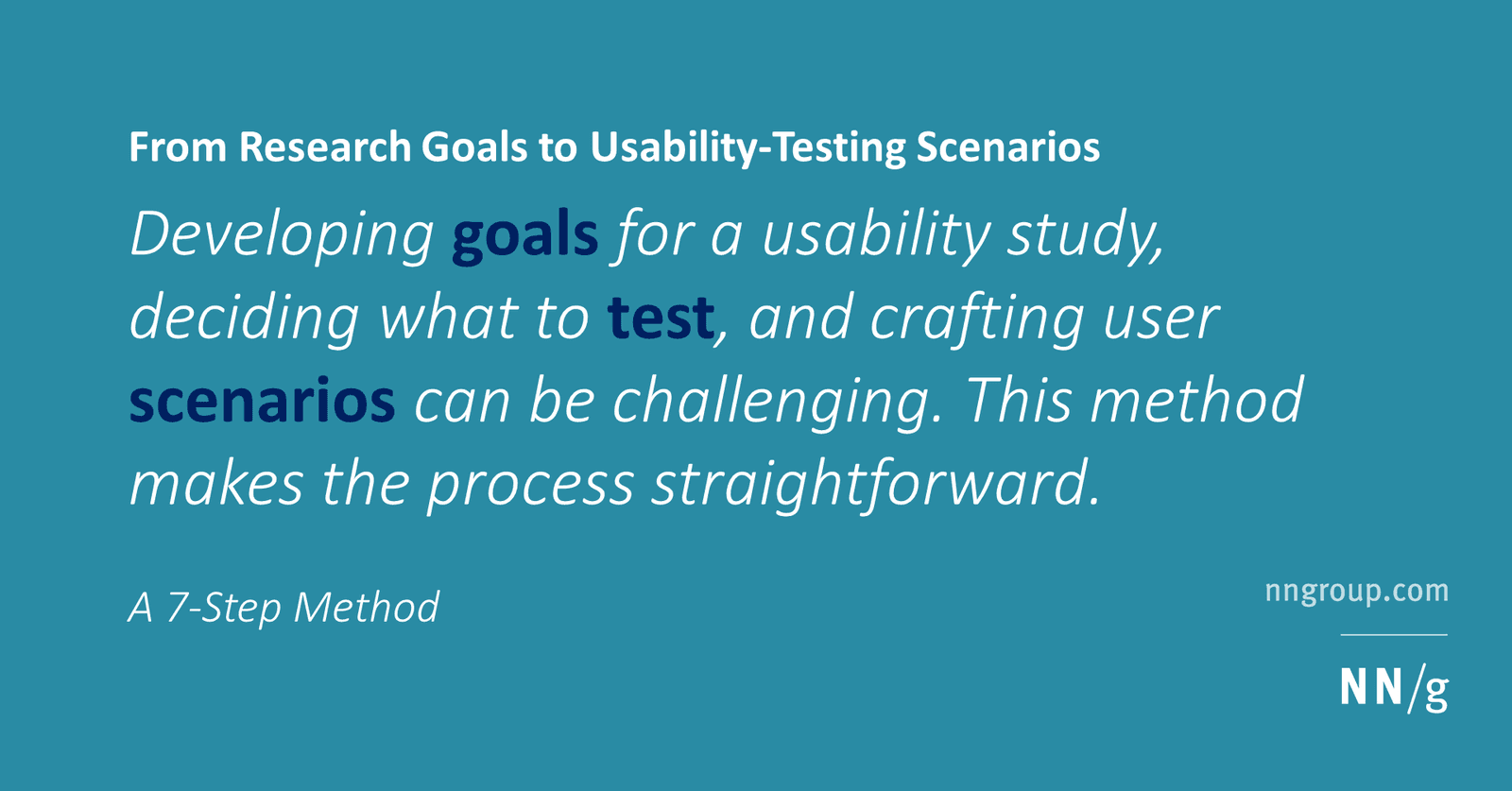
Research Objectives: From 'What If' to 'What to Test'
Research objectives translate vague business worries into specific, testable questions about user behavior. They are the blueprint for your study, ensuring you test what matters.
Color Schemes: The Logic of Color Harmony
A color scheme is a logical combination of colors to achieve a goal, not just a random palette. It's used in UI design for brand consistency, in data viz to encode information, and in safety systems for high visibility.
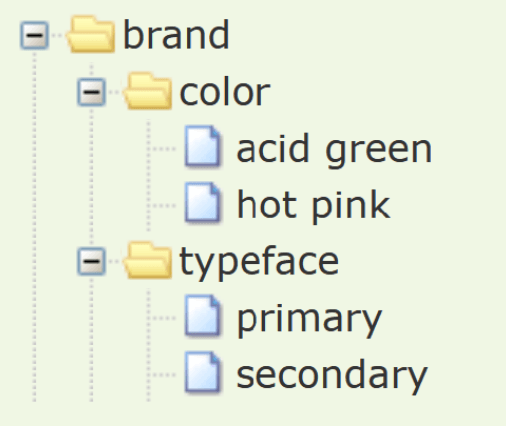
Token Tiers: From Raw Values to Component Properties
Token tiers layer your design system from abstract to concrete: raw values become semantic names, which then style components. This lets you change a core color and see it update everywhere.

User Interviews: Uncover Needs, Not Just Test Designs
User interviews are structured conversations to understand the 'why' behind user actions, not just 'what' they do. Use them in discovery to learn user motivations and pain points, informing personas and journey maps.
We are hiring for this. Every open role lists the topics its interview covers, so you can prepare for the real thing rather than guessing.
See open roles