Concepts in Design & UX, page 4
WCAG Color Contrast: A Readability Score, Not an Opinion
WCAG color contrast is a mathematical ratio ensuring text is readable for people with vision impairments. Use it for all text and UI elements. The footgun is only testing on a good monitor or forgetting that large text has a lower 3:1 requirement.

LCH Color: More Vivid, Predictable UI Colors
LCH is a color space that aligns with human perception. It fixes HSL's broken lightness and unlocks 50% more vivid colors on modern screens. The footgun: LCH hue angles don't match HSL's; 0° is magenta, not red, so you can't just swap them.

Keyword Research: Find What Users Actually Search For
Keyword research is reverse-engineering user demand. Instead of guessing, you find the exact phrases people search for. It's crucial for SEO and content strategy, ensuring your work meets real needs.

Research Hypothesis: A Testable Bet on Reality
A research hypothesis is a testable bet about user behavior, not just a guess. It frames A/B tests by turning an observation into a statement you can prove or disprove. The footgun is confusing it with a theory; a hypothesis is a starting point, not.

SVG: Code-Based, Infinitely Scalable Graphics
Think of SVG as HTML for graphics. It's an XML file with drawing instructions, not pixels, so images scale perfectly. It's ideal for logos and icons on responsive sites. The footgun: SVGs can contain JavaScript, posing a security risk (XSS) if not sanitized.
Automated Token Pipelines: A Single Source of Truth
Automated token pipelines turn design decisions into code, using a standard format to sync styles from design tools to production. This is critical for multi-platform systems, preventing drift.
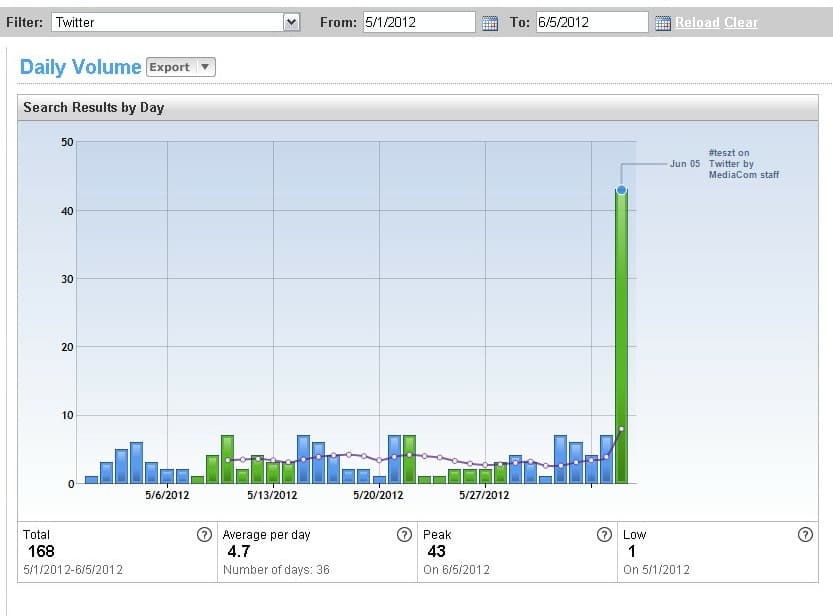
Social Listening: Tracking Unsolicited Customer Feedback
Social listening is like being a fly on the wall, hearing what customers say when you're not asking. Marketers use it to track brand sentiment and find pain points. The footgun is just counting mentions instead of analyzing the 'why' behind them.

Screener Surveys: Your Filter for Valid User Research
A screener survey is your filter for finding the right research participants. It ensures your study includes representative users, not just anyone, by asking questions about their behaviors and demographics.
.png&w=1600&q=75)
Icon System Design: Build Once, Use Everywhere
Treat icons as reusable building blocks, not one-off graphics. A systematic setup in Figma ensures consistency and speeds up your entire design process. The footgun is skipping standardization, which creates tedious overrides and visual debt later on.
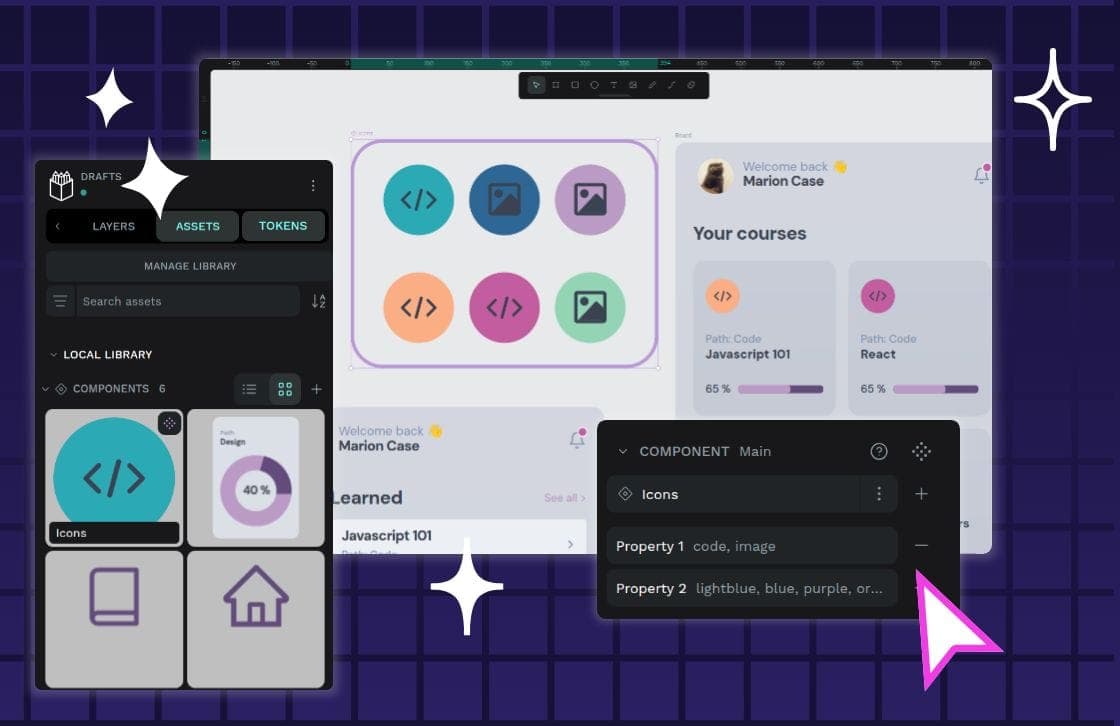
Component Variants: One Component, Many Forms
Component variants are like Lego bricks for your UI: one block can build many things. Instead of creating a unique component for every button state or size, you define properties to manage its variations.

Focus Groups: A Guided Conversation, Not a Survey
A focus group is like a guided dinner party for your product. You gather a small, specific group to discuss a concept, revealing qualitative insights and group dynamics that one-on-one interviews miss. It's for exploring 'why,' not measuring 'how many.'

How to Choose a UX Research Method
Map your research question to a 3D space: what people say vs. do (attitudinal vs. behavioral), and direct observation vs. indirect measurement (qual vs. quant). This helps you select the right tool, from surveys to A/B tests.

Kerning, Tracking, and Leading: Spacing in Typography
Kerning adjusts space between two letters, tracking adjusts space across a whole word, and leading controls vertical line spacing. These are used in UI and branding to improve readability. The footgun is confusing kerning (pairs) with tracking (groups).
Component Composition: Treat a Group Like an Individual
Component composition treats a group of objects the same as a single one. This allows building complex UIs by nesting simple components, like putting a Button inside a Form. The footgun is creating monolithic components instead of small, reusable ones.
Voice of the Customer: Build What People Actually Want
Voice of the Customer (VoC) means capturing user needs in their own words, not your team's jargon. It's used to prioritize features and write marketing copy that resonates. The footgun is treating it as a one-off survey instead of a continuous feedback loop.
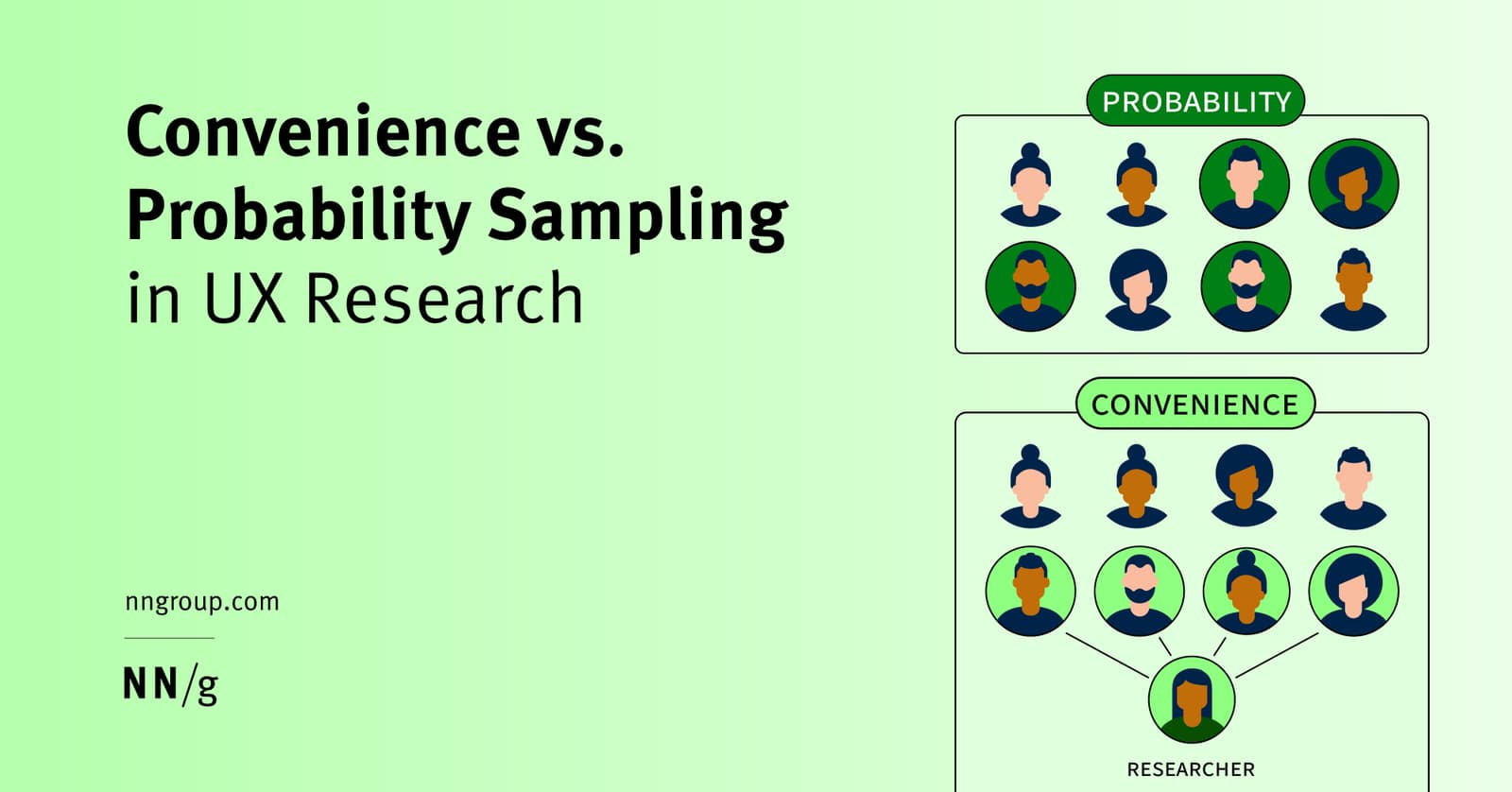
UX Sampling: Convenience vs. Probability
Convenience sampling is fast and cheap—ask whoever is easy to reach. Probability sampling is rigorous—ask a random slice of your population. Use convenience for quick usability tests, but probability for high-stakes decisions.
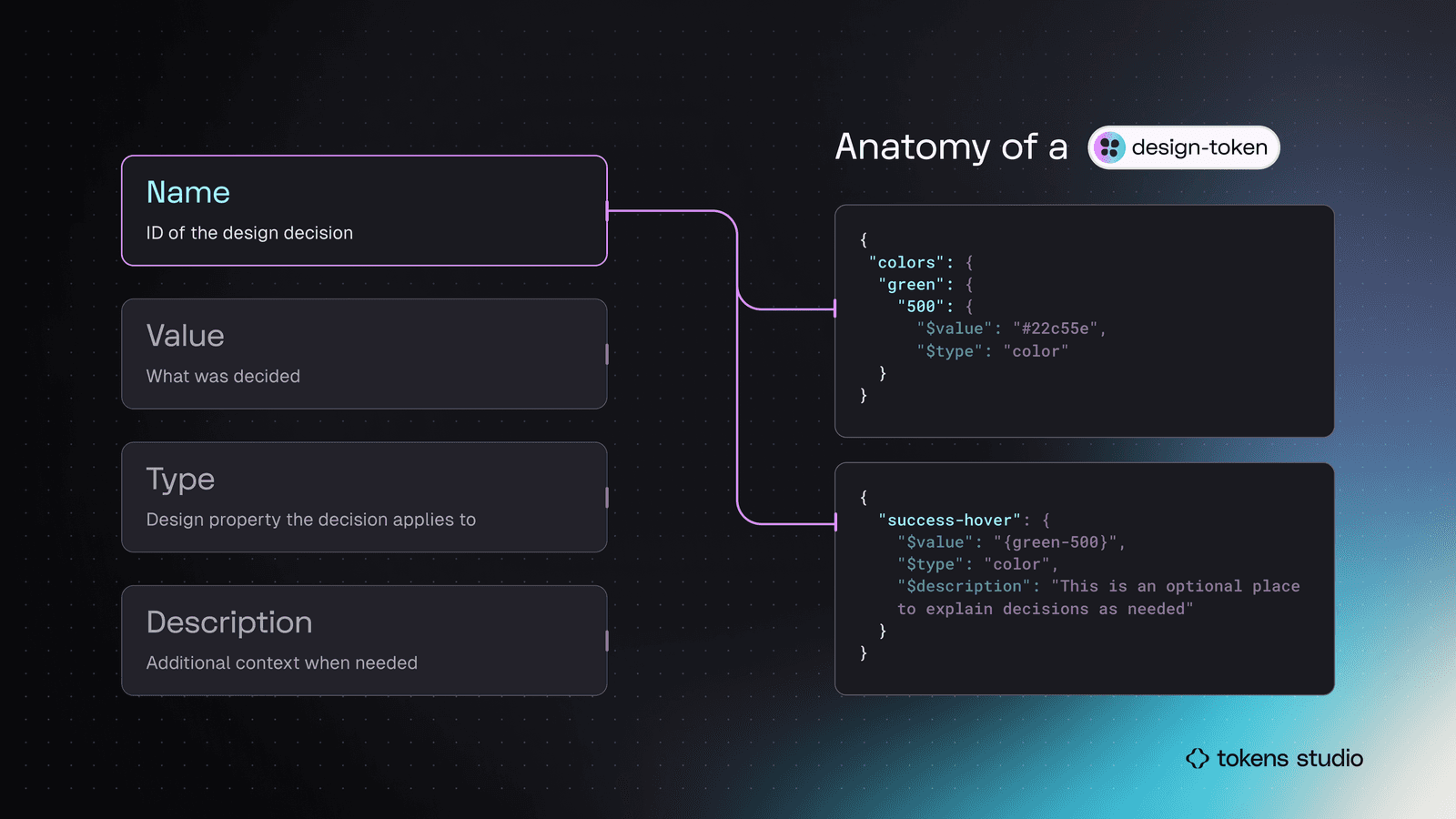
Semantic Naming for Design Tokens
Don't name a token by its value (blue-500); name it by its job (color.action.primary). This decouples design intent from implementation, making systems scalable. It's key for theming and avoiding "lie" variables when designs change.

Controlled vs. Uncontrolled Components
A controlled component is a puppet; its parent pulls the strings via props. An uncontrolled one manages its own state. This pattern is key for coordinating siblings, like ensuring only one panel in an accordion is open.
The Kano Model: Not All Features Are Created Equal
The Kano model sorts features by how they impact user satisfaction. Use it to prioritize a product roadmap, deciding between fixing basic needs, improving core features, or adding delightful surprises.
Pilot Studies: A Dress Rehearsal for User Research
A pilot study is a dress rehearsal for your user research. You run 1-2 practice sessions to find flaws in your study design, not the product. It's crucial for remote tests or high-stakes projects.
We are hiring for this. Every open role lists the topics its interview covers, so you can prepare for the real thing rather than guessing.
See open roles