Concepts in Design & UX, page 5
White Space: Designing with Nothing
White space isn't just empty background; it's an active tool for grouping related elements and separating unrelated ones. Use it to improve readability and create focus. The footgun is seeing it as leftover space to be filled, which creates visual clutter.
Component-Driven Development: Build UIs Bottom-Up
Component-Driven Development (CDD) builds UIs bottom-up, like assembling a car from its engine and wheels. It's used to manage complex UIs by creating small, independent components first. The footgun is building components too coupled to app-specific logic.
Sentiment Analysis: Reading the Room at Scale
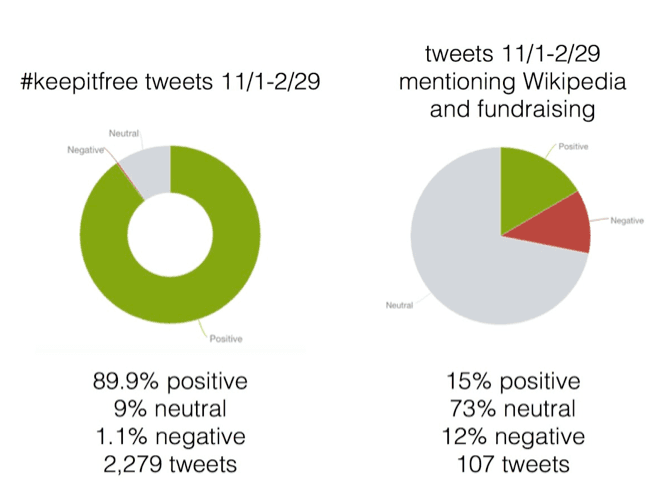
Sentiment analysis is a digital mood ring for text, automatically classifying content as positive, negative, or neutral. It's used to sift through customer reviews and social media to gauge opinion, but often fails on sarcasm or complex context.
Longitudinal Study: Watching Change Over Time
Think of it as a movie, not a snapshot. A longitudinal study tracks the same users over time to see how behavior evolves, revealing cause and effect. It's used to measure long-term feature adoption or churn.
Figma's Auto Layout Grid
Figma's Auto Layout Grid arranges items in a true 2D grid of rows and columns. Use it for complex, responsive layouts like dashboards or bento boxes. The footgun is expecting items to auto-wrap; it's a structured grid, not a flowing container.

Style Encapsulation with Shadow DOM
Shadow DOM creates a private DOM tree for a component, acting like a one-way mirror for CSS. This prevents style collisions in complex UIs, ensuring a button's CSS doesn't break a header.
Total Addressable Market (TAM): Sizing Your Revenue Ceiling
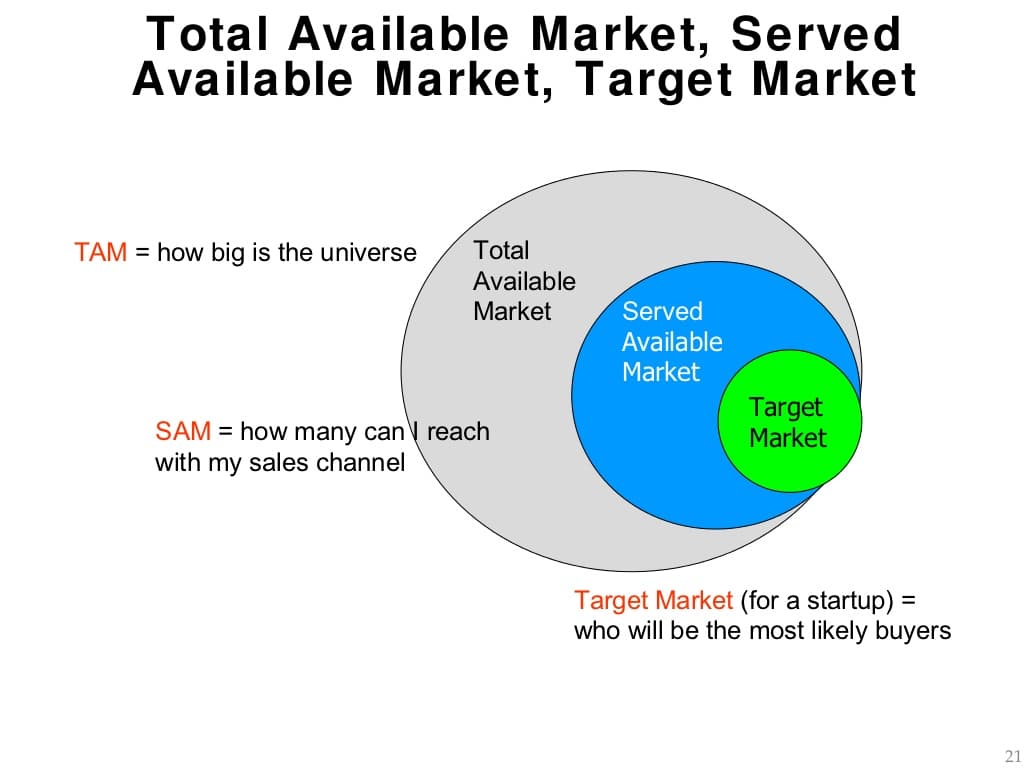
Total Addressable Market (TAM) is the maximum revenue possible if you captured 100% of the market for your product. It's used to size a market's ultimate potential for investors.

UX Roadmap: Strategic Alignment for Research Teams
A UX roadmap trades plans for alignment, mapping work across Now, Next, and Future horizons so teams share one North Star. Use it to justify research spend and prevent silos. The footgun is treating it as a static handoff instead of a living ritual.

Focal Point: You Can't Emphasize Everything
A focal point guides the user's eye by making one element dominant. To make something stand out, other elements must fade into the background. Use it to draw attention to a call-to-action or headline. The footgun is trying to emphasize everything at once.
Semantic Versioning: A Contract for Your Code's Evolution
Semantic Versioning is a contract for your code. The MAJOR.MINOR.PATCH format signals if an update is a breaking change, a new feature, or a bug fix. It's vital for managing dependencies safely. The footgun: SemVer is meaningless without a defined public API.
Value Proposition: Why Should a Customer Choose You?
A value proposition is your core promise of value to a customer, answering 'What's in it for me?'. It's the foundation for landing pages and marketing copy. The footgun is listing features instead of the tangible benefits those features provide.
WAI-ARIA: A Script for Custom UI Accessibility
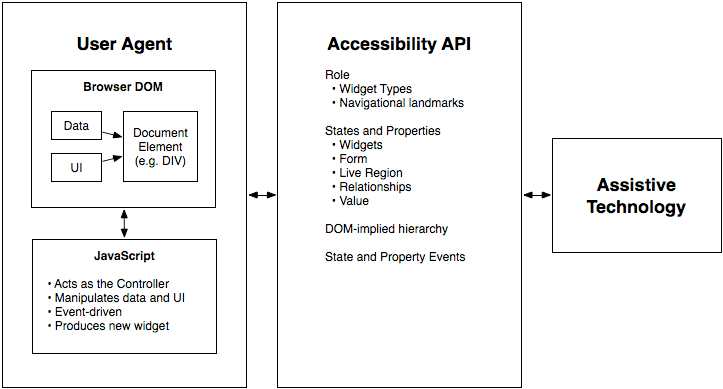
WAI-ARIA gives custom UI a voice for assistive tech. It's the script telling a screen reader what a <div> acting as a button is and if it's "pressed." Use it for custom widgets when native HTML can't.
Unique Selling Proposition (USP): Why Pick You?
A Unique Selling Proposition (USP) isn't a list of features; it's the single, compelling reason a customer should choose you over all others. It's the core of your brand message. The biggest mistake is claiming a benefit that competitors can also claim.

Recruiting from a Customer Research Panel
Think of a customer research panel as your on-call list of users who've agreed to give feedback, making recruiting fast and cheap. Use it for a steady stream of participants for frequent studies.
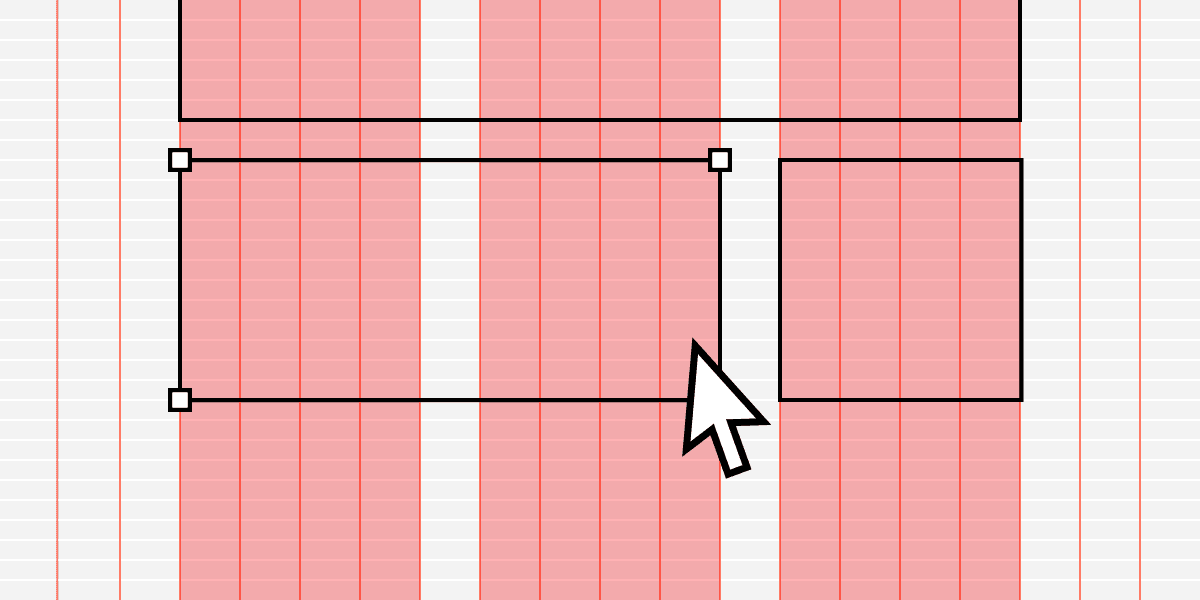
Modular Grid: Organizing UI with Cells, Not Just Columns
Think of a modular grid as spreadsheet cells for your UI. It extends a column grid with horizontal rows, creating a matrix of modules. It's ideal for repeating items like product cards or dashboard widgets.
Tree Shaking: Shipping Only the Code You Use
Tree shaking is a build-time optimization that eliminates unused code. For component libraries, it means importing a Button won't bundle the unused DataGrid. The main footgun is side effects: code that modifies global state can't be safely removed.

Elevator Pitch: Value in 30 Seconds
An elevator pitch delivers your core value proposition in the time it takes to ride an elevator. Use it for networking or interviews to explain what you do and why it matters. The footgun is trying to say everything; the goal is to earn a.
Rhythm and Repetition in UI Layouts
Rhythm turns random elements into scannable patterns by repeating spatial intervals, not just shapes. Use it in lists, dashboards, and card grids where users hunt for information.
Snowball Sampling: When Your Users Find Your Users
Snowball sampling has your first participants recruit the next ones from their network. It's vital for reaching hidden groups, like specific professional communities. The footgun is selection bias: you're sampling social networks, not the whole population.
ESM vs. CJS: Navigating JavaScript's Module Divide
JavaScript has two module systems: modern, static ESM (import) and legacy, dynamic CJS (require). When publishing a library, you must support both. The footgun is shipping only ESM, as it breaks downstream projects that still use require().
We are hiring for this. Every open role lists the topics its interview covers, so you can prepare for the real thing rather than guessing.
See open roles