Concepts in Design & UX, page 7

Wizard/Stepper Pattern: Guide Users Through Complex Tasks
A wizard or stepper pattern is like a recipe for a complex task, breaking a long process into numbered, manageable steps. It's ideal for multi-stage forms like onboarding or checkout flows.
Verbal Brand Identity: How a Brand Speaks
Verbal identity is how a brand speaks, not just what it says. It's the system of names, taglines, and consistent tone of voice that shapes a brand's personality. The footgun is mistaking it for just slogans, ignoring the deeper linguistic framework.
Participatory Design: Designing With, Not For, Users
Participatory design means designing *with* users as co-creators, not just *for* them. It's used in software, architecture, and urban planning to ensure the final product truly fits the community.
Figma REST API: Access Design Files as Structured Data
The Figma REST API treats your design files as structured JSON data, not just images. Use it to automate workflows like exporting assets, syncing design tokens, or posting comments. The main footgun is using the wrong base URL for Government vs.
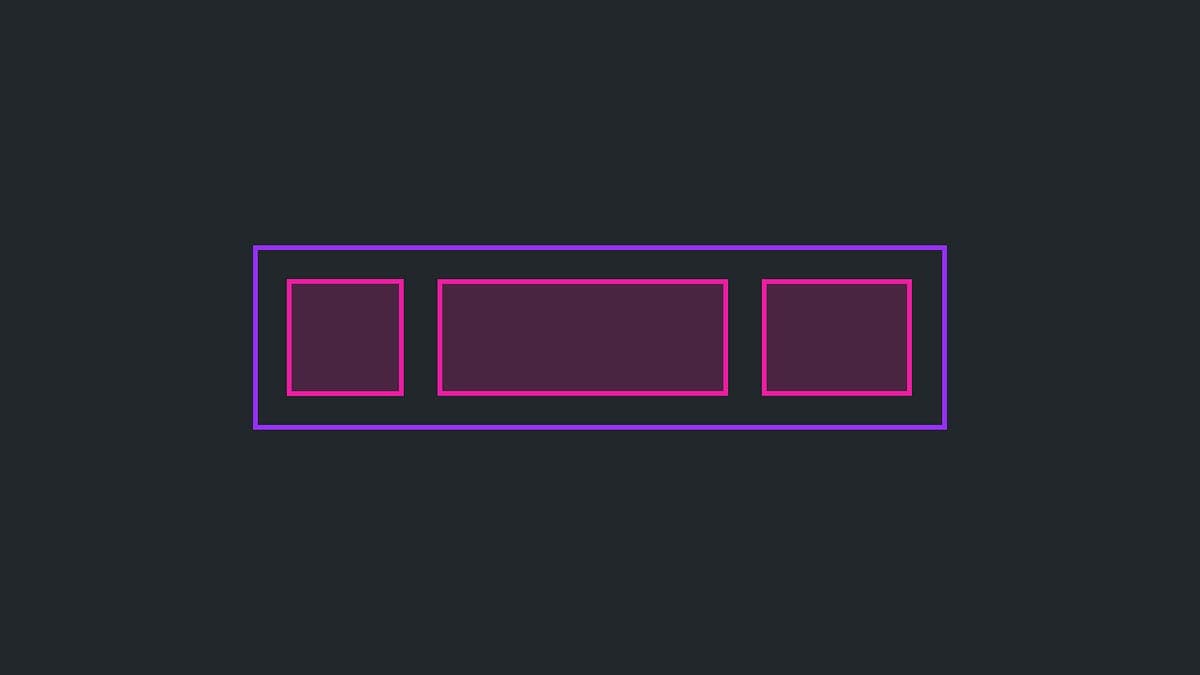
The Slot Pattern: Making UI Components Composable
The Slot Pattern makes components flexible by defining areas for custom content, like a picture frame for your UI. It's used in Cards or Modals to allow varied content in a consistent frame. The footgun is that too much flexibility can break consistency.
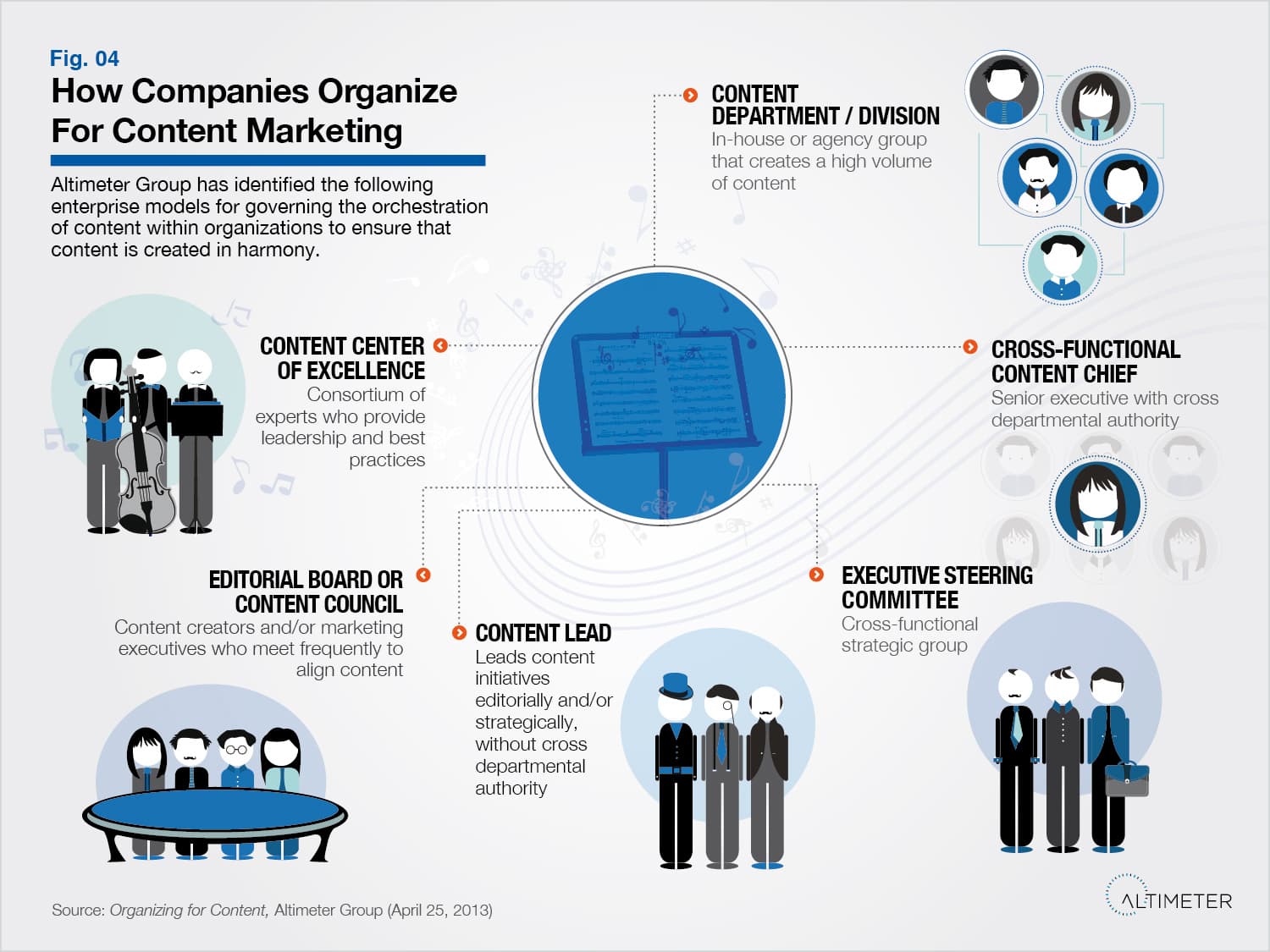
Content Strategy: The Plan Before the Content
Content strategy is the blueprint for your content, guiding its planning, creation, and management. It's the thinking behind a company's blog or help docs. The common mistake is confusing strategy with just writing; it's the 'why' and 'how' behind the words.

Storybook: Design System Documentation
Storybook is a workshop for building UI components in isolation, then auto-publishing docs from those living examples. Teams use it to catalog design systems without maintaining a separate documentation site.
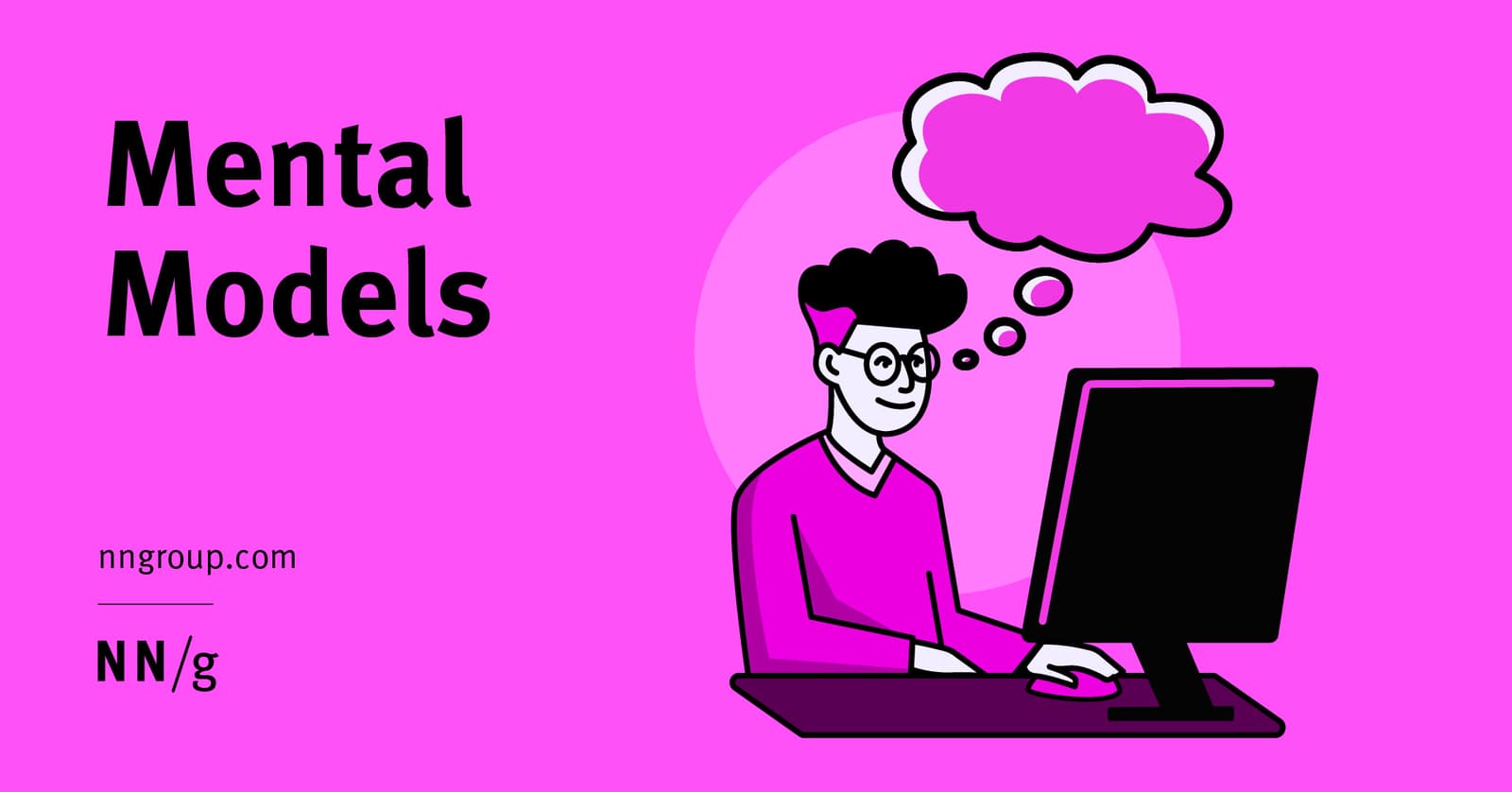
User Mental Models: What Users Believe About Your System
A user's mental model is their internal story of how your system works, based on belief, not facts. It shapes every interaction, from predicting button actions to checkout flows.
Editorial Calendar: Your Content's Strategic Plan
An editorial calendar is a strategic plan, not just a to-do list, that turns chaotic content ideas into a coordinated publishing machine. It's used to align teams and manage content across blogs and social media.
Cultural Probes: Inspire, Don't Analyze
Cultural probes are like a creative care package for users, designed to capture inspirational moments, not to collect analyzable data. They help designers understand a user's world and values early in a project.
Design System Onboarding: The Welcome Mat
Design system onboarding is a welcome mat, not a full manual. It orients new users by explaining the system's purpose and scope, then routes designers to interactive guides and engineers to implementation docs. The footgun is information overload.
Content Distribution: Getting Your Content Seen
Creating great content is pointless if no one sees it. Distribution is the engine that delivers your work to a target audience, used to attract leads and build brand loyalty. The biggest mistake is treating distribution as an afterthought to creation.
Think Aloud Protocol: Hear Your User's Inner Monologue
See your product through a user's eyes by having them narrate their thoughts live during a task. It's used in usability testing to uncover confusion, mismatched expectations, and the "why" behind clicks.
Design System Changelogs: For Humans, Not Machines
A design system changelog translates code changes into human-readable impact. It's a curated notice for consumers—not a raw git log. It's essential for communicating new components, token updates, and breaking changes so teams can adopt updates safely.

Topic Cluster Model: Organize Content for SEO Authority
The topic cluster model organizes your site like a bookstore, with a main 'pillar' page for a broad topic and 'cluster' pages for subtopics. This signals expertise to search engines, helping you rank higher and appear in AI answers.
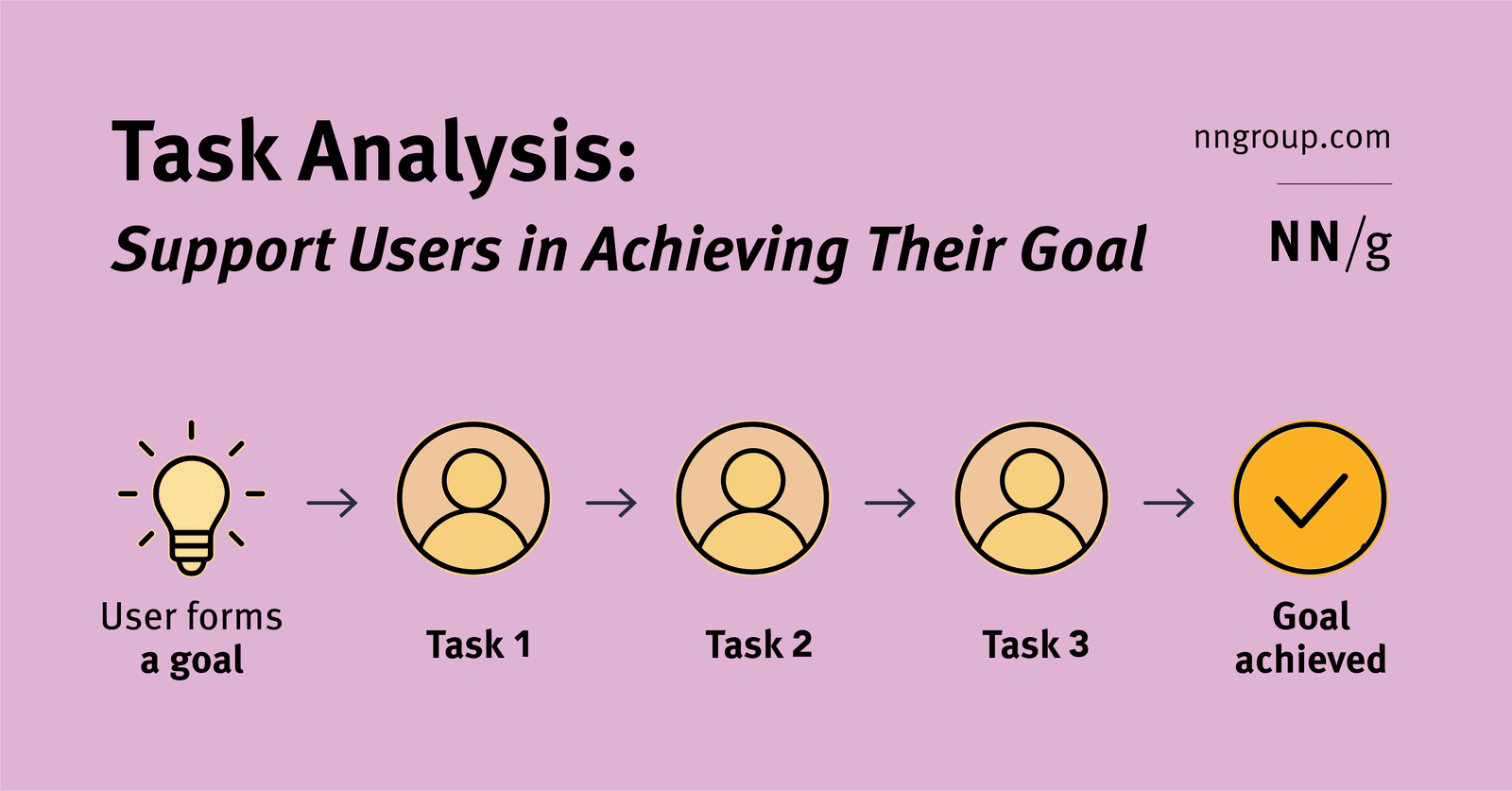
Task Analysis: Mapping User Goals to Actions
Task analysis maps the specific actions (tasks) a user takes to achieve their larger objective (goal). It's used to ensure a product actually helps users, not just creates busywork. The key mistake is designing for the task instead of the user's true goal.
Writing Accessibility Docs for Your Components
Accessibility docs are the user manual for your component's a11y features. They guide consumers on correct usage, like required ARIA attributes or keyboard behavior.
Content Audit: Taking Stock of Your Website's Assets
A content audit is like a physical inventory for your website, cataloging every page and asset to decide what to keep, improve, or discard. It's crucial before a site redesign or migration. The footgun is treating it as a one-off project.

Pitching Design Systems with Business Value
Design systems fail without people, not tools. Pitch them by asking stakeholders if they like saving time and money, then frame consistency, speed, and shared vocabulary as business value instead of design ideology.
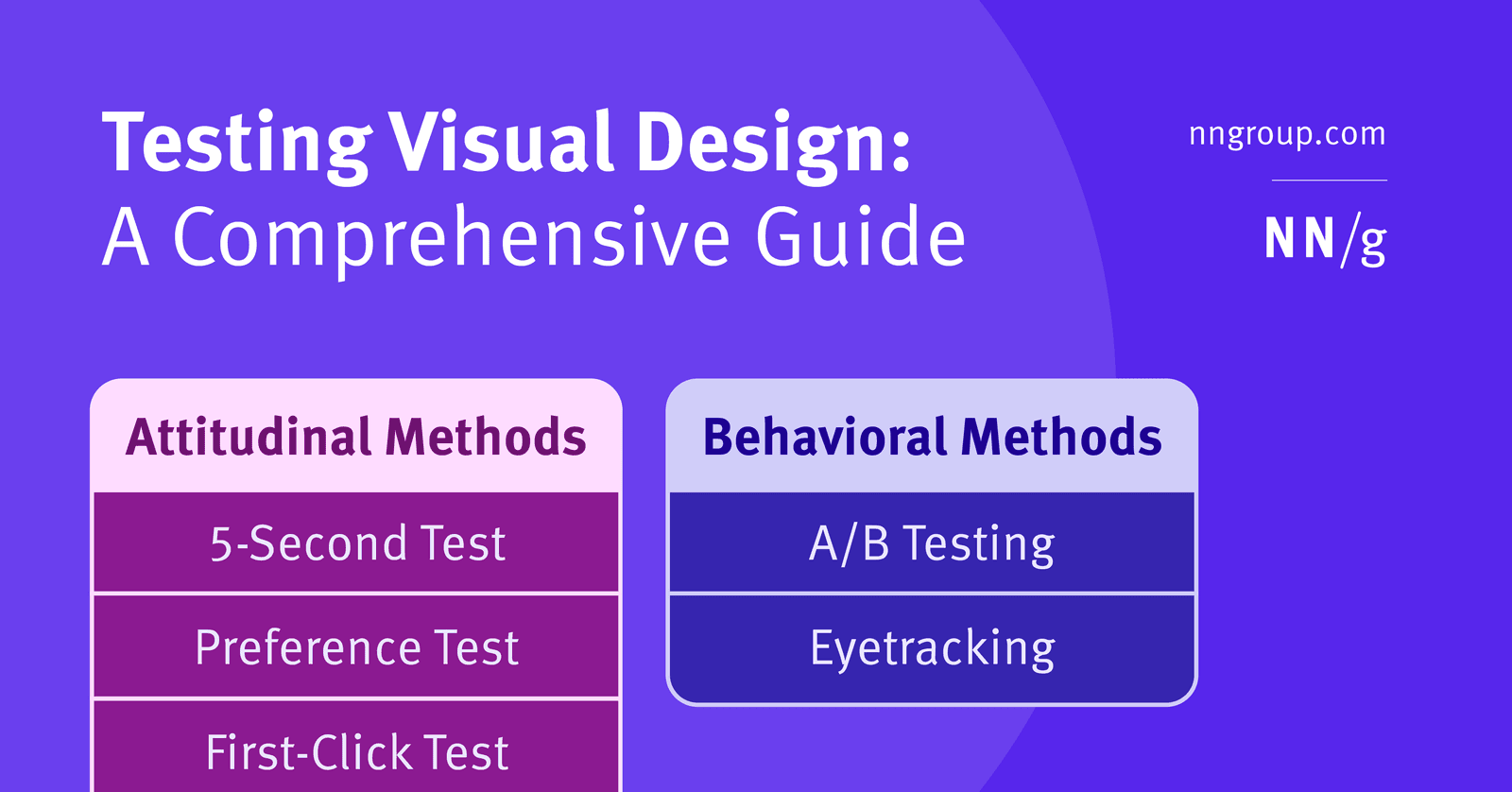
First Click Testing: Predicting Task Success with One Click
First Click Testing predicts if users can complete a task by tracking where they'd click first on an interface. If the first click is right, success is far more likely. It's used to validate navigation and UI clarity. The footgun is a poorly phrased task.
We are hiring for this. Every open role lists the topics its interview covers, so you can prepare for the real thing rather than guessing.
See open roles