Interview questions in Design & UX, page 16
Structuring tokens for brand and sub-brand inheritance
Tiered tokens (primitive, semantic, component), sub-brands override only semantic aliases, and references keep inheritance live.

How do you share research findings with engineers so they stay actionable?
Tests whether you respect engineering workflows. Offer tiered formats like quick decks, shared docs, or raw notes; embed insights into tickets; anchor findings to user quotes for trade-offs. Red flag: forcing live attendance or sharing long standalone decks.
What is component nesting? Build a profile header from nested components.
Tests atomic design and system scalability. Answer: define nesting as instances inside a parent; describe a profile header using Avatar, Text, and Button instances; note base edits propagate globally. Red flag: one-off layers instead of reusable instances.

How do you convert dense documentation into a spoken video script?
Shorter sentences, inline context instead of footnotes, conversational second-person voice, verbal signposts, and visual cues.
Architecting a themeable React component library
A ThemeProvider supplying tokens through Context, components reading them, and CSS variables for performance.
How would you usability-test a feature-flagged staging component?
Tests if you know usability testing works early. Strong answer: realistic tasks with careful wording to avoid priming; facilitator observes behavior and asks followups without influencing participant; staging is just another interface.
How would you create a dismissible modal dialog over the current screen?
This tests modal architecture beyond visuals. A strong answer covers: dimming the inert background, trapping focus, returning focus on close, and supporting Escape plus a visible close button.
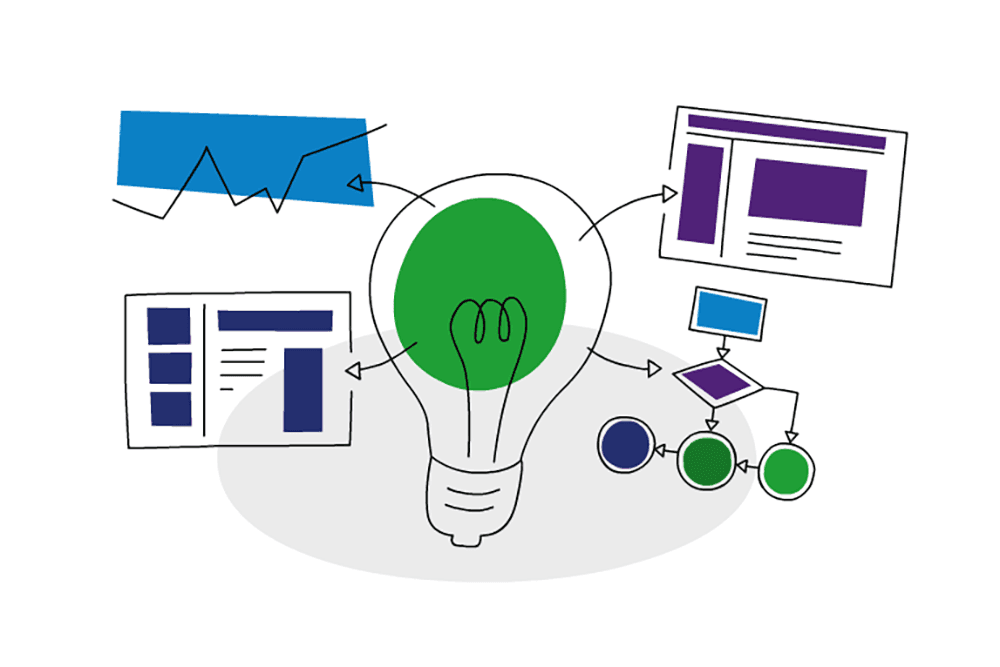
What techniques make complex technical topics understandable in audio-only podcasts?
Great answers cite relatable analogies, vocal signposting, and narrative framing without visual references.
Generative versus evaluative research in sprints
Generative explores problems before building and feeds requirements; evaluative tests solutions during and after build and feeds fixes.
Prototype a draggable carousel with On Drag
Lay frames side by side, use On Drag with Smart Animate, and clamp ends.
CSS custom properties versus Sass for theming
Custom properties are live and cascade for dynamic switching; Sass variables compile away.
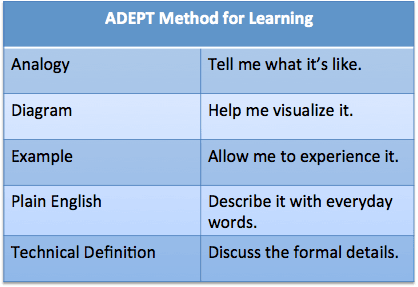
How would you script a concurrency analogy for junior developers?
This tests scaffolding hard ideas via ADEPT. A strong answer sequences analogy, diagram, example, plain-English reasoning, and technical notation while flagging where metaphor breaks. A red flag is treating the analogy as proof or ignoring its failure modes.
Diagnose a slow, laggy Figma prototype
Heavy raster images and effects, layer and node count, and excessive prototype interactions.
Token build pipeline for multi-platform output
JSON source of truth, a tool like Style Dictionary with per-platform transforms and formats, and CI publishing.

How do you translate field-study findings into user stories and acceptance criteria?
Tests turning qualitative findings into engineer-ready backlog items. Strong answers: synthesize personas from observations, map pain points to epics, break into As-I-want-so-that stories with acceptance criteria, and co-create with engineers.

Propose a script template and review process for 20 tutorial videos
This tests scalable content ops with distributed engineers. A strong answer gives a modular script template with locked sections, a tiered review pipeline using a style guide and peer review. Red flag: a single flat review or no tone calibration.
Preventing theme flash in SSR apps
Flash comes from server not knowing client preference; fix with a blocking inline script setting the theme before paint.
What research validates a three-sprint feature without delaying engineering?
One week of interviews and prototype tests, with concept testing while engineering spikes.
How would you use variants, booleans, and instance swap for a Button?
This tests fluency in Figma component properties for scalable design systems. Map variant properties to states, booleans to toggle the icon layer, and instance swap to change the icon type. Never suggest detached overrides or separate components per state.
How would you structure an interactive non-linear tutorial script?
Tests separation of content from branching logic via node graph and user model. Outline: addressable state nodes, error edges, drama manager querying user history for contextual help. Red flag: nested conditionals or hardcoding branches in video files.
We are hiring for this. Every open role lists the topics its interview covers, so you can prepare for the real thing rather than guessing.
See open roles