Everything in Design & UX, page 10
Design metadata and data structure for a searchable research repository
Tests structuring qualitative data for search and reuse. A strong answer uses linked tables for studies, participants, insights, and clips, with fields for date, method, theme tags, and severity.

How do you proactively collaborate with a researcher before a complex study?
This tests cross-functional partnership. A strong answer hits four things: share system boundaries, align on research goals via mutual education, scope the study for tangible user impact, and reframe methods into accessible language.

How do you break down an abstract UX solution into shippable stories?
This tests translating vague UX research into incremental delivery. A strong answer uses story mapping with UX and Product to find thin vertical slices that reduce confusion, validating each increment.
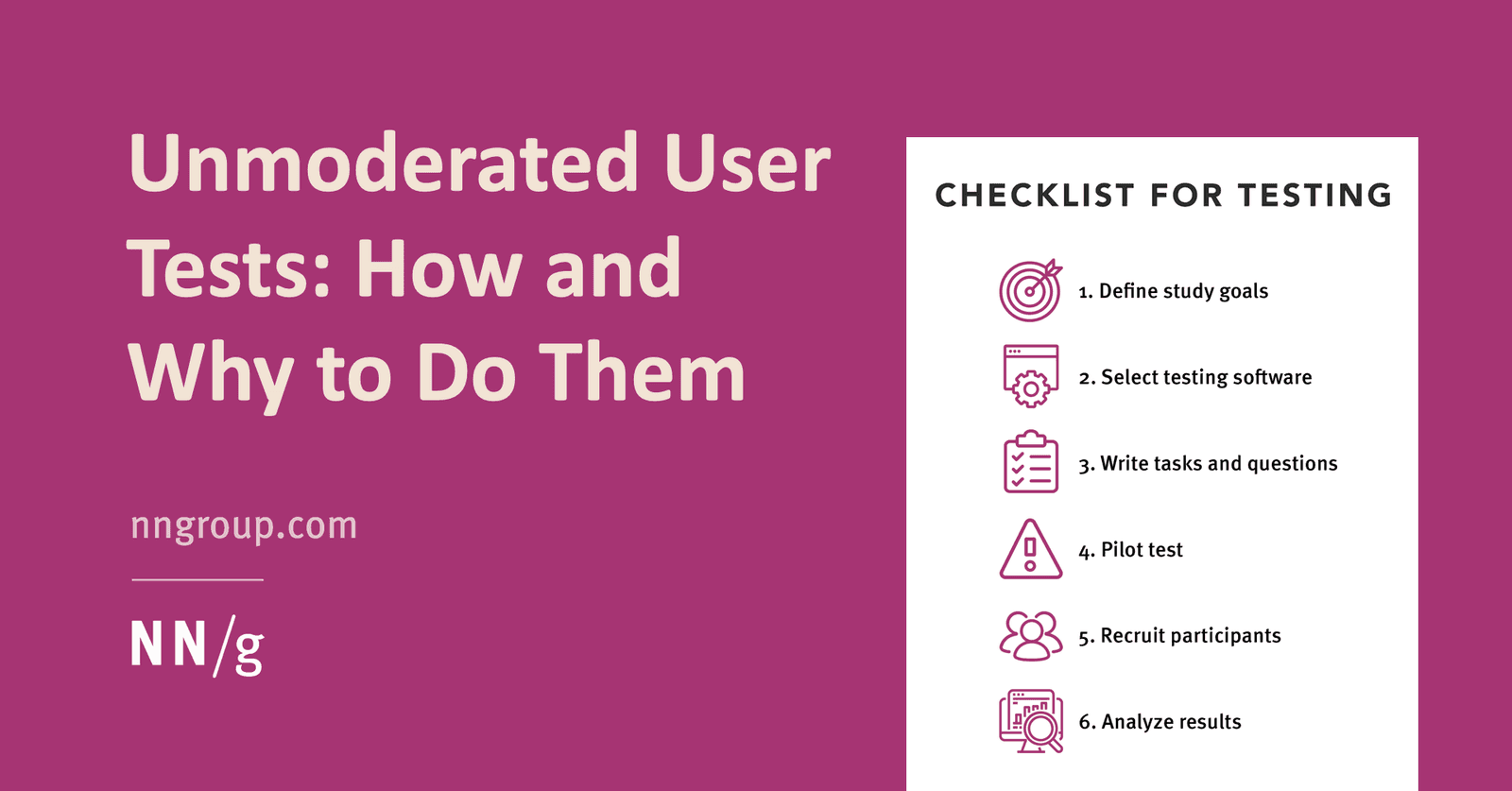
Describe the technical setup and trade-offs of large-scale unmoderated checkout usability testing
Clickstream logging, success rates, surveys; contrast speed with moderator engagement.
How can an engineer contribute to UX research with limited user access?
Treating UX research as a team sport using engineering assets when participants are scarce. Answers cover: mining logs for proxies; prototyping with internal experts; leveraging sales for intros.

How can Private Set Intersection enable joint research without exposing raw lists?
Tests cryptography for cross-party data sharing. Strong answers describe PSI's encrypted intersection, cite homomorphic encryption or oblivious transfer, and note key management and compute cost.

How do you avoid confirmation bias when interpreting usability test actions?
This tests recognition that prior beliefs distort observation. A strong answer defines confirmation bias as favoring confirming evidence, then lists guardrails like silent observation and neutral observers. A red flag is vague claims to just stay objective.

Outline operational and cultural changes for proactive UX research in engineering
Embed UXRs in roadmapping, build shared repositories, reward insight-driven pivots, teach generative literacy.
Compare embedded vs centralized research models and propose a hybrid
Tests org trade-offs between squad autonomy and research consistency. Strong answers contrast embedded speed with centralized standards, then propose a hybrid of embedded generalists and centralized specialists.

How do you align research roadmaps and resolve tactical-strategic conflicts?
Map work to 3 horizons with user-need-outcome framing; protect 30% capacity for strategy; negotiate via visible scorecard.

Propose a framework for measuring the impact of UX research
Propose HEART mapped to KPIs; cite task success, error rate, conversion lift, ticket drops; prove causality.

Design a centralized research repository for discoverable, actionable insights
Tests knowledge-management system design and metadata taxonomy. Strong answers separate raw artifacts, insights, and reports; build faceted search; and integrate with engineering workflows.

How would you quantify a critical UX issue to justify architectural work?
Tests translating UX findings into business metrics to prioritize engineering. Strong answers pair task-success rates with financial impact, benchmark against industry baselines, and frame the fix as risk mitigation.

Describe lightweight user validation without a dedicated researcher
This tests if you value direct user feedback over expert-only evaluation without researchers. A strong answer covers recruiting fresh users and observing real use for intuitiveness.

How would you integrate user research into agile sprints without disrupting velocity?
Tests embedding continuous discovery into agile rather than front-loading research. Strong answers mention parallel tracks, backlog stories derived from insights, and lightweight discount-usability methods.
Design a globally compliant, low-latency research backend architecture
Partition by region with local storage, ingest at the edge, aggregate anonymized metrics cross-border.
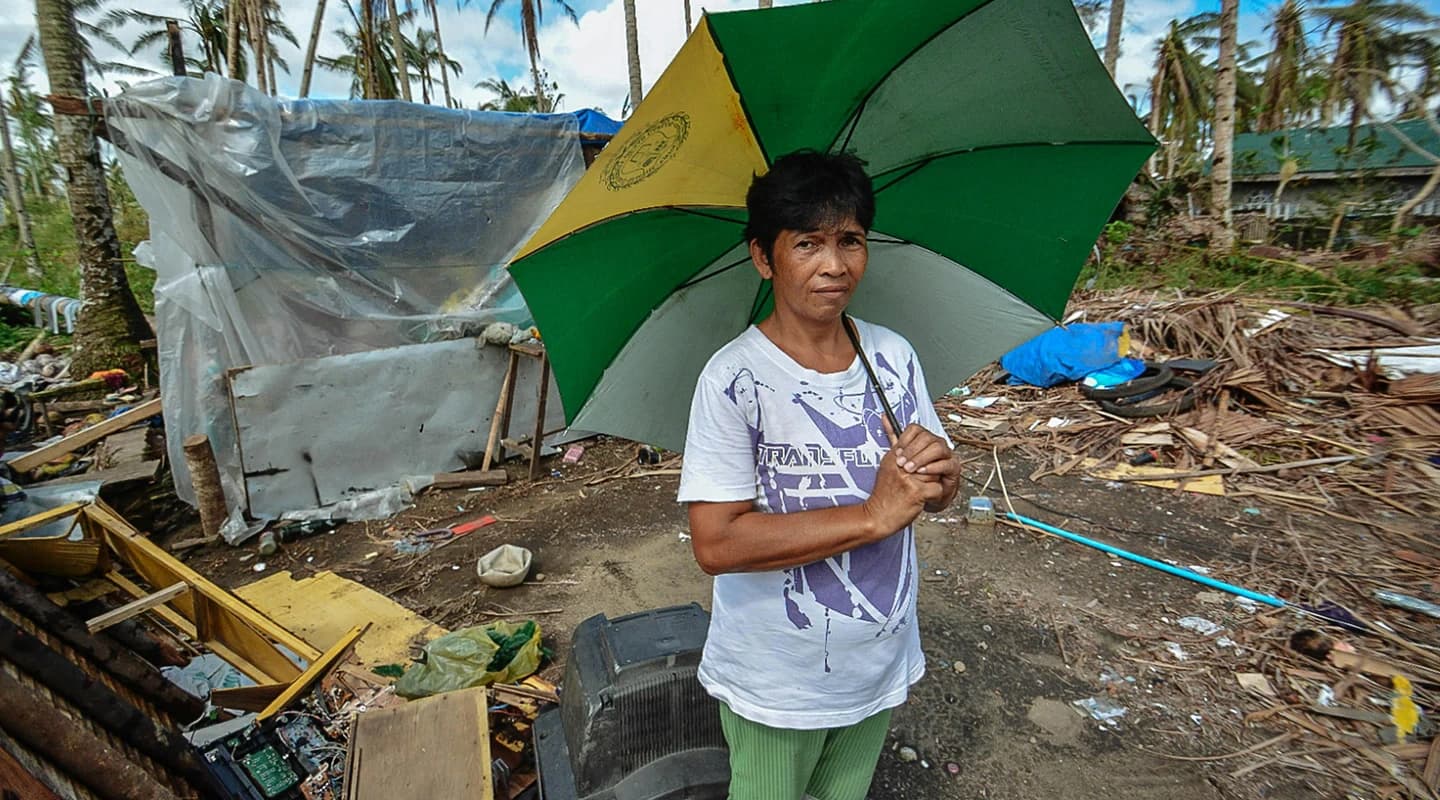
How would you mitigate latency in a low-bandwidth remote usability study?
Tests planning for 2-5Mbps rural 3G research constraints. Strong answers cover: lightweight prototypes with compressed assets; 3G-throttled environments plus backup comms; data-cost compensation. Red flag: heavy screen-share tools without offline fallbacks.

What instrumentation would you add to validate the user's 'job'?
This tests whether you instrument for intent and struggle, not vanity metrics. Strong answers log pre-export context, abandonment flows, post-export file usage, and workaround signals.
Fix keyboard trap in a custom modal dialog
Tests accessible modal focus management. Strong answers: role="dialog" and aria-modal="true", move focus on open, trap Tab/Shift+Tab cycles inside, Escape to close, return focus to trigger. Red flag: CSS-only fixes or aria-hidden without JS focus control.

Which ARIA attribute fixes an icon-only button missing its screen reader name?
Tests knowledge of accessible names for interactive elements lacking visible text. Answer: aria-label on the button describing its function, plus aria-hidden on the decorative icon. Red flag: suggesting alt text on the SVG or title attributes as the fix.
We are hiring for this. Every open role lists the topics its interview covers, so you can prepare for the real thing rather than guessing.
See open roles