Concepts in DevOps & Cloud, page 17
Immutable Deployments: Treat Servers Like Cattle, Not Pets
Treat servers like cattle, not pets. Instead of modifying live servers, you deploy updates by replacing entire server fleets with new, pre-baked images. This eliminates configuration drift and simplifies rollbacks.
Configuration Drift: When Servers Go Rogue
Configuration drift is when a server's live settings diverge from your version-controlled 'source of truth.' This happens from manual hotfixes or inconsistent deployments, creating snowflake servers that are hard to debug.

Time-Series Forecasting: Predicting the Future from the Past
Time-series forecasting uses past data points, ordered by time, to predict future values. It's used for capacity planning and financial modeling. The footgun is assuming past trends will hold, as sudden system changes can invalidate all predictions.

Kubernetes StorageClass: A Menu for Your Data
A StorageClass is an admin-defined 'menu' of storage options, abstracting the provider. Developers request storage by name (e.g., 'fast-ssd') via a PersistentVolumeClaim, and Kubernetes dynamically provisions it.
.ebextensions: Infrastructure as Code for Elastic Beanstalk
.ebextensions are config files for customizing the AWS resources in your Elastic Beanstalk environment. Use them to install packages, run commands on instances, or provision related AWS resources.
AWS Secrets Manager: Stop Hardcoding Credentials
AWS Secrets Manager is a digital vault for your app's credentials. Instead of hardcoding API keys or database passwords, your app fetches them at runtime. It's used for storing sensitive data securely, with built-in rotation and auditing.

Performance Budgets: Set Limits to Stay Fast
A performance budget is a hard limit on metrics like bundle size or load time, acting as a guardrail against regressions. It's used in CI/CD to fail builds that exceed size limits or in monitoring to alert when load times degrade.
Dynamic Volume Provisioning: Storage on Demand
Dynamic Volume Provisioning lets you request storage by its type (e.g., "fast-ssd") instead of pre-provisioning a disk. Kubernetes automatically creates a matching volume. This is standard for stateful apps.
Cloud Native Buildpacks: No More Dockerfiles
Cloud Native Buildpacks turn source code into container images without a Dockerfile. This lets platform teams enforce security and best practices, while app developers just push code. The footgun is assuming they're simple; they're a full build system.
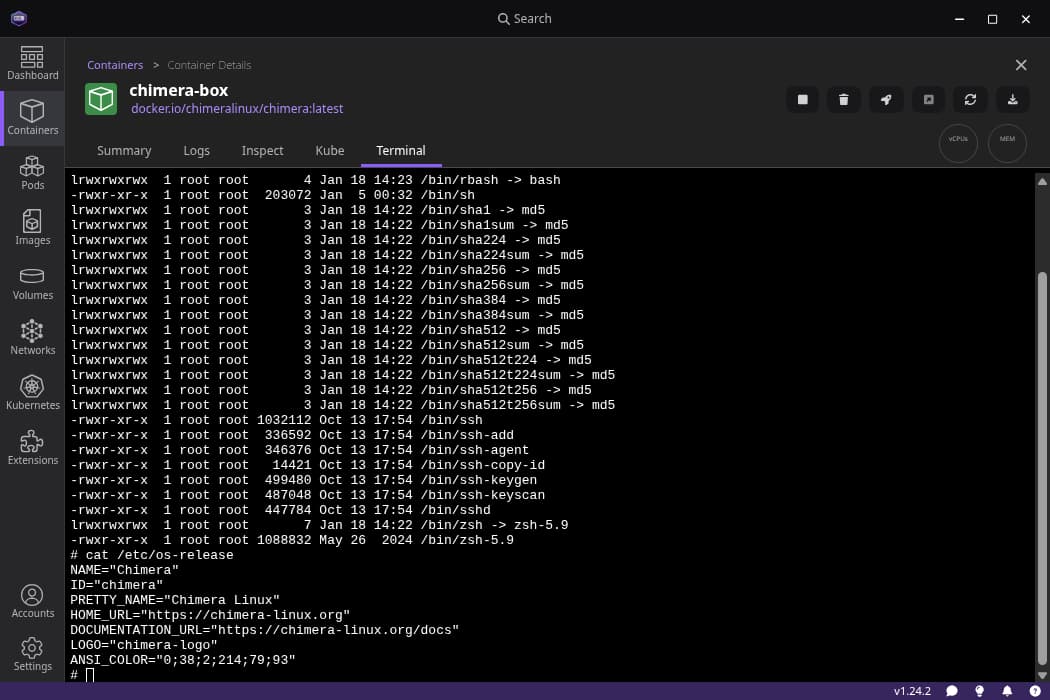
Containerization: Packaging Apps to Run Anywhere
Think of a container as a standardized box for your app, bundling its code and all dependencies. This ensures it runs the same everywhere, solving "it works on my machine" problems. The footgun is confusing them with VMs; containers are less isolated.
Kubernetes Sealed Secrets: Git-Friendly Secret Management
Sealed Secrets let you safely commit encrypted Kubernetes secrets to a public Git repo. A one-way lockbox: anyone can add a secret, but only the target cluster can unlock it. Essential for GitOps, but remember: a Sealed Secret is tied to its cluster.

Critical Path Analysis for Performance Tuning
Critical path analysis finds the slowest chain of operations in a request, showing where to optimize for impact. Use it in distributed tracing to see which service call is the bottleneck. Optimizing off-path components is wasted effort.
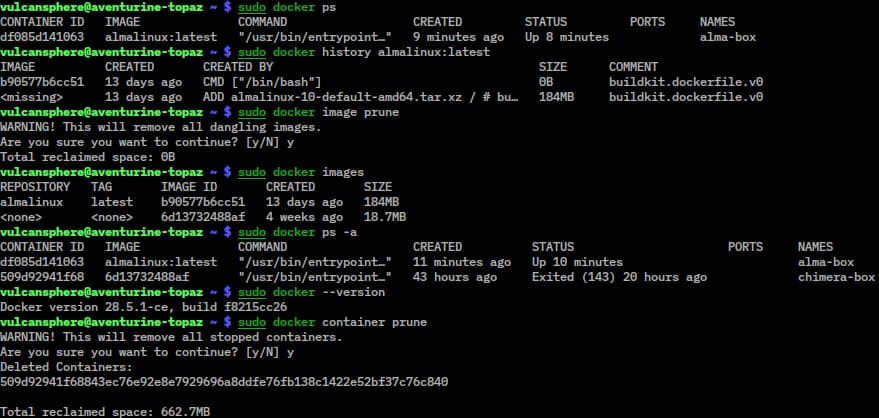
Docker Engine: Shipping Your Code in a Standard Box
Think of Docker as a standard shipping container for your code. It packages an app and all its dependencies into one unit that runs anywhere, solving the classic "it works on my machine" problem. The footgun is confusing it with a full VM; it's lighter.
External Secrets Operator: Sync Secrets into Kubernetes
The External Secrets Operator (ESO) acts as a bridge, syncing secrets from an external store like Vault or AWS Secrets Manager into native Kubernetes Secrets. This keeps secrets out of Git and centralizes management.
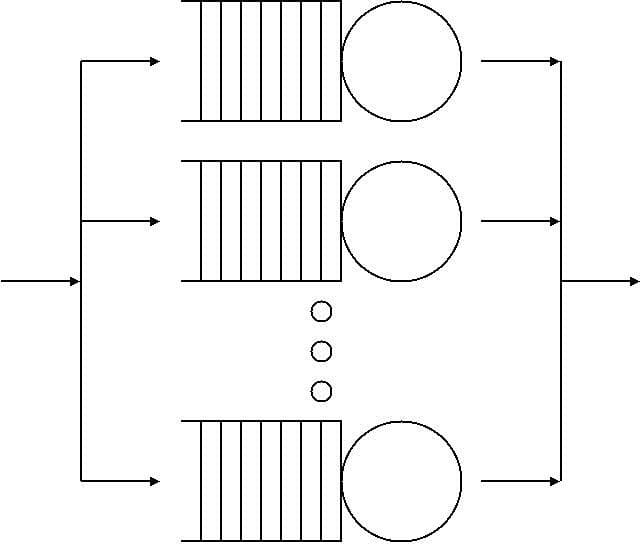
Queueing Theory: The Math of Waiting Lines
Queueing theory is the math of waiting lines, helping you predict system performance under load. It's used for capacity planning and setting autoscaling rules.
Container Storage Interface (CSI): The Universal Adapter for K8s Storage
CSI is a universal adapter for storage in Kubernetes, letting any storage system speak a common language. This allows providers to create plugins for their systems without touching core Kubernetes code.
Kubernetes Control Plane: The Cluster's Brain
The Kubernetes control plane is the cluster's brain, making all global decisions like scheduling pods and responding to events. You interact with it via kubectl to manage your applications. The footgun: never run your own workloads on control plane nodes.
Software Containers: Portable, Isolated Applications
Think of a container as a standardized box for your app, bundling its code and all dependencies. This lets you run it consistently anywhere, from your laptop to the cloud.
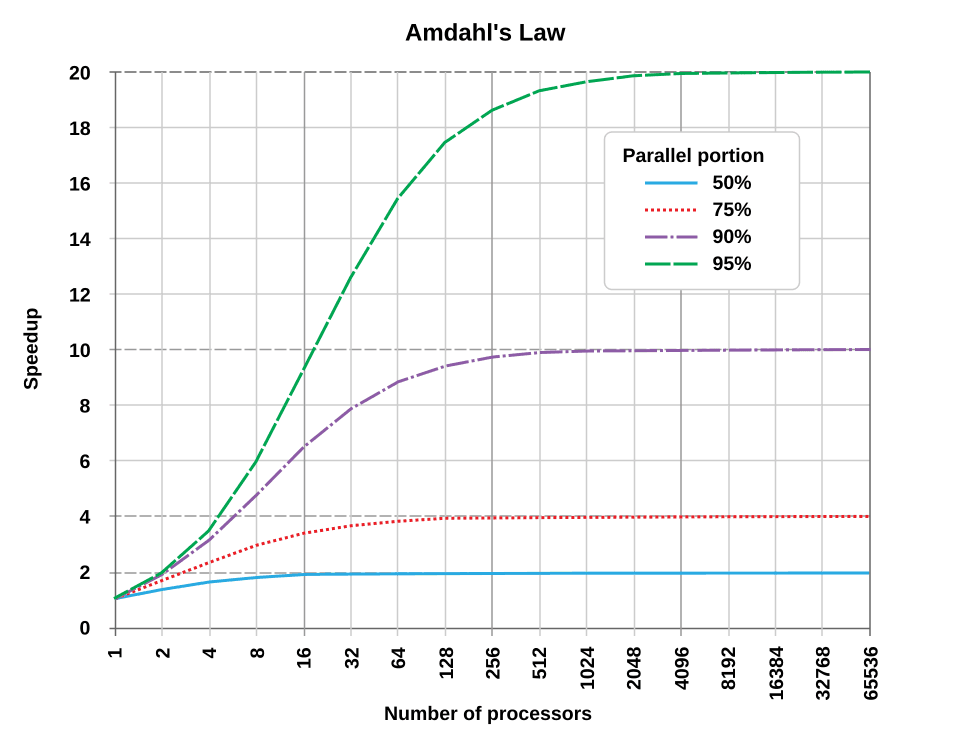
Amdahl's Law: The Bottleneck of Parallel Speedup
Amdahl's Law shows a system's speedup is limited by its sequential parts. If 10% of a task must run serially, your maximum speedup is 10x, no matter how many cores you add. This applies to CPUs, databases, and distributed jobs.
Kubernetes Node: The Cluster's Worker Machine
A Kubernetes Node is a worker machine that runs your applications. Think of it as an employee receiving tasks (Pods) from the control plane manager. The common footgun is confusing the Node with the Pod; a Node is the server, while a Pod is the.
We are hiring for this. Every open role lists the topics its interview covers, so you can prepare for the real thing rather than guessing.
See open roles