Easy everything in Growth & Experimentation, page 2
How would you design a near real-time social proof notification system?
This tests low-latency event pipeline design with bounded load. A strong answer uses a fire-and-forget beacon, stream processor, and cache with TTL; it favors approximate counts and windowed aggregation.
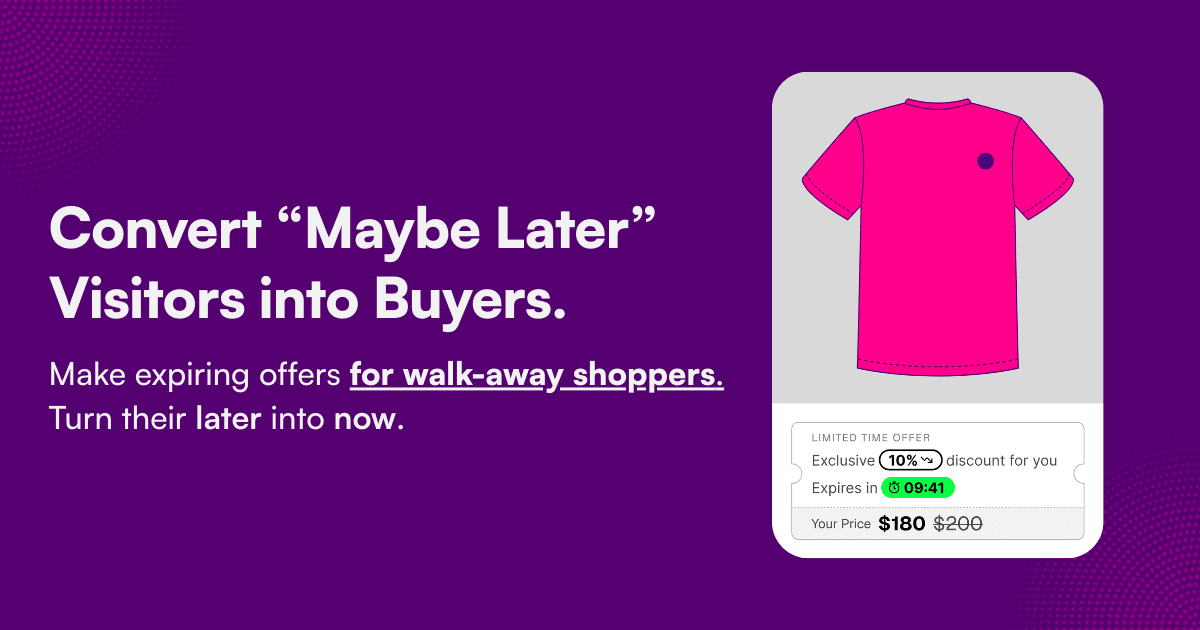
How would you implement a timezone-safe, tamper-proof offer countdown?
Tests distrust of the client and server-side UTC enforcement. Outline: server owns canonical end time; client syncs clock offset to render remaining time; checkout re-validates expiry. Red flag: using local Date.now or localStorage.

What is a conversion funnel? Instrument a three-step onboarding funnel with events.
This tests translating business funnels into concrete event instrumentation. A strong answer outlines three ordered steps, names exact events like user_signed_up and project_created, and notes unique-user counting.
How would you track a 'Sign Up' button click end-to-end?
It tests your ability to instrument a custom event and validate the pipeline. Attach a gtag listener to the button, fire a sign_up_click event, then confirm the hit in GA4 DebugView or real-time reports.
How do you track events and calculate funnel drop-off?
Tests event mapping and funnel math. Answer: one event per step (page view, email submit, profile done); compute relative step conversion and overall rate from top; deduplicate users. Red flag: raw pageviews instead of uniques.
How do you attribute signups to Facebook, Google, and blog campaigns?
This tests URL-based campaign attribution and session persistence. A strong answer covers UTM tags, landing page parsing, cookie storage, and writing the source to the user record at signup.

What fields belong in an experiment tracking event?
Tests disciplined schema thinking over random fields. Strong answers cite a tracking plan with event and user properties, environment separation, and consistency. Red flag: dumping data without a schema or single source of truth.
How do you instrument a marketing funnel versus a product-led growth loop?
This tests if you distinguish linear attribution from compounding systems. A strong answer contrasts stage-tracking and CAC with viral-coefficient instrumentation, cycle-time velocity, plus identity resolution.

What counter metrics track health of weekly active users?
Tests whether you can spot growth-at-all-costs blind spots. A strong answer pairs WAU with 7-day retention, sessions per user, and error rate, mapping each to churn, shallow engagement, or bugginess.
Growth Meeting Cadence: Focus on Learnings, Not Updates
Run your weekly growth meeting like a learning synthesizer, not a status report. Focus on extracting insights from experiments to drive future impact. The biggest mistake is wasting time on "what" you're doing; handle status updates asynchronously.
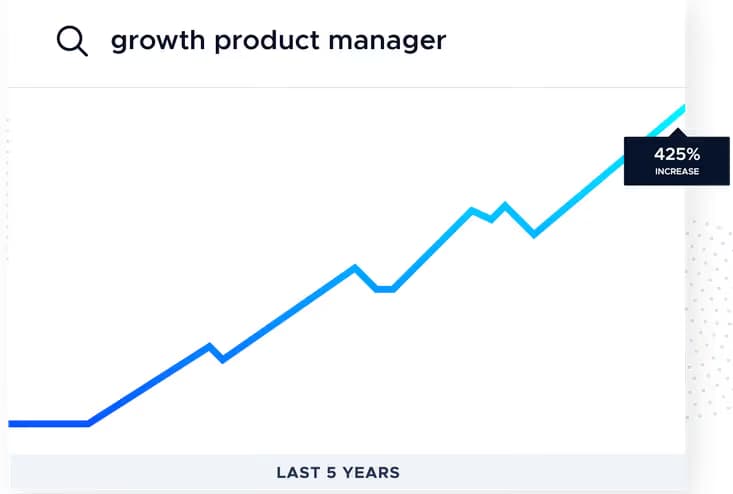
Growth Product Manager: Driving Metrics, Not Just Features
A Growth PM is a business optimizer for an existing product. They focus on moving a single metric like user activation or retention, often through rapid experimentation. This role is key in product-led companies where the product must sell itself.

ETL vs. ELT: When to Transform Your Data
ETL (Extract, Transform, Load) preps data before storage, like a chef prepping ingredients. ELT loads raw data first, transforming it inside the warehouse. Use ETL for structured reporting; use ELT for flexibility with raw data.
Linear Regression: Forecasting with a Straight Line
Linear regression forecasts the future by drawing a straight line through past data. It's used to predict outcomes like sales based on ad spend or energy use based on temperature.
Growth Accounting: What's Really Driving Your Growth?
Growth accounting splits your growth into two parts: adding more resources (like ad spend) and getting better with what you have. Use it to see if growth came from a bigger budget or a better product.
Freemium Model: Free Forever, Pay for More
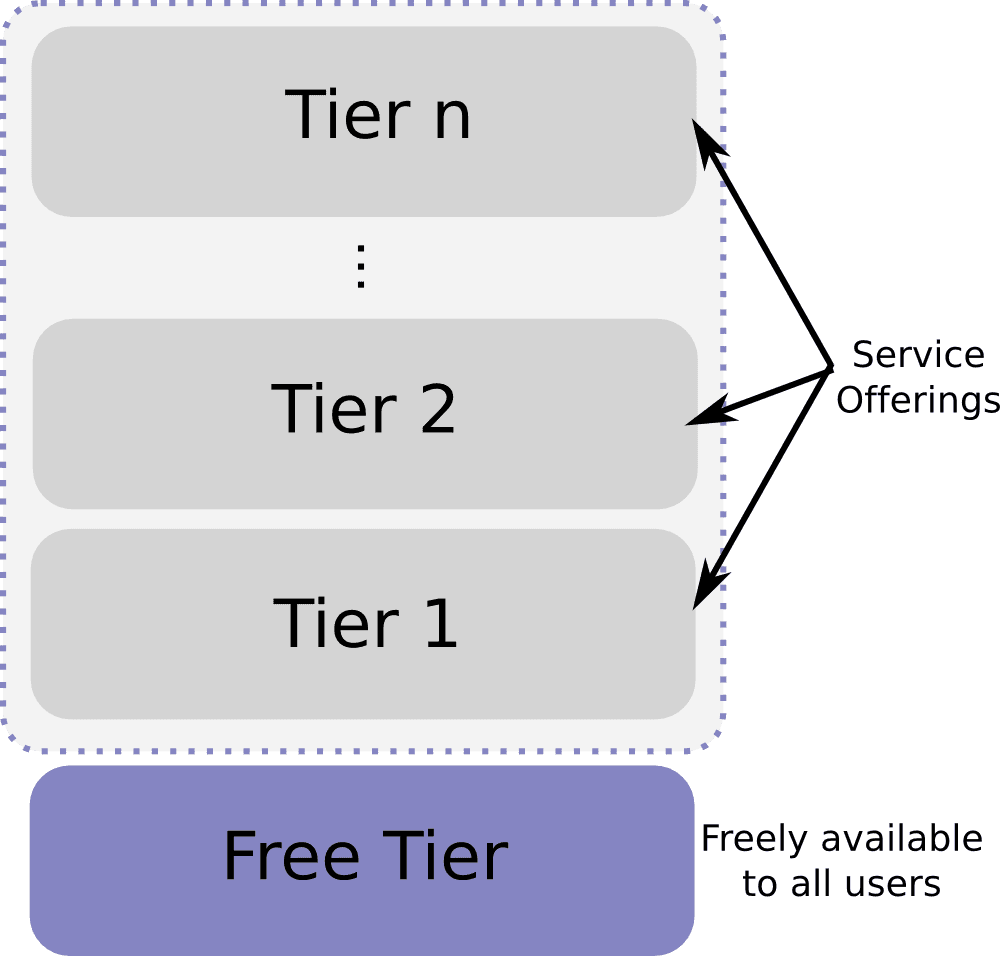
The Freemium model offers a basic product for free, charging only for premium features, services, or goods. This pricing strategy is common in software and video games (as "free-to-play").
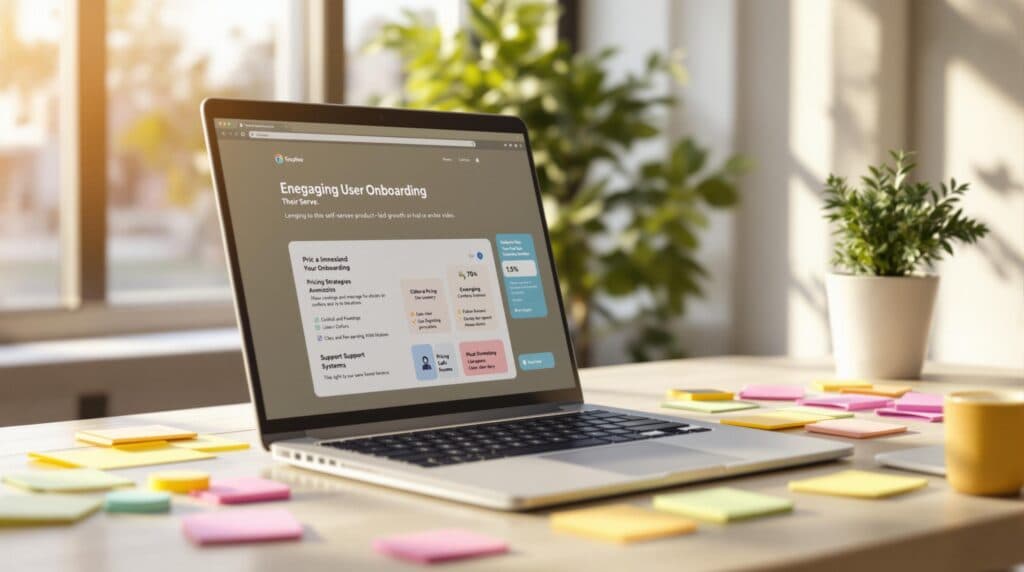
The Self-Serve Funnel: Let Your Product Do the Selling
A self-serve funnel lets users discover, try, and buy your product without talking to a human, making the product the main sales driver. It powers rapid growth for companies like Slack. The main footgun is poor onboarding; if users get stuck, they churn.
Average Revenue Per User (ARPU)
ARPU is the average revenue each user generates, a pulse check for a subscription business's health. It's used by media and SaaS companies to track if users are becoming more valuable, but it can be skewed by a few high-paying "whales."
Subscription Business Model: Renting Access, Not Selling Products
A subscription model rents access to a product instead of selling it, creating predictable, recurring revenue. It's common for digital goods like streaming services or SaaS.
Freemium: Give Away the Basics, Sell the Upgrades
Freemium gives away a useful core product for free to attract a large audience, then sells premium features to a small subset of users. It's common in apps and games. The footgun is miscalibrating the free tier: make it too good and no one pays.
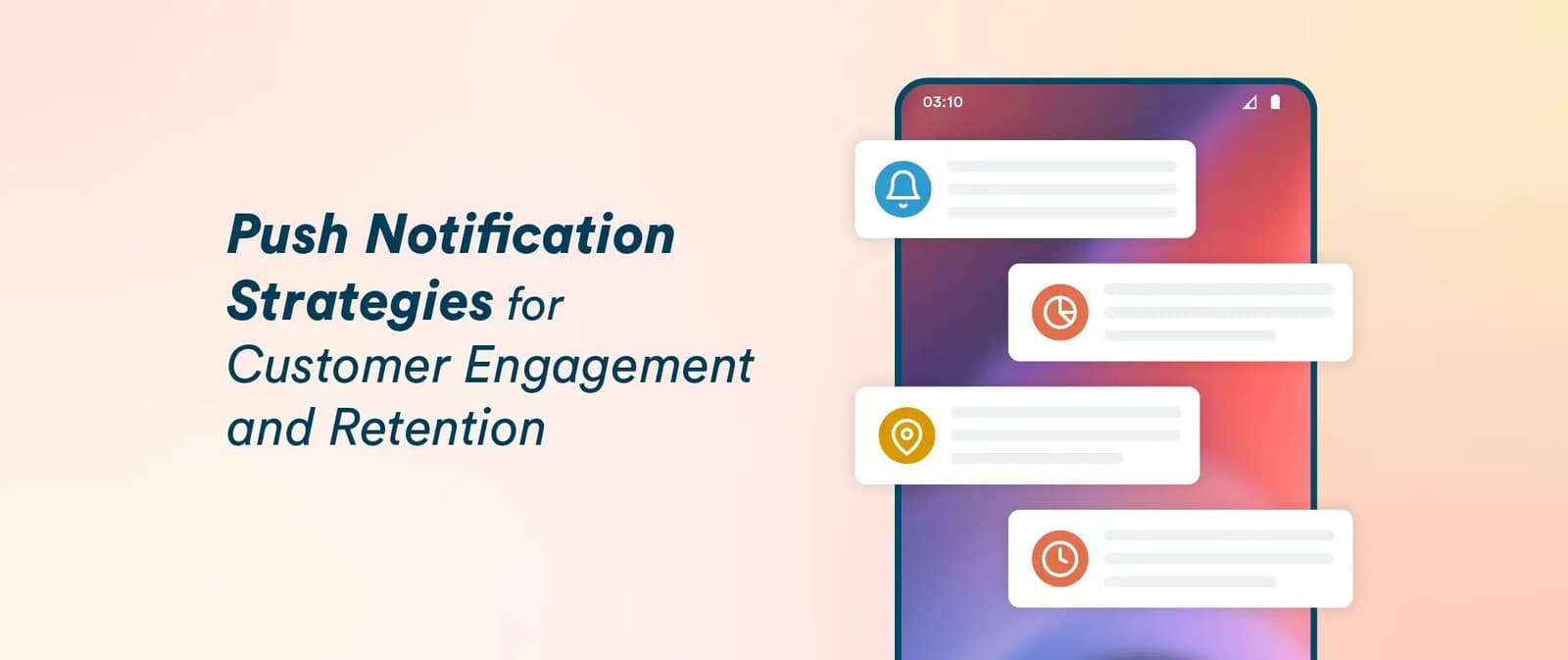
Push Notifications: Strategy Over Noise
A push notification strategy treats a user's lock screen like rented real estate, not a free megaphone. It's used by mobile apps to re-engage users with timely value, like sales or reminders.
We are hiring for this. Every open role lists the topics its interview covers, so you can prepare for the real thing rather than guessing.
See open roles