More in Growth & Experimentation — page 14
RARRA Framework: Retention Over Acquisition
The RARRA framework flips the classic AARRR funnel, prioritizing Retention over Acquisition. In crowded markets, it's cheaper to keep a user than to find a new one. Use it when acquisition costs are high.
Customer Lifetime Value (LTV): A Customer's Future Net Profit
LTV predicts the total net profit a customer will generate over their entire relationship. It's used to set marketing budgets and prioritize features for high-value users.
Churn Rate: How Fast Your Business is Leaking
Churn rate is your business's leak rate—the percentage of customers lost over a period. It's a vital health metric for subscription services like SaaS or streaming. The footgun?

User Activation: Engineering the 'Aha' Moment
User activation engineers the 'aha' moment when a new user first experiences your product's value. It's measured by a key action, like sending a message in Slack, that predicts retention.
The Customer Lifecycle: From Prospect to Advocate
The customer lifecycle maps the journey from first contact to loyal advocate. It's used to decide when to send a welcome email (acquisition), a loyalty discount (retention), or a 'we miss you' offer (win-back). The footgun is focusing only on acquisition.
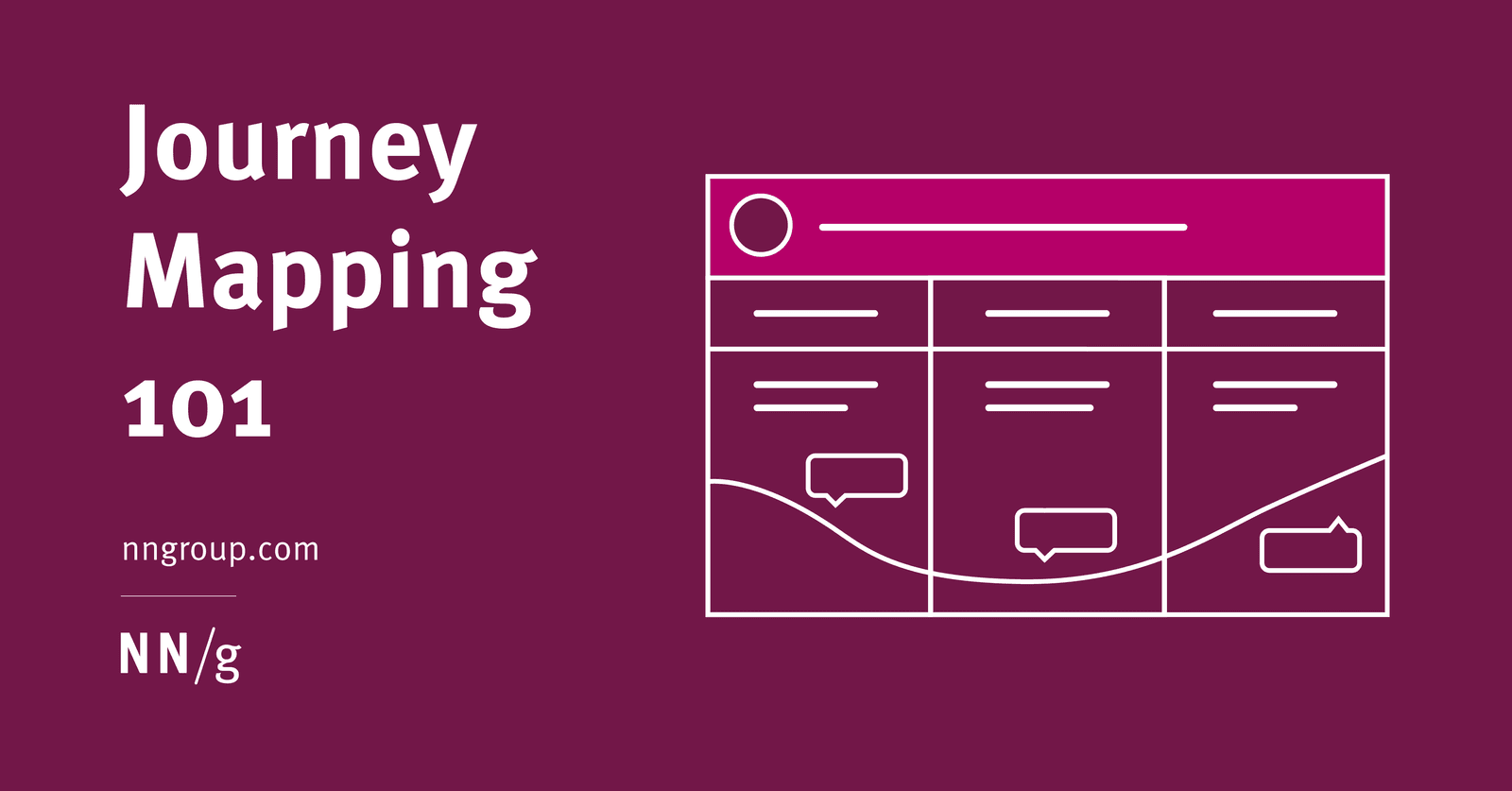
User Journey Mapping: Seeing Your Product Through a User's Eyes
A user journey map tells the story of a user achieving a goal, visualizing their actions, thoughts, and feelings from start to finish. It's essential for understanding complex, multi-channel processes.
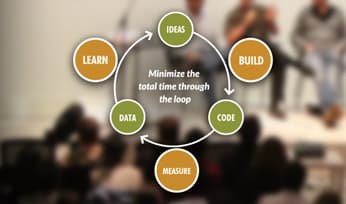
The Pivot: A Structured Change in Strategy, Not Vision
A pivot is a structured course correction, not a restart. You change strategy based on validated learning from your MVP when data shows your initial hypothesis was wrong. The footgun is pivoting on a whim instead of data, or failing to pivot despite it.

ICE Score: A Quick Framework for Prioritizing Ideas
The ICE score is a quick framework for ranking ideas by asking: what's the potential Impact, our Confidence in the outcome, and the Ease of implementation? Growth teams use it to prioritize experiments, balancing big bets with quick wins.

High-Tempo Testing: Move Faster Than Your Channels Decay
High-tempo testing treats growth as a continuous experiment, not a one-time campaign. Since marketing channels decay quickly, this lets you find new wins across the entire user journey.