Everything in Growth & Experimentation, page 12
Lookalike Audiences: Find More of Your Best Customers
Lookalike audiences find new customers by algorithmically modeling your best existing ones. Ad platforms like Facebook use your "seed" list of high-value users to find a much larger group of statistically similar people to target with ads.
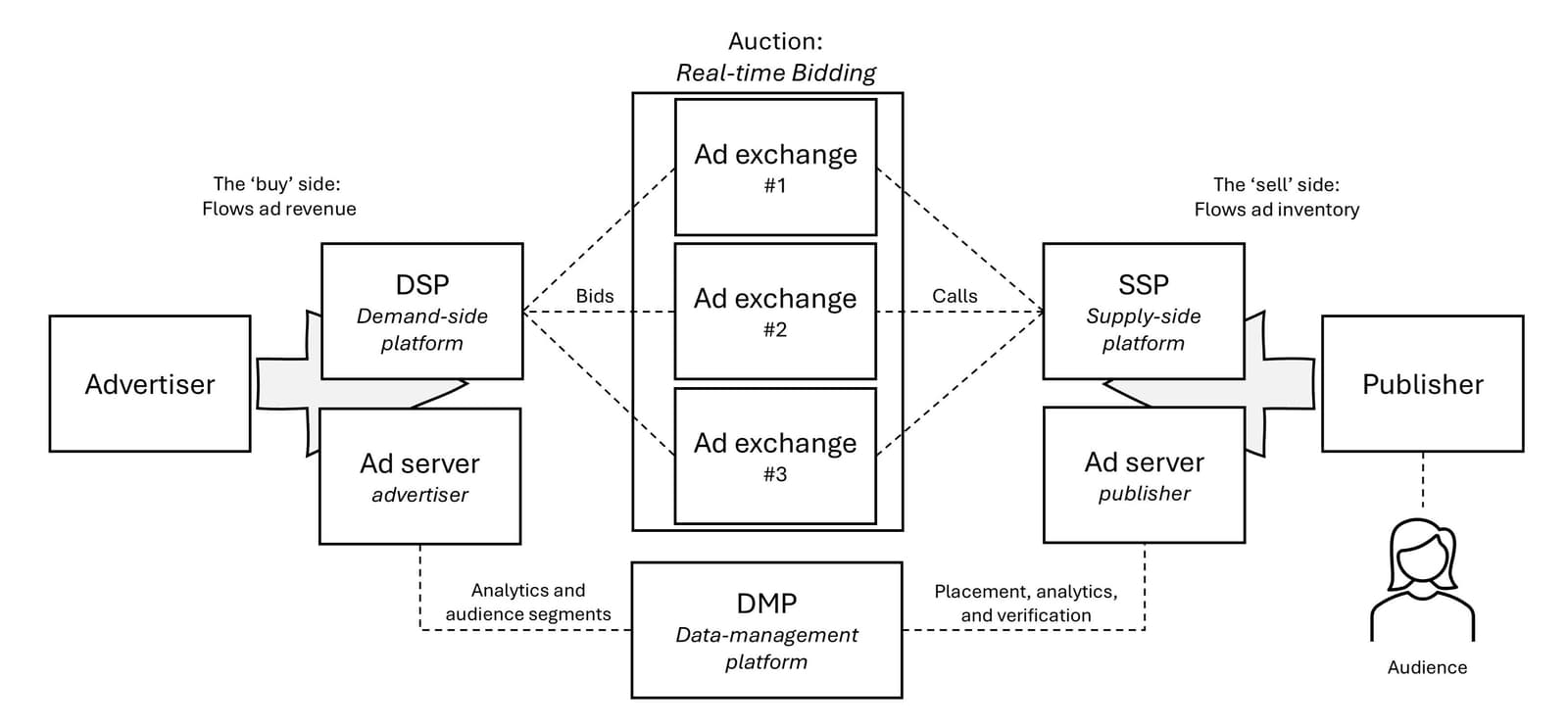
Demand-Side Platform (DSP): Your Ad-Buying Robot
A DSP is an automated bidding system for advertisers, like a stock trading bot but for ad space. It lets them buy impressions across many publisher sites from one interface, targeting users in real-time auctions.
Programmatic Advertising: A Stock Exchange for Ads
Think of programmatic advertising as a stock exchange for ad impressions. It automates buying ad space via real-time auctions, letting you target specific users across the web. The main footgun is paying for fraudulent bot traffic or appearing on unsafe sites.
Cost Per Mille (CPM): The Price of 1,000 Ad Impressions
CPM is the price for 1,000 ad impressions, a common metric for brand awareness campaigns. It's like buying billboard space online. The footgun is confusing low cost with high value; CPM measures exposure, not engagement or conversion.
App Store Optimization (ASO): SEO for Mobile Apps
ASO is SEO for app stores, aiming to get your app seen and downloaded organically. It involves optimizing keywords, screenshots, and reviews to rank higher in search and charts.
Display Advertising: Renting Billboards on the Web
Display advertising is like renting billboards on third-party websites, using banners and videos to reach users where they are. It's used for brand awareness and retargeting. The footgun: judging success by clicks alone ignores its value in brand lift.
Referral Marketing: Turning Customers into a Sales Force
Referral marketing turns happy customers into a trackable sales force. Instead of just hoping for word-of-mouth, you actively incentivize users to refer friends. The footgun is treating it as a passive process rather than an active, trackable campaign.
Affiliate Marketing: Your Extended, Commission-Only Sales Team
Affiliate marketing is like having a commission-only sales team. You pay partners for actual results—sales or signups—not just for ad views. It's used by e-commerce stores with bloggers or SaaS companies rewarding referrals.
Email Marketing: Your Direct Line to Customers
Email marketing is your owned communication channel, a direct line to customers not controlled by an algorithm. Use it to nurture leads, announce features, or drive sales. The footgun is sending generic blasts instead of segmenting for relevance.
Social Media Marketing (SMM)
Social media marketing (SMM) is a two-way conversation, not a digital billboard. It uses platforms like Instagram or TikTok to build a brand, launch products, and gather feedback directly from customers.
Content Marketing: Earn Trust, Not Just Clicks
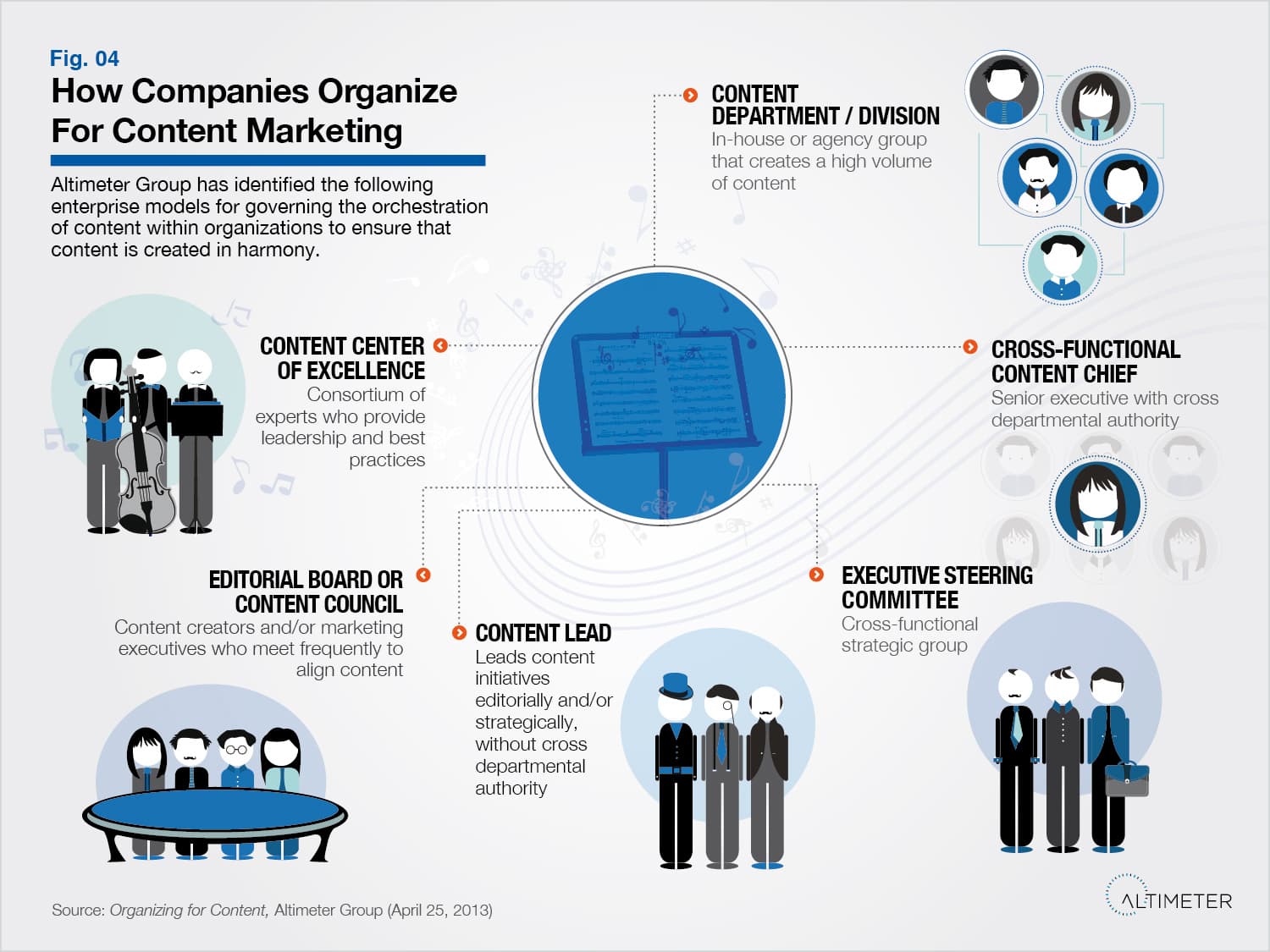
Content marketing earns trust by giving away valuable information for free. It's used in company blogs or whitepapers to attract an audience by solving their problems, not just pushing a product.
Search Engine Marketing (SEM): Paying for Clicks
Search Engine Marketing (SEM) is paying to place your website at the top of search results. It drives immediate, targeted traffic for product launches or lead generation, unlike the slow build of SEO.
Search Engine Optimization (SEO): Earning, Not Buying, Traffic
SEO is the practice of making your website attractive to search engines to earn unpaid traffic, not buy it with ads. It's crucial for being discovered via Google or Bing. The biggest footgun is treating it as a one-time trick, not a continuous process of.
Bonferroni Correction: Raising the Bar for Significance
The Bonferroni correction prevents finding false positives when running many tests by making your significance threshold stricter for each one. It's used in A/B tests with multiple variants.
Regression to the Mean: Why Outliers Settle Down
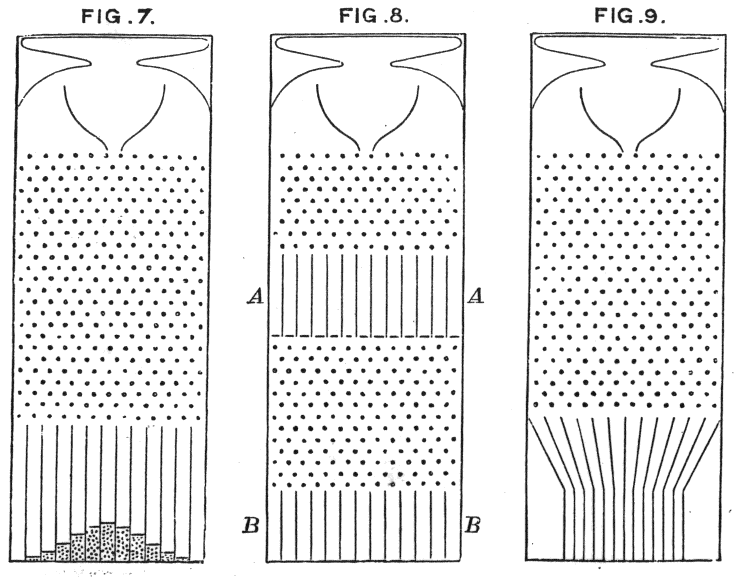
Extreme results are part skill, part luck. Regression to the mean is the principle that luck evens out, so a follow-up measurement will be closer to the average. This impacts A/B tests and performance analysis.
Novelty and Learning Effects in A/B Testing
The novelty effect is a temporary metrics lift from curious users exploring a new feature. The learning effect is the opposite: a dip as users struggle with a change. Both can mislead A/B tests if you don't run them long enough to see the true.
Chi-Squared Test: Are These Two Things Related?
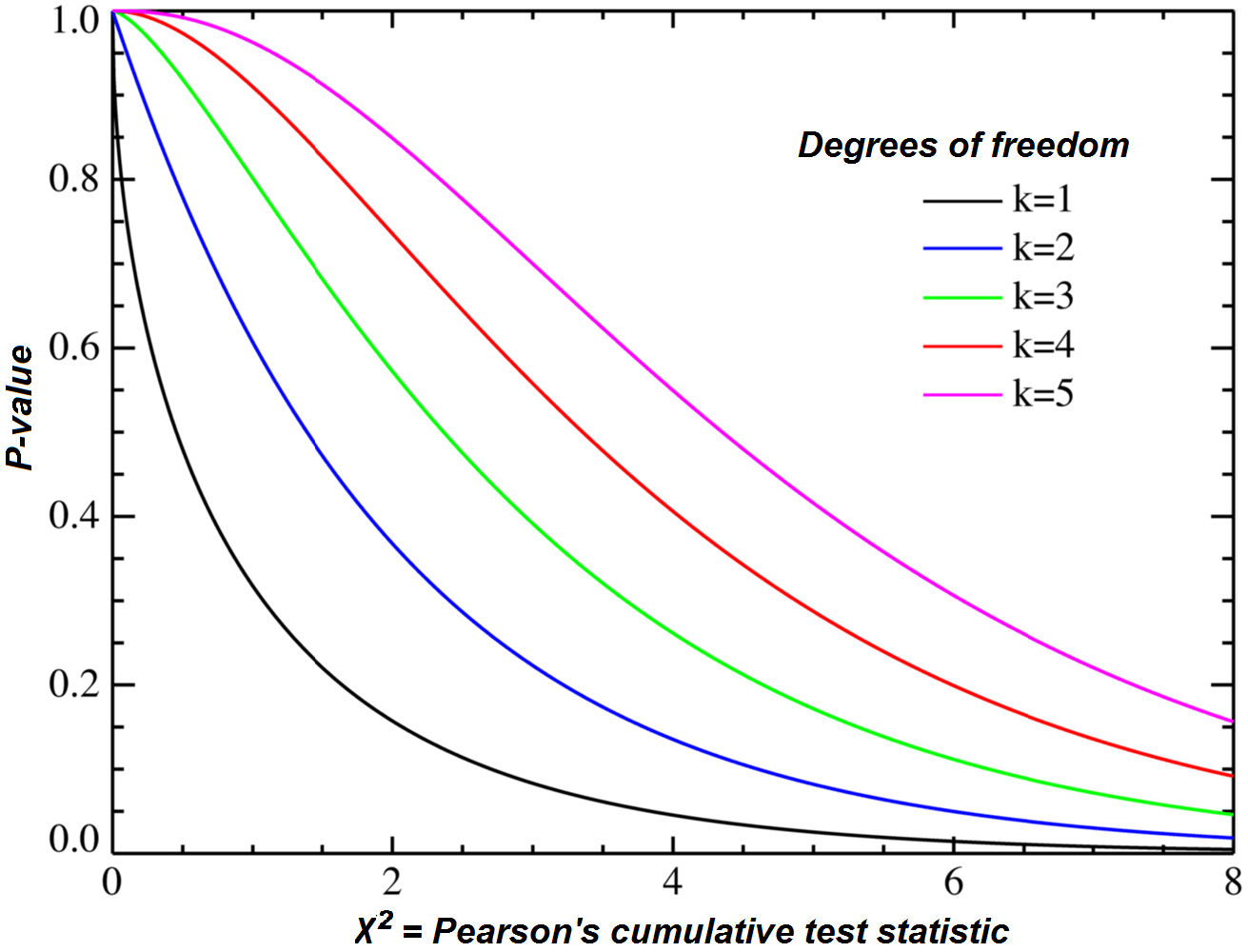
A Chi-Squared test detects 'surprising' differences between what you observe and what you'd expect. It's used to check if two categorical variables, like a landing page variant and a user's sign-up action, are independent or related.
Student's t-test: Is This Difference Real or Just Noise?
A t-test tells you if the difference between two group averages is statistically significant, especially with small samples. It's used in A/B testing to see if a new feature actually improved a metric, or if the change is just noise.
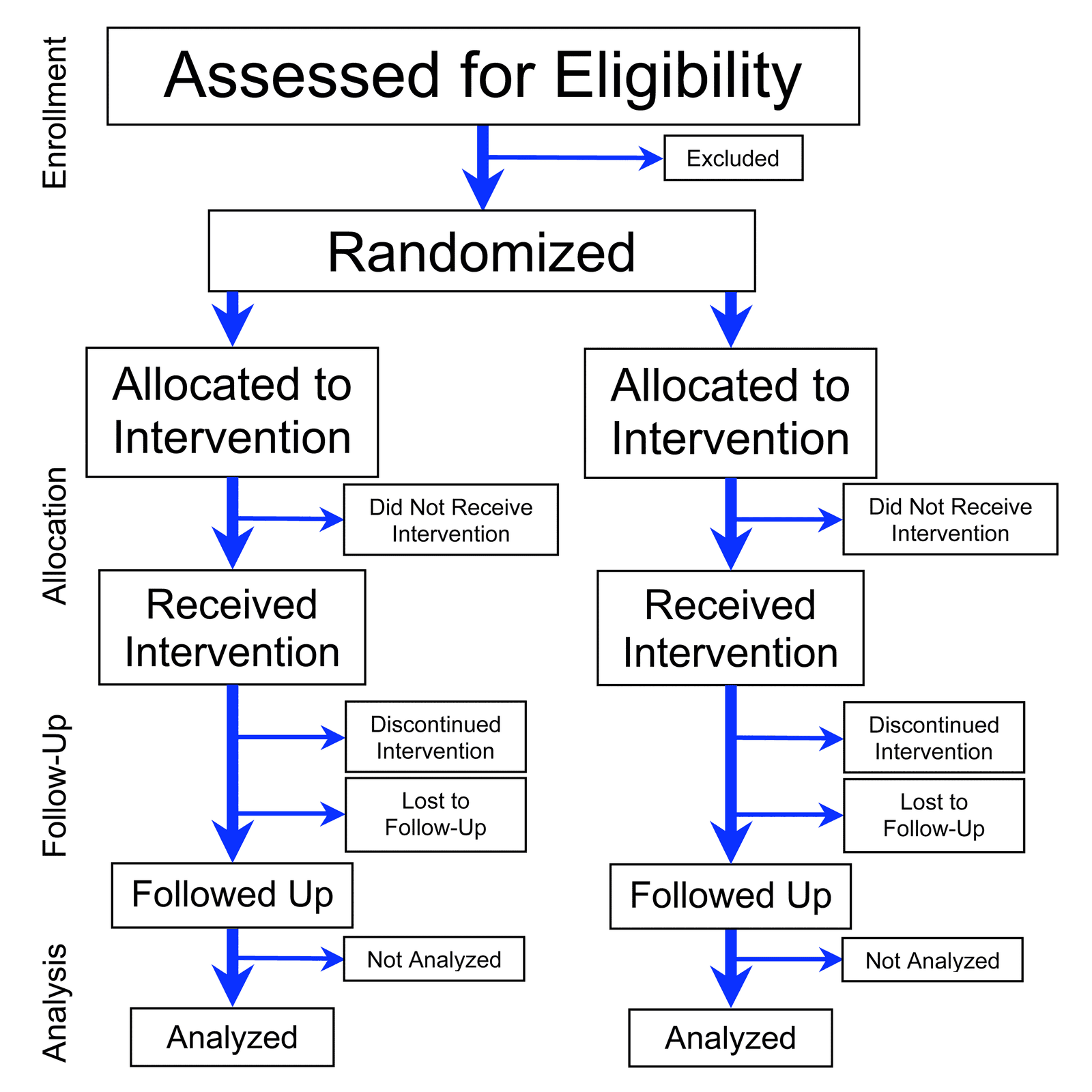
Randomization: The Key to Trustworthy Experiments
Randomization ensures experimental groups are similar before a test begins, like shuffling cards before dealing. This lets you confidently attribute differences in outcomes to your changes, whether in A/B tests or clinical trials.
Null Hypothesis: Assume No Effect Until Proven Otherwise
The null hypothesis is your default assumption: nothing changed. You run experiments to gather enough evidence to reject this default. In A/B testing, the null is that your new feature has no effect, while the alternative is that it does.
We are hiring for this. Every open role lists the topics its interview covers, so you can prepare for the real thing rather than guessing.
See open roles