Everything in Growth & Experimentation, page 11
Subscription Business Model: Renting Access, Not Selling Products
A subscription model rents access to a product instead of selling it, creating predictable, recurring revenue. It's common for digital goods like streaming services or SaaS.
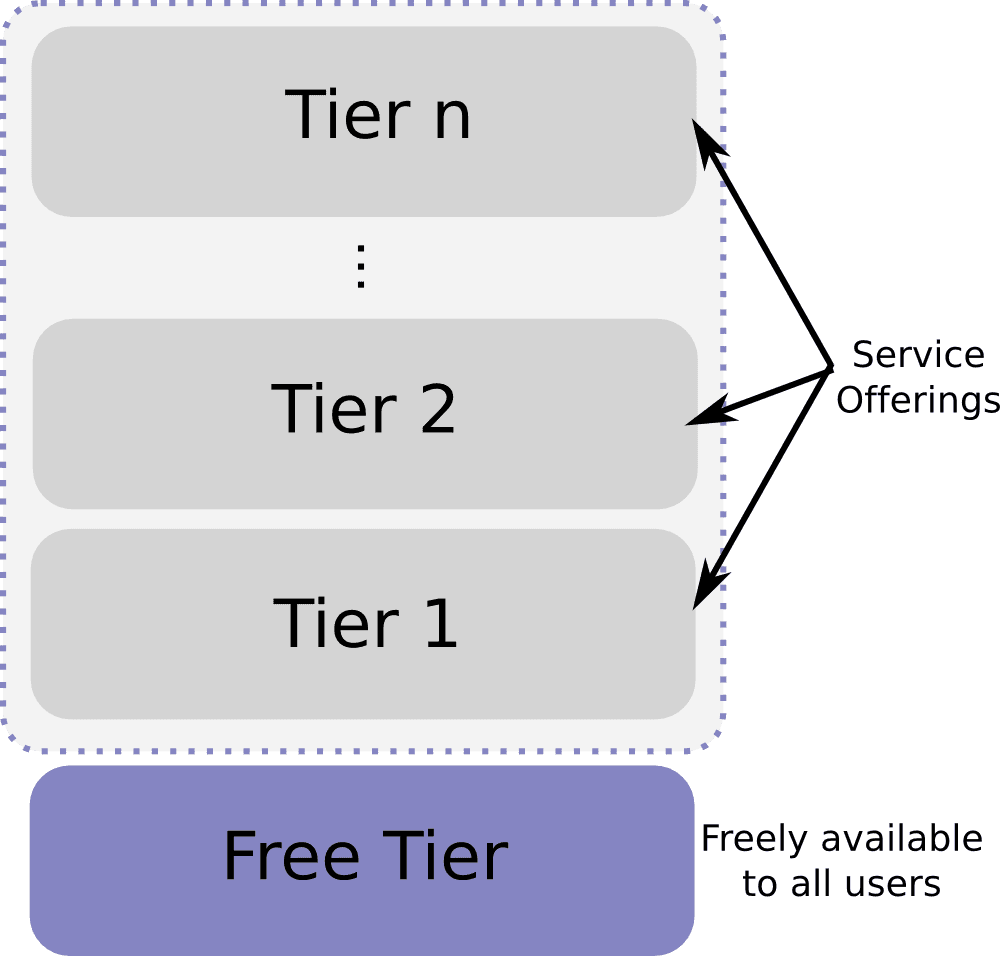
Freemium: Give Away the Basics, Sell the Upgrades
Freemium gives away a useful core product for free to attract a large audience, then sells premium features to a small subset of users. It's common in apps and games. The footgun is miscalibrating the free tier: make it too good and no one pays.
Customer Health Score: A Predictive Churn Signal
A Customer Health Score is like a credit score for customer loyalty, predicting churn risk. SaaS companies use it to focus retention efforts on at-risk accounts before they cancel. The footgun is using vanity metrics like logins over true value signals.
Negative Churn: When Losing Customers Still Means Growth
Negative churn means existing customers upgrade faster than others leave, growing your revenue even if you lose logos. It's a key SaaS metric for variable pricing models. The footgun: you can have negative revenue churn while still losing many customers.
Notification Preference Center: Granular Control to Reduce Churn
A notification preference center gives users granular control, not just a global unsubscribe. It lets them choose what (updates vs. reminders), where (email vs. push), and how often (real-time vs.

Streaks: Engineering Identity Through Loss Aversion
Streaks convert effort into identity, making users fear losing progress more than they enjoy extending it. Apps like Duolingo use this for daily engagement, but the footgun is when the streak itself becomes the goal, trapping users in a loop of loss aversion.
Email Drip Campaigns: Automated User Nurturing
An email drip campaign is an automated conversation guiding a user from one state to another. It's used for onboarding new users or re-engaging inactive ones. The footgun is creating a rigid monologue that ignores user behavior instead of reacting to it.
In-App Messaging: A Guide Inside Your Product
Think of in-app messages as a helpful guide inside your app, not an interruption. They appear based on user actions to provide timely context, unlike push notifications. Use them for onboarding or feature announcements.
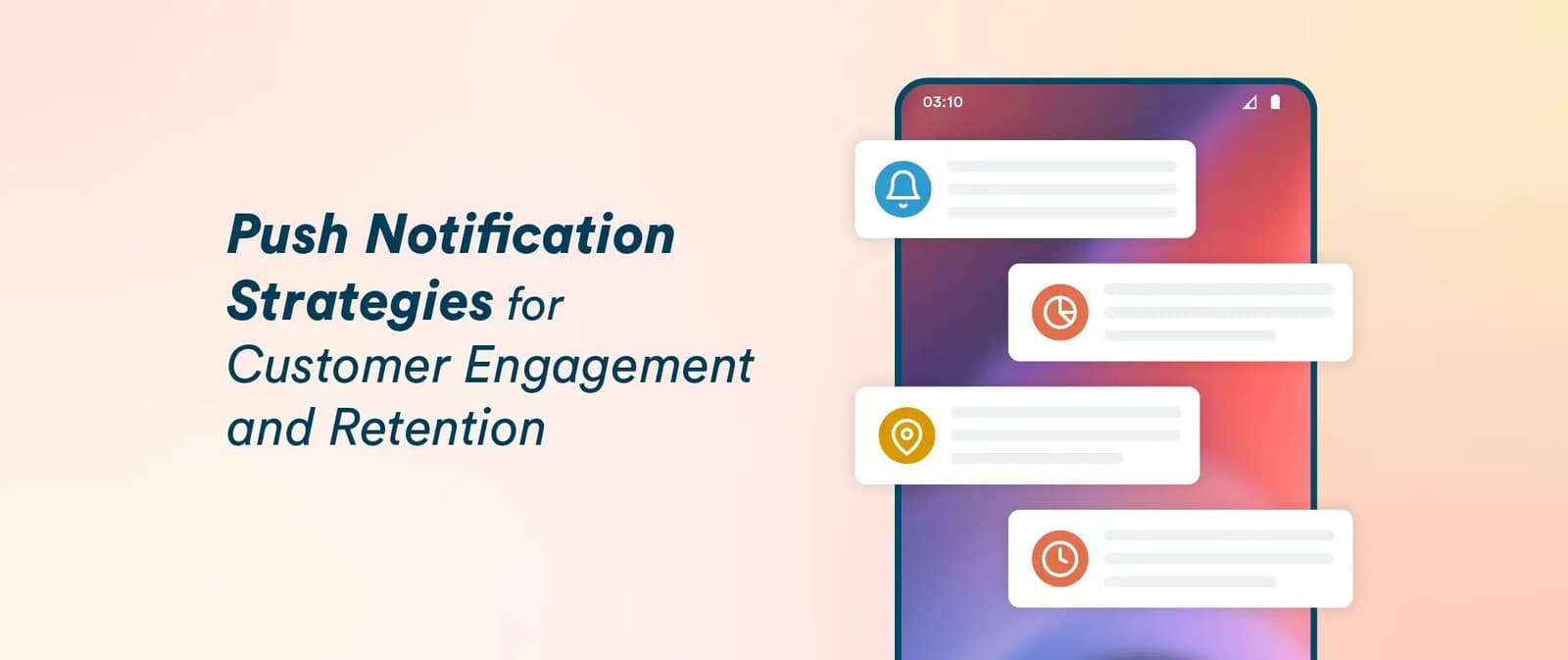
Push Notifications: Strategy Over Noise
A push notification strategy treats a user's lock screen like rented real estate, not a free megaphone. It's used by mobile apps to re-engage users with timely value, like sales or reminders.
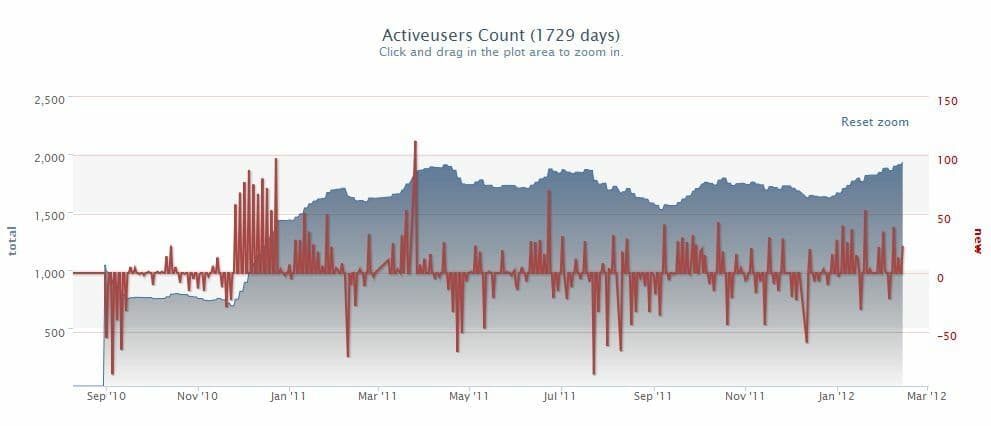
DAU/MAU Ratio: Measuring Product Stickiness
The DAU/MAU ratio measures product “stickiness” by showing what percentage of your monthly users return daily. A high ratio suggests a strong daily habit, common for social or communication apps. The footgun is judging all products by the same benchmark.

Customer Retention: Are Users Sticking Around?
Customer retention measures if users return to your product. It's often more valuable to keep an existing customer than acquire a new one. This is critical for any business relying on repeat engagement, from SaaS to e-commerce.
Onboarding Gamification: Guiding Users with Game Mechanics
Onboarding gamification uses game-like elements to guide new users through key actions, turning a checklist into a challenge. It's used to boost activation by making initial setup feel rewarding, like earning a badge for completing your profile.

Personalized Onboarding: One Size Fits None
Personalized onboarding guides users based on their role or goal, not a generic script. It's key for apps with diverse user types, showing marketers and engineers different paths to value. The footgun is a one-size-fits-all tour that buries their "aha!"
Contextual Onboarding: Just-in-Time User Guidance
Contextual onboarding delivers guidance exactly when a user needs it, triggered by their actions. It introduces core features step-by-step as users explore, preventing overwhelm.
Interactive Walkthroughs: Learn by Doing, Not Just Seeing
An interactive walkthrough teaches by doing. Instead of clicking 'Next,' users must perform the actual task to advance. It's best for critical onboarding flows where learning a workflow is key to activation.
Progressive Disclosure: Show Less, Reveal More
Progressive disclosure manages complexity by showing only essential features upfront, like a "Read More" button for your UI. It's used in print dialogs and e-commerce specs to avoid overwhelming users.
Welcome Email Sequence: Guide Users from Signup to Value
A welcome email sequence guides new users from sign-up to experiencing your product's core value. It's crucial for SaaS products to reduce churn by encouraging key actions. The footgun is sending just one email and hoping users figure out the rest.
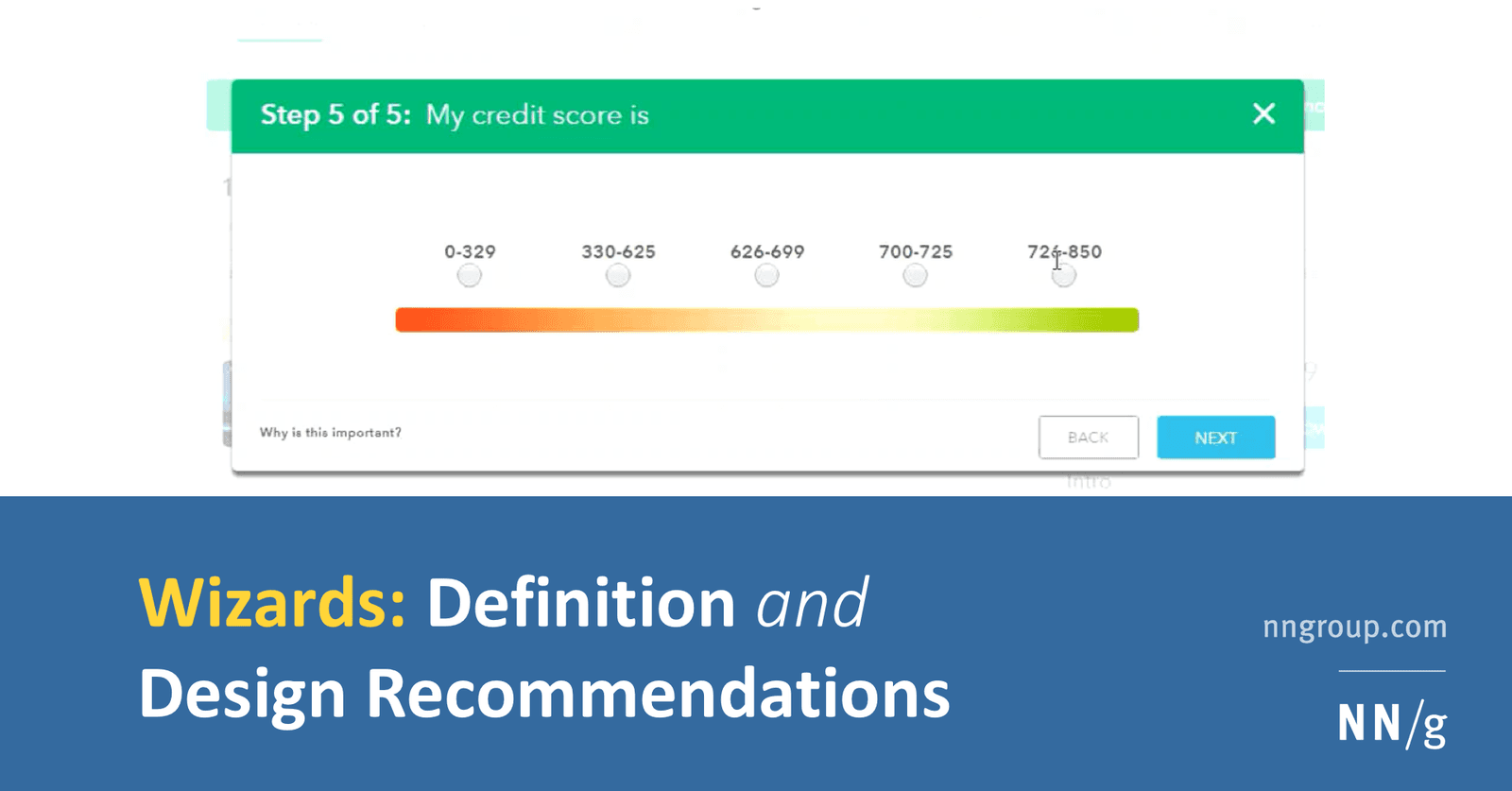
Setup Wizard: Guiding Users Through Complexity
A setup wizard turns a complex form into a simple, step-by-step conversation. It's ideal for infrequent but critical tasks like software installation, where the system determines the next best step. The footgun: A true wizard alters the user's *path*.
Onboarding Checklists: Guide Users to Their 'Aha' Moment
An onboarding checklist is a guided to-do list showing new users the key actions to find value. It bridges the gap between a first tour and independent use, increasing task completion by 20-30%.
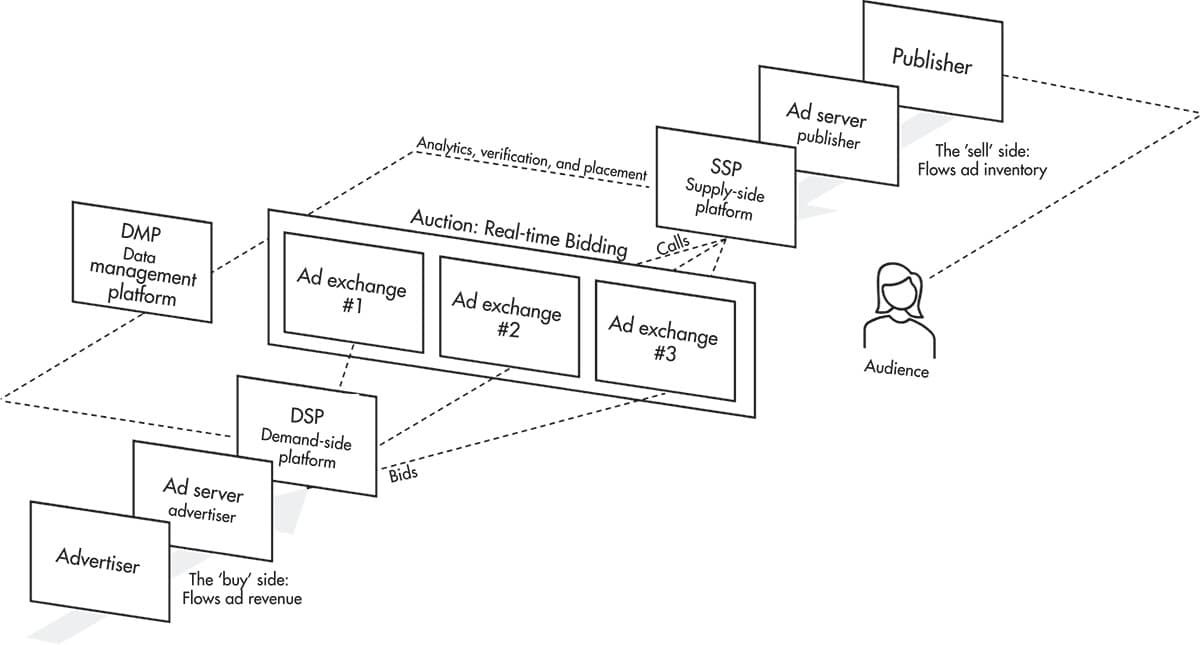
Real-Time Bidding (RTB): An Instant Auction for Every Ad
RTB treats every ad slot like a stock trade. The moment a page loads, an auction runs in milliseconds for advertisers to bid on showing their ad to you. It's how hyper-targeted ads appear instantly across different websites.
We are hiring for this. Every open role lists the topics its interview covers, so you can prepare for the real thing rather than guessing.
See open roles