Everything in Growth & Experimentation, page 4

What differentiates leading and lagging indicators for subscriptions?
Leading indicators forecast; lagging indicators confirm. Subscriptions: activation rate leads, MRR lags.

Why is extrapolating 5% weekly growth naive for annual forecasting?
This tests knowledge of extrapolation limits. A strong answer cites market saturation, seasonality, and channel exhaustion as invalidating factors, and notes that compounding 5% over 52 weeks magnifies error.

What data and approach for a simple 30-day DAU forecast?
Tests forecasting from sessionized logs without overengineering. Cite timestamped events, a 30 min session rule, and a regression baseline with day-of-week, recent totals, scored with MAE. Red flag: deep learning before a baseline or ignoring privacy hashing.

What data pipelines and infrastructure feed a viral user acquisition model?
Tests causal attribution architecture. Great answers cover invite instrumentation with identity resolution, streaming pipelines that split organic and viral signups, and feature stores for network-state features.

Architect real-time usage-based billing for a PLG company
This tests event-driven metering, idempotent aggregation, and pricing decoupling at scale. A strong answer outlines real-time ingestion, stream processing for micro-events, a rules-based pricing engine, and dashboards with reconciliation.

Design a multivariate experimentation platform with collision-free concurrent bucketing and cross-device consistency
Tests orthogonal layers and cross-session assignment persistence. Cover: deterministic hashing per layer, a user profile service for sticky bucketing, and stable ID resolution across devices. Red flag: random bucketing or local storage breaking consistency.

Walk me through a magic link login system and its security considerations
Tests auth architecture and threat modeling for passwordless flows. Strong answers map request-token-email-verify-session, then harden with short expiry, single-use tokens, rate limits, and device binding.

How would you enforce a 3-project freemium limit and handle upgrades?
Tests entitlement and growth tradeoffs. Strong answers use API-level enforcement, atomic checks to prevent concurrent overages, soft upsell prompts preserving context, and async billing webhooks. Red flag: UI checks or limits in the projects table.

Design referral tracking from invite to conversion
Tests data modeling for multi-stage conversion tracking. Strong answers separate codes from conversion events, model status transitions, and enforce unique constraints. Weak answers merge invite and reward into one table or store denormalized counts on users.
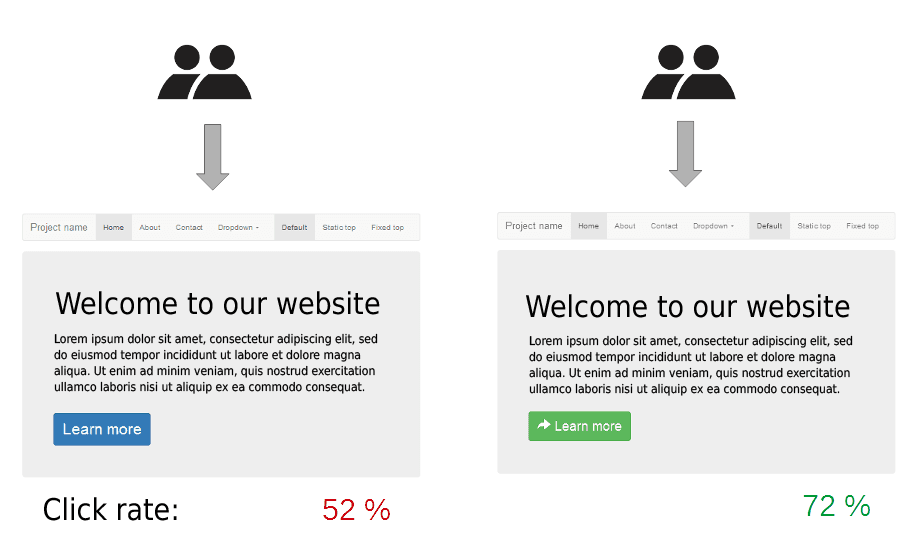
Implement a 10% onboarding tutorial feature flag and track success
Tests lightweight experiment design and metric selection beyond vanity numbers. Strong answers cover user-ID bucketing, conversion tracking, and guardrail metrics like drop-off. Red flag: manual toggles or click-through without downstream outcomes.

How would you instrument a key activation milestone event?
Tests schema design beyond a bare event name. A strong answer includes the event key, user ID, timestamp, and properties like project_id and is_first_project. Red flag: omitting the user ID or sending only a human-readable label without structured context.
How would you design international monetization with multi-currency and tax?
Localized pricing, jurisdictional tax, gateway routing, async reconciliation.
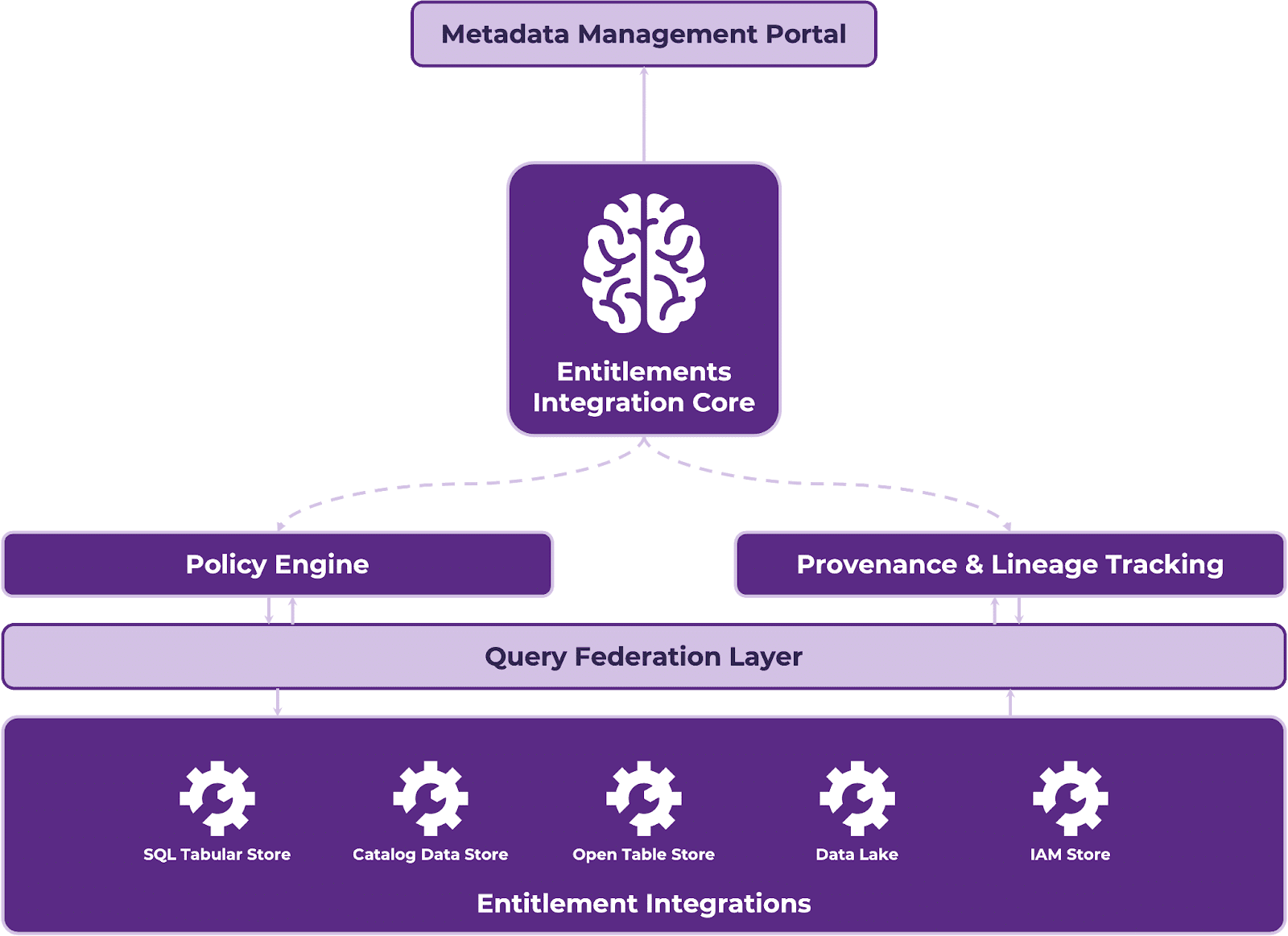
Design a highly available entitlements service with caching
This tests balancing read performance with consistency in access control. A strong answer proposes tiered caching with proactive invalidation, read-optimized hot paths, and event-sourced temporary grants.

What are the key architectural differences between freemium and free trial models?
Contrast tiered entitlements against trial timers and revocation; discuss free-user overhead and conversion tracking.
How would you instrument an application to calculate Customer Lifetime Value?
Tests whether you tie revenue and cost events to persistent identity and model cohort retention. Outline: track purchases, CAC, and churn with persistent IDs; project value via retention curves.
Design a system to handle subscription renewals
States include active, past_due, and cancelled; transitions are payment success, dunning exhaustion, and grace expiry; use idempotent webhooks.
How do you ensure consistent A/B test variants across sessions and devices?
Tests stable identity and delayed attribution. Fix: one stable user ID for SDK bucketing, persisted across devices via login or first-party cookies, attached to every conversion event. Never use per-device randomization or third-party cookies.

Model a 3-month 20% promo discount and apply it at billing
This tests separating coupon rules from per-user redemptions. Good answers use a coupons table for the 20%/3-month rule, a redemptions table for usage, and apply the discount to the first three invoices. A red flag is hard-coding the discount on the user row.

What schema changes are needed to add a Pro subscription tier?
This tests normalization of billing data versus hardcoding tiers. Add a plans table with integer cents pricing, link subscriptions via plan_id, and leave users untouched. Red flag: adding a tier string column to users or storing prices in subscriptions.

Design a real-time personalized notification trigger system
Stream events to a delayed queue, expose a rule UI to non-technical users, and deliver idempotently.
We are hiring for this. Every open role lists the topics its interview covers, so you can prepare for the real thing rather than guessing.
See open roles