Easy everything in MLOps & Infrastructure, page 3
Workflow Engine: The Conductor for Your Business Logic
A workflow engine conducts your business logic, ensuring complex tasks run in the right order. It's for multi-step processes like order fulfillment or data pipelines. The footgun is building one from scratch—you'll poorly reinvent state management and retries.

Inference Throughput: How Many Predictions Per Second?
Inference throughput measures how many predictions your system can make per second, not how fast a single one is. It's the system's total capacity, critical for high-volume tasks like recommendation engines. The footgun is confusing it with latency.
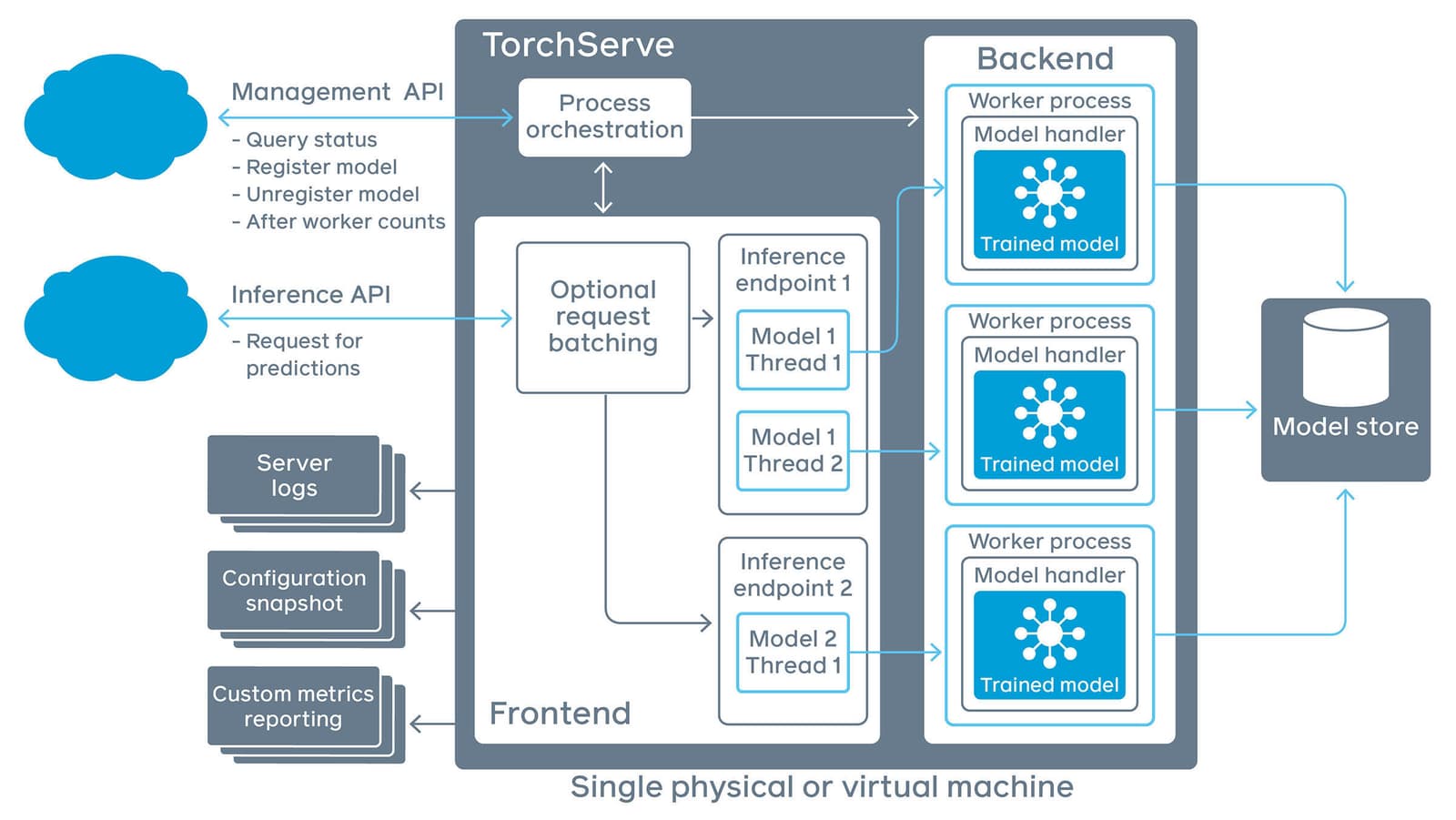
TorchServe: Serving PyTorch Models in Production
TorchServe is a web server for your PyTorch models, turning them into production-ready API endpoints. It's used to expose trained models over a network via REST or gRPC for inference, handling batching and multi-model serving.
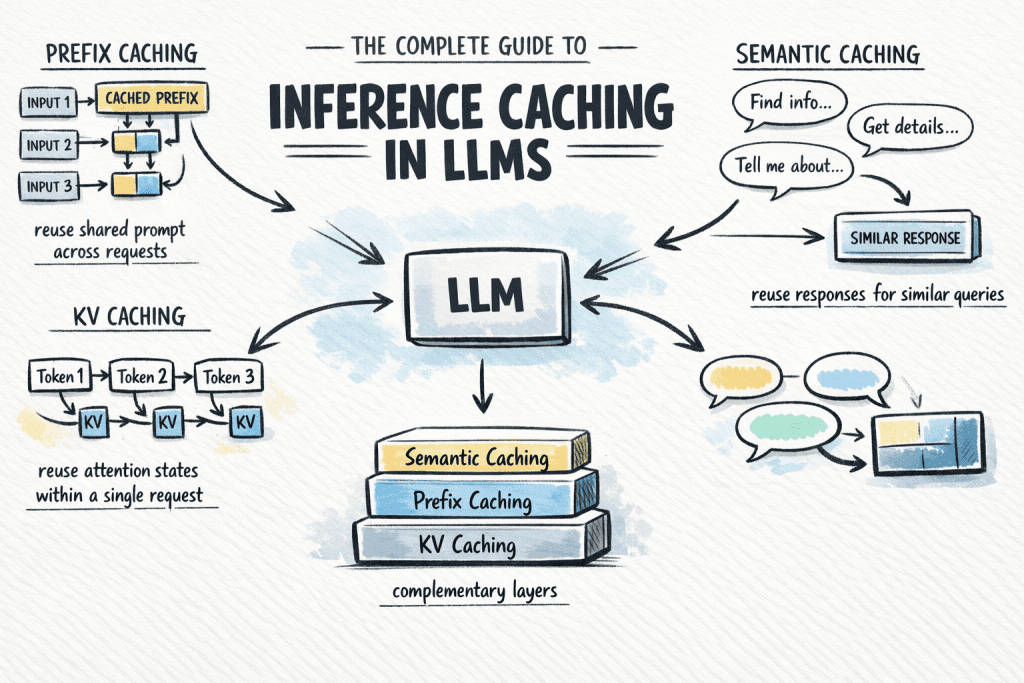
LLM Inference Caching: Pay for Computation Once
LLM inference caching reuses past computations to cut costs and latency. It avoids reprocessing shared system prompts or serves full answers for common queries without hitting the model. The footgun: semantic caches can return a "similar" but incorrect answer.

Load Balancing for Model Serving
A load balancer is a traffic cop for your AI model's API, directing requests to multiple model copies to prevent overload. It's essential for production systems to ensure high availability. The footgun is forgetting health checks, causing failed requests.
Batch Inference: High Throughput, Not High Speed
Think of batch inference as processing a day's mail at once, not as each letter arrives. It trades immediate answers for cost-effective, high-volume predictions, like generating daily product recommendations. The footgun is using it for real-time needs.
Online Inference: Predictions on Demand
Online inference is a vending machine for predictions: you make one request and get one result back immediately. It powers real-time features like fraud detection or content moderation.
Unit Testing ML: Beyond Standard Code Checks
Unit testing for ML isn't just about code logic; it's about checking data, models, and infrastructure in isolation. Use it to validate data transformers, check model prediction shapes, or confirm a function handles nulls.
Git-Based CI Triggers: Automating on Events
Think of Git events like push or pull_request as the "play" button for your automation. This is how CI systems automatically run tests on new code. The footgun is using broad triggers, like push on all branches, which causes costly and redundant runs.
Slash ML Training Costs with Spot Instances
Spot Instances are like flying standby for compute: you get a massive discount but can be 'bumped' if someone pays full price. Use them for ML training jobs that can be paused and resumed. The footgun is using them for tasks that can't tolerate interruption.
NVIDIA CUDA: General-Purpose GPU Computing
CUDA unlocks a GPU's thousands of cores for general-purpose computing, not just graphics. It's key for accelerating tasks like machine learning by running the same operation on massive datasets in parallel.
Python Virtual Environments: Isolate Project Dependencies
A Python virtual environment is a self-contained directory with its own Python interpreter and packages, preventing dependency conflicts between projects. The biggest mistake is checking the environment folder into source control; it's disposable and meant to…
TensorBoard: The Dashboard for Your ML Model
TensorBoard is the dashboard for your ML model, showing what's happening inside during training. It tracks key metrics like loss and accuracy, visualizes the model's structure, and helps you debug performance. The main footgun is not logging the right data.
Data Labeling: Teaching Machines What to See
Data labeling gives raw data meaning so a machine learning model can learn. It's used to prepare datasets for tasks like object detection in images or sentiment analysis in text. The footgun: low-quality labels directly limit your model's performance.
Data Lake vs. Data Warehouse: Raw vs. Refined Data
A data lake is a vast pool of raw data; a data warehouse is a library of refined data ready for analysis. Lakes store everything for future ML or data science; warehouses power BI reporting on clean metrics.

MLOps vs. DevOps: More Than Just "DevOps for ML"
Think of MLOps as DevOps extended for machine learning. While DevOps automates code deployment, MLOps also handles the unique lifecycle of data and models, including retraining and monitoring for performance decay.
We are hiring for this. Every open role lists the topics its interview covers, so you can prepare for the real thing rather than guessing.
See open roles