Advanced concepts in Product Management, page 2

Variable Rewards: The Engine of Habit
Variable rewards make products sticky by creating unpredictable payoffs, like a slot machine. This drives repeat actions in social feeds or games. The footgun is that overuse can feel manipulative and lead to user burnout or accusations of addictive design.

The IKEA Effect: Why We Overvalue What We Build
The IKEA effect is our tendency to overvalue things we help build. It's used in products that let users customize profiles or dashboards, increasing their investment. The footgun: if the task is too hard or fails, users feel incompetent and abandon it.
Ethnography: Uncover Needs Users Can't Articulate
Ethnography uncovers user needs by observing them in their natural environment, not just asking questions. It reveals what people *do*, not just what they say. Use it for early discovery to find needs users can't articulate.
The Endowment Effect: We Overvalue What We Already Own
We irrationally value things more simply because we own them. This appears in free trials that create a sense of ownership, making users less likely to cancel. The footgun is assuming users judge value objectively; they don't, and will resist switching.

Thematic Analysis: Finding Patterns in Qualitative Data
Thematic Analysis finds patterns in qualitative data, like sifting user interviews for recurring ideas. It's about interpreting meaning, not just counting words. Use it on feedback to understand needs.
Minimum Detectable Effect: How Small a Change Can You See?
Minimum Detectable Effect (MDE) is the smallest change your A/B test can reliably see. You calculate it *before* a test to determine the sample size needed.
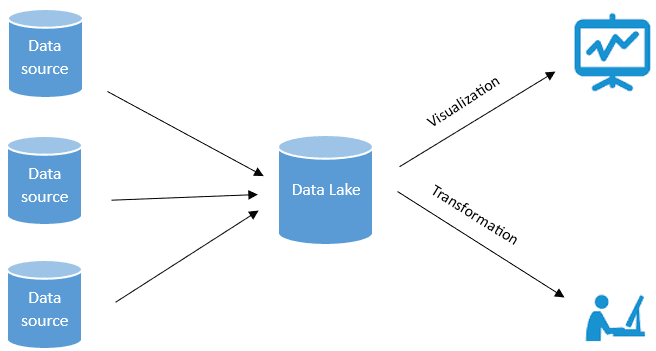
Data Lakehouse: The 'Lake' Foundation
A data lake is a central repository that stores all your data—structured or raw—in its original format. It's used to hold raw source system copies, sensor data, and social feeds for later analysis, but can become a messy "data swamp" without governance.
Slowly Changing Dimensions (SCDs)
Slowly Changing Dimensions (SCDs) are how data warehouses handle history for attributes that change infrequently, like a customer's address. This ensures historical reports remain accurate. The footgun is overwriting old values, which corrupts past analysis.
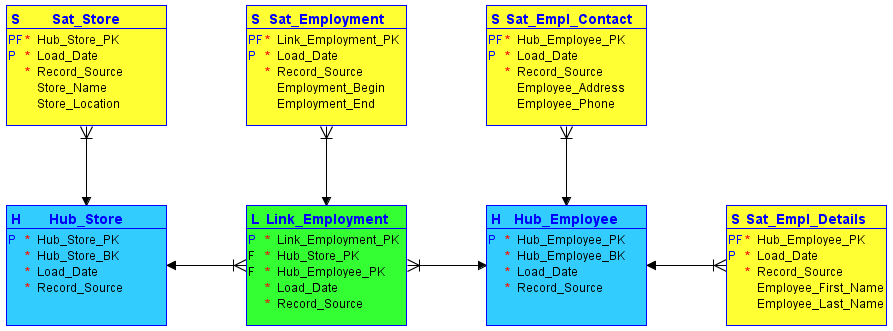
Data Vault Modeling: An Audit-First Data Warehouse
Data Vault modeling builds a warehouse like a financial ledger, where every entry is permanent and traceable. It excels at storing historical data from multiple systems for auditing.
Weighted Shortest Job First (WSJF): Prioritizing for Economic Impact
WSJF prioritizes work by its economic impact over time, not just its total value. It sequences backlogs in SAFe by dividing the "cost of delay" by job size. The footgun is getting bogged down in precise estimates instead of using relative sizing.
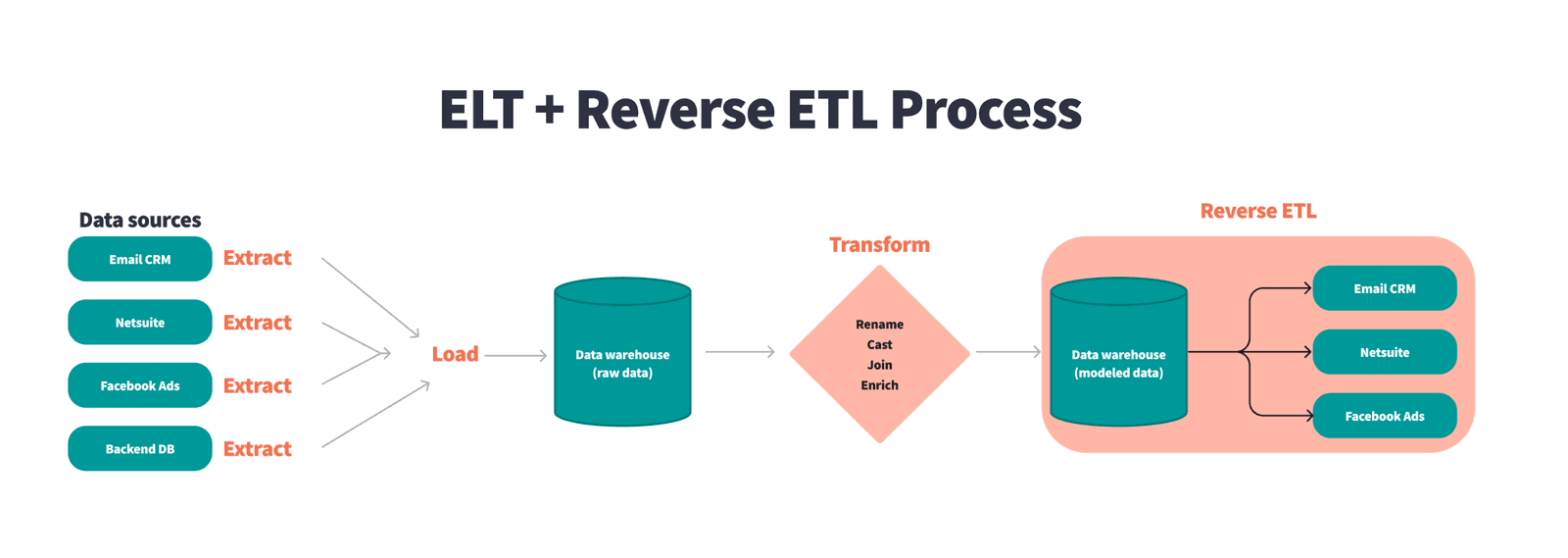
Reverse ETL: From Warehouse Insights to Operational Action
Reverse ETL pushes clean data from your central warehouse back into the operational tools business teams use daily. This powers sales with customer scores in their CRM or marketing with personalized segments, all from a single source of truth.
Sustainable Competitive Advantage: Building a Moat
A sustainable competitive advantage is a structural 'moat' that makes your business hard to copy. It's seen in network effects (social media), high switching costs (enterprise software), or economies of scale (Amazon).
Barriers to Entry: The Moats Around a Business
Barriers to entry are the 'cover charge' for a market that new players must pay, but incumbents didn't. They're the moats protecting a business, seen in regulated industries or with strong brand loyalty.
Bonferroni Correction: Raising the Bar for Significance
The Bonferroni correction prevents finding false positives when running many tests by making your significance threshold stricter for each one. It's used in A/B tests with multiple variants.
Resource-Based View: Win With What You Uniquely Have
The Resource-Based View argues a firm's unique internal resources, not market position, create sustainable advantage. It's used for long-term strategy and M&A. The footgun is overvaluing resources that competitors can easily buy or copy.
VRIO Framework: Finding Your Competitive Advantage
The VRIO framework is a checklist to see if a resource is a true competitive advantage. Use it to analyze internal assets like patents or expert teams. The footgun is stopping at "Valuable"—a true moat must also be Rare, Inimitable, and Organized.
Psychological Safety: The Foundation of High-Performing Teams
Psychological safety is the belief you won't be punished for speaking up or making mistakes. It's the top predictor of team effectiveness, enabling the risk-taking and candor needed for innovation.
Liberating Structures: Rules for Unleashing Group Intelligence
Liberating Structures are simple rules that replace default meeting formats, ensuring everyone participates. Use them in retrospectives or planning sessions to move beyond presentations.
The Four Stances of an Agile Coach
An agile coach isn't just a senior Scrum Master; they operate from four stances: teaching, mentoring, facilitating, and professional coaching. This model helps them choose the right approach to develop a team's capability, not just run ceremonies.

The Hedgehog Concept: Know Your One Big Thing
The Hedgehog Concept trades scattered efforts for focused strategy. It's the intersection of what you're passionate about, what you can be the best at, and what drives your economic engine. Use it for long-term strategic clarity.
We are hiring for this. Every open role lists the topics its interview covers, so you can prepare for the real thing rather than guessing.
See open roles