Intermediate concepts in Product Management, page 10
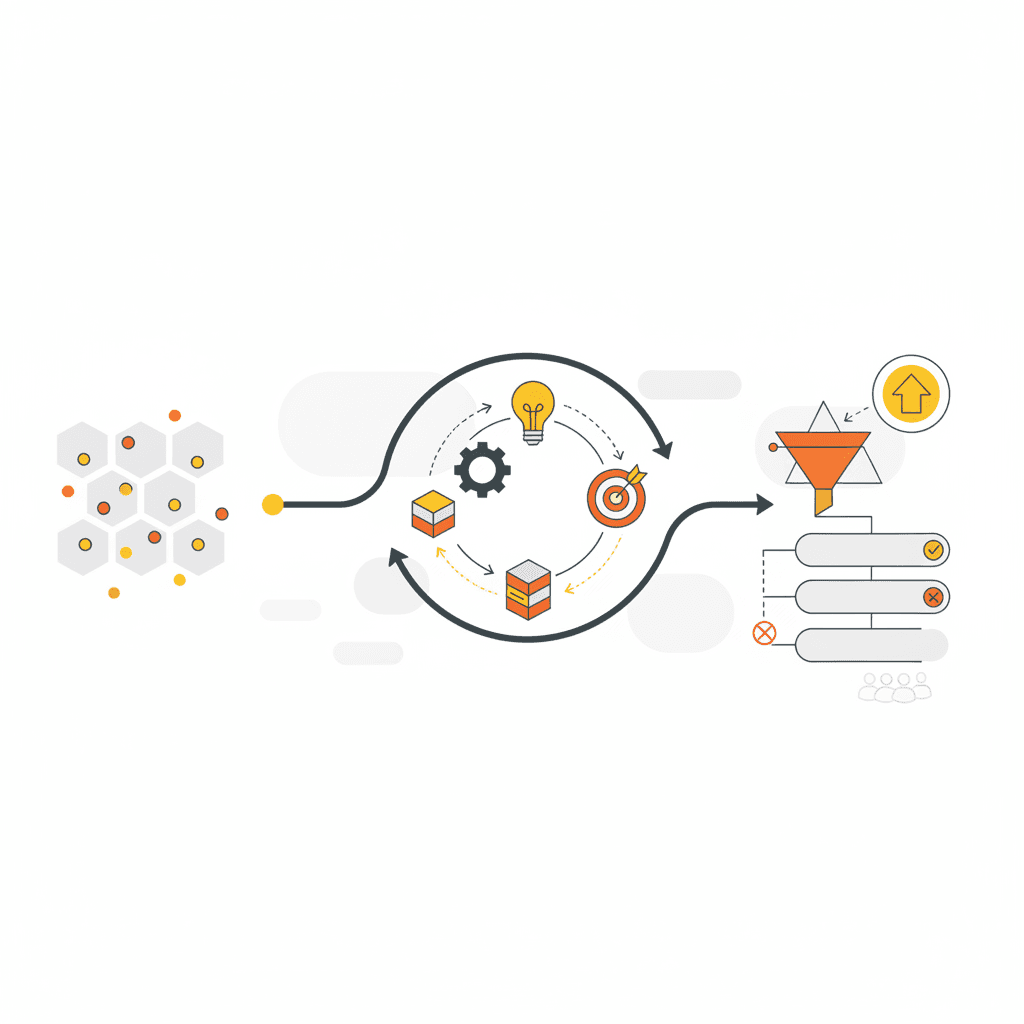
Managing Growth with an Experiment Backlog
An experiment backlog is a prioritized list of testable ideas that turns strategy into action. Agile teams use it to manage projects, using business intelligence to measure performance and ensure ideas deliver value. The footgun is a lack of governance.

The PIE Framework: Prioritizing What to Test Next
The PIE framework ranks A/B test ideas by scoring them on Potential, Importance, and Ease. It helps teams decide where to experiment first, focusing limited resources on high-impact changes.
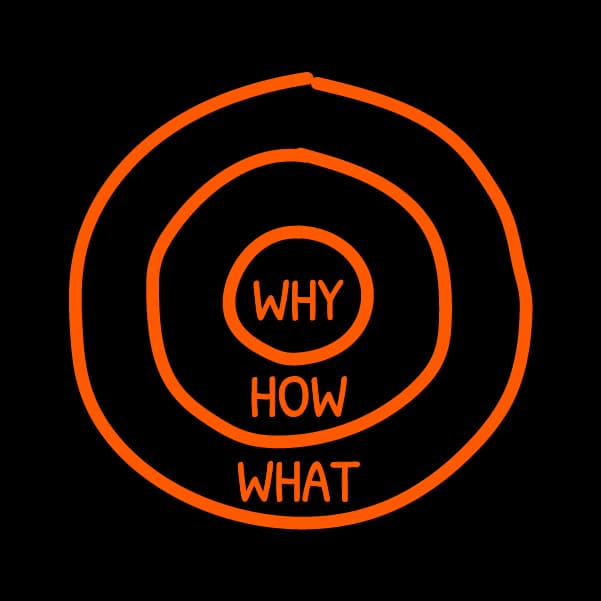
The Golden Circle: Leading with Why
The Golden Circle is a framework for inspiring action by communicating from the inside out: starting with your purpose (Why), then your process (How), and finally your product (What). It's used to build loyalty by connecting on belief, not just features.

Guardrail Metrics: Don't Win the Battle to Lose the War
Guardrail metrics are your experiment's safety net, ensuring a win in one area doesn't cause a loss elsewhere. During A/B tests, you monitor them to catch negative side effects on site speed or revenue.
Working Backwards: Start with the Press Release
Start product development by writing the press release for its launch. This forces you to define the customer benefit first, ensuring a new idea is customer-obsessed before you build. The footgun is starting with tech capabilities, not customer needs.

Time to Value (TTV): From Signup to 'Aha!'
TTV measures the time from signup to a user's first "aha!" moment. Product teams track it to reduce early churn, as faster value builds trust. The footgun is defining "value" as completing setup, not a real user win.

Strategic Intent: Winning with Resourcefulness, Not Resources
Strategic Intent is a long-term goal that outstrips your current resources, forcing resourcefulness. Instead of matching resources to opportunities, you set an ambitious target like 'Beat Xerox' and rally the organization to close the gap.

Empty State
An empty state is the screen a user sees before any data exists, like a new account with no projects or a search with no results, and treating it as a real design surface rather than a blank gap is a high leverage move for activation.
Brand Positioning: Owning a Spot in Your Customer's Mind
Brand positioning is about owning a specific idea in your customer's mind. It's achieved through product differentiation and advertising to make your brand the default answer for a specific need, like Volvo for 'safety.'

Expansion MRR: Growing Revenue from Existing Customers
Expansion MRR measures new monthly recurring revenue from your existing customers. It's how you grow through upgrades, add-ons, or cross-sells, not just new signups. The footgun is mixing it with new business MRR, which hides your product's retention power.
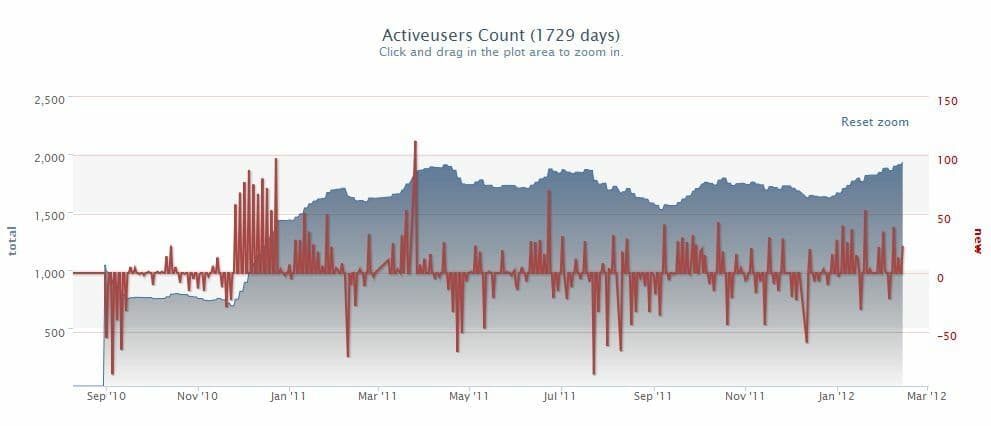
DAU/MAU Ratio: Measuring Product Stickiness
The DAU/MAU ratio measures product stickiness by comparing daily to monthly users. Social media apps aim for high ratios (50%+), while e-commerce expects lower ones. The footgun is comparing ratios without context; a 'good' number varies by product type.
The Agile Release Train: How Multiple Teams Ship Together
An Agile Release Train (ART) is a 'team of teams' that aligns 50-125 people to ship a complex product together. It's used in SAFe to coordinate multiple Agile teams on a shared roadmap, ensuring they all pull in the same direction.
Category Design: Don't Compete, Create the Game
Instead of fighting for a slice of the pie, bake a new one. Category design creates a new market you can dominate, rather than competing in an existing one. The footgun is thinking a new feature makes a new category; it requires teaching the market.

Product-Led Growth (PLG): Let Your Product Sell Itself
Product-Led Growth (PLG) makes the product the primary engine for acquiring and converting users. It relies on a mix of free features, virality, and a smooth upgrade path to paying tiers, letting users experience value before they buy.
Customer Lifetime Value (CLV): A Customer's Total Worth
Customer Lifetime Value (CLV) predicts the total net profit a customer will generate, not just a single sale's revenue. It's used to set acquisition budgets and guide retention efforts. The footgun is using revenue instead of profit, leading to overspending.

PI Planning: Aligning an Entire Agile Release Train
PI Planning gets an entire 'team of teams' (an ART) in one room to plan the next 8-12 weeks. This two-day event aligns development with business goals and identifies cross-team dependencies.

Repositioning: Changing Minds, Not Just Products
Repositioning changes how customers perceive your existing product. Netflix did this by moving from DVDs to streaming to meet new demand. Don't mistake it for rebranding—repositioning alters the core promise, not just the logo or colors.
Product-Led Sales: Your Product is Your Best Salesperson
Product-Led Sales (PLS) treats your product as the primary lead generator. Instead of cold calls, sales teams engage users who show buying intent through their product usage, guiding them to a natural upgrade.

Conversion Rate Optimization (CRO): Get More Value from Existing Traffic
CRO is the science of getting more value from your existing users, not just acquiring new ones. It’s used to increase purchases on e-commerce sites or drive signups for a service.
RTE: The Conductor of the Agile Release Train
The Release Train Engineer (RTE) is the master facilitator for a group of agile teams, acting as a servant leader and coach. They orchestrate large-scale planning and ensure smooth value delivery.
We are hiring for this. Every open role lists the topics its interview covers, so you can prepare for the real thing rather than guessing.
See open roles