Intermediate concepts in Product Management, page 11

MRR and ARR: Two Lenses on Recurring Revenue
MRR and ARR are two lenses on recurring revenue. MRR tracks short-term movement and immediate performance while ARR shows long-term scale. SaaS companies need both to guide present tactics and future strategy.

User Bucketing: The Engine of A/B Testing
User bucketing is a deterministic hash that assigns users to experiment groups. It ensures a user sees the same variation every time, which is critical for valid A/B tests. The main footgun is using an unstable user ID, which can re-bucket users and ruin your.
Burn Rate: Your Startup's Financial Clock
Burn rate is your company's financial countdown timer, showing how fast you're spending cash before you run out. Startups use it to track monthly cash consumption and determine their runway.

Scrum@Scale: Agile for Teams of Teams
Scrum@Scale treats your organization as a network of Scrum teams, aiming for "minimum viable bureaucracy." It coordinates multiple teams working on one complex product.
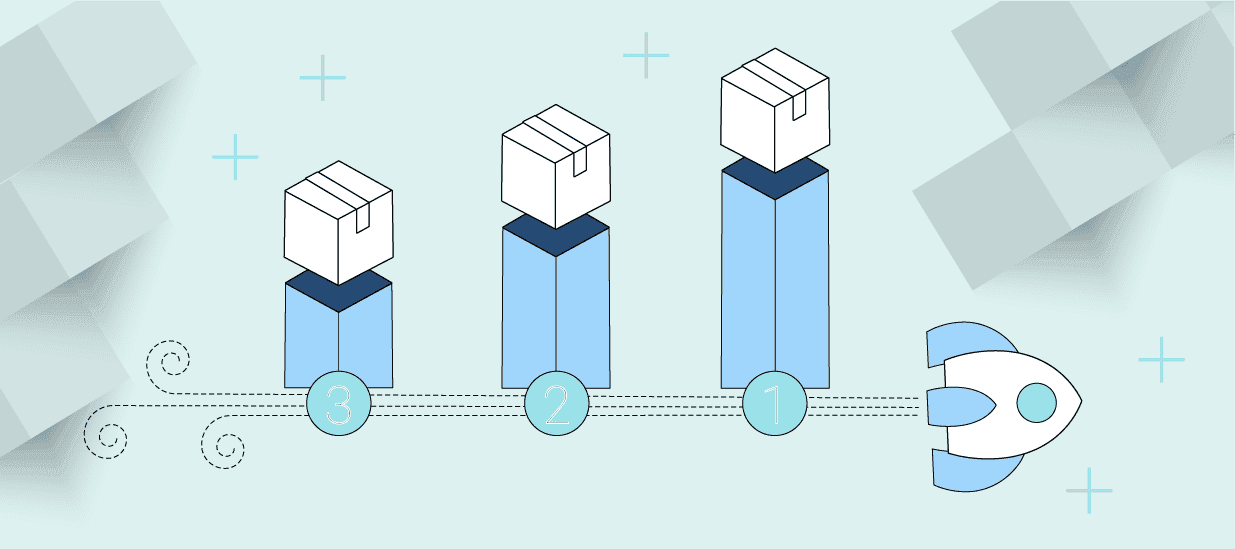
Product Launch Tiers: Right-Sizing Your Go-to-Market
Product launch tiers match marketing effort to business impact. Instead of a one-size-fits-all approach, you classify releases to allocate resources rationally, preventing burnout on minor updates while focusing big efforts on major products.
Holdback Groups: Measure Your True Cumulative Impact
A holdback group is your product's long-term control, shielding a small set of users from all new features. Use it to measure the cumulative impact of many small changes over months or years, beyond what individual A/B tests can show.

Inspect & Adapt: SAFe's Formal Improvement Event
Inspect & Adapt is a formal 'pit stop' for an entire Agile Release Train (ART) to improve its process. At the end of each Program Increment, teams demo the solution, review metrics, and identify improvements.
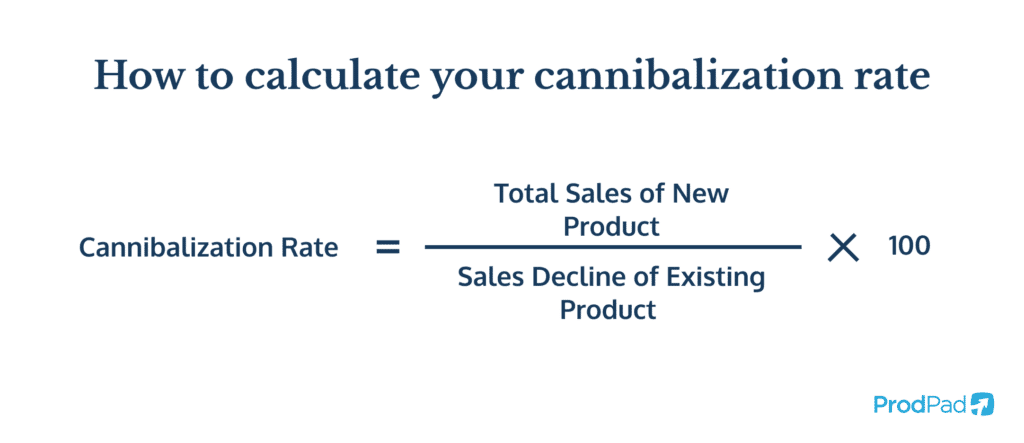
Product Cannibalization: Eat Your Own Lunch
Product cannibalization means competing with yourself before someone else does. Apple famously did this with the iPhone, knowing it would kill the iPod. The footgun is accidentally shrinking your total market share instead of growing it with new offerings.

Growth Engineer: The Entrepreneur Inside the Company
A growth engineer is an entrepreneurial developer using code to directly drive business metrics. They work across the product, optimizing onboarding or running experiments to boost activation.

Sales Velocity: How Fast Your Pipeline Makes Money
Think of sales velocity as the speedometer for your revenue engine, measuring how quickly your pipeline generates money. Sales leaders use it to forecast revenue and find bottlenecks.

Platform Governance: Enabling Scale Without Chaos
Platform governance provides guardrails for internal tools, letting teams build safely and quickly. It's crucial when a platform's growth creates security risks or duplicated effort. The footgun is reactive governance—only making rules after an incident.
What a Head of Growth Actually Does
A Head of Growth is a systems architect for revenue, deciding where to place strategic bets, not just a campaign manager. They align product, engineering, and marketing around shared metrics and build the experimentation engine.

Influence Without Authority: Earn Your Influence Capital
Influence isn't rank; it's 'influence capital' you earn. Product managers use this to lead teams they don't manage by building expertise, strong relationships, and compelling data. The footgun is trying to make big asks before you've made these deposits.

Quantitative Growth Model: The Spreadsheet That Runs Your Business
A quantitative growth model is a spreadsheet that maps your business, showing how inputs like ad spend turn into revenue. It's used to forecast growth, simulate strategy changes, and set goals. The footgun: your model is only as good as its assumptions.

Objection Handling: Turning Customer 'No's into Trust
Objection handling turns customer feedback into trust, even when you say 'no.' Instead of just rejecting a feature request, you explain the 'why' behind your roadmap.

Vanity vs. Actionable Metrics: Measure What Matters
Actionable metrics explain *why* and guide your next move, while vanity metrics just look good on a chart. Use actionable metrics for setting KPIs to understand user behavior and business health.
Product Vision: The User's Future, Not Yours
A product vision is a shared picture of the future your product creates for users, not a feature list. It aligns distributed teams when data is ambiguous. Teams often mistake it for a mission statement or roadmap, producing vague slogans, not a useful filter.
Dunning Management: Recovering Failed Subscription Payments
Dunning is the automated process of chasing failed subscription payments. It's how you recover revenue from expired cards or insufficient funds, which is crucial for any SaaS or subscription business.
Vision Storytelling: Turn Roadmaps Into Shared Futures
Vision storytelling makes strategy tangible by narrating the future your team is building. Use it when roadmaps explain what but not why. The footgun is confusing slogans for stories; without a user, conflict, and resolution, you get branding, not alignment.
HEART Framework: Five Metrics for Product Health
HEART is a vital-signs panel for product health, not a single score. Use it to pick metrics for feature launches so you track user value, not vanity numbers. Measuring all five dimensions when only one matters creates dashboard bloat and analysis paralysis.
We are hiring for this. Every open role lists the topics its interview covers, so you can prepare for the real thing rather than guessing.
See open roles