Intermediate concepts in Product Management, page 3
Definition of Ready (DoR): The Bouncer for Your Sprint
The Definition of Ready (DoR) is the bouncer for your sprint, a checklist ensuring a user story is clear and actionable before the team commits to it. It prevents starting work on half-baked ideas. The footgun is making it too rigid, creating a bottleneck.
Competitor Teardown: Reverse-Engineering Product Strategy
A competitor teardown reverse-engineers a product to reveal its underlying strategy, not just its features. PMs use it to understand how rivals solve user problems and inspire new ideas.
Switching Costs: The Moat Around Your Product
Switching costs are the gravity holding users to a product—the sum of all financial, mental, and effort-based pain of leaving. This is why bundled services are sticky. The footgun is creating costs that feel like traps, which destroys long-term trust.
Student's t-test: Is This Difference Real or Just Noise?
A t-test tells you if the difference between two group averages is statistically significant, especially with small samples. It's used in A/B testing to see if a new feature actually improved a metric, or if the change is just noise.

Network Effects: Value Grows with Users
A product with network effects is like a telephone: its value grows as more people join. This powers social media, marketplaces, and communication tools. The main pitfall is the 'cold start problem'—attracting the first users to an empty, valueless network.
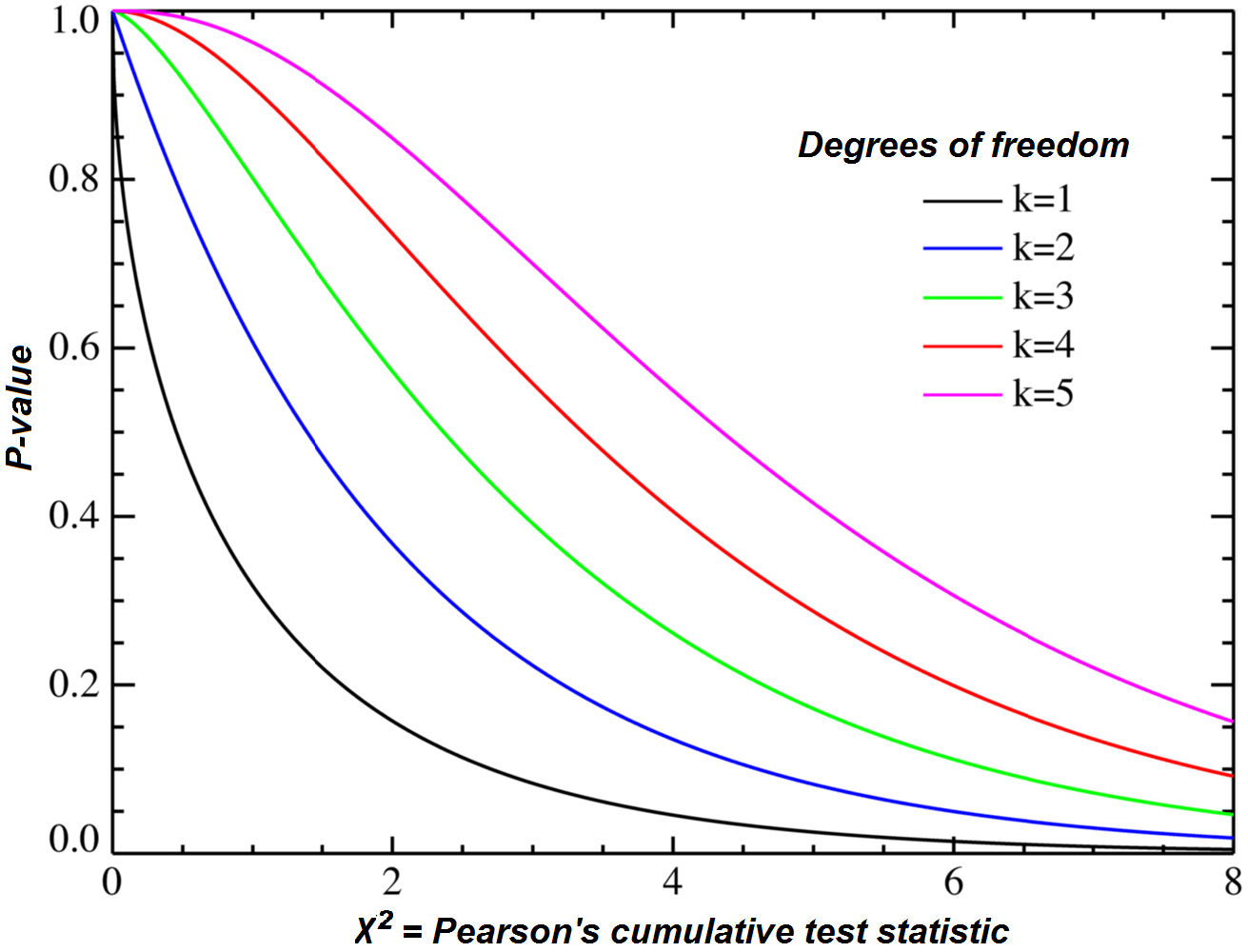
Chi-Squared Test: Are These Two Things Related?
A Chi-Squared test detects 'surprising' differences between what you observe and what you'd expect. It's used to check if two categorical variables, like a landing page variant and a user's sign-up action, are independent or related.

Sales Battle Cards: Frame Your Competition, Don't Just Attack Them
A sales battle card is a one-page cheat sheet that frames your competitor's product for a different audience, not just lists its flaws. Sales teams use it to steer conversations toward your strengths.
Novelty and Learning Effects in A/B Testing
The novelty effect is a temporary metrics lift from curious users exploring a new feature. The learning effect is the opposite: a dip as users struggle with a change. Both can mislead A/B tests if you don't run them long enough to see the true.

The Five Dysfunctions of a Team: A Model for Diagnosing Failure
This model uses a business fable to explore the root causes of team failure and organizational politics. It applies when a team struggles to grow together, offering a framework to diagnose underlying issues.
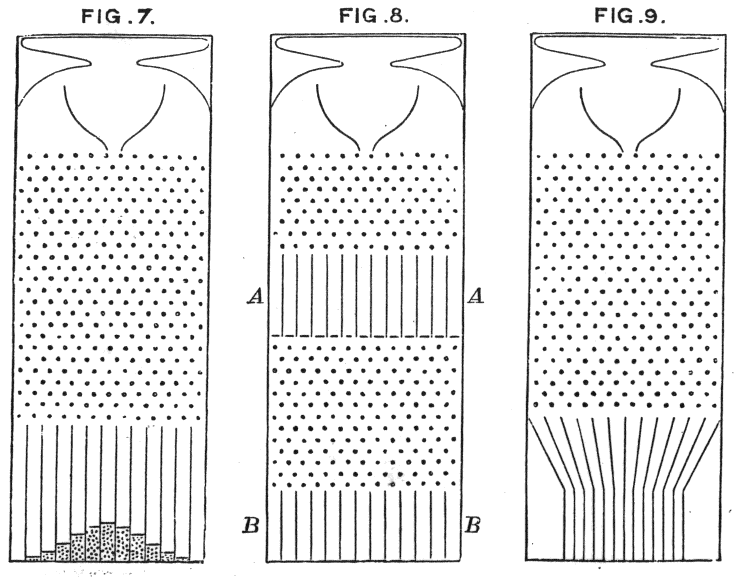
Regression to the Mean: Why Outliers Settle Down
Extreme results are part skill, part luck. Regression to the mean is the principle that luck evens out, so a follow-up measurement will be closer to the average. This impacts A/B tests and performance analysis.
Tuckman's Stages: Why Teams Must Storm Before They Perform
Teams evolve through predictable phases, not starting out fully effective. A team must pass through forming, storming (conflict), and norming (resolution) to reach high performance.
Agile Coaching: Teacher, Mentor, Facilitator, Coach
An Agile Coach isn't just a senior Scrum Master, but a guide helping teams find their own path to high performance. They support teams by teaching, mentoring, facilitating, and coaching to improve outcomes.
Data Profiling: The First Step in Any Data Project
Data profiling creates a 'character sketch' of a dataset, revealing its structure, content, and quality. It's the first step in data warehousing or analytics to discover metadata and assess risks. The footgun is skipping it, leading to late-project surprises.
Powerful Questions: Sparking Discovery, Not Just Answers
Powerful questions spark discovery rather than demand a specific answer. Use them in retrospectives or when a team is stuck to unlock new solutions. The footgun is asking a leading question disguised as an open one, which shuts down creativity.
Data Quality: Is Your Data Fit for Purpose?
High-quality data is defined by its fitness for a specific purpose, not just its correctness. It must accurately represent the real world. This is critical for business planning or ML models.
Data Lineage: The Story of Your Data
Data lineage is a family tree for your data, showing its origins, transformations, and final destination. It's essential for debugging broken analytics and tracing errors to their source.

BHAG: The Big Hairy Audacious Goal
A BHAG is a huge, daunting goal that unifies an organization, like NASA's moonshot. It's a 10-25 year objective that is clear, compelling, and has a defined finish line. The footgun is mistaking a vague mission statement for a tangible BHAG.
Data Catalog: The Library Card for Your Data
A data catalog is like a library card catalog for your company's data, telling you what exists, where it lives, and what it means. It helps analysts find trustworthy datasets and engineers trace the impact of schema changes. The footgun is letting it go stale.
Product Principles: Your Team's Decision-Making Compass
Product Principles are a team's shared values that guide decision-making, acting as a compass when facing trade-offs. They help prioritize work and maintain consistency. The footgun is creating generic principles that don't help resolve actual conflicts.
Data Anonymization: Protecting Privacy by Removing PII
Data anonymization breaks the link between data and real people by removing personal identifiers. It’s used to share datasets for research or analytics while protecting privacy.
We are hiring for this. Every open role lists the topics its interview covers, so you can prepare for the real thing rather than guessing.
See open roles