Concepts in Product Management, page 7

The Five Dysfunctions of a Team: A Model for Diagnosing Failure
This model uses a business fable to explore the root causes of team failure and organizational politics. It applies when a team struggles to grow together, offering a framework to diagnose underlying issues.
Sustainable Competitive Advantage: Building a Moat
A sustainable competitive advantage is a structural 'moat' that makes your business hard to copy. It's seen in network effects (social media), high switching costs (enterprise software), or economies of scale (Amazon).
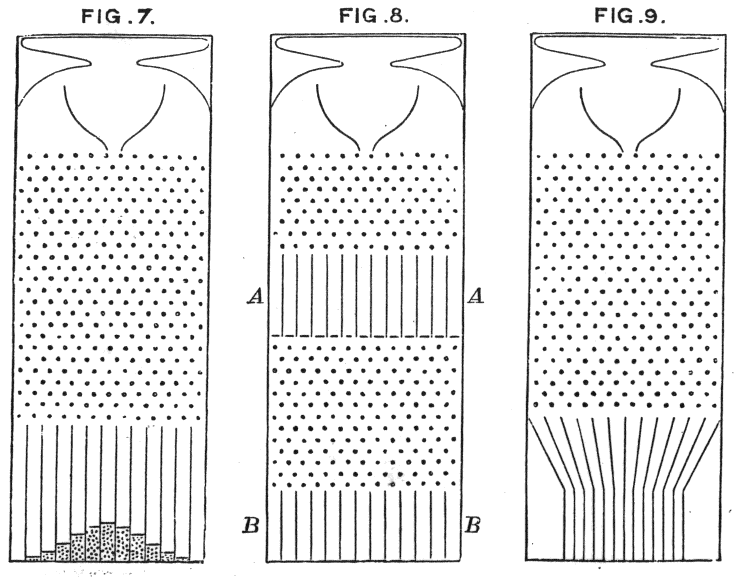
Regression to the Mean: Why Outliers Settle Down
Extreme results are part skill, part luck. Regression to the mean is the principle that luck evens out, so a follow-up measurement will be closer to the average. This impacts A/B tests and performance analysis.
Data Cleansing: Fixing Your Data Before It Fails You
Data cleansing is quality control for your dataset, finding and fixing errors before they skew your analysis. It's a crucial first step in any data pipeline, from training an ML model to generating business reports. The footgun is assuming data is clean.
Tuckman's Stages: Why Teams Must Storm Before They Perform
Teams evolve through predictable phases, not starting out fully effective. A team must pass through forming, storming (conflict), and norming (resolution) to reach high performance.
Barriers to Entry: The Moats Around a Business
Barriers to entry are the 'cover charge' for a market that new players must pay, but incumbents didn't. They're the moats protecting a business, seen in regulated industries or with strong brand loyalty.
Bonferroni Correction: Raising the Bar for Significance
The Bonferroni correction prevents finding false positives when running many tests by making your significance threshold stricter for each one. It's used in A/B tests with multiple variants.
Data Validation: Garbage In, Garbage Out
Data validation is the bouncer for your app, checking data at the door to ensure it's correct and useful. It's used on user forms, API requests, and file imports. The footgun is skipping it, which risks corrupted data, security holes, and future crashes.
Agile Coaching: Teacher, Mentor, Facilitator, Coach
An Agile Coach isn't just a senior Scrum Master, but a guide helping teams find their own path to high performance. They support teams by teaching, mentoring, facilitating, and coaching to improve outcomes.
Resource-Based View: Win With What You Uniquely Have
The Resource-Based View argues a firm's unique internal resources, not market position, create sustainable advantage. It's used for long-term strategy and M&A. The footgun is overvaluing resources that competitors can easily buy or copy.
Search Engine Optimization (SEO): Earning, Not Buying, Traffic
SEO is the practice of making your website attractive to search engines to earn unpaid traffic, not buy it with ads. It's crucial for being discovered via Google or Bing. The biggest footgun is treating it as a one-time trick, not a continuous process of.
Data Profiling: The First Step in Any Data Project
Data profiling creates a 'character sketch' of a dataset, revealing its structure, content, and quality. It's the first step in data warehousing or analytics to discover metadata and assess risks. The footgun is skipping it, leading to late-project surprises.
Powerful Questions: Sparking Discovery, Not Just Answers
Powerful questions spark discovery rather than demand a specific answer. Use them in retrospectives or when a team is stuck to unlock new solutions. The footgun is asking a leading question disguised as an open one, which shuts down creativity.
VRIO Framework: Finding Your Competitive Advantage
The VRIO framework is a checklist to see if a resource is a true competitive advantage. Use it to analyze internal assets like patents or expert teams. The footgun is stopping at "Valuable"—a true moat must also be Rare, Inimitable, and Organized.
Search Engine Marketing (SEM): Paying for Clicks
Search Engine Marketing (SEM) is paying to place your website at the top of search results. It drives immediate, targeted traffic for product launches or lead generation, unlike the slow build of SEO.
Data Quality: Is Your Data Fit for Purpose?
High-quality data is defined by its fitness for a specific purpose, not just its correctness. It must accurately represent the real world. This is critical for business planning or ML models.

Psychological Safety: The Foundation of High-Performing Teams
Psychological safety is the belief you won't be punished for speaking up or making mistakes. It's the top predictor of team effectiveness, enabling the risk-taking and candor needed for innovation.
Your Product's North Star: The Mission Statement
A product mission is your team's compass: a short statement of why the product exists, who it serves, and its core goal. It aligns stakeholders and guides development. The footgun is confusing it with a vision; a mission is what you do now, not a.
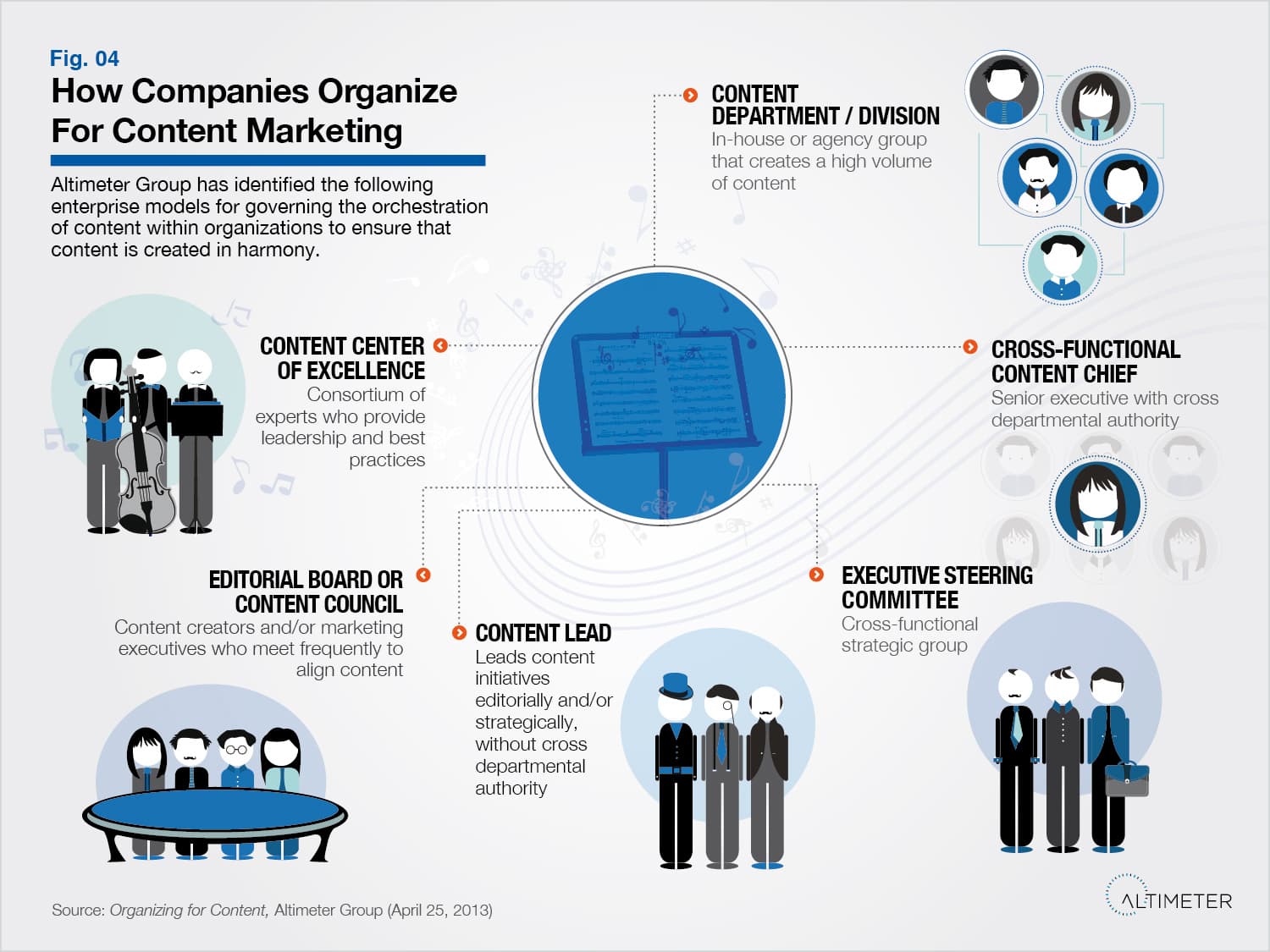
Content Marketing: Earn Trust, Not Just Clicks
Content marketing earns trust by giving away valuable information for free. It's used in company blogs or whitepapers to attract an audience by solving their problems, not just pushing a product.
Data Lineage: The Story of Your Data
Data lineage is a family tree for your data, showing its origins, transformations, and final destination. It's essential for debugging broken analytics and tracing errors to their source.
We are hiring for this. Every open role lists the topics its interview covers, so you can prepare for the real thing rather than guessing.
See open roles