Advanced interview questions in Product Management, page 4

How would you design architecture to sidestep a competitor's proprietary dataset?
Tests architecture without data moats. Strong answers pick asymmetric plays like real-time loops, federated learning, or synthetic pipelines and link them to defensible design. Red flag: buying or copying the dataset.
How does a self-managing team resolve strong technical disagreements without escalation?
This tests if you see conflict as healthy creative tension. A strong answer covers timeboxed dialogue, multi-voting with reasoning, and the senior dev as neutral facilitator. A red flag is letting the senior dev dictate the answer or escalate to management.

Architect a fast-follower AI strategy without a research team
Tests asymmetric advantage without a research lab. Strong answers propose a model-agnostic gateway, buy commoditized inference, build proprietary data loops only, and use open-source for control.

How does a self-managing team handle technical disagreements?
This tests your ability to facilitate productive conflict, not just win arguments. A great answer outlines structured techniques like timeboxing dialogue and multi-voting with reasoning. A red flag is suggesting the senior dev acts as the sole tie-breaker.
How does a team handle strong technical disagreements?
This tests your ability to facilitate productive conflict. A great answer frames disagreement as healthy, then outlines structured techniques like timeboxing dialogue or multi-voting with reasoning.
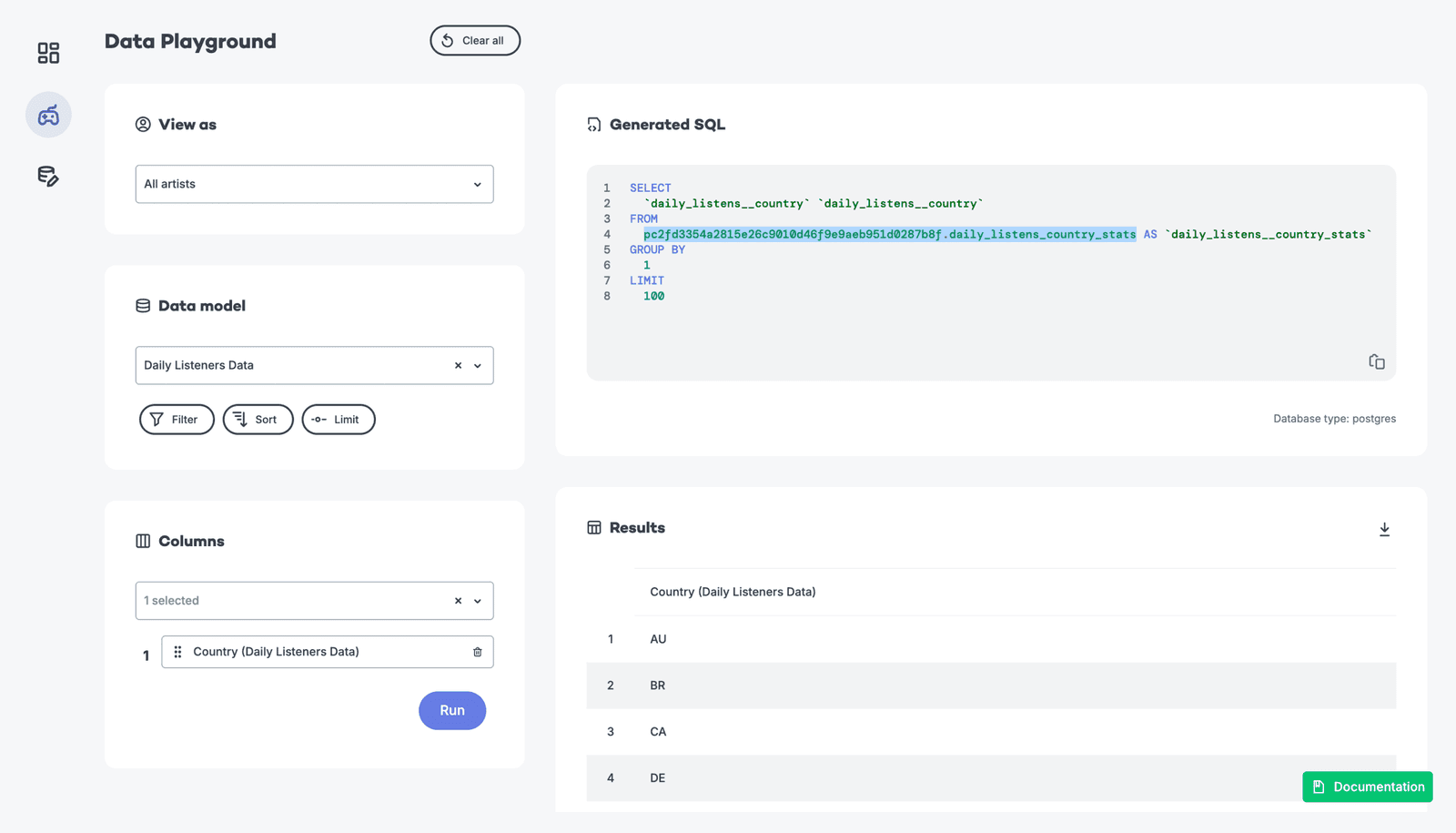
Trade-offs between pre-aggregated and raw event data for dashboards
Pre-aggregations trade freshness for speed; raw queries preserve flexibility but spike cost and latency under load.

What root causes and retrospective fixes address chronic sprint overcommitment?
Tests systemic diagnosis over blaming the team. Check capacity math, refinement quality, psychological safety, and stakeholder pressure; propose velocity-guided planning, capacity recalculation, and better refinement.
Trade-offs: Pre-aggregation vs. Querying Raw Data
Tests your grasp of data system trade-offs. A great answer weighs pre-aggregation (fast, cheap, stale) against querying raw data (slow, costly, fresh, flexible) and proposes a hybrid solution. A red flag is declaring one method universally superior.
How do you fix a team that consistently overcommits in sprints?
This tests diagnosing process failures, not just bad estimates. A good answer investigates root causes like external pressure or poor refinement, then proposes using historical velocity and tracking actual capacity.
Trade-offs: Pre-aggregation vs. querying raw event data
This tests your grasp of data engineering trade-offs for analytics dashboards. A great answer contrasts pre-aggregation (fast, cheap, stale) with on-the-fly queries (slow, costly, fresh) and mentions hybrid solutions.
How do you fix a team that consistently overcommits?
This tests diagnosing systemic process failures. A great answer investigates root causes like stakeholder pressure, then proposes using historical velocity, tracking actual capacity, and improving backlog refinement.
What strategy would you propose to fix an unmanageable backlog?
Expose bloat, inspect for value so the PO re-orders and trims waste, then inspect regularly.

How would you prove roadmap divergence from vision and correct course?
Quantify coupling, complexity, and service creep; link compromises to feature delays; propose a funded ATD roadmap with milestones.
What are the challenges of grouping by a high-cardinality dimension?
Tests columnar storage internals and query engine scalability. A strong answer covers memory pressure from giant hash tables, destroyed compression ratios, and massive result-set overhead.
Challenges of Grouping by High-Cardinality Dimensions
This tests your grasp of system-level impacts of data shape. A good answer explains how high cardinality strains memory during aggregation, reduces compression, and inflates index size, leading to slow, expensive queries. A red flag is just saying 'it's slow'.
How would you fix a long, unmanageable product backlog?
Tests your ability to fix a core process failure, not just list grooming tactics. Propose a dedicated workshop to define a clear Product Goal, ruthlessly prune the backlog against it, and establish a sustainable refinement process. Red flag: blaming the PO.
Challenges of Grouping by a High-Cardinality Dimension
This tests your grasp of how data shape impacts system resources. A great answer explains that high cardinality explodes memory usage for aggregation state, increases CPU load, and hurts storage compression.
How do you fix a 200-item unmanageable product backlog?
Tests strategic thinking and Agile leadership. A strong answer proposes a collaborative workshop, re-anchors on the Product Goal, ruthlessly triages items, and establishes a new refinement process.

When is it appropriate for engineering to propose a vision change?
Tests your sense of engineering's strategic boundary: co-creating vision without owning it. Strong answers cite a trigger where tech changes business constraints, outline a 2-week spike on the riskiest assumption, and quantify impact.

How would you structure your growth team's experimentation portfolio?
3 asset classes (iterative 30-70%, tech investments, big bets 20-40%), use expected value per week, and evolve the mix.
We are hiring for this. Every open role lists the topics its interview covers, so you can prepare for the real thing rather than guessing.
See open roles