Advanced interview questions in Product Management, page 8
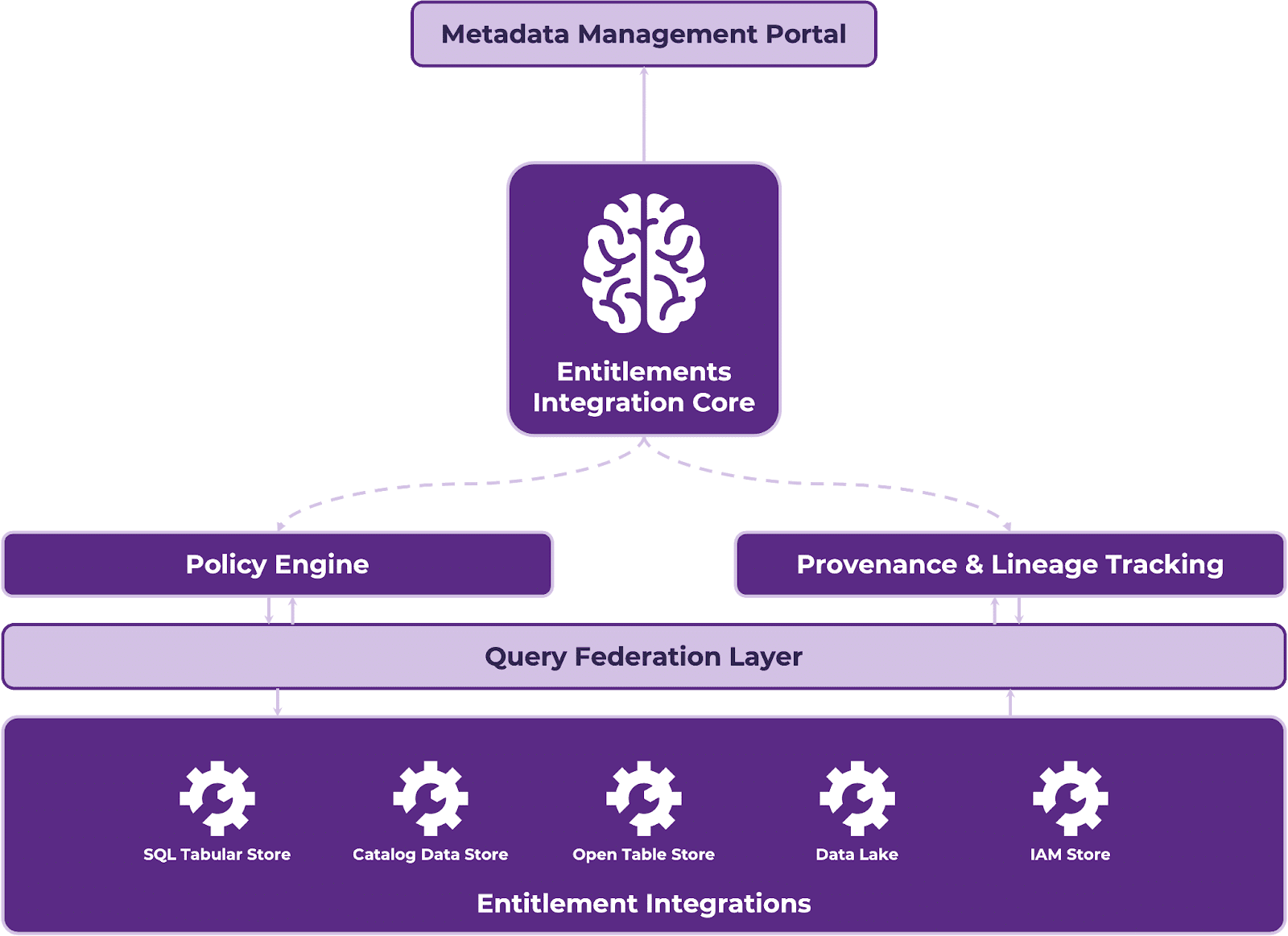
Design a highly available entitlements service with caching
This tests balancing read performance with consistency in access control. A strong answer proposes tiered caching with proactive invalidation, read-optimized hot paths, and event-sourced temporary grants.
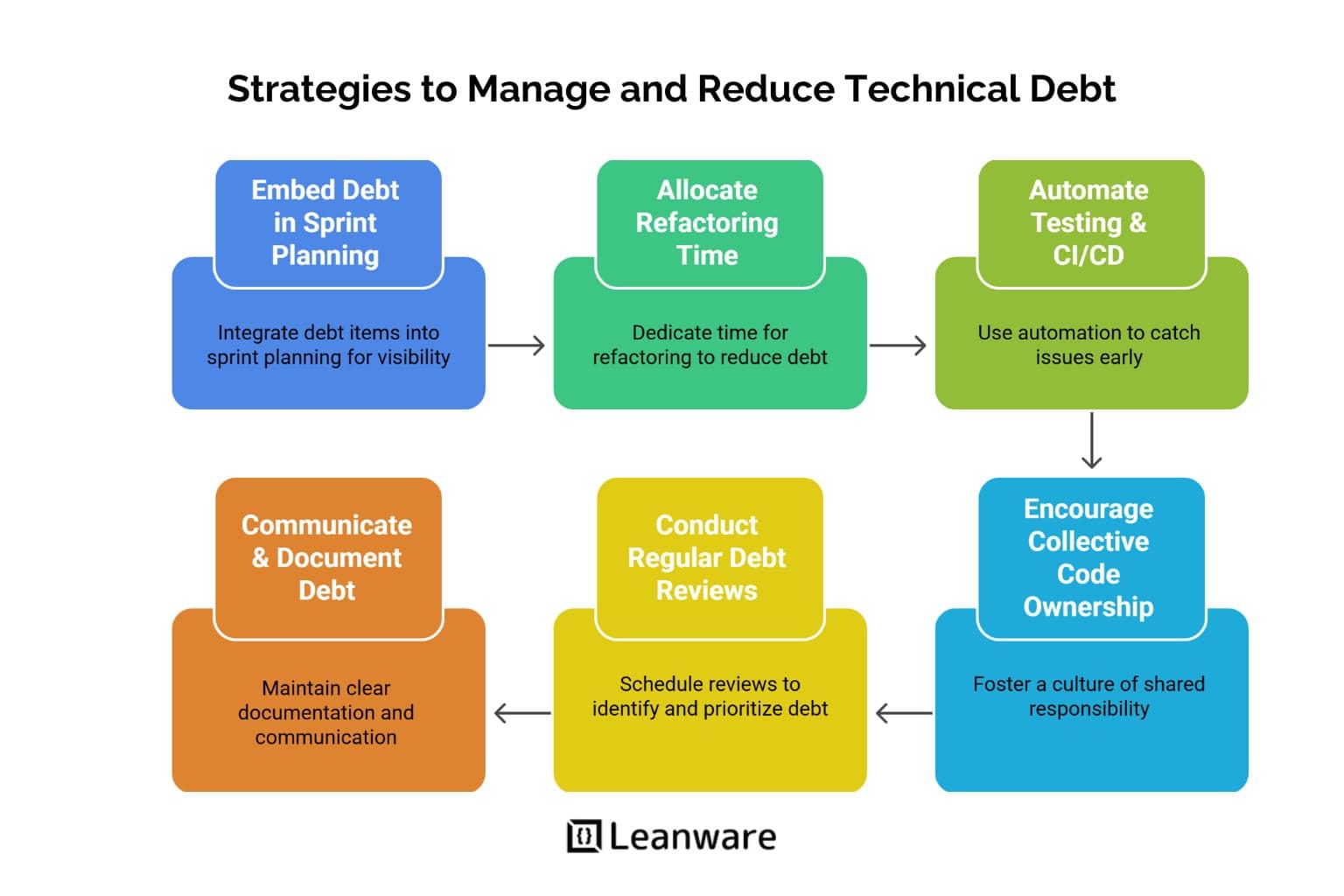
Describe a framework to strategically manage tech debt during product discovery
This tests strategic debt tradeoffs under speed pressure. A strong answer classifies debt by interest, caps MVP debt with guardrails, and reserves fixed sprint capacity for repayment. Red flag: vilifying debt or deferring cleanup without triggers.
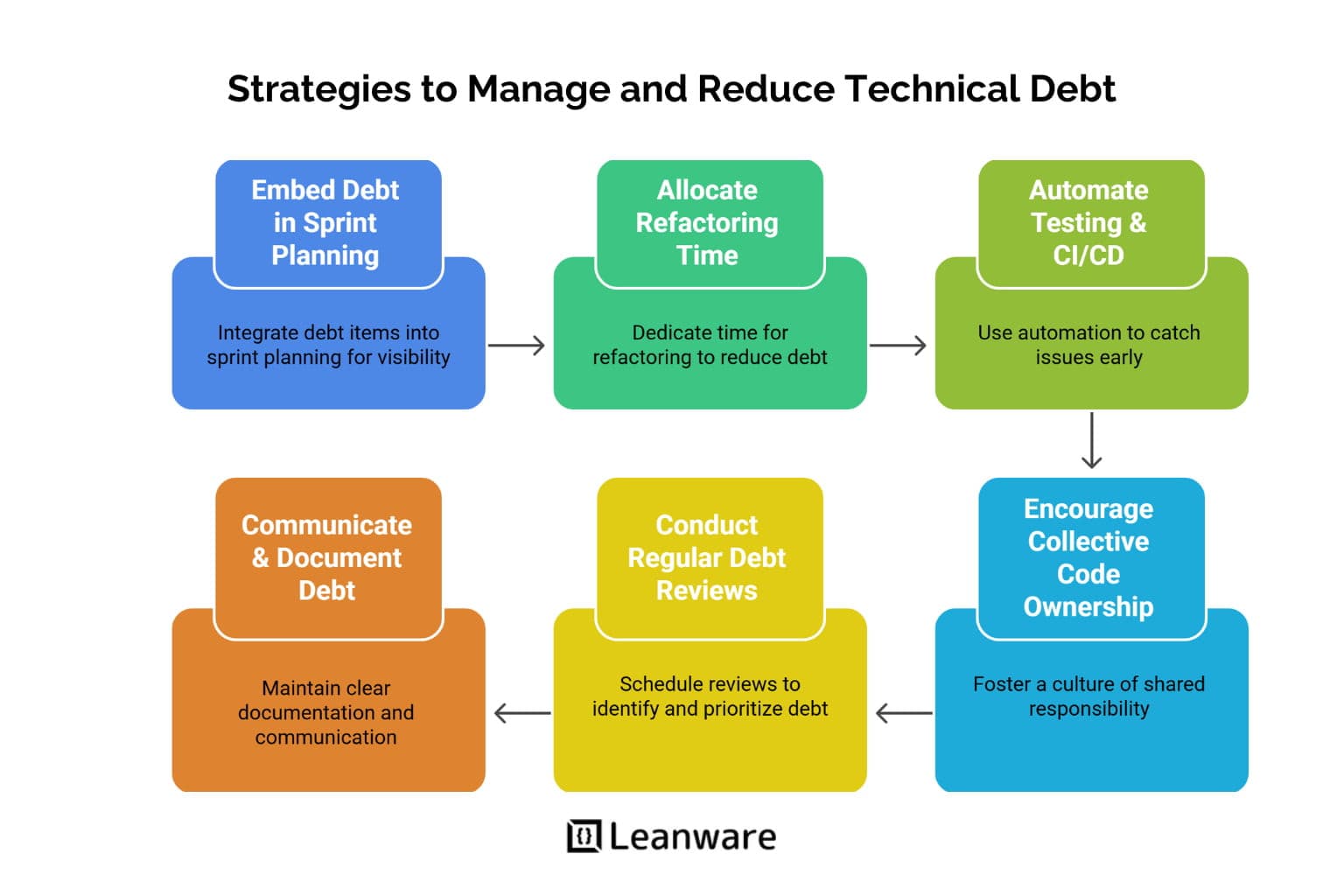
How do you strategically manage tech debt during product discovery?
This tests your strategic view of tech debt. A great answer defines intentional vs. unintentional debt, outlines a framework for tracking and repayment (like a debt backlog), and explains when it's a valid tool for MVPs.
Describe your framework for managing tech debt in product discovery.
Tests your strategic view of tech debt. A good answer frames debt as a tool, describes a framework for categorizing and tracking it, and explains how to tie repayment to product milestones. A red flag is viewing all debt as bad or lacking a concrete.
How would you design international monetization with multi-currency and tax?
Localized pricing, jurisdictional tax, gateway routing, async reconciliation.

CFD Testing band widens: what does it indicate and what experiments?
This tests flow metric literacy. A widening Testing band means arrivals exceed departures; propose experiments like smaller batches, automation, or dev-test swarming, then measure cycle time. Red flag: blaming testers or demanding headcount without data.
Diagnosing a Widening CFD 'Testing' Band
Tests your ability to interpret a CFD and propose data-driven experiments. A widening 'Testing' band means work enters faster than it leaves. Diagnose with experiments (e.g., tracking test failures, environment downtime) before proposing solutions.
CFD shows a widening 'Testing' band. What does it mean?
This tests your ability to interpret process metrics and propose data-driven solutions. First, define the bottleneck: work enters testing faster than it leaves. Then, propose experiments to diagnose the cause before suggesting solutions.
Diagnosing model degradation over time
Name it model drift, split data vs concept drift; diagnose by comparing distributions and ruling out pipeline bugs; fix via monitoring and retraining.
Design an Upstream Kanban process for product ideas before development
Tests your grasp of pre-commitment demand shaping. A strong answer maps an option-discovery board, defines the commitment point and triage policies, and ties early filtering to reduced downstream variability.
How do you diagnose and fix a model's degrading performance?
Tests your MLOps process for handling model decay. Name it "concept drift," then outline a plan: diagnose by comparing data distributions, solve with a targeted retraining strategy, and implement proactive monitoring. A red flag is just saying "retrain it."
Design and Implement an Upstream Kanban Process
Tests your understanding of managing demand vs. capability. A great answer defines Upstream Kanban as a pre-commitment filter, outlines board stages and policies, and explains how vetting work improves downstream predictability.
How do you handle model performance degradation over time?
This tests MLOps lifecycle awareness. Name concept drift, outline a systematic diagnosis of data and error patterns, discuss retraining strategies, and propose a monitoring plan. A red flag is just saying 'retrain the model' without any diagnosis.
Design an Upstream Kanban for Product Ideas
Tests managing work before commitment. A good answer defines the commitment point, visualizes options on a board, and applies triage discipline to refine ideas. A red flag is describing a simple 'to-do' list without a structured filtering and decision process.

Describe two methods for generating prediction intervals or probabilistic forecasts
Tests uncertainty quantification for risk-adjusted decisions. Strong answers: (1) parametric intervals via forecast error variance and normal multipliers, (2) bootstrap residual resampling for empirical percentiles.
Describe two methods for generating prediction intervals
This tests your grasp of uncertainty quantification. A great answer contrasts an analytical method (assuming normal errors, using multipliers like 1.96 for 95%) with a simulation method (bootstrapping residuals).
Describe two methods for generating prediction intervals
This tests your understanding of forecast uncertainty. Describe two methods: 1) assuming normally distributed errors and using a standard deviation multiplier, and 2) bootstrapping residuals to simulate future paths.

Design a multivariate experimentation platform with collision-free concurrent bucketing and cross-device consistency
Tests orthogonal layers and cross-session assignment persistence. Cover: deterministic hashing per layer, a user profile service for sticky bucketing, and stable ID resolution across devices. Red flag: random bucketing or local storage breaking consistency.
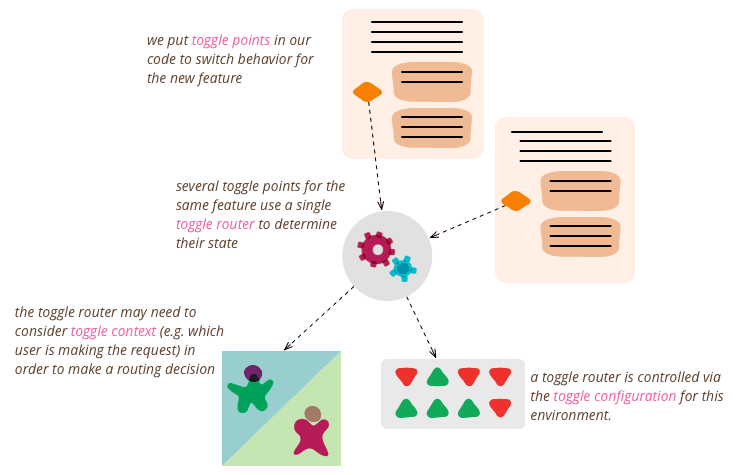
Describe an architecture that decouples business launch from code deployment
This tests feature-flag architecture separating deployment from release. Strong answers cover toggle categories and decision decoupling. They need lifecycle management to limit carrying cost. Red flag: treating flags as permanent or ignoring toggle debt.

Architect real-time usage-based billing for a PLG company
This tests event-driven metering, idempotent aggregation, and pricing decoupling at scale. A strong answer outlines real-time ingestion, stream processing for micro-events, a rules-based pricing engine, and dashboards with reconciliation.
We are hiring for this. Every open role lists the topics its interview covers, so you can prepare for the real thing rather than guessing.
See open roles