Interview questions in Product Management, page 44
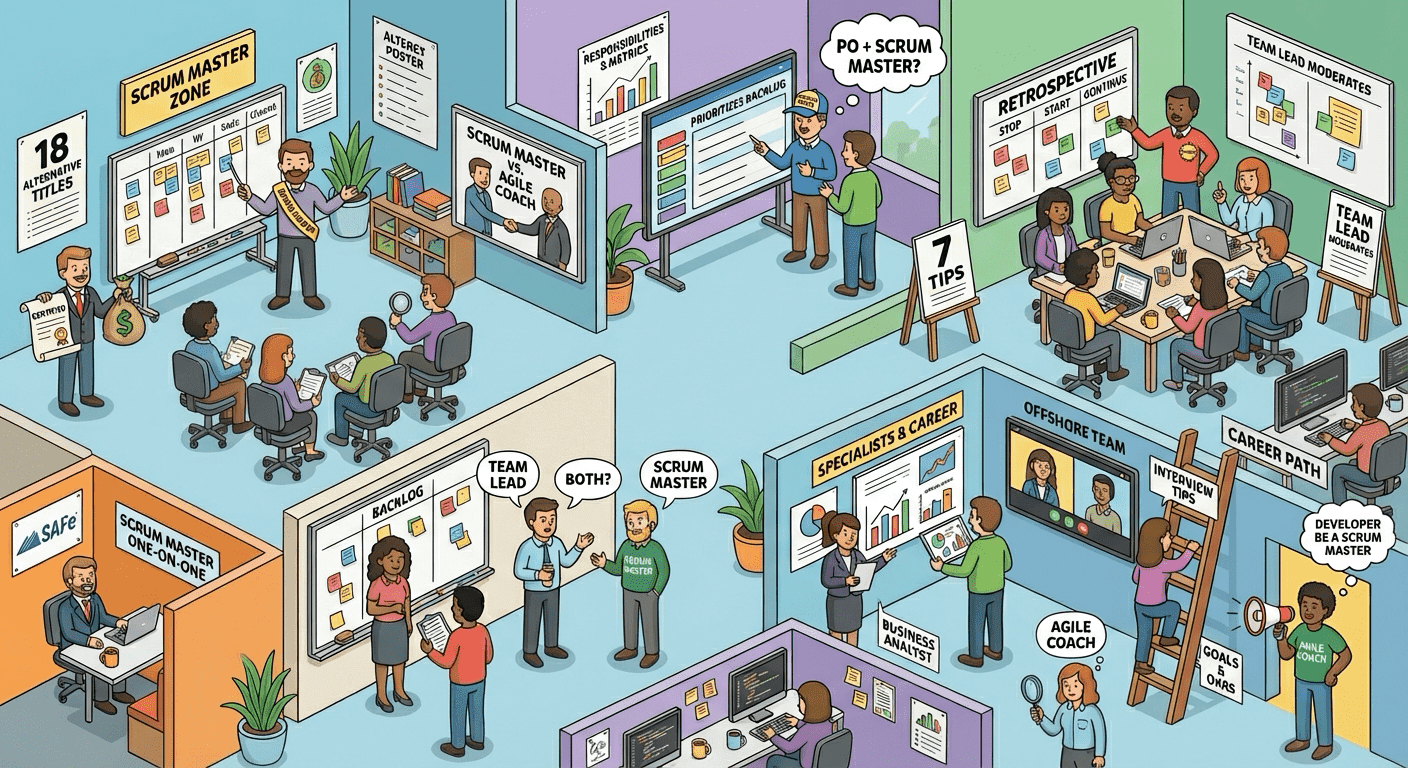
Manager Wants to Attend Your Sprint Retrospective. How Do You Respond?
Tests your grasp of psychological safety and stakeholder management. A good answer identifies the risk to open feedback, proposes other ways to inform the manager, and suggests a structured, one-time experiment if they must attend.
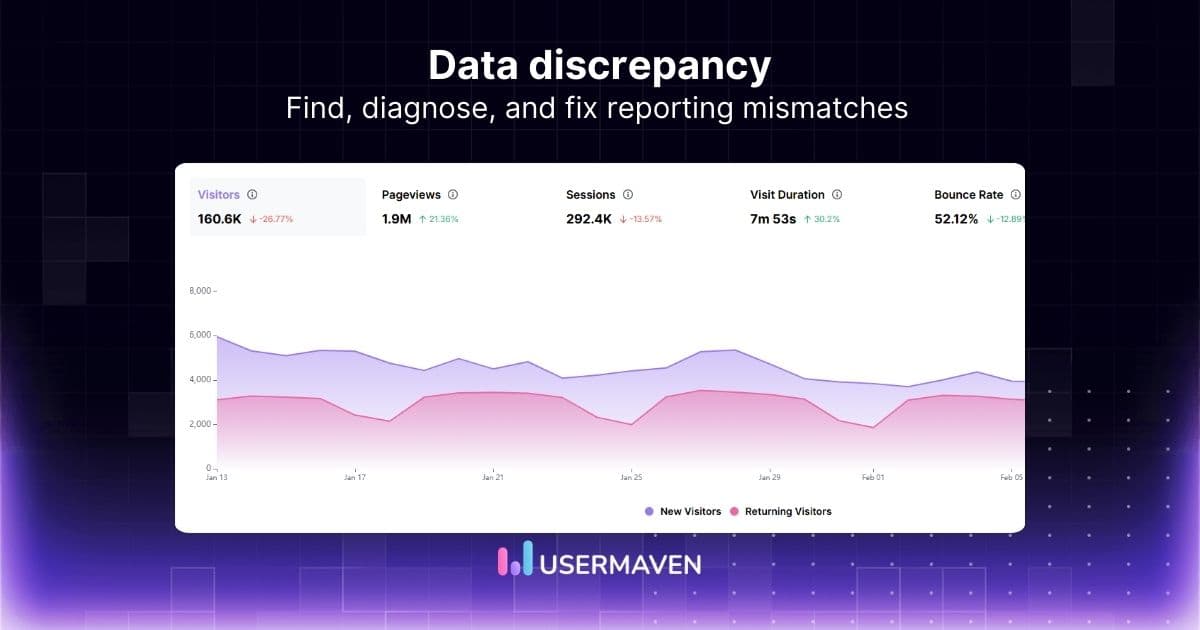
Why don't analytics and backend user counts match?
This tests your systematic debugging and understanding that 'user' has different definitions. A good answer first defines 'user' in each system, then investigates tracking implementation, timing differences, and filtering.
A manager wants to attend your team's Sprint Retrospective. What's the risk?
Tests your grasp of psychological safety in Agile and stakeholder management. A great answer identifies the risk of chilled feedback, diagnoses the manager's underlying need, and proposes an alternative forum.
Public API design versus internal API design
Public needs strict versioning, long deprecation, scoped auth like OAuth and API keys, and polished docs; internal can move faster.
Bundled analytics vs warehouse-native trade-offs
Warehouse-native gives one source of truth and SQL flexibility but shifts modeling, performance, and UX onto your team; bundled tools are turnkey but siloed.
Attribute a mobile install to a desktop ad
Deterministic matching via a shared login is accurate but needs auth on both ends; probabilistic fingerprinting scales without login but is noisy and privacy-fraught.

How would you advocate for decentralizing a deployment approval dependency?
Propose a pilot with guardrails; track lead time, defect rate, rollbacks; define escalation paths.
Trade-offs: Bundled Analytics vs. a Warehouse-Native Stack?
This tests your grasp of modern data stack trade-offs: cost, data governance, and flexibility. Discuss the pros of warehouse-native (unified data, lower cost, security) vs. the cons (loss of specialized UI, implementation complexity).
Advocating to decentralize a deployment approval board
Tests your ability to influence change with data. A good answer frames deployments as frequent, time-critical decisions ideal for decentralization, proposes a phased rollout with metrics like cycle time, and defines new guardrails.
Trade-offs: Bundled vs. Warehouse-Native Product Analytics
This tests your grasp of modern data stack architecture. A great answer weighs trade-offs in data control, cost, query flexibility, and team capabilities. A red flag is ignoring total cost of ownership and engineering overhead for a warehouse-native setup.
How would you advocate for decentralizing deployment approvals?
This tests your ability to drive organizational change with data. A great answer frames the problem using a decision framework (e.g., SAFe), proposes a phased pilot, and defines metrics like Cycle Time and Change Failure Rate to prove value.
Design a tiered API rate limiter
Pick token bucket or sliding-window, key limits by partner tier, track counters in a shared store like Redis, decide at the edge.
Building a conversion funnel in SQL
Count distinct users reaching each ordered step, compute step-over-step conversion; the biggest drop-off is the lowest consecutive ratio.
Set up a client-side button color A/B test
Stable hashing of a persistent ID into buckets, conditional rendering of the variant, exposure plus click event logging.
Velocity is fluctuating wildly. How would you coach the team?
Tests whether you treat velocity as a diagnostic, not a target. A strong answer checks story sizing, unplanned work, definition of done, and team stability before changing process. Red flag: demanding higher estimates or comparing teams to normalize velocity.

Build a SQL query for a multi-step conversion funnel
Tests your ability to translate a product question into robust SQL. A great answer uses CTEs or left joins to count users at each step, defining the attribution model (e.g., first-touch) and time windows. A red flag is a naive query that double-counts users.
How do you handle wildly fluctuating team velocity?
Tests if you know velocity is for team planning, not a manager's KPI. A good answer reframes the goal to predictability, investigates root causes with the team (e.g., story sizing, unplanned work), and proposes experiments.
How would you build a SQL query for a conversion funnel?
Tests your ability to translate a business need into a technical SQL solution. A good answer uses CTEs or LEFT JOINs to model sequential steps, counts users at each stage, and discusses attribution.
How would you coach a team with fluctuating velocity?
This tests your ability to use metrics for coaching, not just reporting. A good answer reframes the goal to predictability, investigates both qualitative and quantitative data, and proposes experiments. A red flag is treating velocity as a performance metric.
Components of a project technical roadmap
State goals, phased milestones, dependencies and risks, and success metrics; use it to align the team and report upward.
We are hiring for this. Every open role lists the topics its interview covers, so you can prepare for the real thing rather than guessing.
See open roles