Easy everything in Product Management, page 17
Moving Motivators: Uncover What Drives Your Team
Moving Motivators is a card game that reveals a person's core drivers by ranking ten motivations. Use it with a new hire or a team facing change to see how their motivation will be impacted. The footgun is judging motivators, not understanding them.
Gemba Walk: Go See Where the Work Happens
A Gemba Walk means leaving your desk to see where value is actually created. It's about observing real work, not reading reports. Managers use it to understand real bottlenecks. The footgun is observing to judge, not to understand and learn.
Delegation Poker: Making Delegation a Team Sport
Delegation isn't a binary choice. Delegation Poker is a game where teams discuss and agree on their level of authority for key decisions, moving from 'manager decides' to 'team decides'. It's used to clarify roles and empower teams.
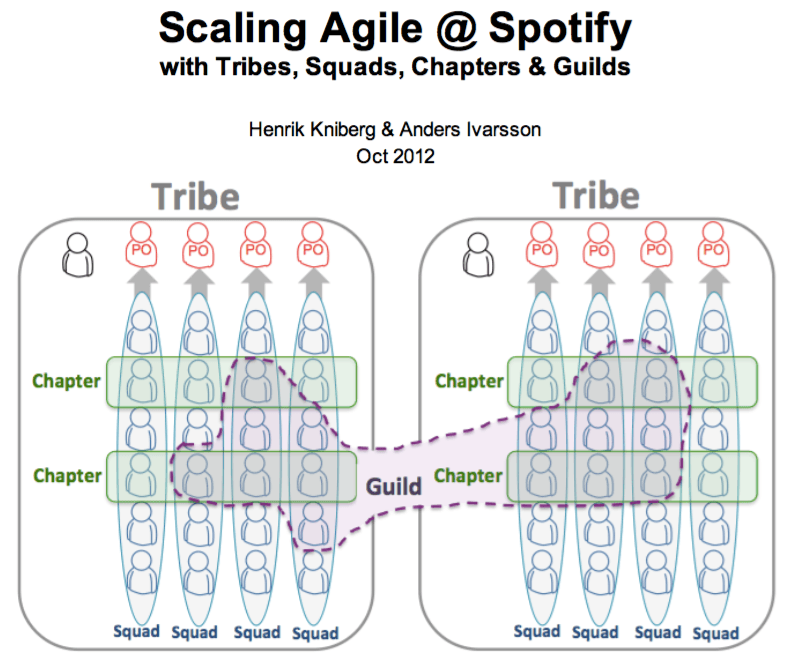
The Spotify Model: Scaling Agile with Autonomy
The Spotify Model organizes teams for autonomy and alignment, using mini-startups (Squads) and skill-based communities (Chapters). It helps scale agile in large orgs, but copying the structure without the culture of trust creates a rigid hierarchy in disguise.
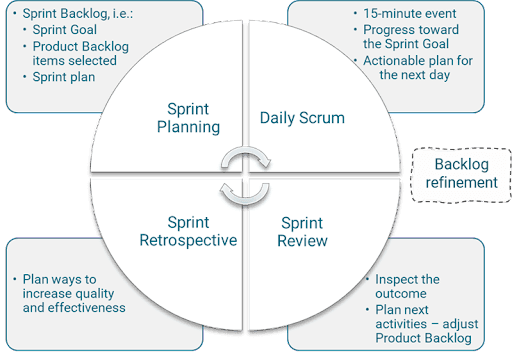
Large-Scale Scrum (LeSS): Scaling Scrum by Descaling the Org
LeSS scales Scrum by simplifying the organization, not adding processes. It applies one-team Scrum principles to multiple teams working on one product. Use it when 2-8 teams need to collaborate on a single product backlog.
SAFe: Scaling Agile Beyond a Single Team
SAFe is a blueprint for applying Agile principles across large organizations, not just single teams. It coordinates many teams into 'Agile Release Trains' that plan and deliver together in fixed cycles, ensuring alignment on complex products.
Lead Time: From Customer Request to Live Code
Lead Time measures the total duration from when a feature is requested to when it's live for users—it's the customer's total waiting time. Teams use it to understand responsiveness and set predictable timelines. The footgun is confusing it with Cycle Time.

Pull System: Make Only What's Needed, When It's Needed
A pull system works like a restaurant kitchen: you only start work when the next step in the process places an order. This approach, core to lean manufacturing and Kanban, prevents overproduction. The footgun is pulling new work before finishing old tasks.

Kanban Board: Visualize Your Workflow
A Kanban board is a visual system for managing work as it moves through a process, making bottlenecks obvious. It's used in software development to track features from 'To Do' to 'Done'.
.png&w=1600&q=75)
Kanban: A Strategy for Optimizing Flow
Kanban isn't just a board with columns; it's a strategy for optimizing the flow of value through your process. It helps teams visualize work, manage bottlenecks, and deliver value predictably.

Lean Canvas: A Startup's Reality Check on a Page
A Lean Canvas is a one-page business plan that forces you to define and test your riskiest assumptions first. Startups use it to validate their core idea before building. The biggest mistake is treating it as a one-time exercise instead of a living document.
Value Proposition Canvas: Map Customer Needs to Product Features
The Value Proposition Canvas maps customer needs to product features to ensure you're building something people want. It connects customer "jobs," "pains," and "gains" to your product's features.
Empathy Mapping: Seeing Through Your User's Eyes
An empathy map is a tool for a team to build a shared picture of a user's mind, not just their actions. It's used in UX design to align on user needs before building. The footgun is treating it as a one-time checklist instead of.
The Test Pyramid: Fast Feedback, Stable Code
The Test Pyramid is a strategy for balancing automated tests: write many fast unit tests, fewer integration tests, and very few slow end-to-end tests. It guides CI/CD pipelines to catch failures quickly. The footgun is over-relying on slow E2E tests.
DRY: Don't Repeat Yourself
DRY means every piece of knowledge has one single, authoritative representation in your system. This applies to business logic, config, or docs; a change in one place updates everywhere.
YAGNI: You Ain't Gonna Need It
YAGNI is a principle of radical simplicity: don't build features now just because you *think* you'll need them later. It forces focus on current requirements, preventing wasted effort on speculative work.

Simple Design: The Simplest Thing That Could Possibly Work
Simple Design means building only what's needed now, not what you might need later. In agile projects like Extreme Programming, this keeps code lean for changing requirements.
Start, Stop, Continue: A Simple Action-Oriented Retrospective
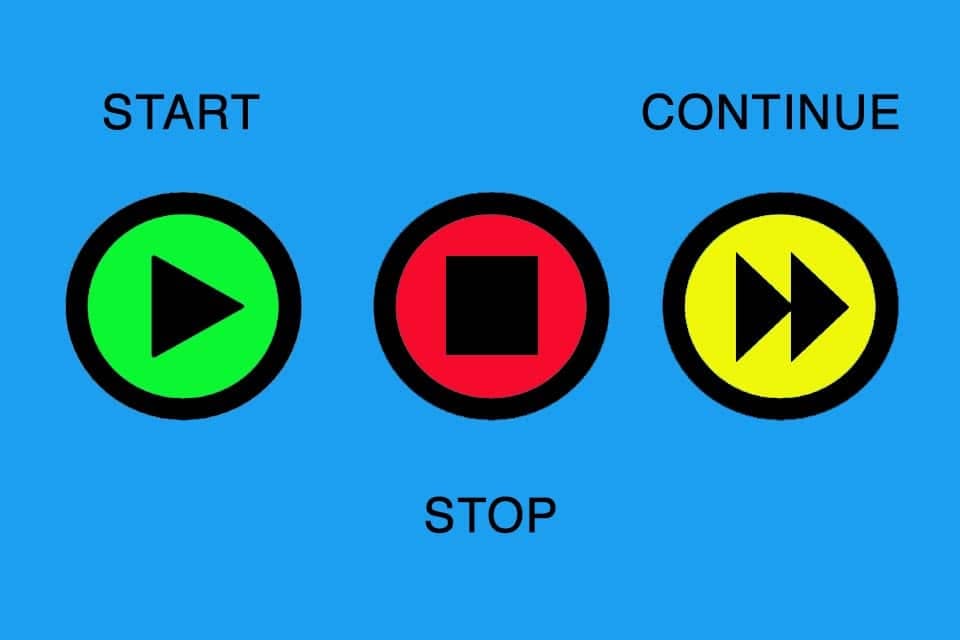
This retrospective turns feedback into action by asking what to start, stop, and continue doing. Teams use it after a sprint to improve processes and collaboration. The footgun: the 'Continue' list can become a long praise session, losing focus on improvement.
Retrospective Prime Directive: Assume Positive Intent
Assume everyone acted with the best intentions given their context. The Retrospective Prime Directive creates psychological safety for a blameless discussion, focusing on systemic issues, not individual fault.
PDCA Cycle: The Scientific Method for Business Improvement
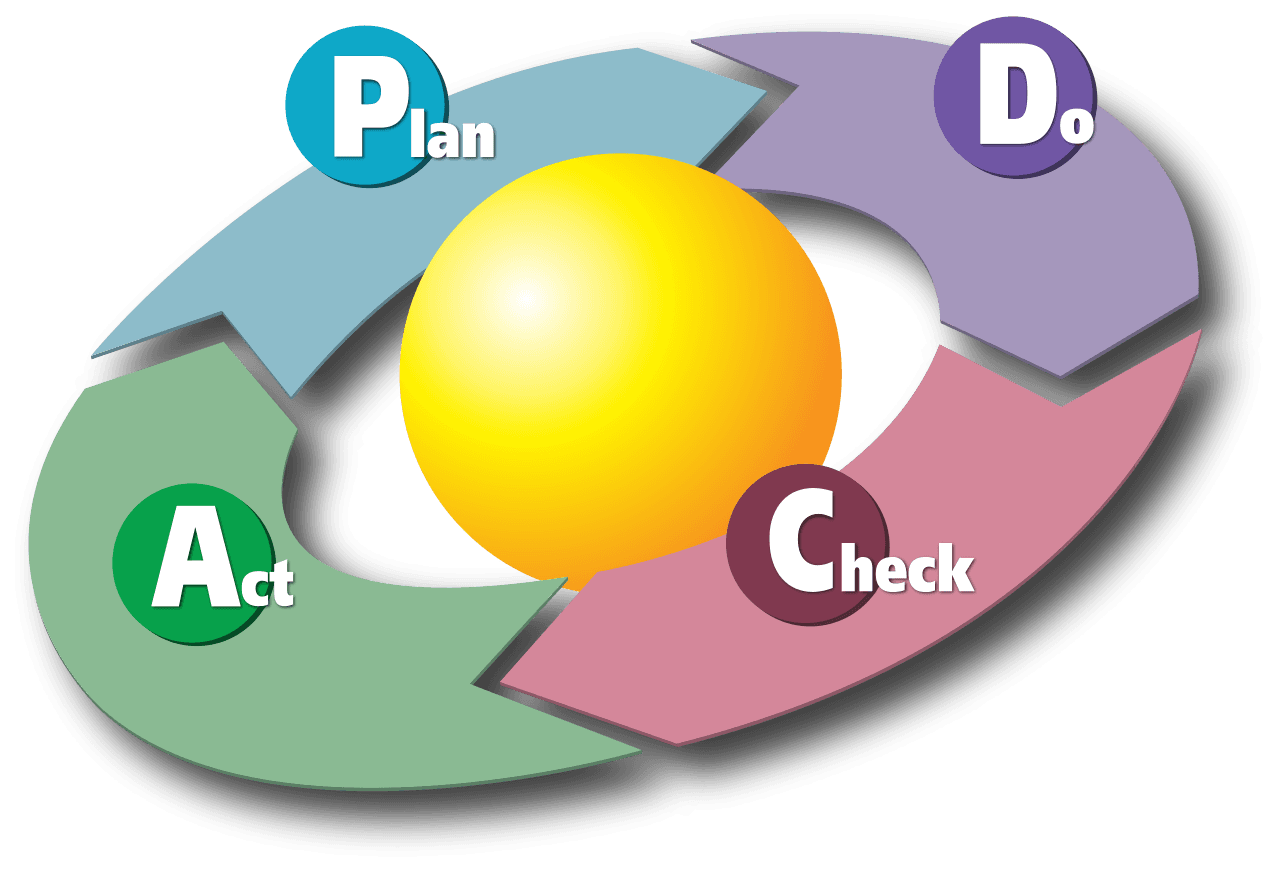
The PDCA cycle is the scientific method for business: Plan a change, Do the experiment, Check the results, and Act on the findings. It's used to refine manufacturing or improve software cycles.
We are hiring for this. Every open role lists the topics its interview covers, so you can prepare for the real thing rather than guessing.
See open roles