All bites
The whole library, newest first. Filter by what you are here for, or pick a topic if you already know.
4247 bites
Page 179
INVEST: The Checklist for High-Quality User Stories
INVEST is a checklist for quality user stories: Independent, Negotiable, Valuable, Estimable, Small, and Testable. Use it in backlog grooming to ensure work is clear and sprint-ready.

Agile Themes: Connecting Work to Strategy
An agile theme is a strategic focus that groups related epics to achieve a larger business goal. Use themes to show stakeholders how specific features contribute to quarterly objectives like 'Improve Mobile Performance.'

What is a DEEP Product Backlog?
A DEEP backlog prevents the 'quicksand' of endless refinement with no progress. It helps teams align on customer value and create reliable plans. The footgun is that without a structured approach, backlogs become chaotic, eroding trust in agile forecasts.
Job Stories: Focus on Motivation, Not Persona
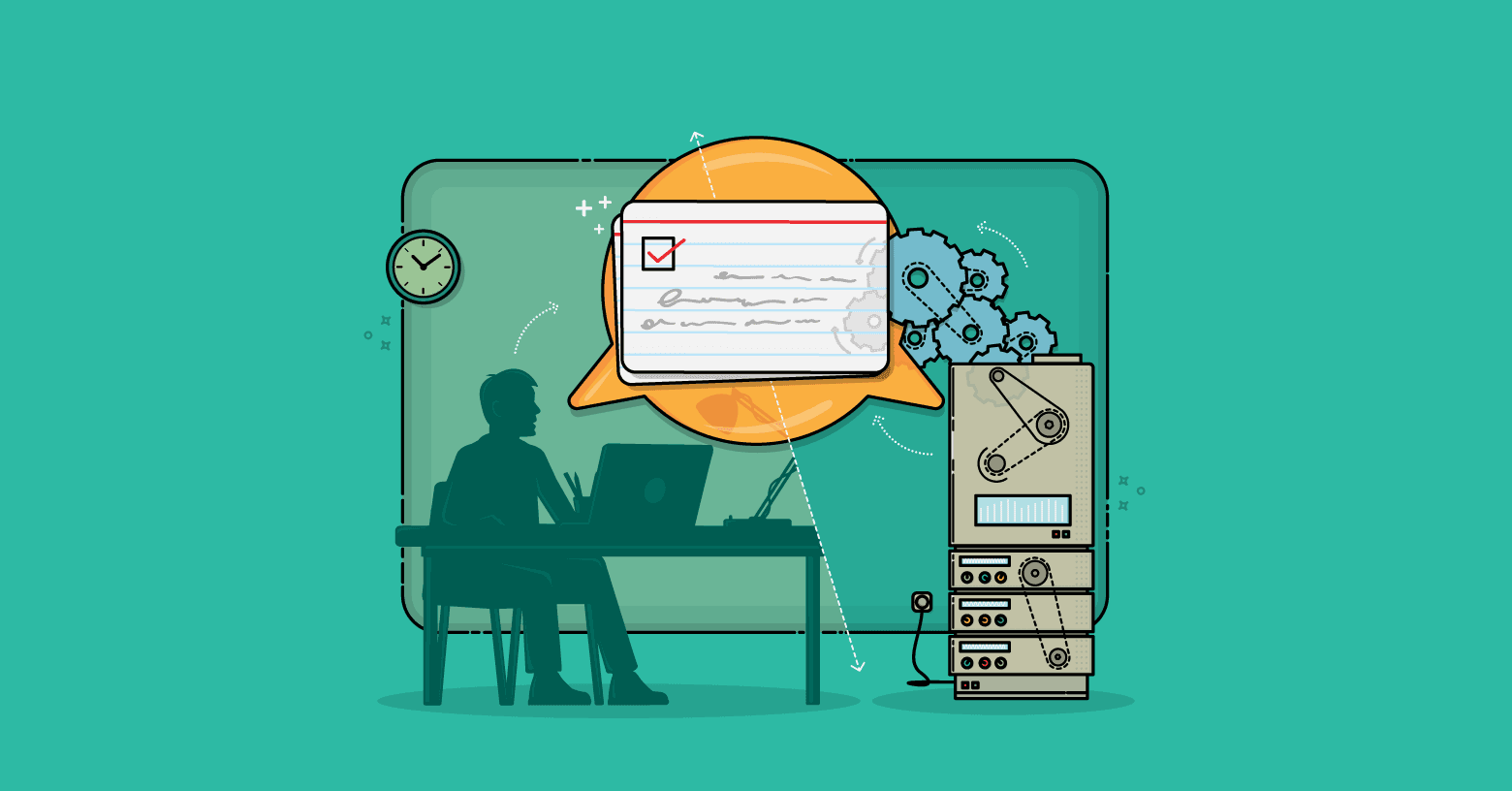
A Job Story shifts focus from *who* is doing something to *why*. It frames work around a situation, a motivation, and an outcome. Use it when a user's context is more important than their persona. The footgun is simply rephrasing a user story.
Personas: Build for a Specific 'Who', Not a Vague 'Everyone'
Personas give your team a shared user understanding by creating a fictional, yet realistic, character profile. They guide feature prioritization and design decisions by focusing on a specific "who."
Relative Sizing: Estimate Effort, Not Hours
Relative sizing compares work items to each other instead of assigning absolute hours. A team agrees on a baseline task and estimates others as 'larger' or 'smaller' relative to it, often using story points. The footgun is mapping points back to hours.

Buy a Feature: Prioritize by Making Customers Spend
Buy a Feature turns prioritization into a game where customers spend a limited budget on their desired features. It's used in product planning to force trade-offs and reveal true value.
Cost of Delay: Quantifying the Price of Waiting
Cost of Delay puts a price tag on waiting, quantifying the value lost for every week a feature isn't shipped. It helps prioritize work by its economic impact, not just effort.
Impact Mapping: From Business Goals to Code
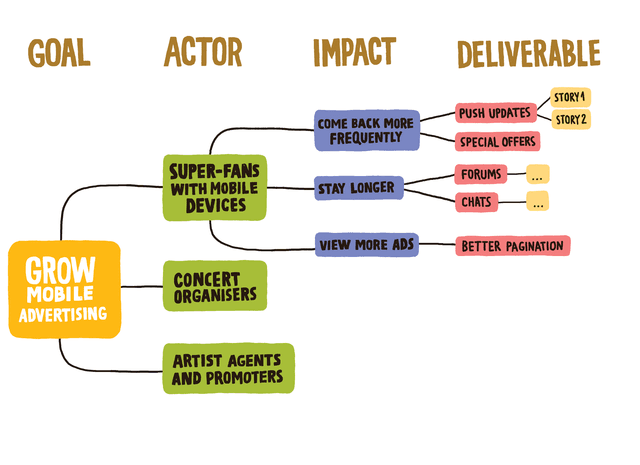
Impact Mapping is a visual roadmap that connects business goals directly to features, forcing you to answer "Why?" before "What?". Use it to align stakeholders on a new vision or prioritize a backlog. The footgun is starting with features and working backward.
Information Radiator: Your Team's Public Billboard
An information radiator is a large, public display that broadcasts key project info to anyone walking by. It's used for build statuses or task boards to keep the team aligned without meetings. The footgun is cluttering it until it becomes ignorable noise.
Timeboxing: Fix the Time, Flex the Scope
Timeboxing fixes the duration for a task, not the scope. You work for a set period and then stop, forcing focus and preventing endless work. It's the core of Agile sprints and daily stand-ups. The footgun is treating it as a hard deadline to cram.
Continuous Integration: Catching Bugs Early
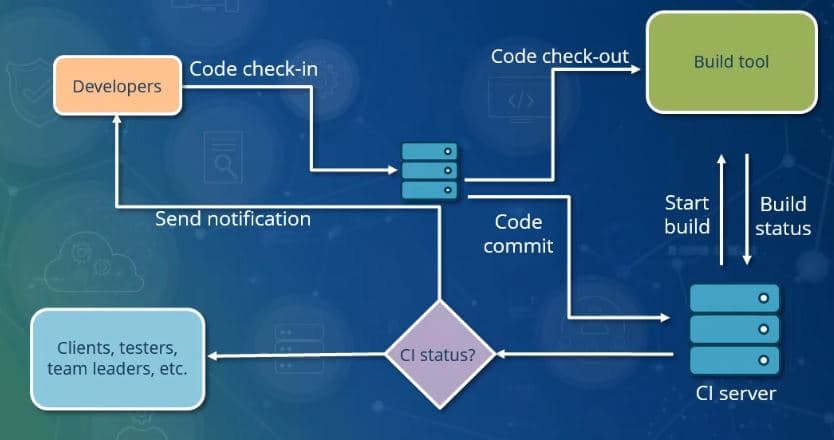
Continuous Integration (CI) treats code merging like a continuous stream, not a big-bang event, to keep the main codebase stable. On every commit, an automated system builds and tests the software to catch issues immediately.
Feature Toggles: Decouple Deployment from Release
A feature toggle is a runtime switch that lets you ship dormant code and activate it later, decoupling deployment from release. It enables canary rollouts and A/B tests.
Emergent Architecture: Build Just Enough, Just in Time
Emergent architecture lets design evolve as you build, prioritizing adaptation over upfront planning. It's used in agile teams where requirements are unclear.
Continuous Delivery vs. Deployment: The Final Step
Continuous Delivery automates releases to a staging environment for a manual go-live decision, while Continuous Deployment automatically pushes every passing build to production. Use Delivery for business-timed releases; use Deployment for maximum velocity.
PDCA Cycle: The Scientific Method for Business Improvement
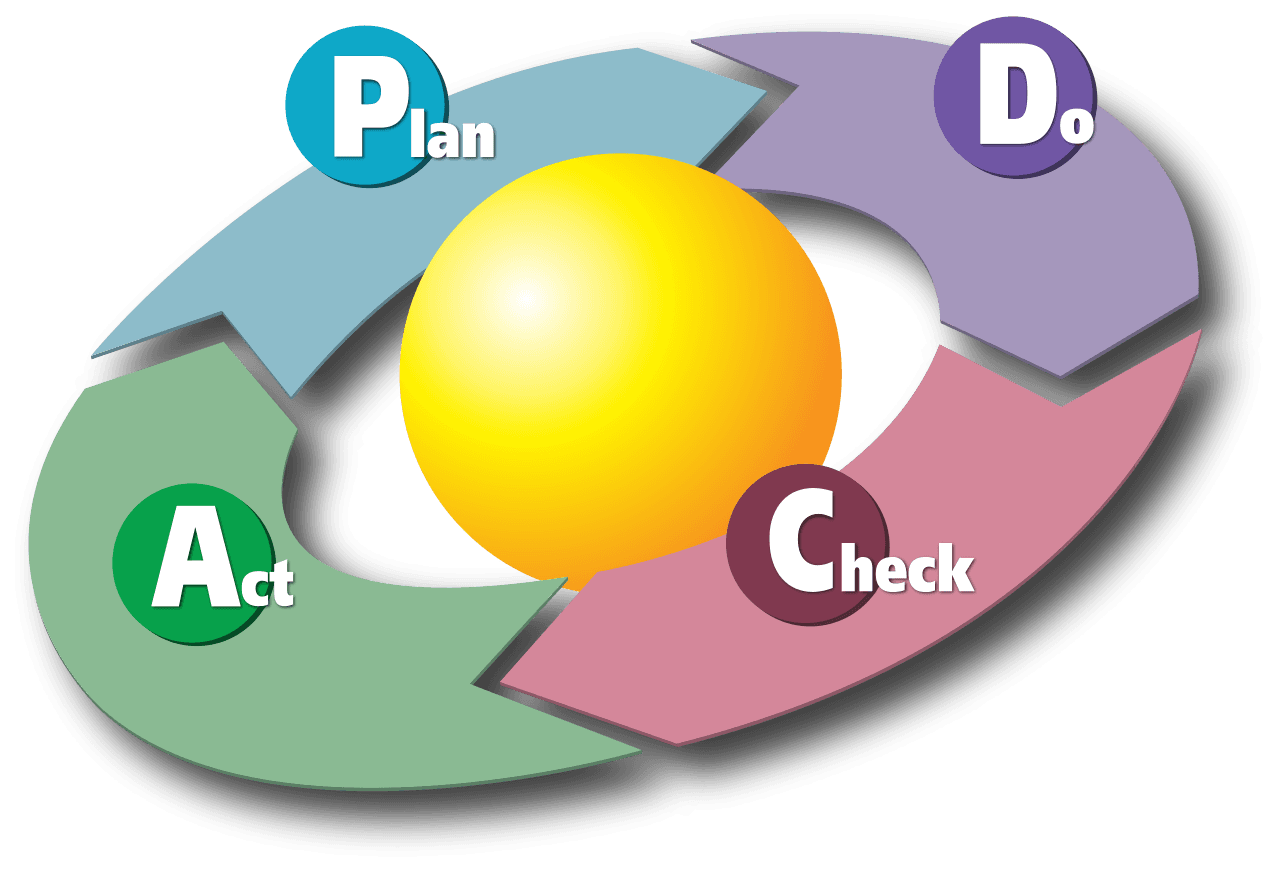
The PDCA cycle is the scientific method for business: Plan a change, Do the experiment, Check the results, and Act on the findings. It's used to refine manufacturing or improve software cycles.
Retrospective Prime Directive: Assume Positive Intent
Assume everyone acted with the best intentions given their context. The Retrospective Prime Directive creates psychological safety for a blameless discussion, focusing on systemic issues, not individual fault.
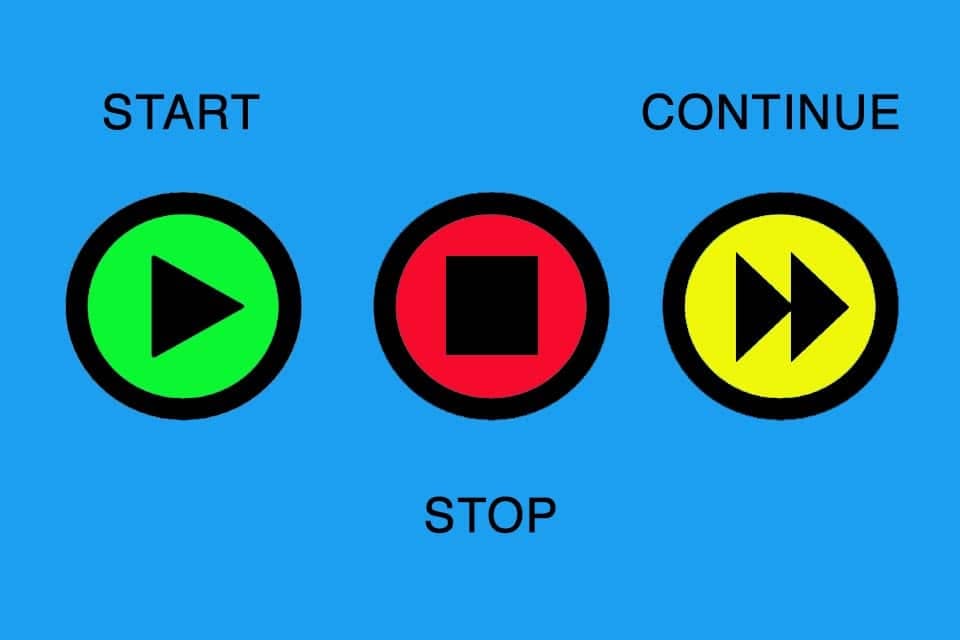
Start, Stop, Continue: A Simple Action-Oriented Retrospective
This retrospective turns feedback into action by asking what to start, stop, and continue doing. Teams use it after a sprint to improve processes and collaboration. The footgun: the 'Continue' list can become a long praise session, losing focus on improvement.
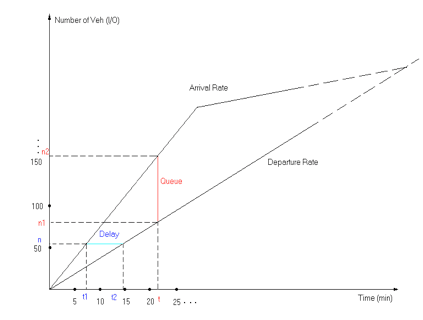
Cumulative Flow Diagrams: Spotting Workflow Bottlenecks
A Cumulative Flow Diagram is a geological cross-section of your project, showing work moving through states over time. Agile teams use it to spot bottlenecks by seeing where tasks pile up. The footgun is misinterpreting a widening band as a failure.

Fishbone Diagram: Mapping Problems to Root Causes
A fishbone diagram maps a problem to its potential root causes. It's a structured brainstorming tool used in retrospectives or post-mortems to explore *why* something happened.