All bites
The whole library, newest first. Filter by what you are here for, or pick a topic if you already know.
4247 bites
Page 68
Email Marketing: Your Direct Line to Customers
Email marketing is your owned communication channel, a direct line to customers not controlled by an algorithm. Use it to nurture leads, announce features, or drive sales. The footgun is sending generic blasts instead of segmenting for relevance.
PPC: Buying Intent, Not Attention
PPC buys intent, not attention: you bid to appear when someone searches for what you sell, paying only if they click. Use it for high-intent offers like B2B software where organic reach is slow.
Affiliate Marketing: Your Extended, Commission-Only Sales Team
Affiliate marketing is like having a commission-only sales team. You pay partners for actual results—sales or signups—not just for ad views. It's used by e-commerce stores with bloggers or SaaS companies rewarding referrals.
Referral Marketing: Turning Customers into a Sales Force
Referral marketing turns happy customers into a trackable sales force. Instead of just hoping for word-of-mouth, you actively incentivize users to refer friends. The footgun is treating it as a passive process rather than an active, trackable campaign.
Display Advertising: Renting Billboards on the Web
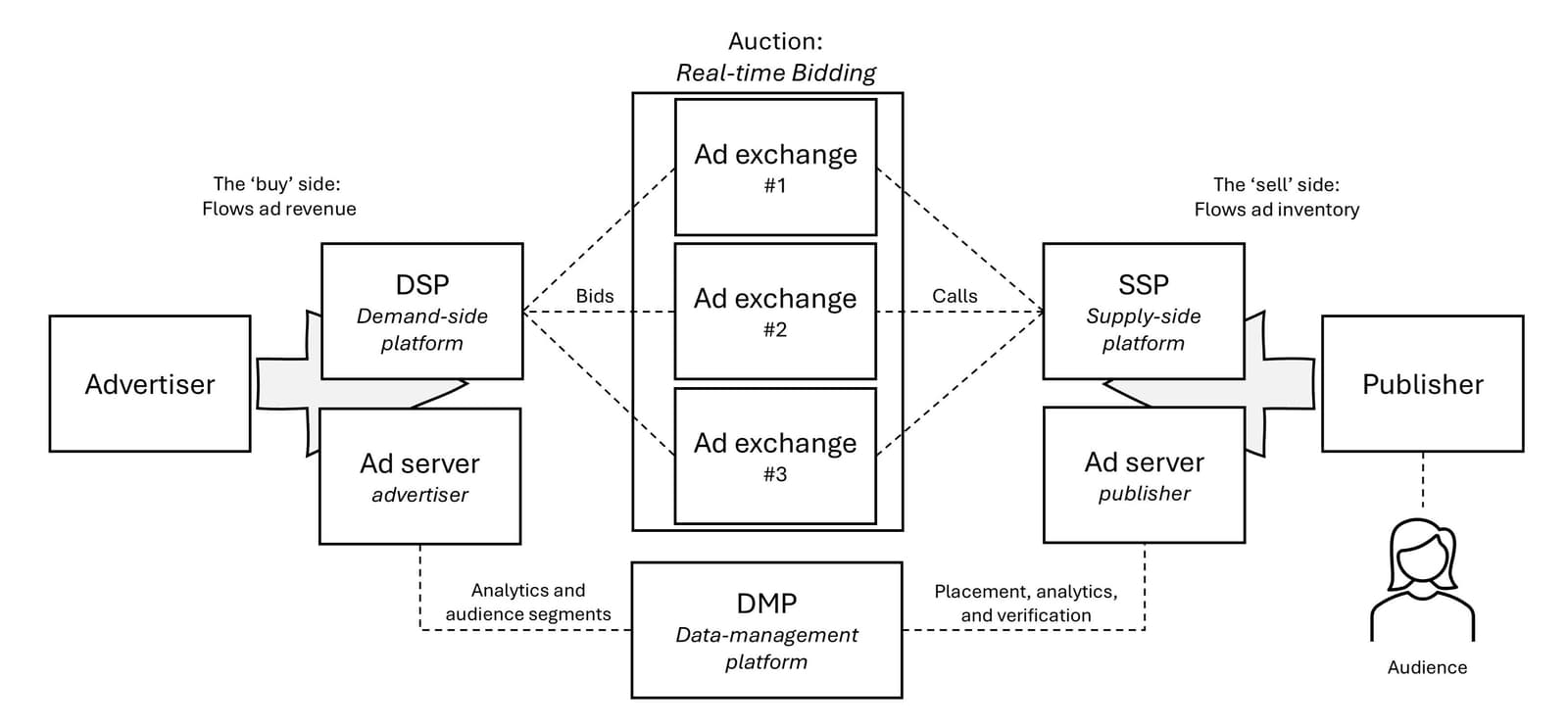
Display advertising is like renting billboards on third-party websites, using banners and videos to reach users where they are. It's used for brand awareness and retargeting. The footgun: judging success by clicks alone ignores its value in brand lift.
App Store Optimization (ASO): SEO for Mobile Apps
ASO is SEO for app stores, aiming to get your app seen and downloaded organically. It involves optimizing keywords, screenshots, and reviews to rank higher in search and charts.
Cost Per Mille (CPM): The Price of 1,000 Ad Impressions
CPM is the price for 1,000 ad impressions, a common metric for brand awareness campaigns. It's like buying billboard space online. The footgun is confusing low cost with high value; CPM measures exposure, not engagement or conversion.
Programmatic Advertising: A Stock Exchange for Ads
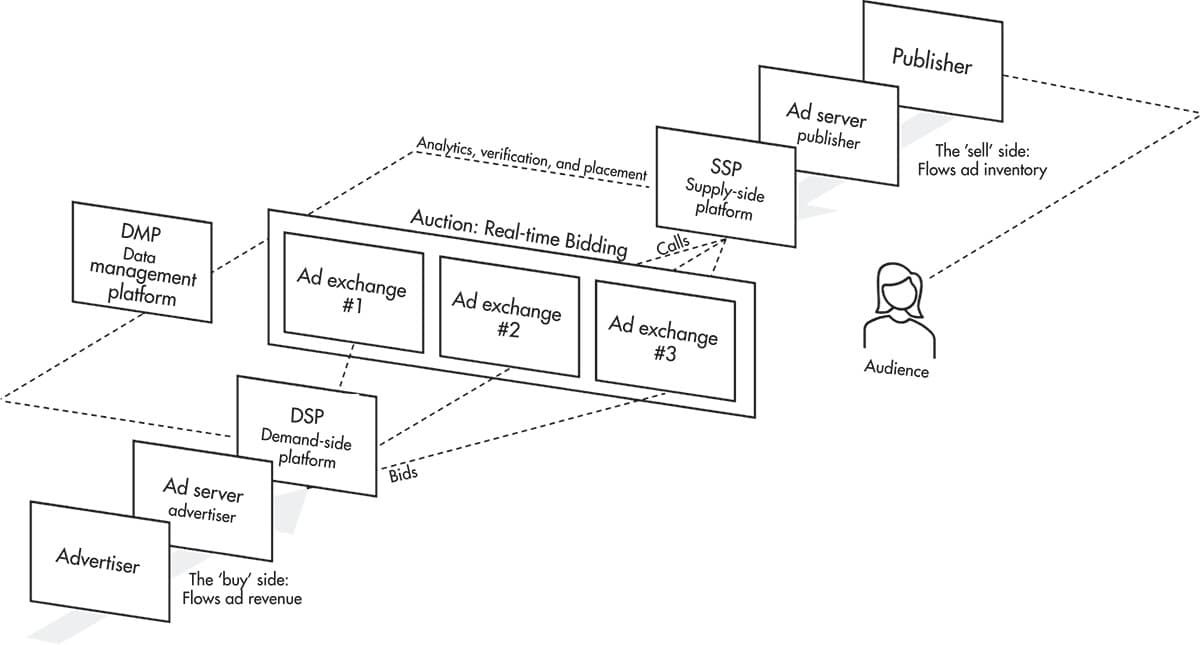
Think of programmatic advertising as a stock exchange for ad impressions. It automates buying ad space via real-time auctions, letting you target specific users across the web. The main footgun is paying for fraudulent bot traffic or appearing on unsafe sites.
Demand-Side Platform (DSP): Your Ad-Buying Robot
A DSP is an automated bidding system for advertisers, like a stock trading bot but for ad space. It lets them buy impressions across many publisher sites from one interface, targeting users in real-time auctions.
Lookalike Audiences: Find More of Your Best Customers
Lookalike audiences find new customers by algorithmically modeling your best existing ones. Ad platforms like Facebook use your "seed" list of high-value users to find a much larger group of statistically similar people to target with ads.
Real-Time Bidding (RTB): An Instant Auction for Every Ad
RTB treats every ad slot like a stock trade. The moment a page loads, an auction runs in milliseconds for advertisers to bid on showing their ad to you. It's how hyper-targeted ads appear instantly across different websites.
Onboarding Checklists: Guide Users to Their 'Aha' Moment
An onboarding checklist is a guided to-do list showing new users the key actions to find value. It bridges the gap between a first tour and independent use, increasing task completion by 20-30%.
Setup Wizard: Guiding Users Through Complexity
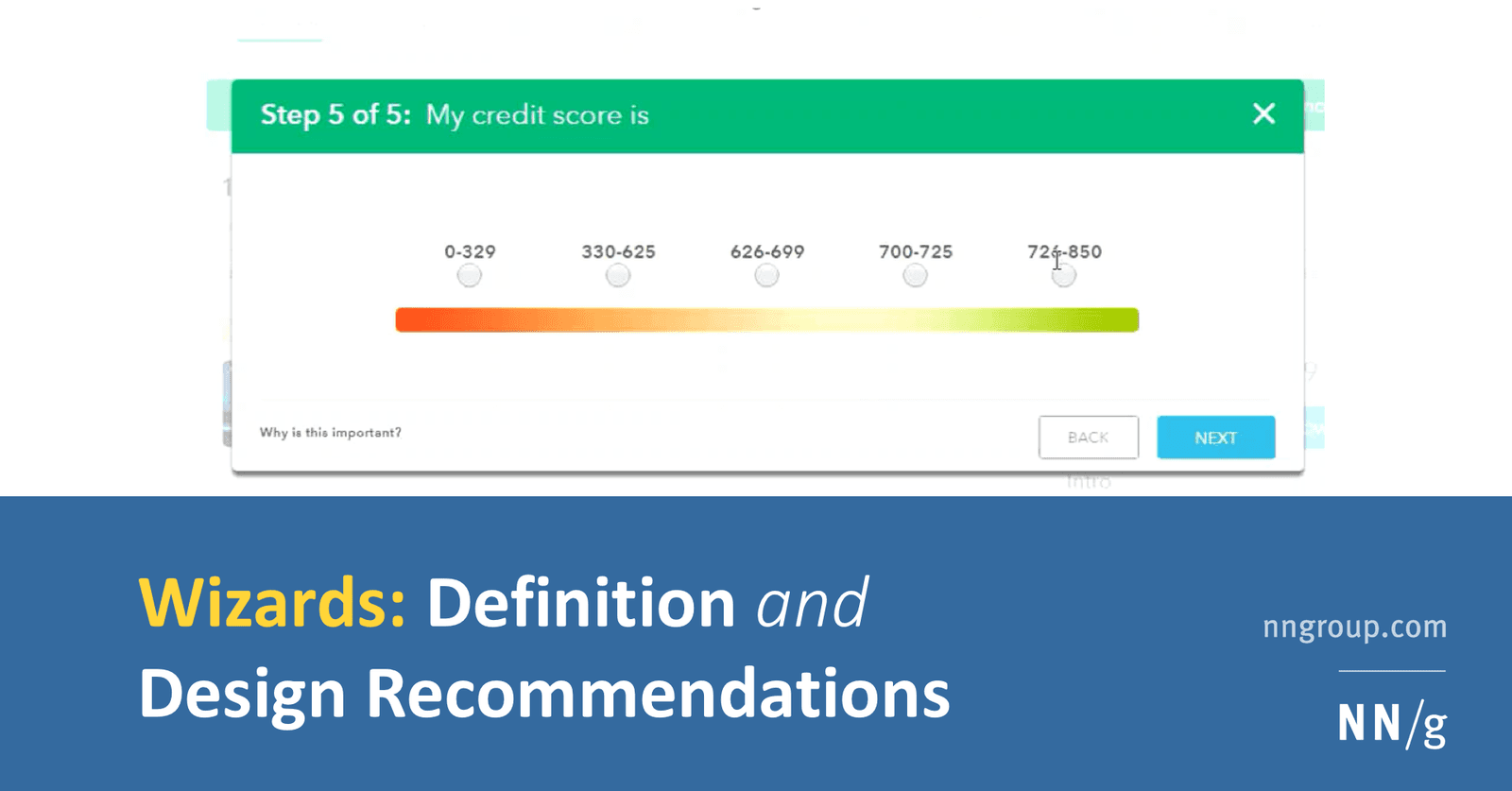
A setup wizard turns a complex form into a simple, step-by-step conversation. It's ideal for infrequent but critical tasks like software installation, where the system determines the next best step. The footgun: A true wizard alters the user's *path*.
Welcome Email Sequence: Guide Users from Signup to Value
A welcome email sequence guides new users from sign-up to experiencing your product's core value. It's crucial for SaaS products to reduce churn by encouraging key actions. The footgun is sending just one email and hoping users figure out the rest.
Progressive Disclosure: Show Less, Reveal More
Progressive disclosure manages complexity by showing only essential features upfront, like a "Read More" button for your UI. It's used in print dialogs and e-commerce specs to avoid overwhelming users.
Interactive Walkthroughs: Learn by Doing, Not Just Seeing
An interactive walkthrough teaches by doing. Instead of clicking 'Next,' users must perform the actual task to advance. It's best for critical onboarding flows where learning a workflow is key to activation.
Contextual Onboarding: Just-in-Time User Guidance
Contextual onboarding delivers guidance exactly when a user needs it, triggered by their actions. It introduces core features step-by-step as users explore, preventing overwhelm.

Personalized Onboarding: One Size Fits None
Personalized onboarding guides users based on their role or goal, not a generic script. It's key for apps with diverse user types, showing marketers and engineers different paths to value. The footgun is a one-size-fits-all tour that buries their "aha!"
Onboarding Gamification: Guiding Users with Game Mechanics
Onboarding gamification uses game-like elements to guide new users through key actions, turning a checklist into a challenge. It's used to boost activation by making initial setup feel rewarding, like earning a badge for completing your profile.
Customer Retention: Are Users Sticking Around?
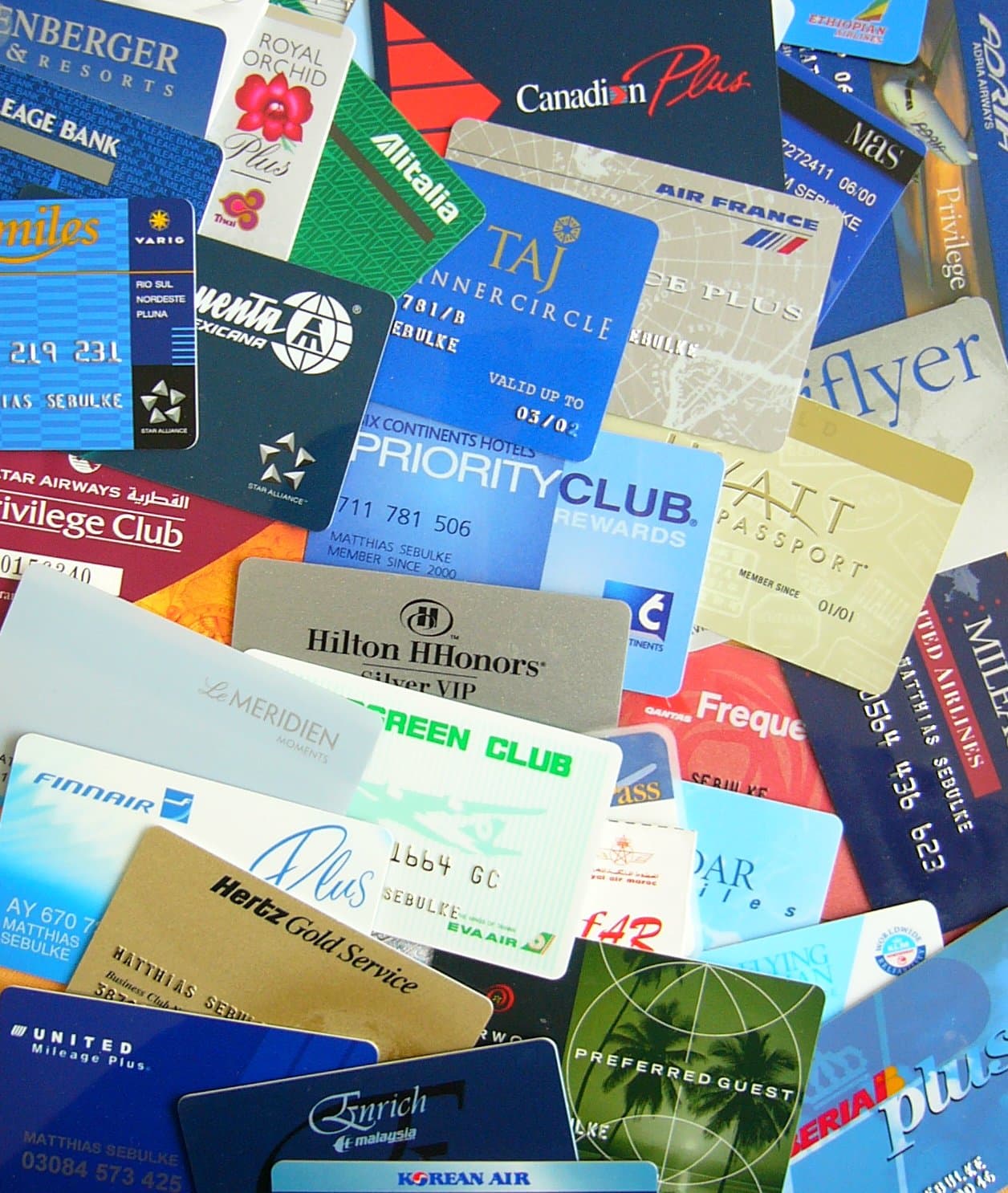
Customer retention measures if users return to your product. It's often more valuable to keep an existing customer than acquire a new one. This is critical for any business relying on repeat engagement, from SaaS to e-commerce.