More in Agile & Scrum — page 23

Bimodal IT: Running Your IT Org at Two Speeds
Bimodal IT runs IT at two speeds: a stable, predictable "Mode 1" for core systems and an agile, experimental "Mode 2" for innovation. This allows enterprises to build new digital products without breaking the essential legacy systems that run the business.
Kotter's 8-Step Change Model
Kotter's 8-Step Model treats organizational change as a campaign, not a memo. It's used for major shifts like mergers or new AI strategies. Skipping steps like creating urgency or celebrating small wins is a common failure mode, causing momentum to fizzle out.
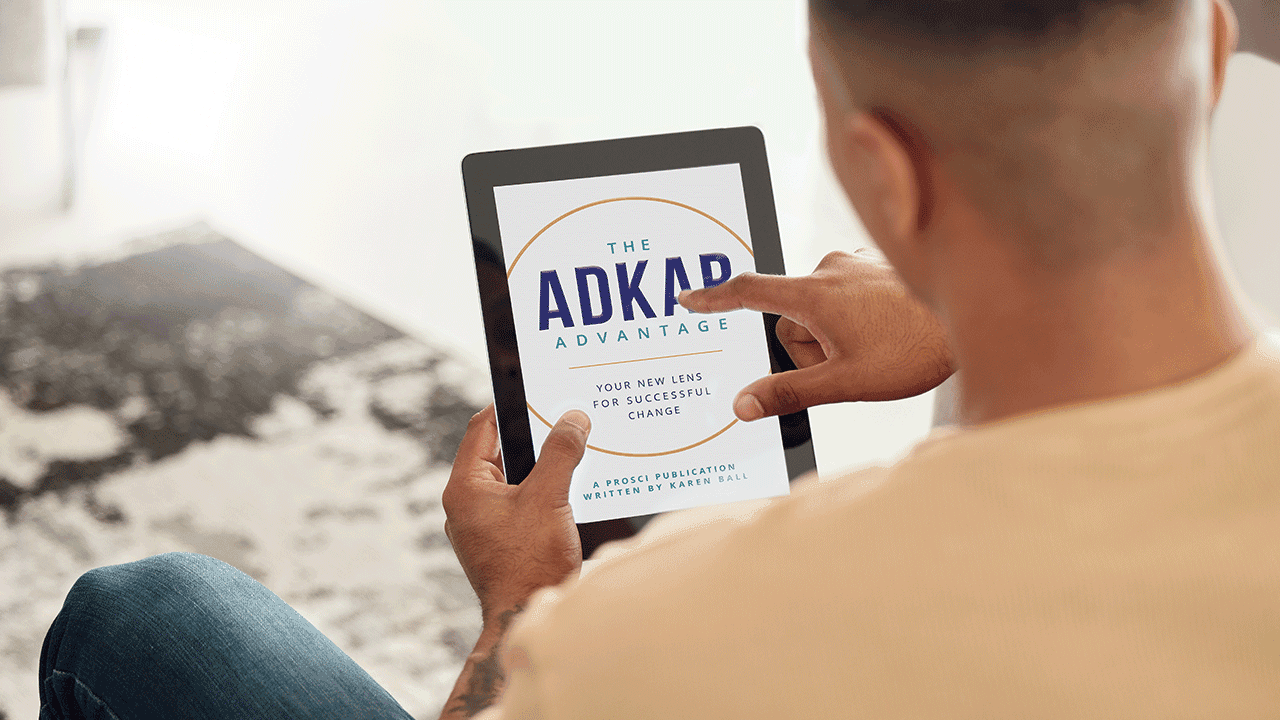
The ADKAR Model for Change Management
The ADKAR Model is a Prosci methodology for managing organizational change. It's applied during large-scale projects like ERP implementations, digital transformations, and mergers across industries like healthcare and finance.

The Satir Change Model
The Satir Change Model maps a team's emotional journey through disruption. When a new process is introduced, performance doesn't just improve; it first dips into resistance and chaos.
Hoshin Kanri: A Company's Strategic Compass
Hoshin Kanri, or "compass management," is a strategic planning process for aligning an entire company. It ensures high-level goals are effectively communicated throughout the organization and translated into concrete action at every level.
Obeya: The Project 'War Room'
Think of an Obeya as a project's 'war room,' a space for visualizing work to make fast, informed decisions. It's used in lean and agile settings to align teams on strategy and surface problems. The footgun is treating it as a status meeting room, not.
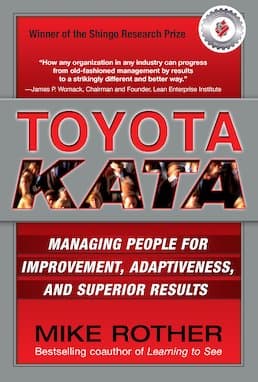
Toyota Kata: The Practice Routine for Continuous Improvement
Think of Toyota Kata as a daily workout for your team's problem-solving muscles. It provides a structured routine to move from a current condition to a target condition via rapid, small experiments.
Humble Inquiry: Ask Questions You Can't Answer
Humble Inquiry means asking questions you don't know the answer to, building trust by showing genuine curiosity. Use it in 1-on-1s or retrospectives to uncover hidden assumptions. The footgun is asking a leading question disguised as an open one.
Intent-Based Leadership: The Leader-Leader Model
Instead of waiting for orders, teams declare their intent to act. This leader-leader model, born on a nuclear sub, shifts the default from 'ask permission' to 'act unless vetoed,' empowering distributed decision-making.

Intent-Based Leadership: State the Goal, Not the Steps
Instead of giving orders, leaders declare their intent, empowering teams to figure out the 'how.' It's used in agile teams or military units where frontline context is key. The footgun is giving control without clarity, which leads to chaos instead of results.
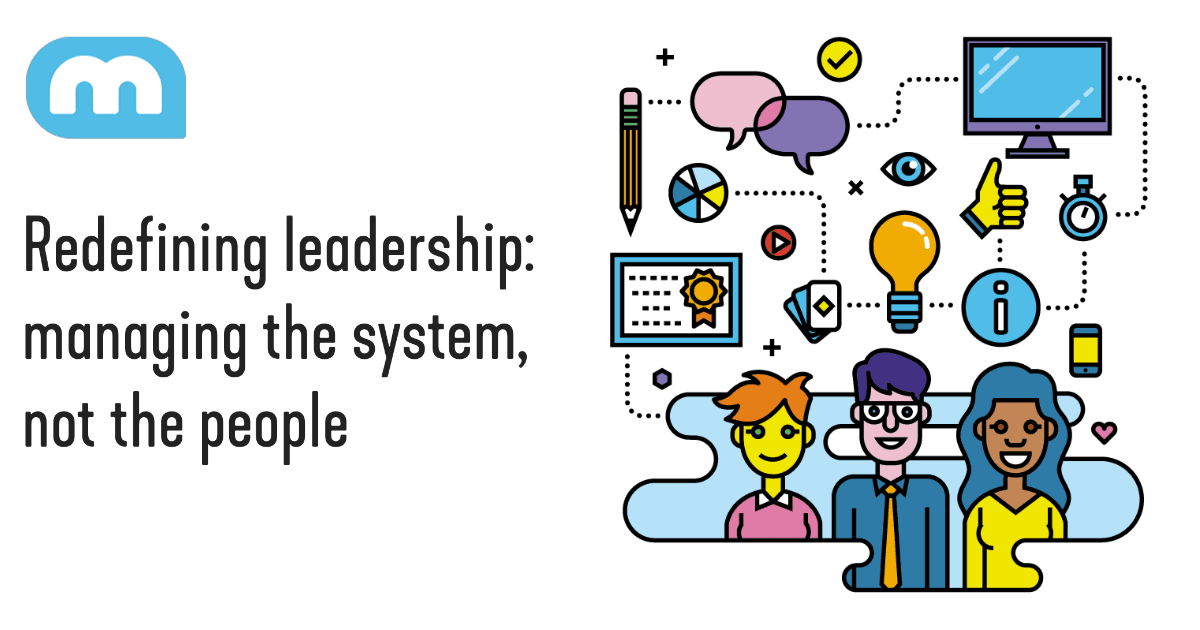
Management 3.0: Manage the System, Not the People
Management 3.0 treats leadership like tending a garden, not commanding an army. You manage the system—the environment and constraints—to let empowered teams flourish. It's used in agile contexts to boost engagement with hands-on tools and games.
Moving Motivators: Uncover What Drives Your Team
Moving Motivators is a card game that reveals a person's core drivers by ranking ten motivations. Use it with a new hire or a team facing change to see how their motivation will be impacted. The footgun is judging motivators, not understanding them.
Gemba Walk: Go See Where the Work Happens
A Gemba Walk means leaving your desk to see where value is actually created. It's about observing real work, not reading reports. Managers use it to understand real bottlenecks. The footgun is observing to judge, not to understand and learn.
Delegation Poker: Making Delegation a Team Sport
Delegation isn't a binary choice. Delegation Poker is a game where teams discuss and agree on their level of authority for key decisions, moving from 'manager decides' to 'team decides'. It's used to clarify roles and empower teams.
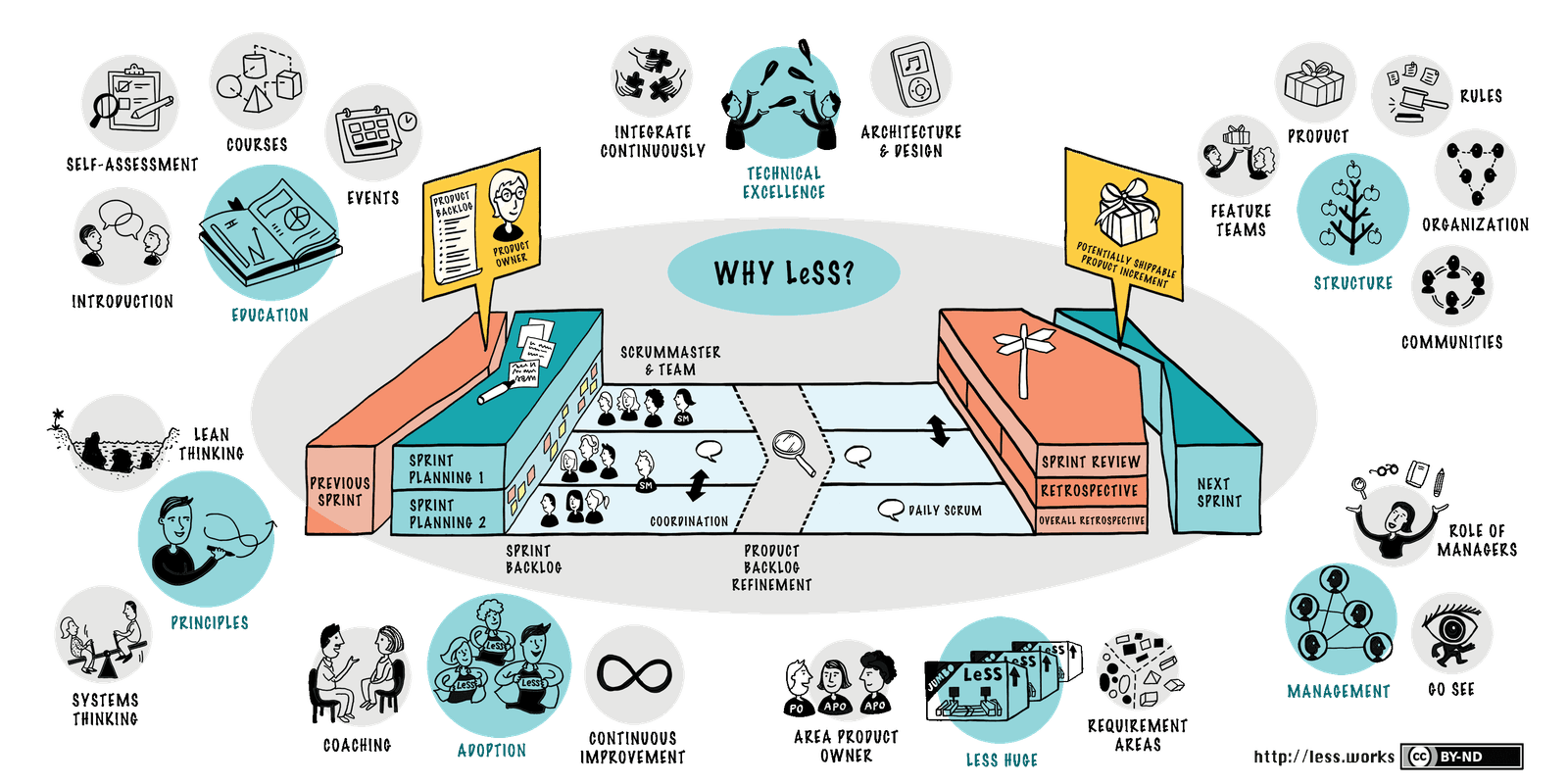
LeSS Huge: Scaling Scrum Beyond Eight Teams
LeSS Huge is a framework for applying Scrum when over eight teams work on one product, organizing them into "Requirement Areas." It’s for massive projects, like autonomous driving systems, where dozens of teams must coordinate.
Solution Train: The Train of Agile Trains
A Solution Train is a 'train of trains,' coordinating multiple Agile Release Trains (ARTs) to build one massive product. It's used for complex systems like autonomous vehicles where many teams must align.
Inspect & Adapt: SAFe's Formal Improvement Event
Inspect & Adapt is a formal 'pit stop' for an entire Agile Release Train (ART) to improve its process. At the end of each Program Increment, teams demo the solution, review metrics, and identify improvements.

Scrum@Scale: Agile for Teams of Teams
Scrum@Scale treats your organization as a network of Scrum teams, aiming for "minimum viable bureaucracy." It coordinates multiple teams working on one complex product.
RTE: The Conductor of the Agile Release Train
The Release Train Engineer (RTE) is the master facilitator for a group of agile teams, acting as a servant leader and coach. They orchestrate large-scale planning and ensure smooth value delivery.
PI Planning: Aligning an Entire Agile Release Train
PI Planning gets an entire 'team of teams' (an ART) in one room to plan the next 8-12 weeks. This two-day event aligns development with business goals and identifies cross-team dependencies.