Intermediate concepts in AI & ML

Regularization: Penalizing Complexity to Prevent Overfitting
Regularization penalizes model complexity to prevent overfitting. It's used in training to help models generalize to new data, rather than just memorizing training examples. The footgun is applying too much, causing the model to become too simple and underfit.
The MECE Principle: No Overlaps, No Gaps
The MECE principle structures analysis with 'no overlaps, no gaps.' Use it to break down problems, segment users, or plan projects. The footgun is achieving one rule (exclusive categories) but not the other (covering all cases), leading to flawed conclusions.
ML Experiment Tracking: Your Model's Lab Notebook
Think of it as a lab notebook for your models, logging every parameter and result. It's essential when tuning hyperparameters or comparing architectures, preventing you from losing track of what worked.
Hypothesis-Driven Analysis: Ask First, Analyze Second
Start with a specific question, then use data to find a clear yes/no answer. This approach is perfect for A/B testing or diagnosing metric changes, but watch out for confirmation bias—seeking data that only proves your initial belief.
Data Versioning: Git for Your Datasets
Think of data versioning as Git for datasets. It tracks changes to your data, allowing you to reproduce ML experiments or roll back to a previous state. The footgun is using regular Git, which chokes on the large binary files common in ML.
Word2Vec: Word Meaning as a Point in Space
Word2Vec turns words into numerical vectors, where semantic similarity becomes spatial proximity. It powers synonym detection and analogy tasks by learning from a word's context in a large text corpus.

North Star Metric: Aligning Your Team With One Metric
A North Star Metric (NSM) is the single number that best captures the core value your product delivers, acting as a compass for your team. It aligns everyone on a shared goal, like Spotify using 'Time Spent Listening.' The biggest footgun is not having one.
Camera Resectioning: Finding a Camera's Pose in 3D Space
Camera resectioning is like a detective's trick: use a photo of known objects to find the exact 3D position and orientation of the camera. It's key for AR and robotics. The footgun is assuming this finds all camera flaws; it only finds pose, not lens.

Leading vs. Lagging Indicators: Predict the Future or Report the Past?
Leading indicators are predictive inputs (like sales calls made) that forecast future results. Lagging indicators are outputs (like quarterly revenue) that report what already happened.
Lens Distortion: Why Straight Lines Curve in Photos
Lens distortion makes straight lines appear curved in an image, a result of imperfect lens geometry. It's critical to correct in computer vision for tasks like 3D reconstruction, but is often ignored in regular photography.
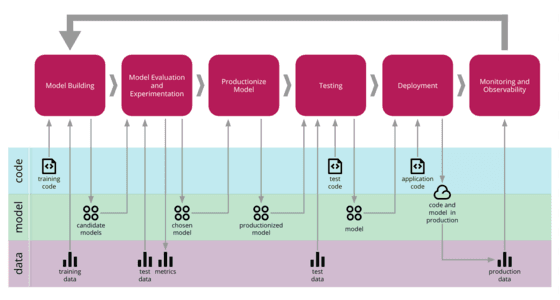
CD4ML: Automating ML from Data to Deployment
CD4ML extends CI/CD to manage ML's three axes of change: code, data, and models. It automates the entire lifecycle, enabling reliable updates for systems like sales forecasting.
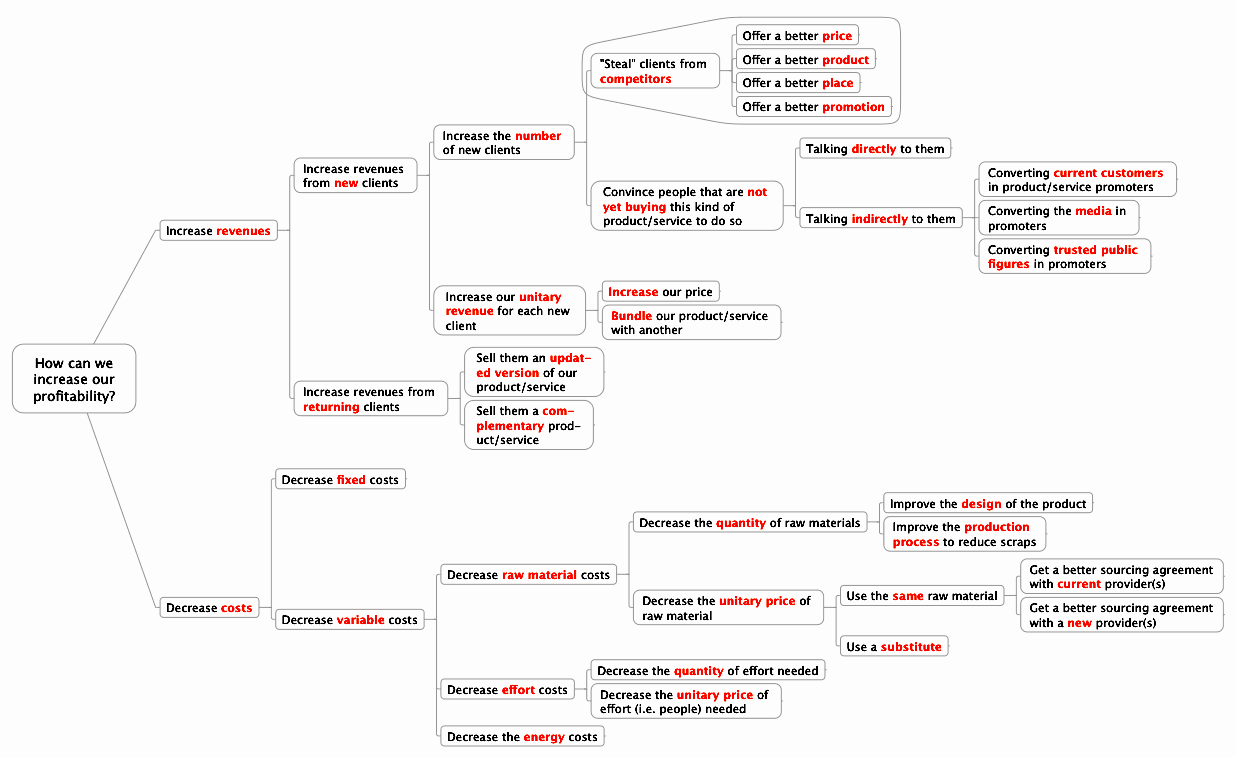
Issue Trees: Deconstruct Problems, Not Symptoms
An issue tree maps a problem's potential root causes. It's used in consulting and debugging to break down vague questions like 'Why is revenue down?' into testable hypotheses.

HSL and HSV: Intuitive Ways to Represent RGB Color
HSL and HSV are not new colors, but new ways to organize RGB. Think of them as cylindrical coordinates for color, making it easier for humans to select shades. You see them in every color picker.
Color Depth: Bits Per Pixel vs. Bits Per Channel
Color depth is the number of bits storing a pixel's color, like a digital paint box's size. It's key for image formats and displays, affecting file size and fidelity. The footgun is confusing total bits per pixel (bpp) with bits per channel (bpc).
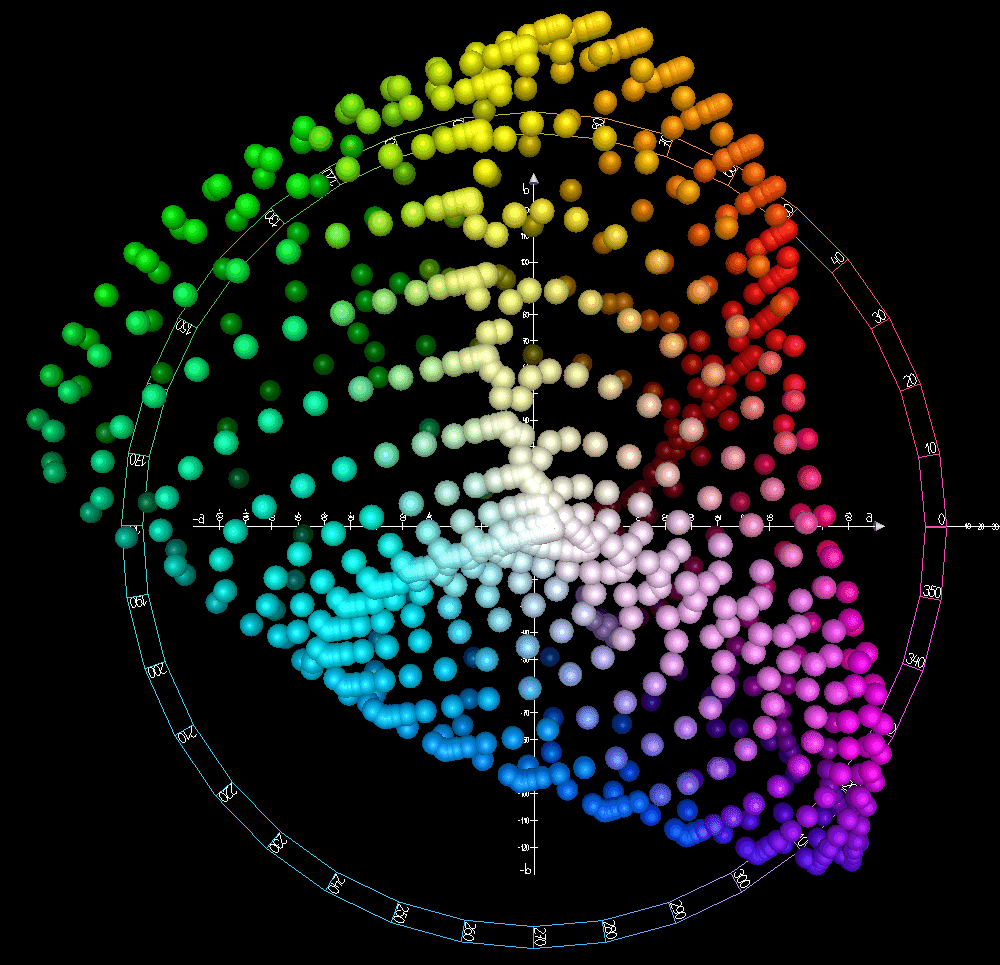
CIELAB Color Space: Measuring Color Beyond RGB
CIELAB models color not by how a screen displays it (like RGB), but by how a human perceives it: lightness, red/green, and yellow/blue. It's used in industry to measure and match colors precisely. The footgun is assuming it's perfectly 'perceptually uniform'.
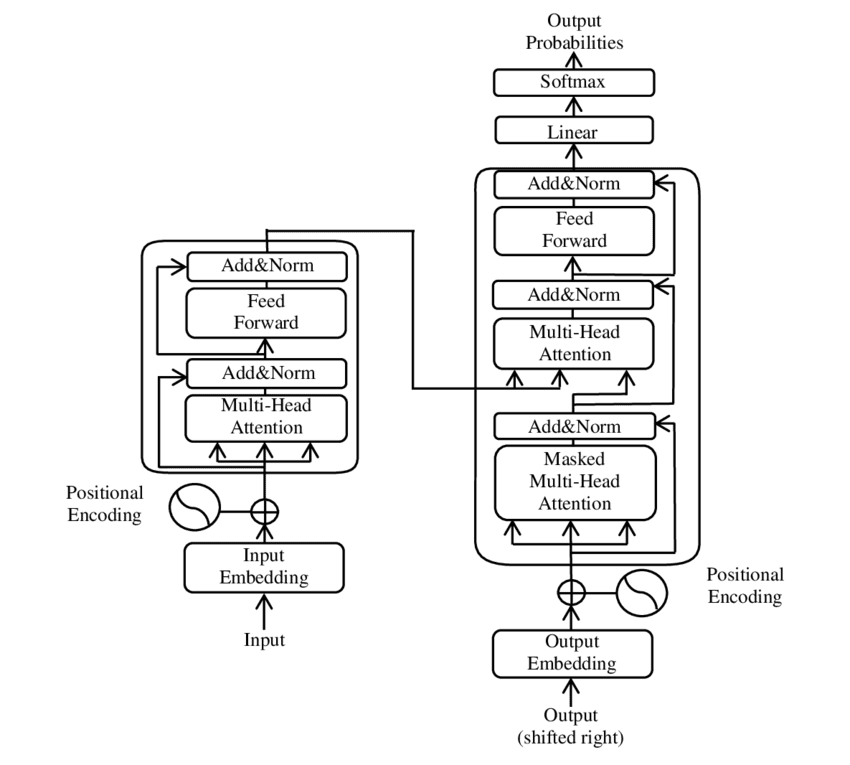
Self-Attention: The Transformer's Core Idea
Self-attention lets a model weigh the importance of different words in a sequence to understand context. This core mechanism of the transformer architecture powers LLMs for translation and generation.
Residual Connections & Layer Norm: The Transformer's Stabilizers
Residual connections are shortcuts that let information bypass layers, while Layer Normalization rescales a layer's outputs. Together, they prevent training from breaking in very deep networks like Transformers, enabling signals to flow without vanishing.
Bayes' Theorem: Updating Beliefs with Evidence
Bayes' Theorem updates your belief in a cause after seeing new evidence. It's used in medical diagnostics to interpret test results and in spam filters. The common footgun is ignoring the base rate—how likely the cause was *before* the evidence appeared.
Linear Regression: Finding the Line of Best Fit
Linear regression draws the 'line of best fit' through your data to predict outcomes. It's used to estimate continuous values, like forecasting sales based on ad spend or predicting a house's price from its size. The main footgun: correlation is not causation.
ELT: Load Raw Data, Transform in Place
ELT flips the data pipeline: load raw data first, then use the data warehouse's own power to transform it. It's used in ML feature pipelines. The footgun is assuming it's ETL; with ELT, the transformation logic is coupled to the warehouse's SQL engine.
We are hiring for this. Every open role lists the topics its interview covers, so you can prepare for the real thing rather than guessing.
See open roles