Concepts in AI & ML, page 21
Audience Analysis: Translate Data for Your Listener
Don't just show data; translate it for your audience. Audience analysis means tailoring communication to who's listening, based on their knowledge and needs. The biggest mistake is assuming your audience shares your context and jargon—they rarely do.
CLIP: Teaching AI to See with Words
CLIP creates a shared map for images and text, letting you classify images with natural language prompts. It's used for zero-shot classification and semantic search, bypassing the need for task-specific labeled data.
SHAP: Explaining Black Box Model Predictions
SHAP explains a model's prediction by treating features as players in a game and fairly distributing credit for the outcome. Use it to understand why a specific loan was denied or an image was misclassified. The footgun: SHAP explains the model, not reality.
AI Auditing: The OWASP LLM Top 10 Checklist
Think of an AI audit like a building inspection for your LLM app, checking for structural weaknesses. It uses frameworks like the OWASP Top 10 to find risks like prompt injection and data leakage.

Chartjunk: Less is More in Data Visualization
Chartjunk is visual noise in a graph that doesn't help the user understand the data, like 3D effects or decorative backgrounds. It's common in reports where aesthetics are prioritized over clarity.
Perceptual Loss: Judging Images by Vibe, Not Pixels
Perceptual loss judges an AI-generated image by its 'vibe,' not just pixel-for-pixel accuracy. It compares high-level features, making it key for style transfer and super-resolution.
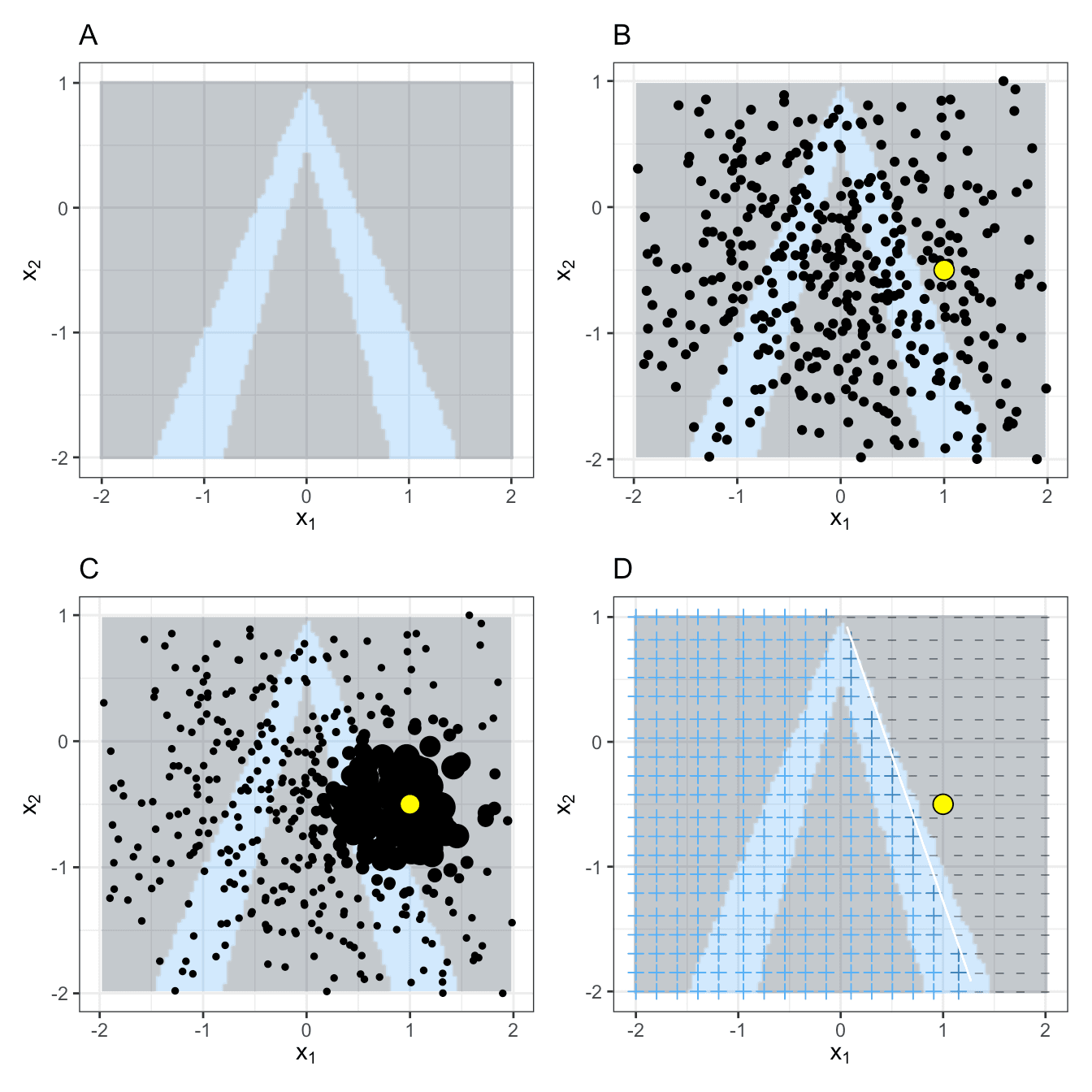
LIME: Explaining Single Predictions from Any ML Model
LIME explains a single prediction from any 'black box' model by approximating it with a simpler model that's only accurate locally. Use it to see why a specific user churned.
Hugging Face Hub: The GitHub for Machine Learning
Think of the Hugging Face Hub as the GitHub for machine learning. It's a central platform to find, share, and collaborate on millions of models, datasets, and demo apps. Use it to download a pre-trained model or share your own.

Pre-attentive Attributes: Your Brain on Autopilot
Pre-attentive attributes are visual properties your brain processes in milliseconds, before you consciously focus. They're the workhorses of data visualization, making outliers and patterns pop out of a dashboard. The biggest mistake is using too many at once.
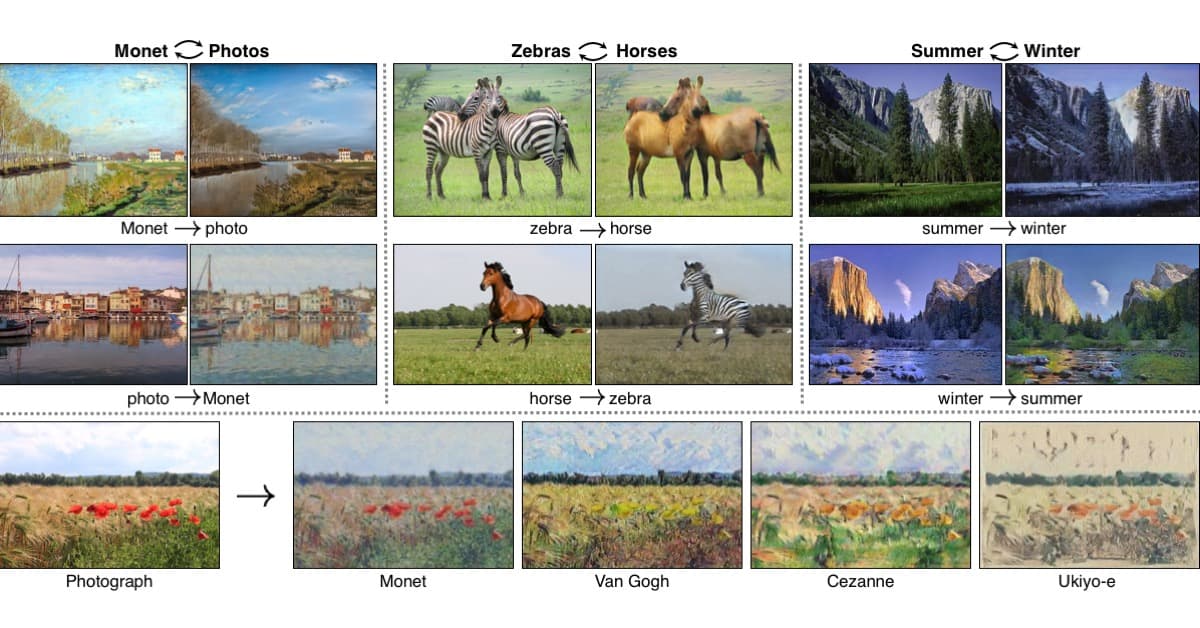
CycleGAN: Image Translation Without Paired Data
CycleGAN translates images between domains (e.g., photos to paintings) without direct 'before' and 'after' examples. It's used for style transfer or turning horses into zebras. The footgun is that it hallucinates details, making it unsafe for critical tasks.
Adversarial Attacks: Fooling Smart Models with Tiny Changes
Adversarial attacks trick ML models with tiny, imperceptible input changes, causing misclassification. It's like a visual illusion for an AI, turning a 'stop sign' into a 'speed limit' sign by altering a few pixels.
The OpenAI API: Access to Foundational AI Models
The OpenAI API provides access to influential models like GPT and DALL-E. It enables developers to integrate generative AI into commercial applications and research, building on technology that catalyzed the current AI boom.
Counterfactual Explanations: How to Change a Model's Mind
A counterfactual explanation finds the smallest input change that flips a model's prediction. It's used to give actionable feedback, like telling a user what to change to get a loan approved.
Interactive Data Viz: Let Users Explore the Data
Interactive data viz turns a static report into a conversation, giving users controls to ask their own questions. It's key for BI dashboards and research tools. The footgun is overwhelming users with too many options, creating confusion instead of clarity.
Normalizing Flows: Shaping Simple Distributions into Complex Ones
Normalizing flows transform a simple probability distribution, like a Gaussian, into a complex one, like images. This allows generative models to explicitly calculate the probability of any data point. The footgun is that the transformation must be invertible.
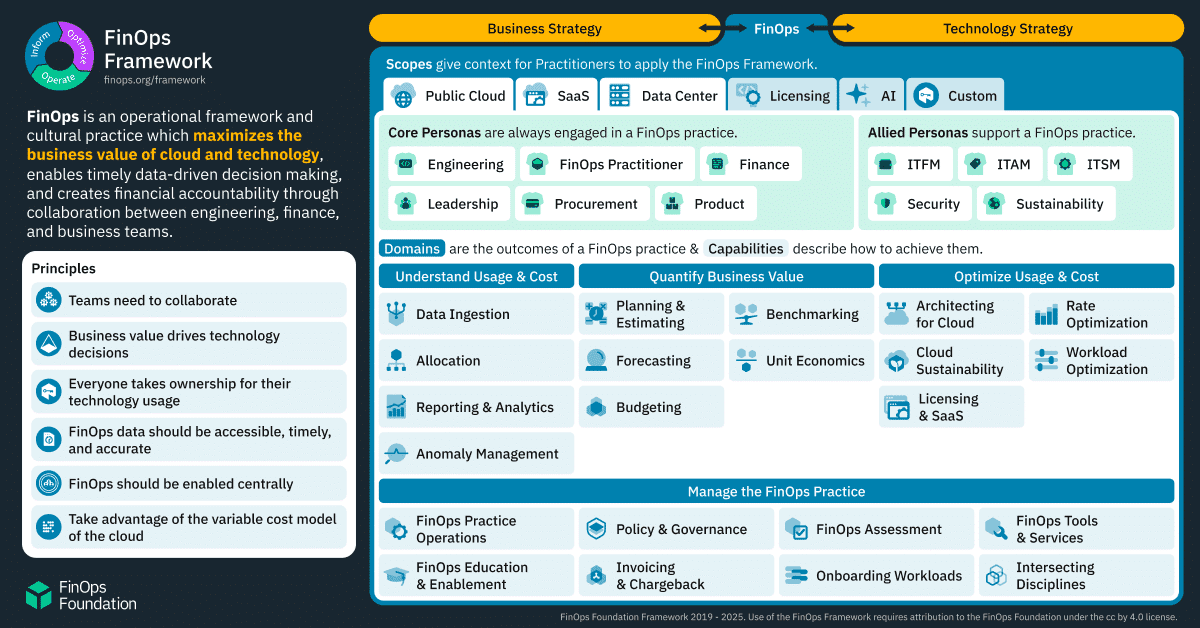
FinOps: Making Cloud Costs Everyone's Job
FinOps makes cloud cost a shared responsibility between engineering, finance, and business teams. It applies the variable, on-demand nature of the cloud to financial accountability.

The Llama Model Family: Open-Source AI for Production
Think of Llama not as one model, but a family of open-source AIs you can run anywhere. Use it for cost-effective, fine-tuned applications like internal search or when you need full control. The biggest mistake is mis-sizing the model for your task.
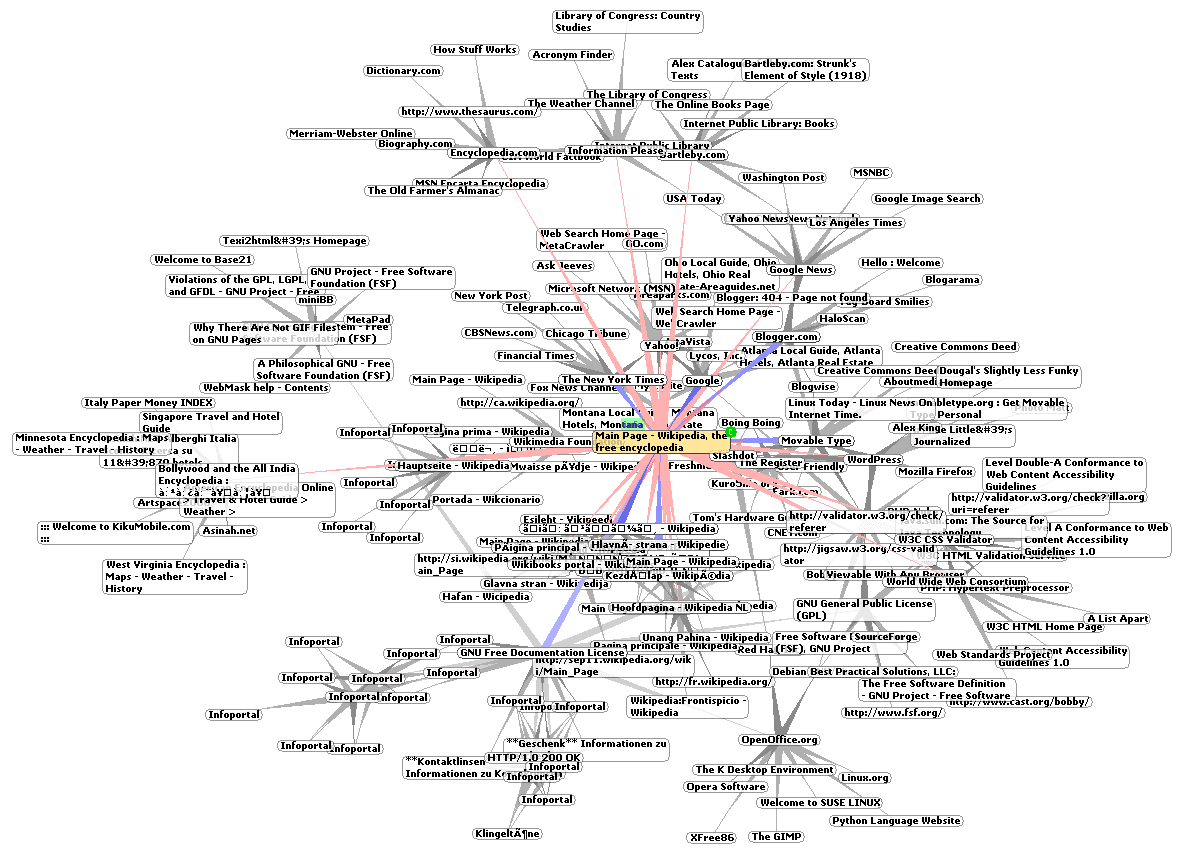
Network Visualization: Making Sense of Connections
Network visualization turns abstract relationships into a 2D map. It's used to see structure in social networks or biological pathways. The footgun is that layout choices can create misleading patterns; a pretty graph isn't always a true one.
GAN Inversion: Editing Real Photos with Fake Image Generators
GAN Inversion finds the latent code "recipe" inside a pre-trained GAN that best recreates a real image. This lets you use a generator's powerful editing features on real photos for tasks like manipulation or restoration.
Cloud Cost Allocation: Making Teams Own Their Spend
Cloud cost allocation answers "who pays for what?" by assigning every dollar of your cloud bill to a team or project. It uses metadata like tags and account structures to create showback reports.
We are hiring for this. Every open role lists the topics its interview covers, so you can prepare for the real thing rather than guessing.
See open roles