More in AI & ML — page 31
Cloud Cost Allocation: Making Teams Own Their Spend
Cloud cost allocation answers "who pays for what?" by assigning every dollar of your cloud bill to a team or project. It uses metadata like tags and account structures to create showback reports.
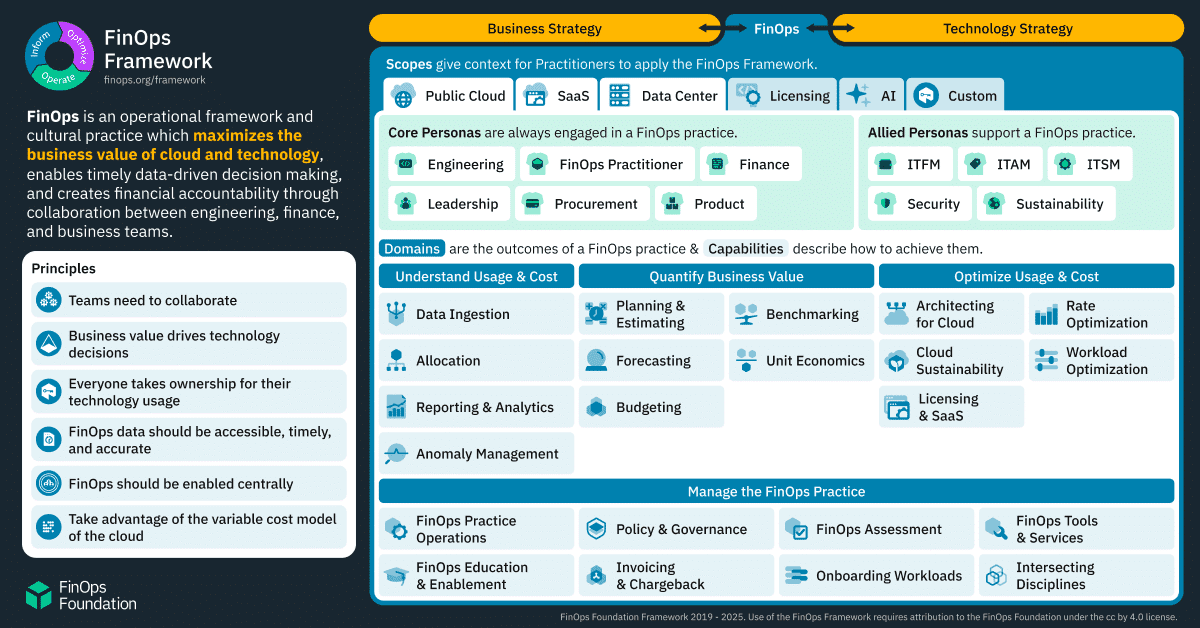
FinOps: Making Cloud Costs Everyone's Job
FinOps makes cloud cost a shared responsibility between engineering, finance, and business teams. It applies the variable, on-demand nature of the cloud to financial accountability.
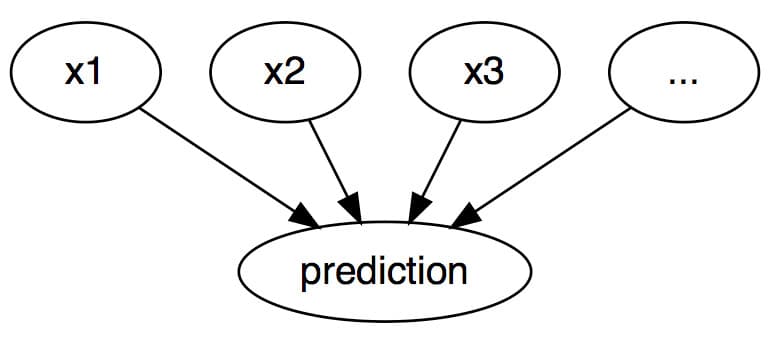
Counterfactual Explanations: How to Change a Model's Mind
A counterfactual explanation finds the smallest input change that flips a model's prediction. It's used to give actionable feedback, like telling a user what to change to get a loan approved.
Adversarial Attacks: Fooling Smart Models with Tiny Changes
Adversarial attacks trick ML models with tiny, imperceptible input changes, causing misclassification. It's like a visual illusion for an AI, turning a 'stop sign' into a 'speed limit' sign by altering a few pixels.
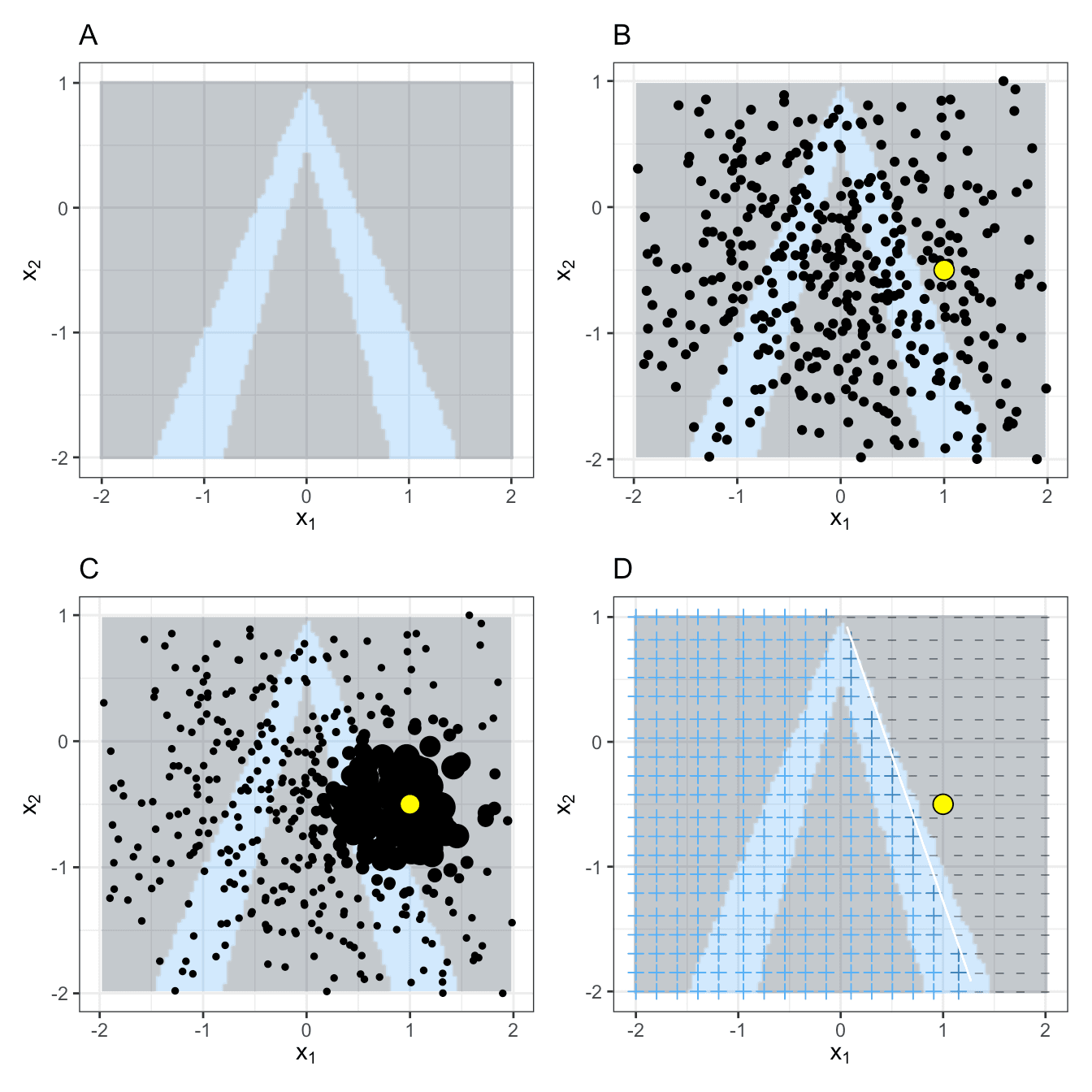
LIME: Explaining Single Predictions from Any ML Model
LIME explains a single prediction from any 'black box' model by approximating it with a simpler model that's only accurate locally. Use it to see why a specific user churned.
SHAP: Explaining Black Box Model Predictions
SHAP explains a model's prediction by treating features as players in a game and fairly distributing credit for the outcome. Use it to understand why a specific loan was denied or an image was misclassified. The footgun: SHAP explains the model, not reality.

ML Threat Modeling: Assume Your Data Is Compromised
Threat modeling for ML means assuming your training data is already compromised. This is crucial for services using public or user-supplied datasets. The main footgun is trusting data sources, as data poisoning can silently corrupt your model's behavior.

Model Interpretability vs. Explainability
Interpretability means a human can grasp a model's logic (e.g., a simple decision tree). Explainability is stronger: it's about why the model made a *specific* choice. This is key for debugging or justifying high-stakes decisions.
RBAC for MLOps: Who Can Do What?
RBAC assigns permissions to roles, not people. You create roles like 'Data Scientist' with specific permissions (e.g., access training data), then assign users to that role.
Hybrid Cloud MLOps: Train Anywhere, Deploy Everywhere
Treat your ML infrastructure like your applications—a consistent platform that runs anywhere, avoiding siloed stacks for data science and app dev. Use it to train on cloud GPUs but deploy on-prem for low latency, ensuring dev/prod parity across environments.
Compute Abstraction Layer: Run Code Anywhere
A Compute Abstraction Layer is a universal adapter for your code, letting you run it on a laptop, cloud GPU, or cluster without changes. It's used in MLOps to scale a script from local debug to production training. The footgun is a leaky abstraction.
The MLOps Maturity Model: A Roadmap for Growth
The MLOps Maturity Model is a roadmap from manual chaos to automated ML systems. Use it to assess your team's current state and plan incremental improvements.

Azure Machine Learning: A Service on Microsoft's Cloud
Microsoft Azure is a general-purpose cloud platform for building applications. It provides the global infrastructure and tooling support upon which specialized services, like Azure Machine Learning, are built.

MLaaS: Your Machine Learning Lab in the Cloud
Machine Learning as a Service (MLaaS) provides the key ingredients for ML—data, compute, and expertise—as a cloud service. This lets teams build models for forecasting or spam detection without buying expensive hardware.

PaaS: The Managed Platform for Building Applications
PaaS gives you a ready-to-use development environment, handling the OS and middleware so you can just code. It's used to accelerate app development for web, IoT, or ML. The main footgun is vendor lock-in, making future platform migrations difficult.

Pipeline Step Caching: Don't Recompute What You Don't Have To
Pipeline step caching is memoization for your ML infrastructure, saving time and money by reusing previous results. It's used in MLOps pipelines when inputs and code haven't changed. The footgun: the cache is scoped to one pipeline and a timeout, not globally.
Argo Workflows: Run Complex Jobs on Kubernetes
Think of Argo Workflows as a script runner for Kubernetes, where each command is a container. It runs multi-step jobs like CI/CD or ML pipelines. The footgun is treating it like a full CI server; it's just an engine and lacks features like Git polling.
Vertex AI Pipelines: Orchestrating ML Workflows
Think of it as an assembly line for your machine learning models, automating everything from data prep to deployment. Use it to build reproducible, production-grade ML systems on Google Cloud.
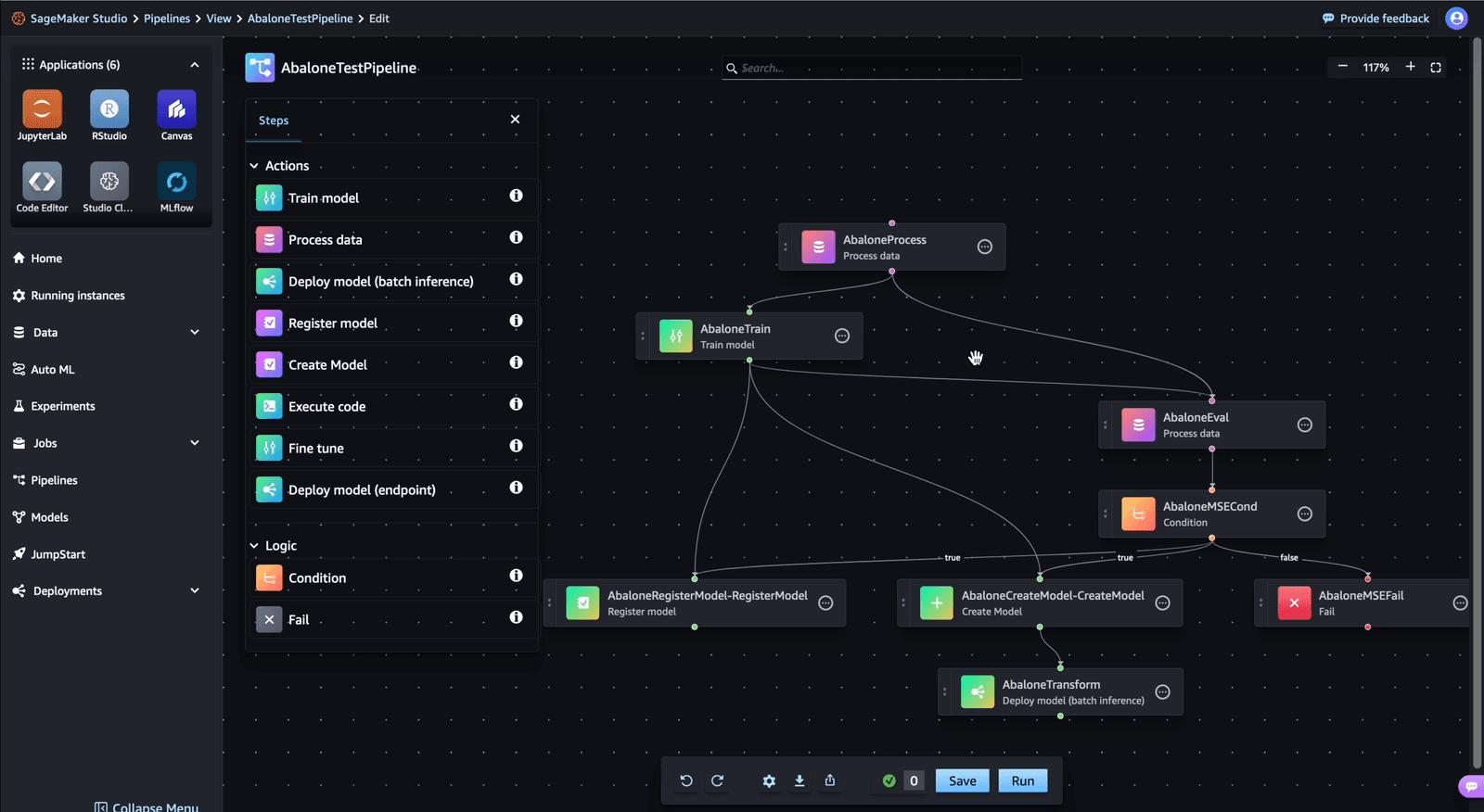
Amazon SageMaker Pipelines: Repeatable ML Workflows
Think of SageMaker Pipelines as a CI/CD pipeline for ML models, automating workflows from data prep to deployment. Use it for reproducible training and automated retraining.
TensorFlow Extended (TFX): Production ML Pipelines
TFX is an end-to-end platform for building production ML pipelines, like an assembly line for your models. It automates data validation, training, analysis, and serving. The footgun: TFX is not one tool, but a suite of libraries you must learn and connect.