Concepts in Analytics & Metrics, page 2
ELT: Load Raw Data First, Transform It Later
ELT pipelines load raw data directly into a data lake *before* any transformation. This speeds up ingestion and lets you figure out the data's structure later.

Data Warehouse: The Single Source of Truth for Analytics
A data warehouse is a central database optimized for analytics, not transactions. It integrates historical data from disparate sources like sales and marketing to create a single source of truth for business intelligence.
Online Analytical Processing (OLAP)
OLAP databases are built to quickly answer complex, multi-dimensional questions, unlike transactional (OLTP) databases that handle individual records. They power business intelligence tools for sales and marketing analysis.
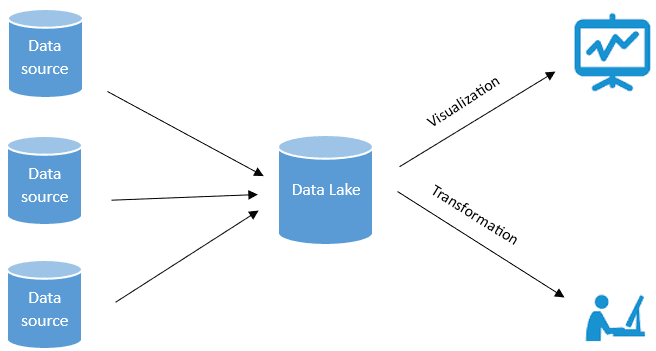
Data Lake: Store Raw Data Now, Analyze It Later
A data lake is a central repository that holds vast amounts of raw data in its native format. This "store now, structure later" approach is ideal for machine learning on original, unfiltered source data.
Data Marts: Your Department's Slice of the Data Warehouse
Think of a data mart as a department's personal slice of the main data warehouse, containing only relevant data. This allows teams like Sales or Marketing to run faster, focused queries. The footgun is letting each team define shared terms differently.
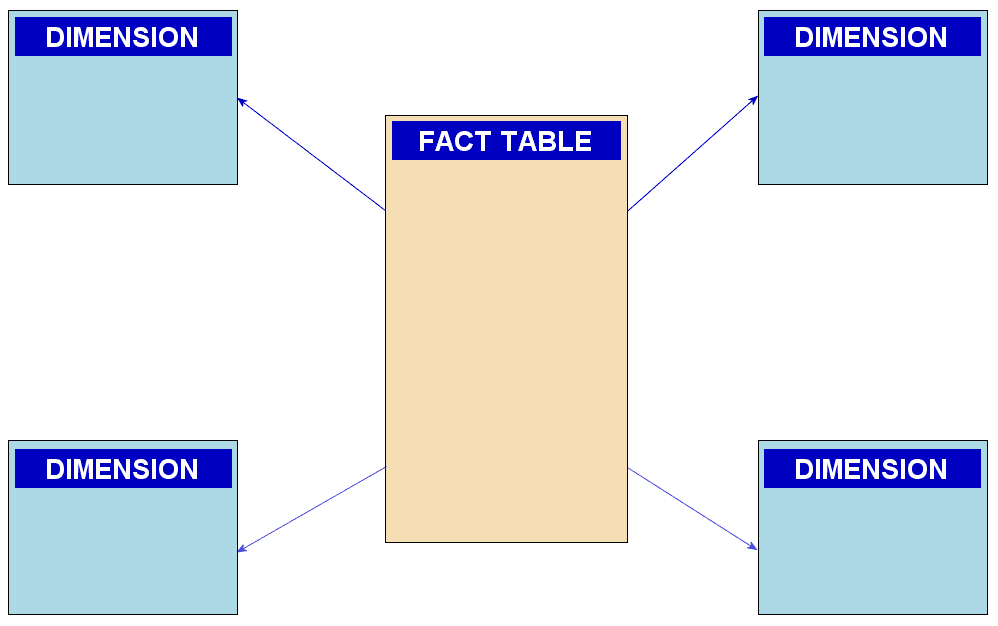
Star Schema: The Blueprint for Analytics Data
A star schema organizes analytics data with a central fact table (e.g., sales) surrounded by dimension tables (e.g., customers). It's built for fast queries in data warehouses. The footgun is normalizing dimensions, which negates its speed advantage.
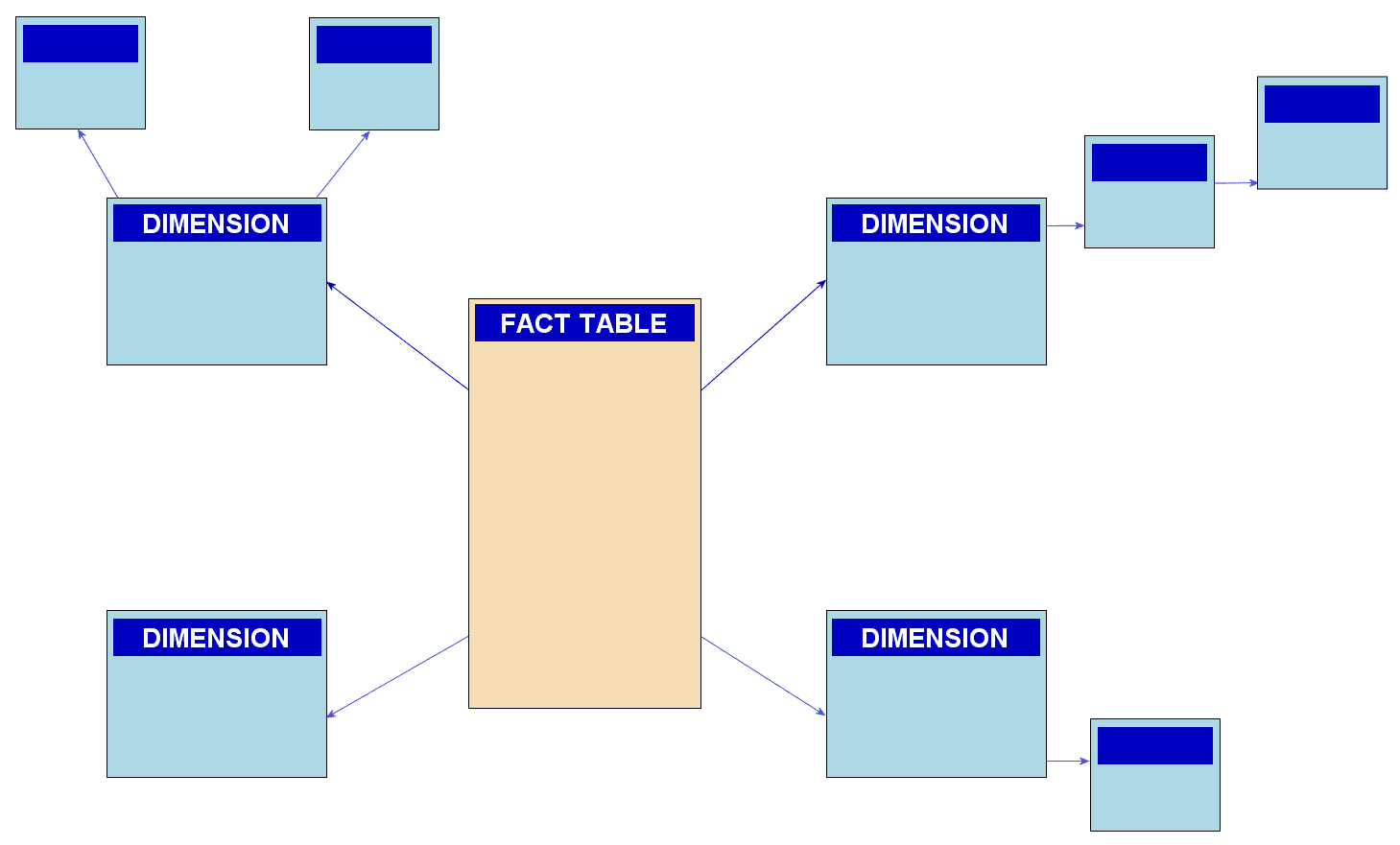
Snowflake Schema: Trading Query Speed for Storage
A snowflake schema saves storage by normalizing a star schema's dimensions into smaller, related tables. It's used in data warehouses to reduce redundancy, but the extra joins required can slow down queries, making it a trade-off against a simpler star schema.
Change Data Capture (CDC): Turn Your Database Into a Stream
Change Data Capture (CDC) turns your database into a real-time stream of change events (inserts, updates, deletes). It's used to sync data across systems, like updating search indexes or feeding analytics warehouses, without full table scans.
Data Lakehouse: The 'Lake' Foundation
A data lake is a central repository that stores all your data—structured or raw—in its original format. It's used to hold raw source system copies, sensor data, and social feeds for later analysis, but can become a messy "data swamp" without governance.
Slowly Changing Dimensions (SCDs)
Slowly Changing Dimensions (SCDs) are how data warehouses handle history for attributes that change infrequently, like a customer's address. This ensures historical reports remain accurate. The footgun is overwriting old values, which corrupts past analysis.
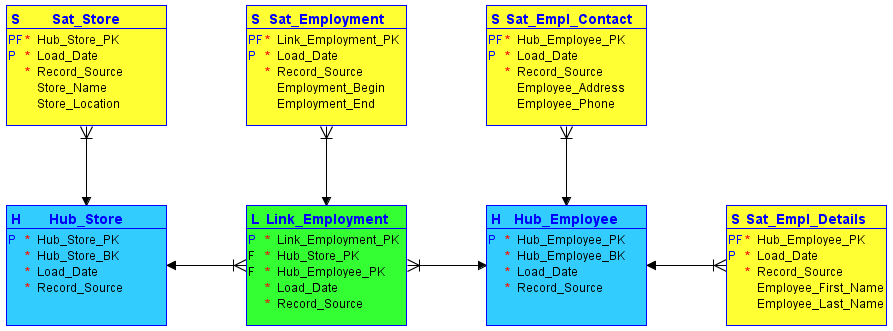
Data Vault Modeling: An Audit-First Data Warehouse
Data Vault modeling builds a warehouse like a financial ledger, where every entry is permanent and traceable. It excels at storing historical data from multiple systems for auditing.
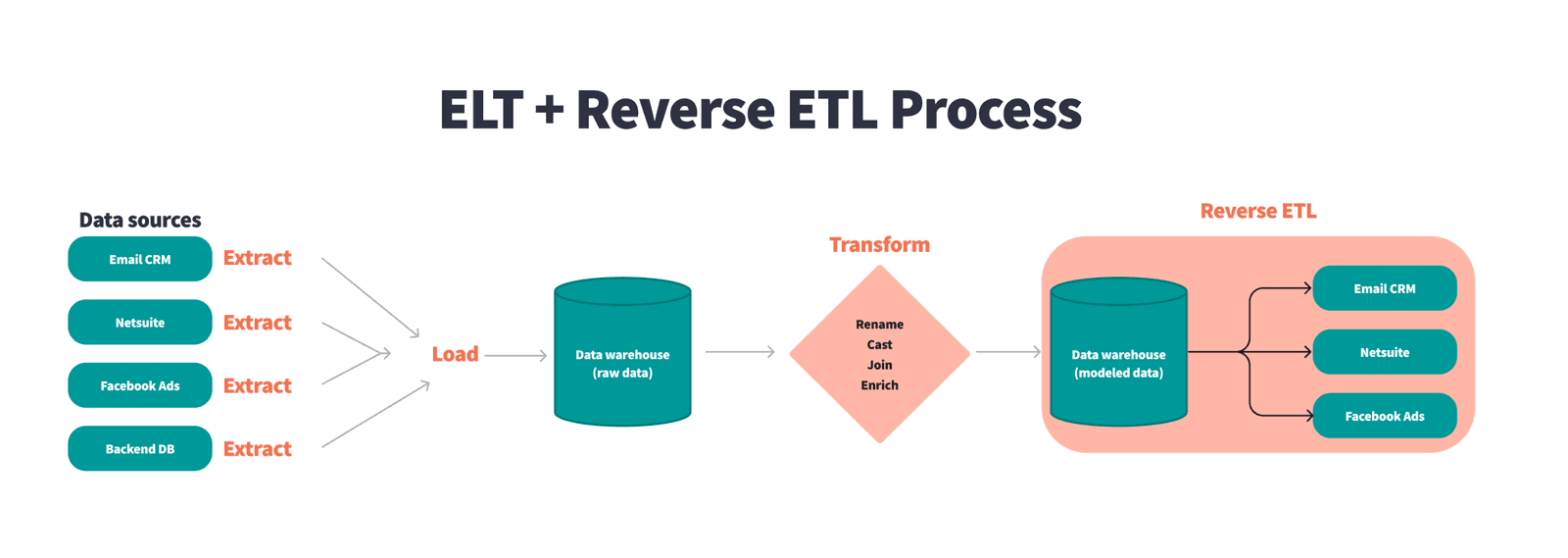
Reverse ETL: From Warehouse Insights to Operational Action
Reverse ETL pushes clean data from your central warehouse back into the operational tools business teams use daily. This powers sales with customer scores in their CRM or marketing with personalized segments, all from a single source of truth.
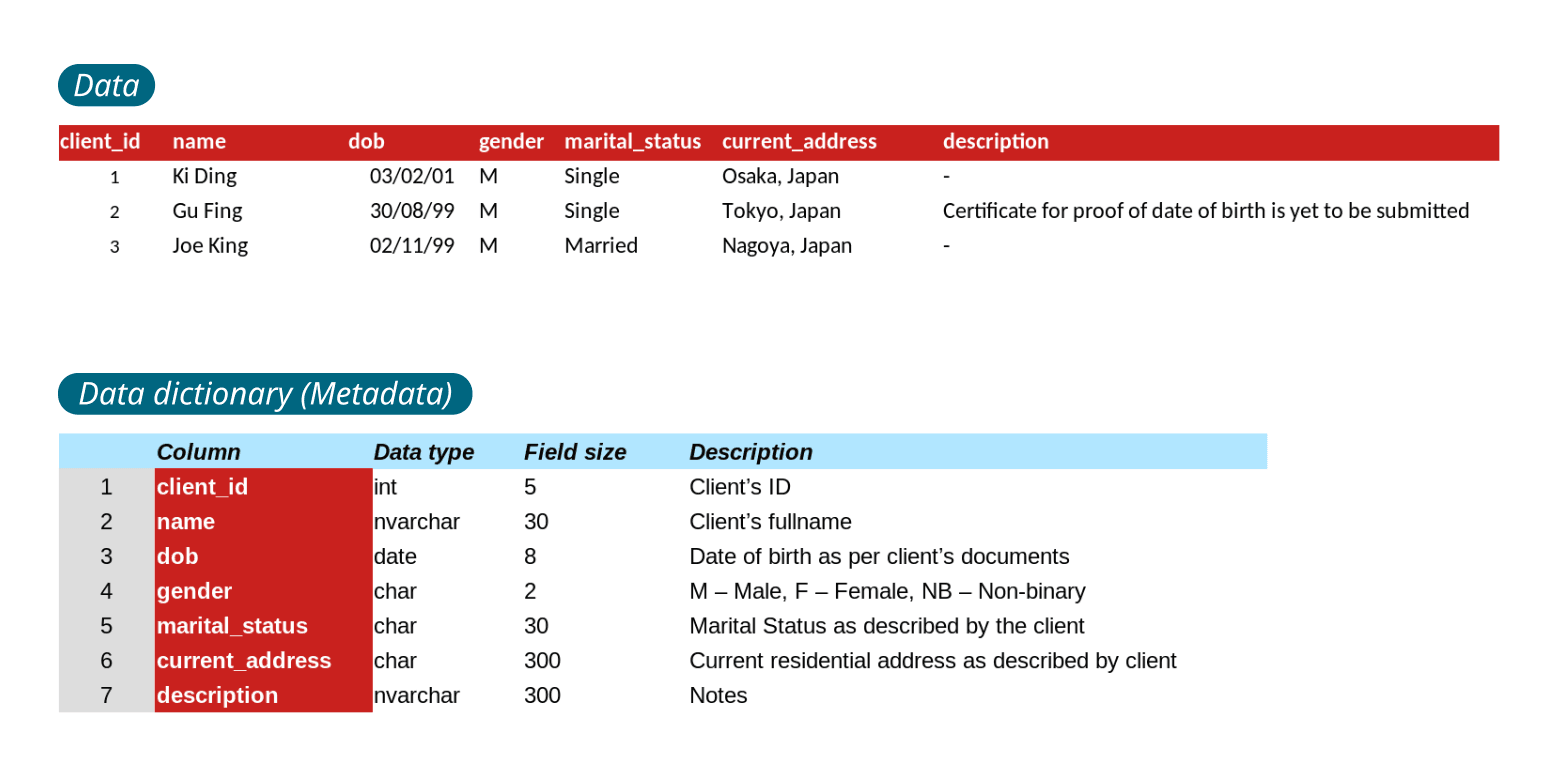
Data Dictionary: The 'About' Page for Your Data
A data dictionary is the instruction manual for your database, defining what each piece of data means and how it's formatted. It's used by engineers to understand a schema or by analytics tools to interpret columns. The biggest footgun is letting it go stale.
PII: Data That Identifies a Real Person
PII is any data that can identify a real person. Email addresses, IP addresses, and device IDs all count, so analytics systems must mask or hash them before storage. A leaked salt can still expose a hashed email, so do not assume hashing removes PII.
Data Cleansing: Fixing Your Data Before It Fails You
Data cleansing is quality control for your dataset, finding and fixing errors before they skew your analysis. It's a crucial first step in any data pipeline, from training an ML model to generating business reports. The footgun is assuming data is clean.
Data Validation: Garbage In, Garbage Out
Data validation is the bouncer for your app, checking data at the door to ensure it's correct and useful. It's used on user forms, API requests, and file imports. The footgun is skipping it, which risks corrupted data, security holes, and future crashes.
Data Profiling: The First Step in Any Data Project
Data profiling creates a 'character sketch' of a dataset, revealing its structure, content, and quality. It's the first step in data warehousing or analytics to discover metadata and assess risks. The footgun is skipping it, leading to late-project surprises.
Data Quality: Is Your Data Fit for Purpose?
High-quality data is defined by its fitness for a specific purpose, not just its correctness. It must accurately represent the real world. This is critical for business planning or ML models.
Data Lineage: The Story of Your Data
Data lineage is a family tree for your data, showing its origins, transformations, and final destination. It's essential for debugging broken analytics and tracing errors to their source.
Data Catalog: The Library Card for Your Data
A data catalog is like a library card catalog for your company's data, telling you what exists, where it lives, and what it means. It helps analysts find trustworthy datasets and engineers trace the impact of schema changes. The footgun is letting it go stale.
We are hiring for this. Every open role lists the topics its interview covers, so you can prepare for the real thing rather than guessing.
See open roles