Intermediate everything in Computer Vision, page 5
Autoregressive Models: Generating Images One 'Word' at a Time
Autoregressive models generate images sequentially, like writing a sentence word by word. Each new pixel or patch depends on what came before. This creates high-fidelity images but is much slower than one-shot models, a key trade-off in generative AI.
Self-Attention: How Models Weigh Word Importance
Self-attention lets a model weigh the importance of all words in a sequence simultaneously, asking "which other words are most relevant?" It's the core of Transformers, enabling parallel processing for tasks like translation, unlike sequential RNNs.
U-Net: Encoder-Decoder for Image Segmentation
U-Net segments images by first compressing them to capture context, then expanding to localize features precisely. It excels in biomedical imaging where annotated data is scarce.
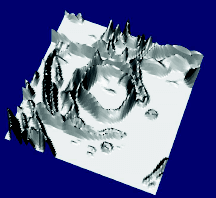
Watershed Algorithm: Segmenting by Topography
The watershed algorithm treats an image as a landscape where pixel brightness is height. It finds the 'ridges' separating distinct 'valleys,' effectively segmenting touching objects. Its main footgun is extreme sensitivity to noise, causing over-segmentation.
Anchor Boxes: Pre-defined Guesses for Object Detection
Anchor boxes are predefined 'template' boxes of various sizes and shapes. Object detection models use them as a starting point, predicting how to shift and scale these templates to fit actual objects, making detection faster.
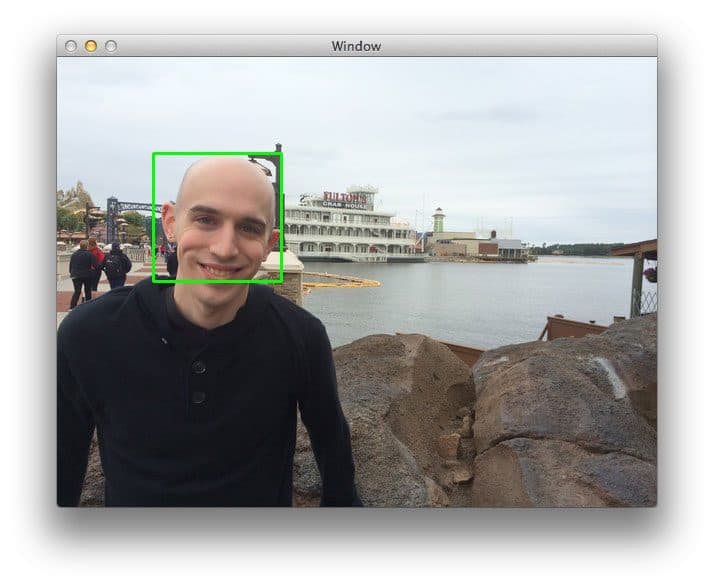
Sliding Windows: Scanning Images for Objects
A sliding window scans an image with a fixed-size box to find objects. At each location, a classifier checks the window's contents. Combined with an image pyramid, it can detect objects at various scales, localizing exactly where they are.

BRIEF: Fast, Compact Binary Feature Descriptors
BRIEF describes image features as a compact binary string instead of a complex vector. This makes it extremely fast for real-time matching on low-power devices. The footgun: its raw form isn't rotation-invariant, trading that robustness for raw speed.

Perspective Transformation: Making 3D Look Right on a 2D Screen
Perspective transformation is like looking through a camera lens; it makes distant objects smaller to create the illusion of depth on a flat screen. It's essential for 3D games and computer vision.
Image Thresholding: Separating Foreground from Background
Image thresholding turns a grayscale image into black and white by setting a brightness cutoff. It's used to isolate features for analysis, like finding text on a page.
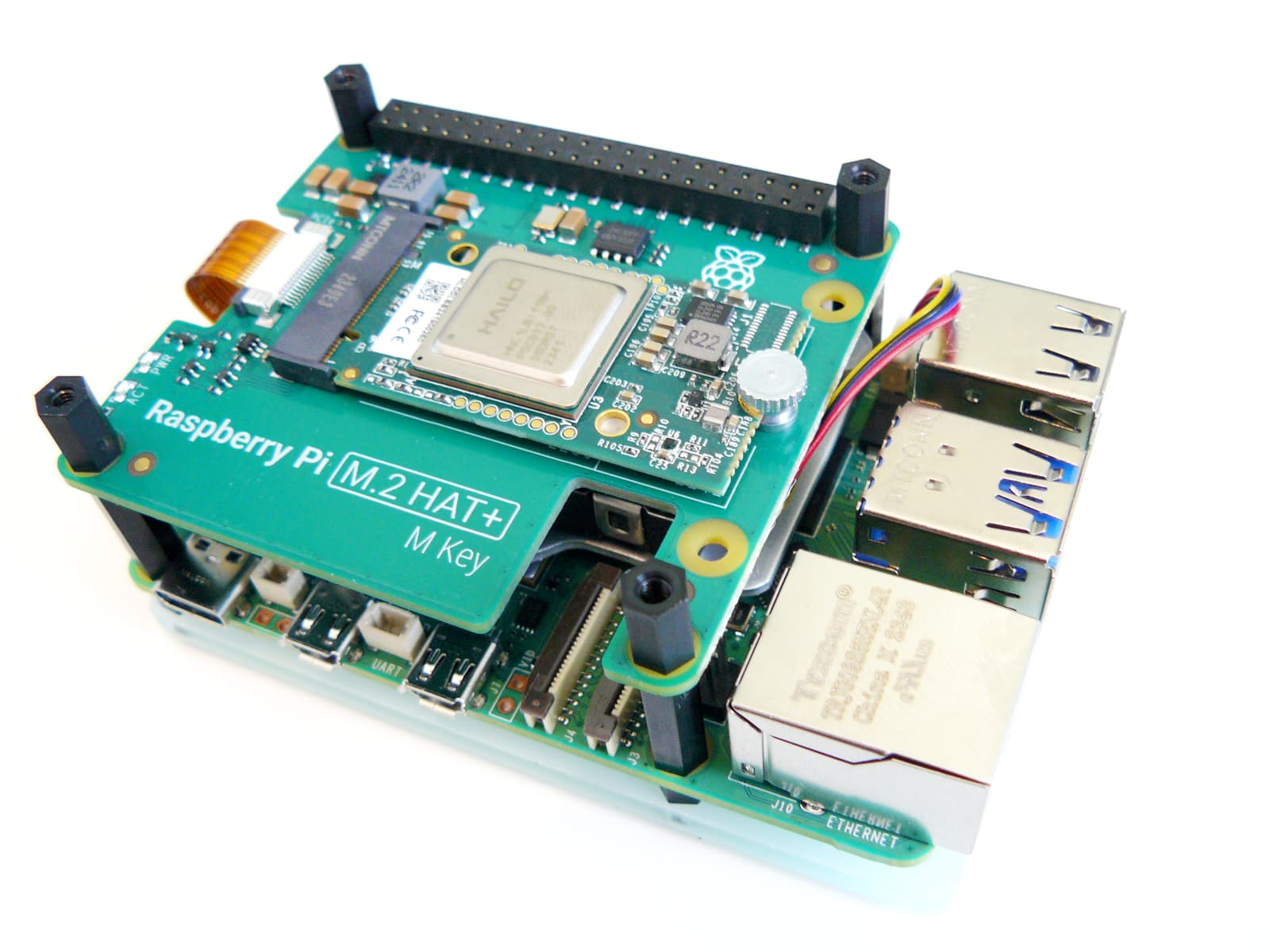
Edge AI Accelerators: Inference Without the Cloud
An Edge AI accelerator is a specialized, low-power chip that runs AI models directly on a device, skipping the cloud. It's used for real-time tasks like object detection where latency and privacy are critical.
ONNX: The Universal Translator for ML Models
ONNX is a universal translator for ML models, letting you train in one framework (like PyTorch) and run in another. It's used to deploy models to diverse hardware without rewriting them.

Model Quantization: Trading Precision for Performance
Model quantization trades numerical precision for a smaller memory footprint. It reduces model weights from high-precision types like fp32 to lower ones like int8 or int4, making large models fit on consumer hardware.
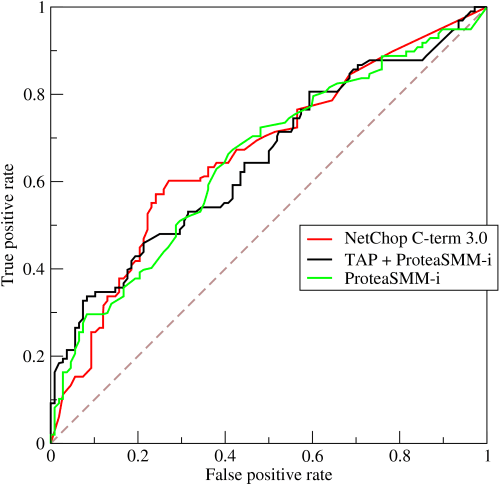
ROC Curve and AUC: Measuring Classifier Performance
An ROC curve visualizes a classifier's trade-off between catching true positives and flagging false ones across all thresholds. It's used to evaluate models like medical diagnostics or spam filters.

Precision vs. Recall: The Classifier's Trade-off
Precision is the quality of your positive predictions; Recall is the quantity you find. A spam filter with high precision avoids false alarms, while high recall catches most spam.
Super-Resolution: Creating Detail from Less
Super-resolution creates a high-res image from low-res sources by inferring missing details. It powers smartphone digital zoom and video upscaling. The footgun: generated details are plausible hallucinations, not ground truth, making it risky for scientific…
Synthetic Aperture: Faking a Big Lens with Software
Synthetic aperture uses depth data to computationally fake the shallow depth-of-field of a large lens. It's the magic behind smartphone 'Portrait Mode,' blurring the background to make a subject pop.
Multi-frame Noise Reduction: Finding Signal in the Noise
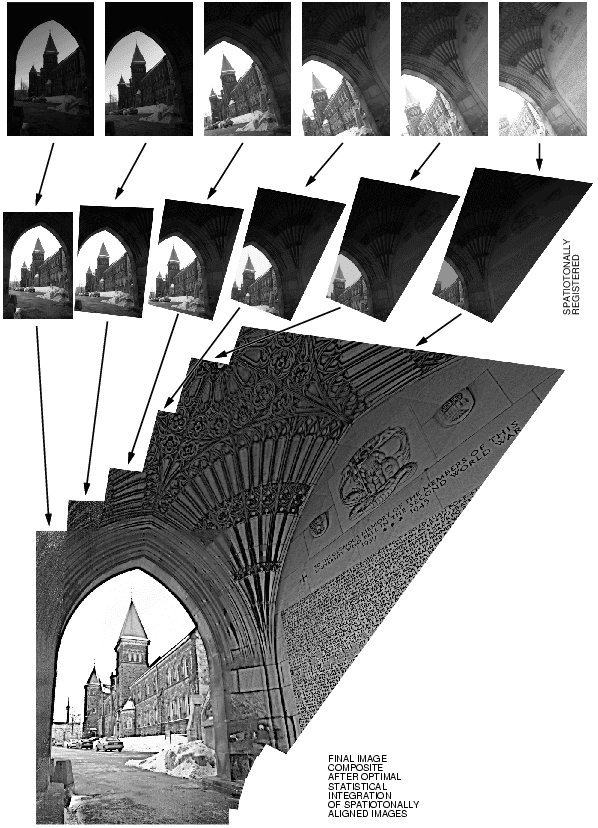
Multi-frame noise reduction averages multiple shots to isolate the true signal. The underlying image is consistent, while random noise cancels out. It's key for low-light phone photos and video.
Exposure Fusion: HDR Looks Without the HDR File
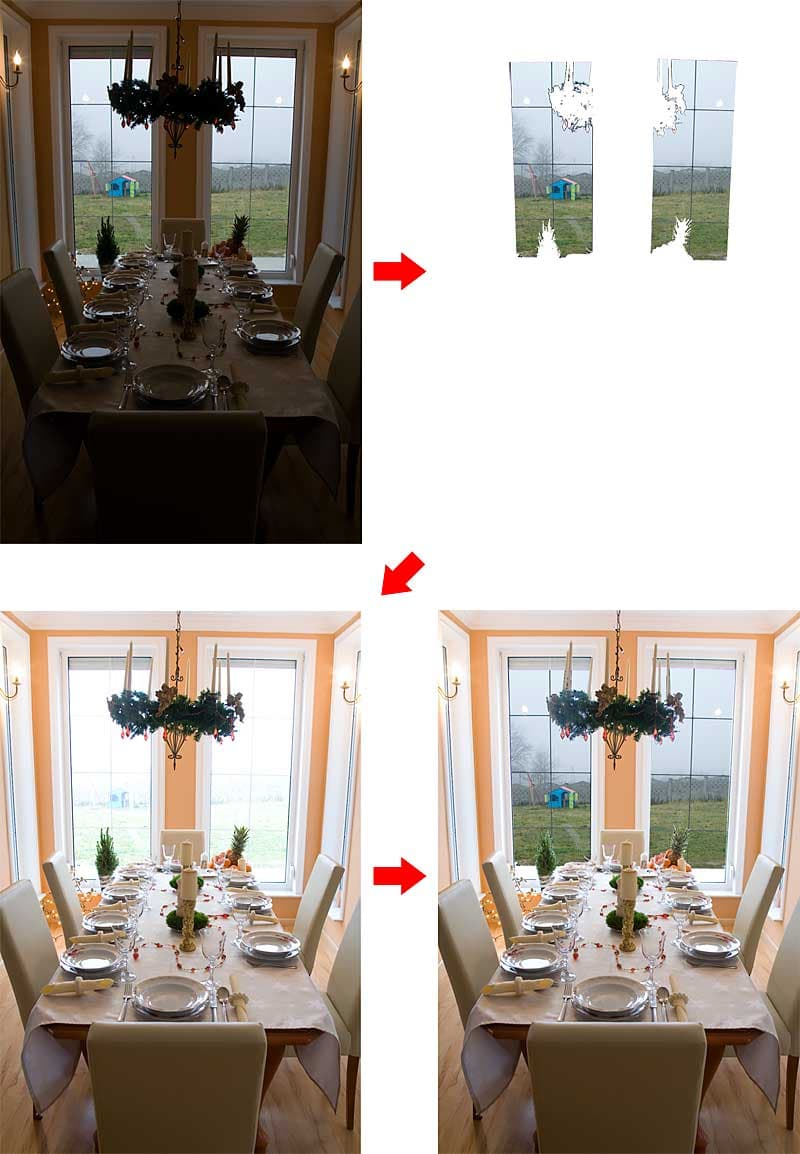
Exposure fusion blends the best-lit pixels from several bracketed shots into one image. This lets you capture high-contrast scenes, like a bright window in a dark room, without creating a full HDR file.

Tone Mapping: Fitting HDR Light onto LDR Screens
Tone mapping compresses a vast range of light (HDR) to fit on a standard screen (LDR). It's how HDR photos and games look good on your monitor instead of having blown-out whites or crushed blacks. The footgun is creating unnatural, "over-cooked" images.

Weakly Supervised Learning: Cheaper Labels, Smarter Models
Weakly Supervised Learning trains models on cheap, imprecise labels to perform complex tasks. It's used for object detection when you only have image-level tags, not pixel-perfect annotations.
We are hiring for this. Every open role lists the topics its interview covers, so you can prepare for the real thing rather than guessing.
See open roles