Easy concepts in Design & UX, page 6
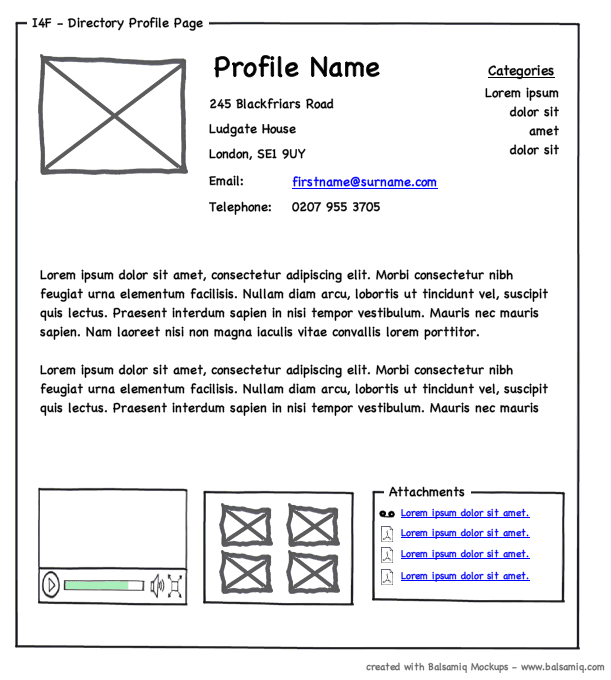
Wireframing: The Blueprint for Your UI
A wireframe is a UI blueprint that shows a screen's structure, not its visual design. Use it early to agree on layout and function before getting lost in colors and fonts. The footgun is adding too much detail, which distracts from its core purpose.
Theme Object: Your Design System's Single Source of Truth
A theme object is a central dictionary for your UI's design tokens, like colors and font sizes. It ensures consistency across components by providing a single, shared source for styling values.
Team Charter: Shared Agreements for Collaboration
A team charter is the operating agreement that keeps collaboration aligned, distinct from the design rules the team produces. Teams use it to establish shared norms alongside principles and heuristics.

Writing for the Ear: Simple Language for Listeners
Write for listeners, not readers. Use short, simple sentences because your audience can't reread a confusing phrase in a podcast or broadcast. The biggest mistake is using complex, print-style writing that forces listeners to tune out.

Apple HIG Compliance
Apple's HIG is the rulebook for native iOS and macOS apps. Compliance means matching platform conventions for layout and navigation. The footgun is treating it as a visual skin while ignoring interaction patterns, making apps that look right but feel wrong.

Two-Column Script Format: Aligning Sights and Sounds
A two-column script is a production blueprint, aligning what the audience sees (video) on the left with what they hear (audio) on the right. It's used for ads, live TV, and corporate videos. The main footgun: capitalize everything *except* spoken dialogue.
Research Advocacy in UX Design
Research advocacy means suspending your own priorities to speak with the user's voice in product decisions. It matters when teams must translate raw user frustration into concrete design changes. The footgun is letting personal opinion masquerade as user need.
Slugline: The Screenplay Scene Marker
A slugline is the screenplay element that announces a new scene. It anchors the script's structured format by marking scene changes and setting the stage for the action and dialogue that follow.

VUI Design: Making Computers Talk Like People
Think of VUI design as scripting a helpful human conversation, not just a command-line interface with a voice. It's key for voice assistants and smart speakers. The footgun is ignoring persona; if you don't design one, you'll get 'boring' by default.

UX Research Staffing: The 1:5:50 Ratio
A 2020 industry survey found the most common UX team structure is one researcher for every five designers and fifty developers. These ratios signal staffing norms but should never replace measuring actual research impact or team maturity.
Logline: Your Story's Core in One Sentence
A logline is a one-sentence pitch that distills a story to its central conflict and emotional hook. It's used to sell a script or summarize a film in a TV guide. The common mistake is summarizing the plot instead of the core premise that drives.
Proofreading vs. Copyediting: Final Polish vs. Deep Clean
Copyediting is a deep clean for your writing, fixing style, flow, and clarity. Proofreading is the final spot-check for typos and formatting errors before you publish. They happen at different stages: copyediting on the draft, proofreading on the final layout.

Flesch-Kincaid: Measuring Readability with Math
Flesch-Kincaid scores aren't about quality, but simplicity, using word and sentence length to estimate reading difficulty. It's used in SEO tools and government forms to ensure accessibility. The footgun is chasing a score, which can make prose robotic.
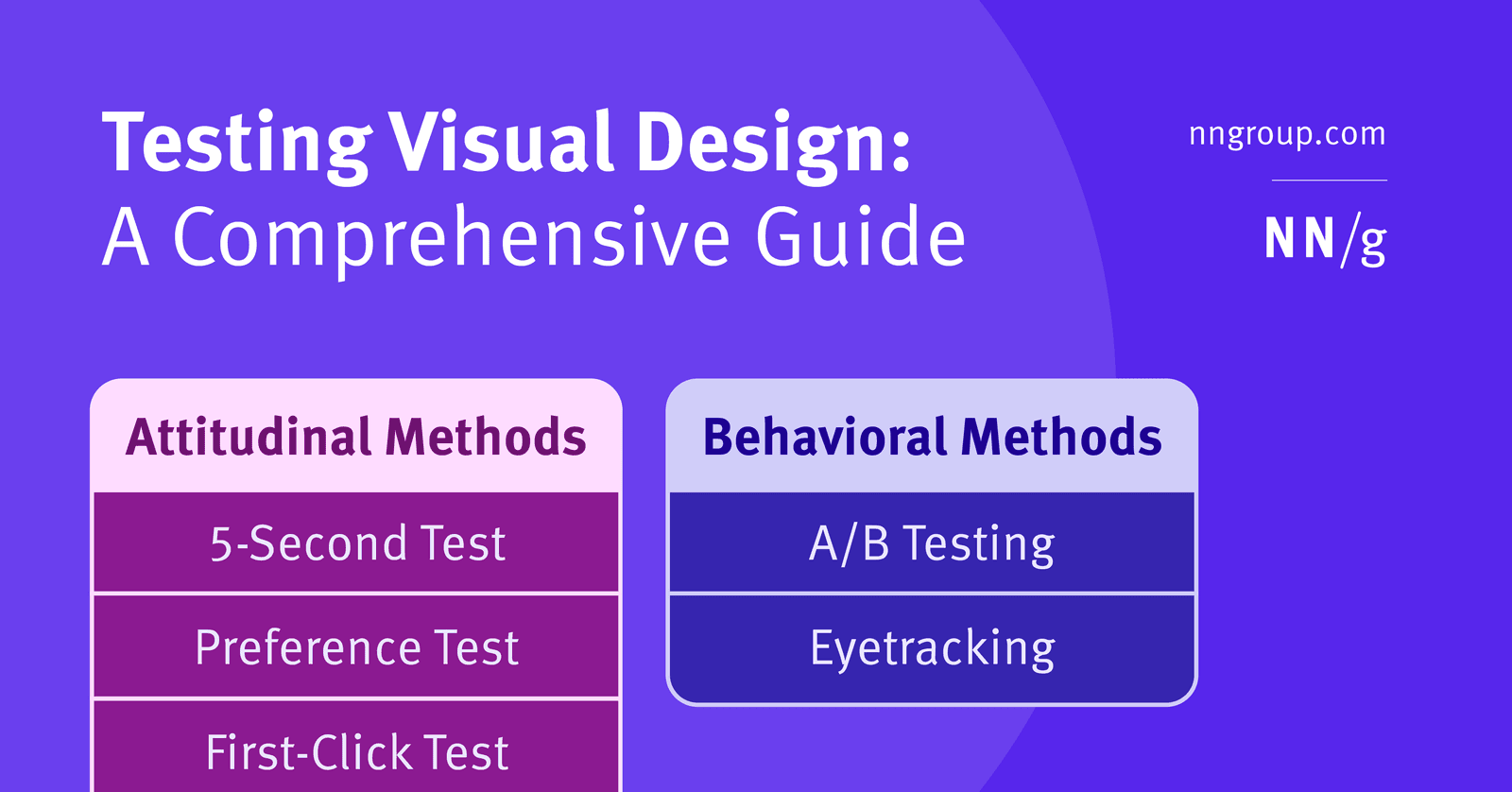
Five-Second Test: Capture a User's Gut Reaction
A five-second test captures a user's gut reaction by showing them a design for just five seconds. It's used to see if the visual style communicates the right brand identity before users have time to read. The footgun: don't warn users about the time limit.
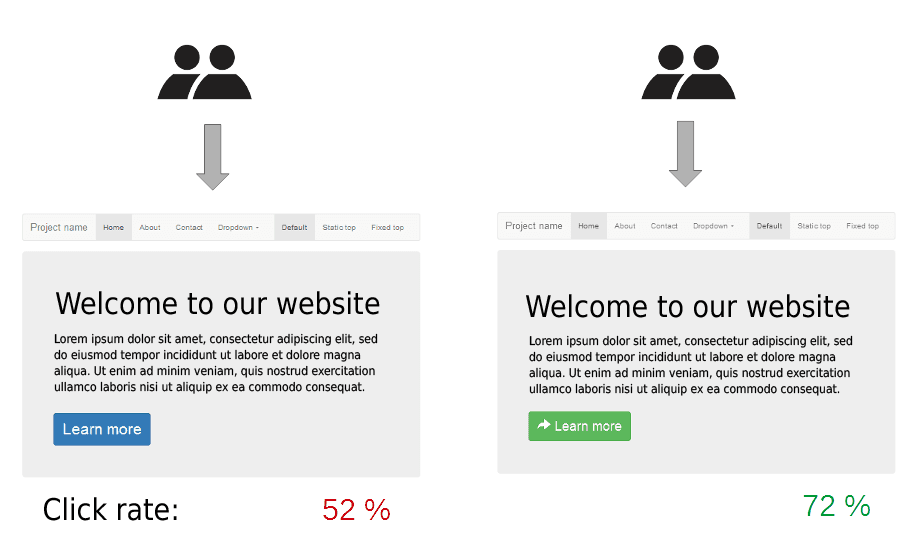
Control vs. Variation: The Core of A/B Testing
To know if a change works, compare it against the original. The original is your 'control,' and the new version is your 'variation.' This is the core of A/B testing, used to test new button colors or email subjects.
Bounce Rate: The Opposite of Engagement
Bounce rate is the percentage of website sessions that weren't engaged. In Google Analytics 4, a bounce means the visit was under 10 seconds, had no key events, and viewed only one page.
Traffic Sources: Where Your Users Come From
Traffic sources pinpoint where users come from using a Source/Medium pair, like google/organic. This tells you which channels—SEO, paid ads, or social—drive visitors. The footgun is confusing them: google is a Source, organic is the Medium.
Copyright: Protection is Automatic, Registration is Power
Copyright protects your specific written expression—not the general idea—the moment it's 'fixed' on paper or a screen. While protection for your book or blog is automatic, you must register with the U.S. Copyright Office to sue for infringement in court.

Public Domain: Use Creative Works Freely
The public domain is a global library of creative works anyone can use freely. It's essential for creators needing assets like images or music without licensing fees.
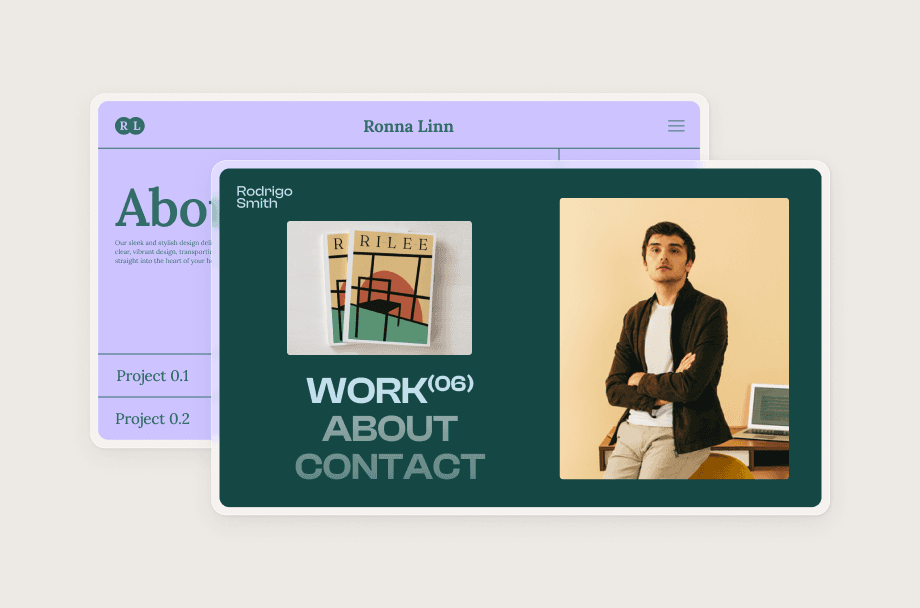
Writing Portfolio: Your Resume for Creative Work
A writing portfolio is your professional storefront, showing clients not just what you can write, but how you solve their problems. It's essential for landing freelance gigs or full-time jobs.
We are hiring for this. Every open role lists the topics its interview covers, so you can prepare for the real thing rather than guessing.
See open roles