Easy concepts in Product Management, page 2
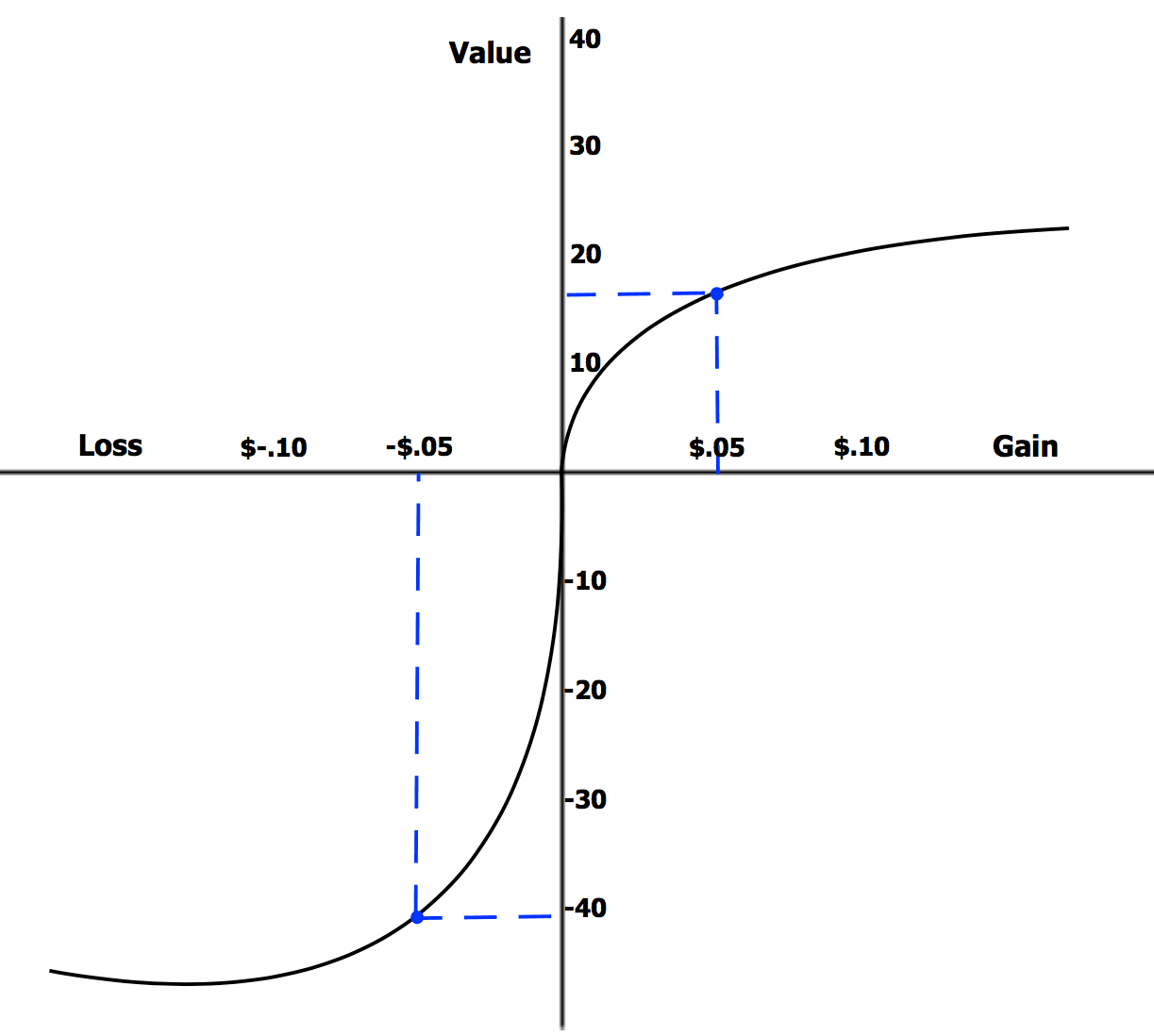
Loss Aversion: Why Losing $10 Hurts More Than Gaining $10
Loss aversion is the bias where losing something feels twice as bad as gaining the same thing feels good. It drives user behavior in free trials and pricing. Don't confuse this emotional reaction to framing with rational risk aversion.
Social Proof: People Copy People
Social proof is the tendency to copy others' actions, assuming they reflect the correct behavior. It’s why we trust a product with thousands of positive reviews or a restaurant with a long line. The footgun: the crowd can be wrong or even faked.
Qualitative vs. Quantitative: The 'Why' and the 'How Many'
Quantitative research counts and measures ("how many?"), while qualitative research explores and understands ("why?"). Use quantitative for A/B tests to get statistical proof, and qualitative for user interviews to uncover motivations.
Problem Statement Framing: Define the 'Why' Before the 'What'
Don't just solve the problem, solve the *right* one. Problem framing forces you to deeply understand a user's need before building. It's the first step in product development, ensuring teams don't build something nobody wants.

How Might We: Frame Problems, Not Solutions
“How Might We” questions turn research insights into broad prompts for brainstorming. Use them after user research to frame design challenges before ideating. The biggest footgun is embedding a solution in the question, which kills creativity.

ETL: The Assembly Line for Your Data
ETL (Extract, Transform, Load) is an assembly line for data, moving it from various sources into a single destination for analysis. It's used to populate data warehouses by combining data from databases, logs, and APIs into a unified view.
ELT: Load Raw Data First, Transform It Later
ELT pipelines load raw data directly into a data lake *before* any transformation. This speeds up ingestion and lets you figure out the data's structure later.

Data Warehouse: The Single Source of Truth for Analytics
A data warehouse is a central database optimized for analytics, not transactions. It integrates historical data from disparate sources like sales and marketing to create a single source of truth for business intelligence.
Online Analytical Processing (OLAP)
OLAP databases are built to quickly answer complex, multi-dimensional questions, unlike transactional (OLTP) databases that handle individual records. They power business intelligence tools for sales and marketing analysis.
User Stories: What Users Want, and Why
A User Story is a simple description of a feature from the user's perspective, focusing on the 'who, what, and why' instead of technical details. It's the primary unit of work in Agile, building a shared understanding of what to build.
User Stories: Features from the User's Perspective
A user story is an informal, natural language description of a software feature from the end user's viewpoint. Used in agile development, they're written by stakeholders like clients or developers on Post-its or in apps.
Minimum Viable Product (MVP): Learn Faster with Less Code
An MVP is the smallest product version that delivers value to early users and provides feedback for future development. Use it to test a business hypothesis with minimal resources, like a single-feature app.

Hypothesis-Driven Development: Test Your Ideas Before You Build
Hypothesis-Driven Development treats product work as a series of experiments, not a to-do list. You state a testable belief ("If we build X, users will do Y") before writing code. This de-risks new features by validating ideas early.
Five Whys: Find the Root Cause, Not Just the Symptom
Five Whys is a tool for digging past surface-level problems. By repeatedly asking "Why?", you trace a chain of causality back to the true root cause. It's used in post-mortems to find systemic issues, not just patch symptoms. The footgun is stopping too soon.

The Competitive Matrix: Visualizing Your Strategic Edge
A competitive matrix is a map of your market, plotting your product against rivals on key axes like price and features. Use it to spot market gaps, justify new features, or refine pricing.
Perceptual Mapping: Charting How Customers See Your Brand
A perceptual map charts your brand's position based on customer views, not your own. It's a reality check on how you're perceived against competitors on axes like price vs. quality. The biggest footgun is mapping based on internal beliefs, not customer data.
Null Hypothesis: Assume No Effect Until Proven Otherwise
The null hypothesis is your default assumption: nothing changed. You run experiments to gather enough evidence to reject this default. In A/B testing, the null is that your new feature has no effect, while the alternative is that it does.
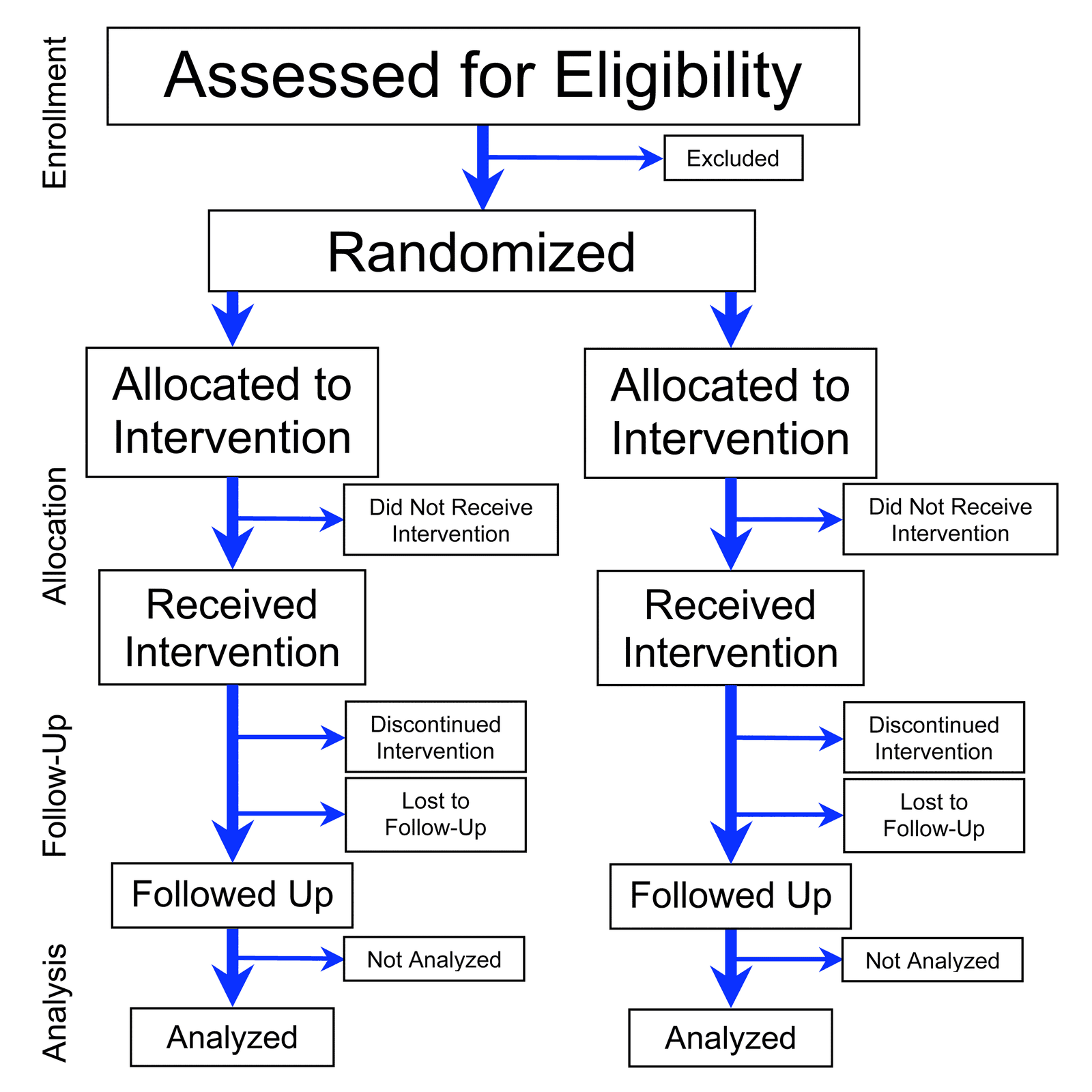
Randomization: The Key to Trustworthy Experiments
Randomization ensures experimental groups are similar before a test begins, like shuffling cards before dealing. This lets you confidently attribute differences in outcomes to your changes, whether in A/B tests or clinical trials.
Servant Leadership: Serve First, Lead Second
A servant-leader inverts the power pyramid, focusing on their team's growth over their own power. This is common in Agile, where scrum masters remove blockers to help developers perform at their best.
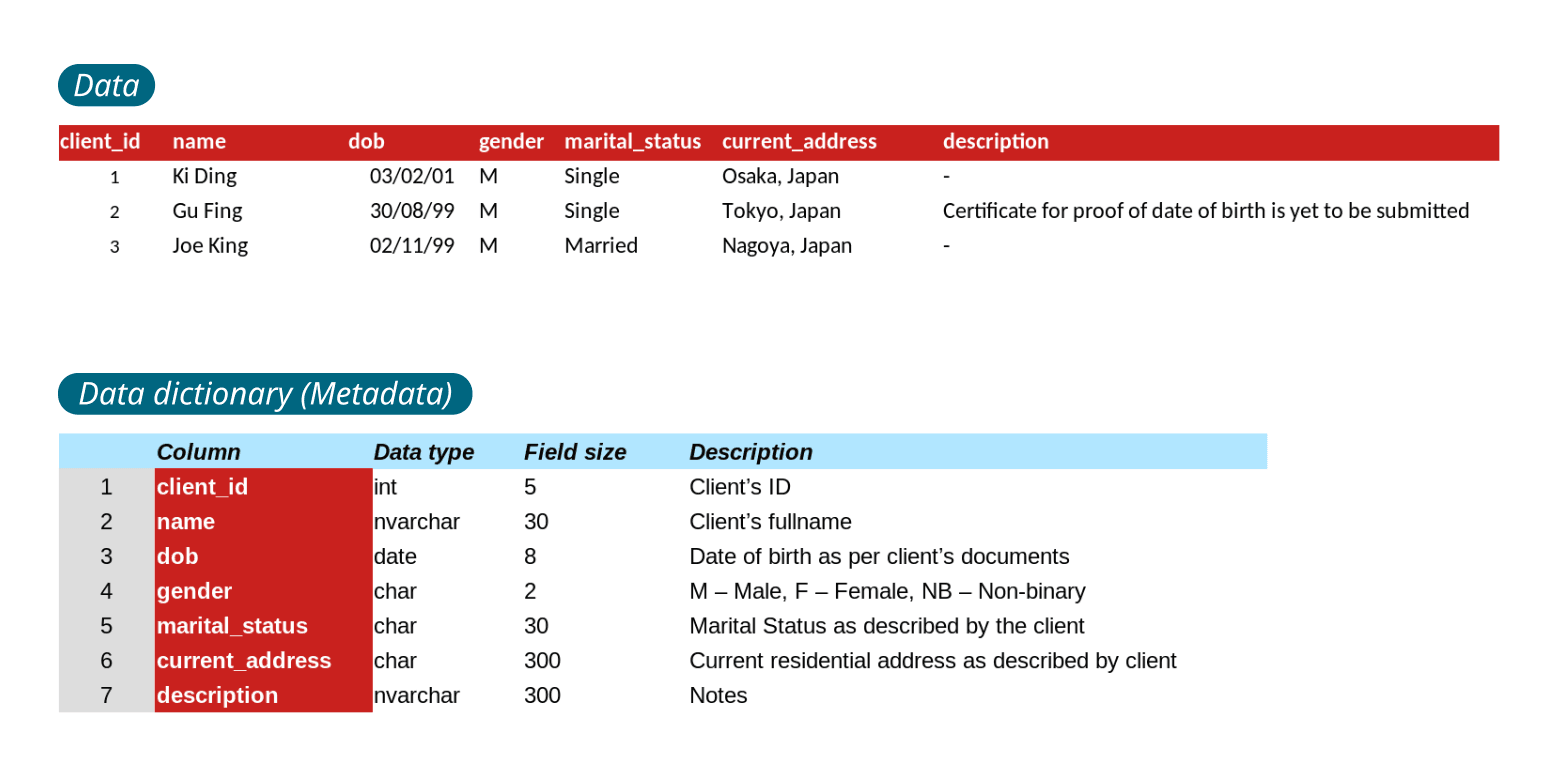
Data Dictionary: The 'About' Page for Your Data
A data dictionary is the instruction manual for your database, defining what each piece of data means and how it's formatted. It's used by engineers to understand a schema or by analytics tools to interpret columns. The biggest footgun is letting it go stale.
We are hiring for this. Every open role lists the topics its interview covers, so you can prepare for the real thing rather than guessing.
See open roles