Intermediate concepts in Product Management, page 7

Reverse Trial Model: Freemium Reach, Free Trial Urgency
A reverse trial gives new users a time-limited taste of paid features before downgrading them to a free plan. It aims for the best of both worlds: freemium's user acquisition with a free trial's conversion urgency.
Behavior-Driven Development (BDD): Requirements as Tests
BDD turns requirements into executable tests using a shared, human-readable language. Use it for complex features where business and tech teams need to align. The footgun is writing BDD scenarios *after* coding, missing the collaborative design benefit.
Product Bumps: Testing Prices with Temporary Increases
A product bump is a temporary price increase for an in-app purchase to test user price sensitivity. It helps you find the optimal price without permanently changing it for everyone. The footgun is misinterpreting statistical noise from small test groups.
Refactoring: Cleaning Code Without Breaking It
Refactoring is like renovating a house's internals without changing its outward appearance. It improves code design and readability without altering external behavior, making it easier to maintain or extend.
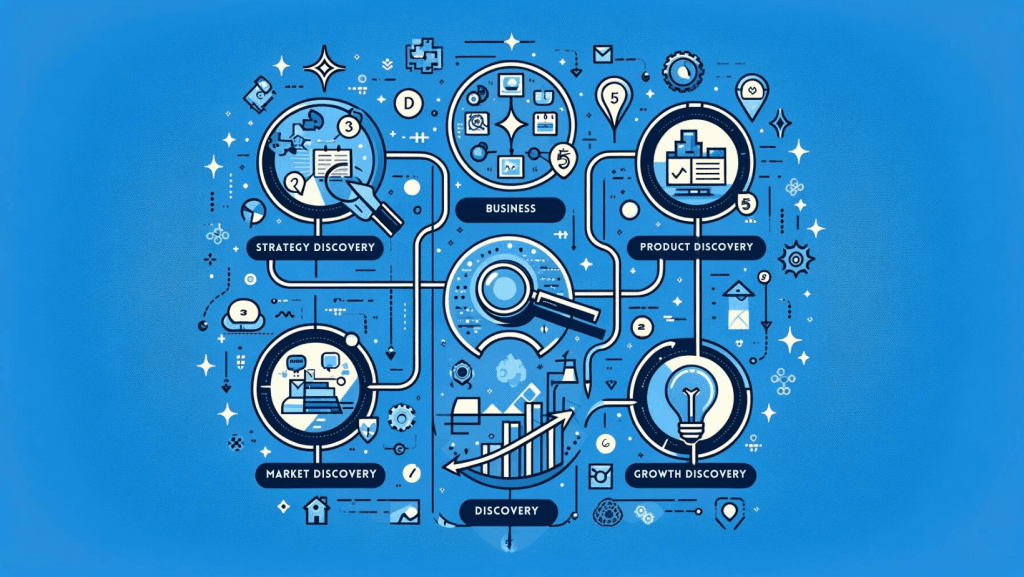
In-Product Discovery: Finding Growth Inside Your App
In-product discovery is finding your next growth lever by observing users within your live product, not just in pre-launch research. It's used to scale existing products via in-app experiments.
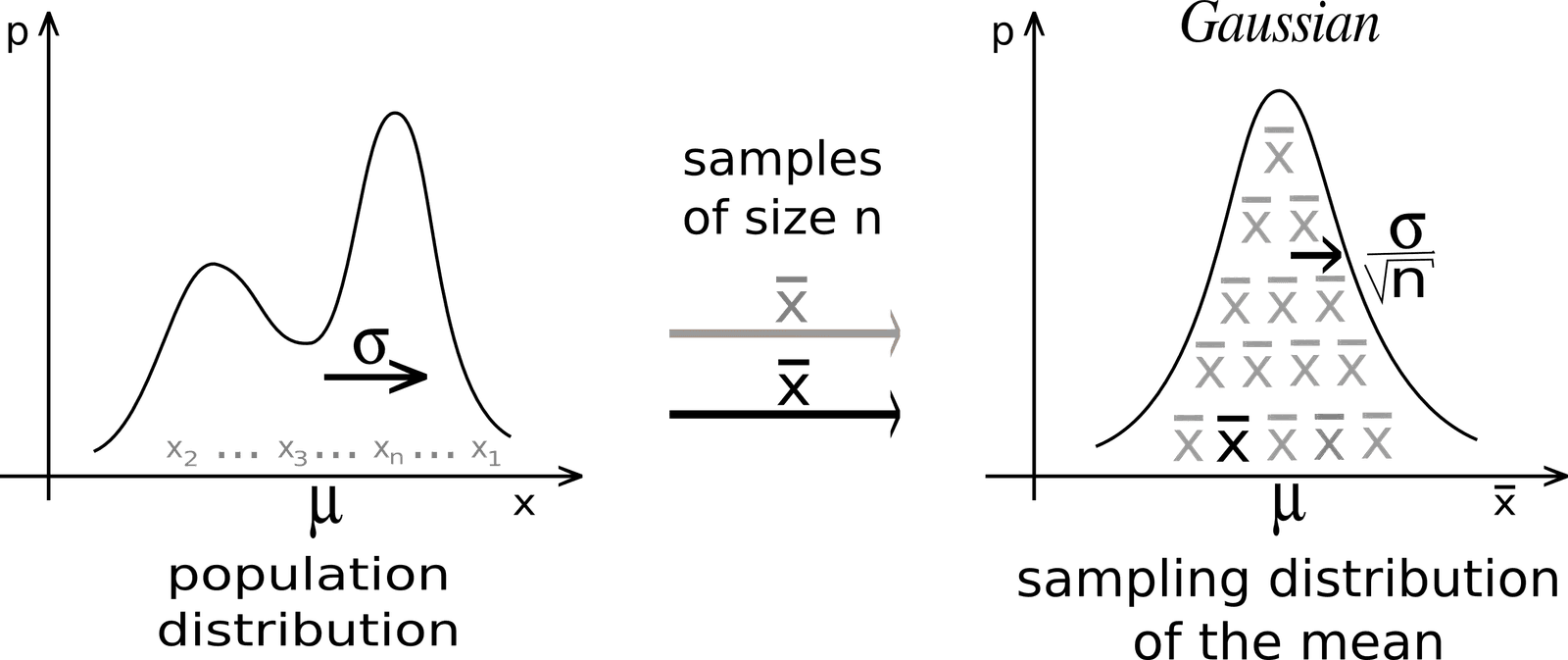
Central Limit Theorem: Why Averages Form a Bell Curve
The Central Limit Theorem explains why averages of samples tend to form a bell curve, even if the original data doesn't. It's the foundation for A/B testing and quality control. The footgun is assuming it works for small or non-independent samples.
SOLID Principles: Writing Maintainable Object-Oriented Code
SOLID principles are five design rules for writing maintainable object-oriented code. They guide you toward creating flexible systems that are easy to change. The footgun is treating them as rigid laws, leading to over-engineered and complex solutions.

Sales Enablement: Mission Control for Your Sales Team
Sales Enablement is a central nervous system for your sales team, connecting them with the right content, training, and coaching. It's crucial for complex sales cycles, ensuring consistent messaging. The footgun is treating it as just a content library.
Hypothesis Testing: Is Your Data Signal or Noise?
Hypothesis testing is a courtroom trial for your data: you assume a default 'null hypothesis' is true until your data provides enough evidence to reject it. It's used in A/B tests to validate changes.
Trunk-Based Development: One Mainline to Rule Them All
Trunk-Based Development means all developers commit to a single shared branch, main or trunk. This is common in CI/CD environments for frequent updates.

Beta Programs: Testing with Real Users Before Launch
A beta program is your final dress rehearsal with a real audience. It's for validating user experience and catching deal-breakers before a public launch, not just finding bugs.
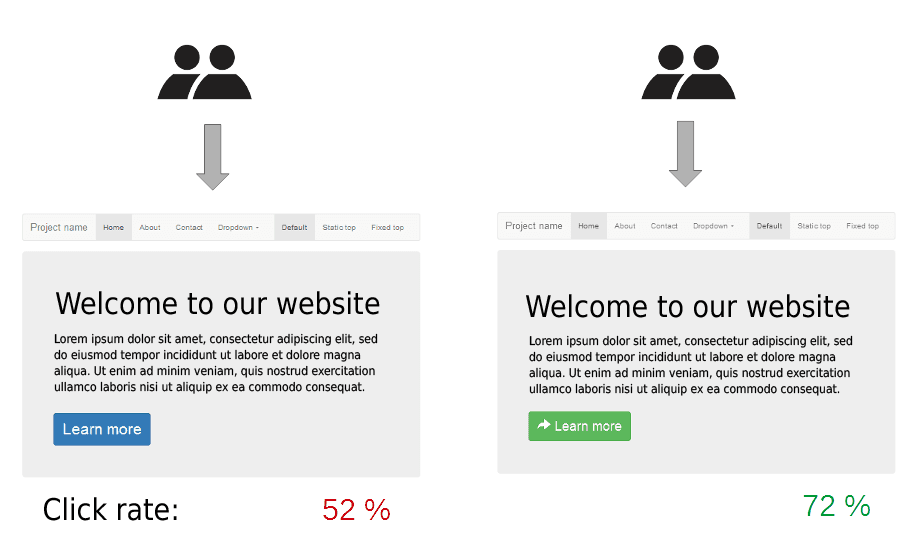
A/B Testing: Making Decisions with Data, Not Guesses
A/B testing is a controlled experiment pitting two versions of a product against each other with real users. It's used to see if a change, like a new button color, improves a metric like clicks.
Type I vs. Type II Errors: False Alarms vs. Missed Detections
A Type I error is a false alarm (a smoke alarm with no fire), while a Type II error is a missed detection (a fire with no alarm). This trade-off is crucial in A/B testing and medical diagnostics.

Customer Success Playbooks: Standardize Your Team's Responses
A Customer Success playbook is a recipe for handling key customer moments. It defines a standard workflow for events like onboarding or a drop in usage, ensuring every CSM follows the same proven process. Without them, customer experience is inconsistent.

Standard Error: Gauging Your Measurement's Precision
Standard error measures the precision of a sample statistic, like the mean. It answers: "If I ran this experiment again, how much would my result change?" It's key for building confidence intervals and A/B testing. Don't confuse it with standard deviation.

Rules of Engagement: API Contracts for Teams
Rules of Engagement (RoE) are an API contract for human teams, defining how they interact to prevent chaos. They clarify who owns a customer conversation or how feature requests are handled.
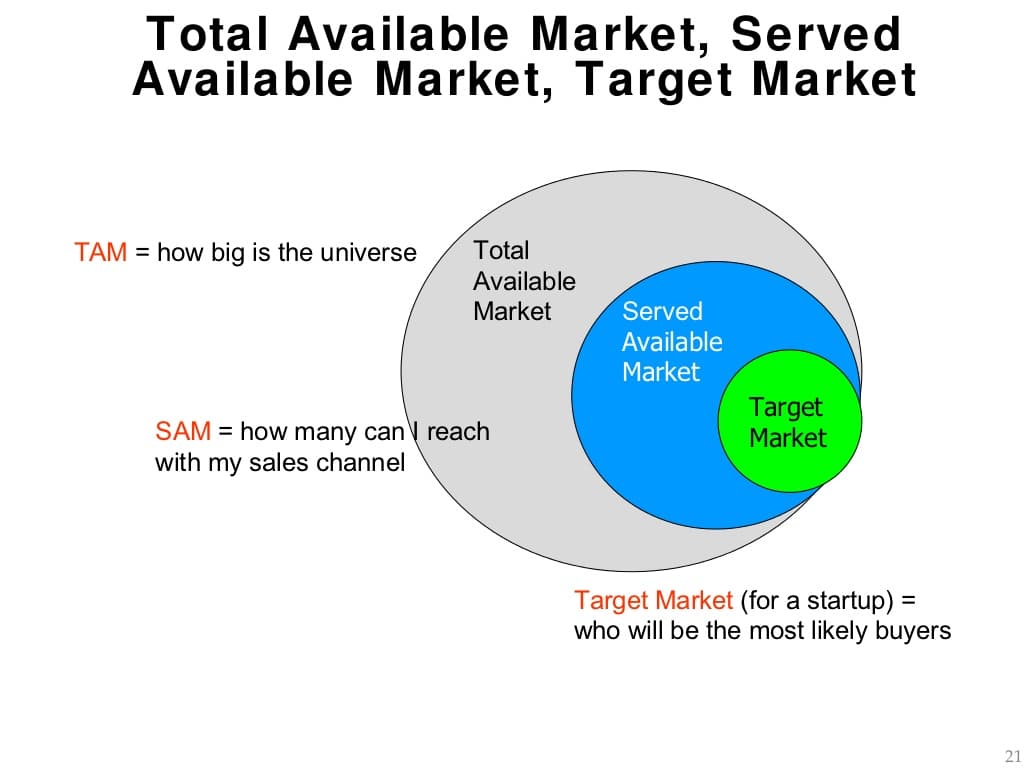
Market Sizing: TAM, SAM, and SOM for Realistic Planning
Market sizing is a funnel, not a single number. TAM is the total universe of customers, SAM is the segment you can reach, and SOM is who you can realistically win. It's crucial for business plans and investor pitches.
The Bass Diffusion Model: Innovators vs. Imitators
The Bass Diffusion Model splits product adoption into innovators who buy first and imitators who follow the crowd, creating the classic S-curve of growth. It's used to forecast sales for new products by modeling how word-of-mouth drives adoption.
Code Smells: Indicators of Deeper Problems, Not Flaws
A code smell is a surface-level hint, like a long method, that suggests a deeper design problem. It's an indicator, not a definitive flaw. The footgun is blindly "fixing" every smell; a smell is a reason to investigate, not an automatic command to refactor.

Prophet: Time Series Forecasting for Seasonal Data
Prophet treats a time series as a sum of its parts: a long-term trend, seasonal cycles, and holidays. It's used for business forecasting, like predicting sales, when you have strong seasonal data. The footgun is using it for non-seasonal data.
We are hiring for this. Every open role lists the topics its interview covers, so you can prepare for the real thing rather than guessing.
See open roles