Concepts in Product Management, page 15
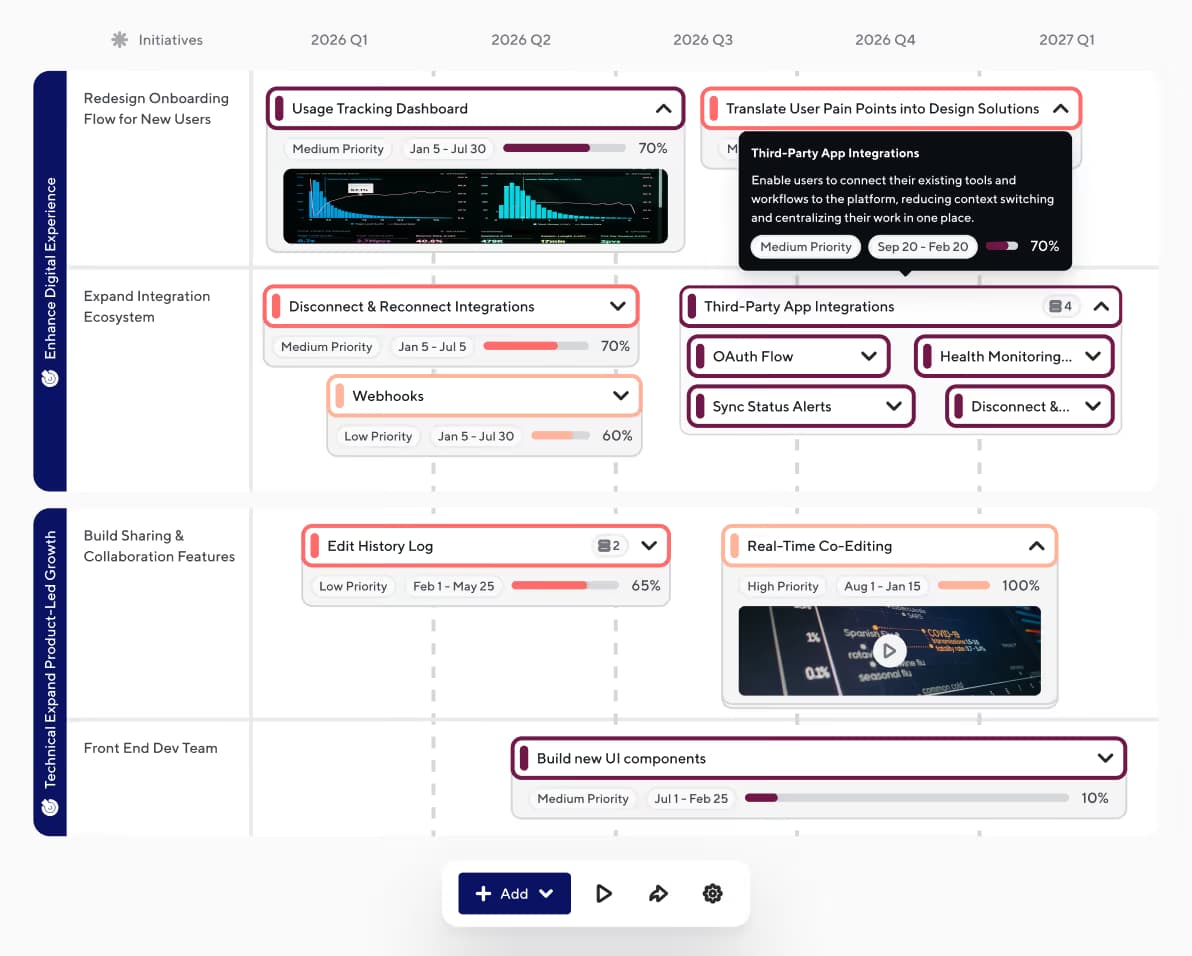
ICE Scoring: Prioritize Features with a Quick Gut Check
ICE scoring is a gut-check for prioritizing features by multiplying Impact, Confidence, and Ease. It helps teams rapidly sort experiments or backlog items. The main footgun is its bias towards easy wins, potentially ignoring high-effort strategic projects.
Price Elasticity: How Price Changes Affect Demand
Price elasticity measures how sensitive sales are to price changes. An elasticity of -2 means a 1% price increase causes a 2% drop in quantity sold. It's key for forecasting revenue from price tests, but the biggest footgun is assuming this ratio is constant.

Simpson's Paradox: When Averages Mislead
Simpson's Paradox is when a trend seen in separate groups reverses when you combine them. This happens when a hidden variable, like user experience level, skews the results, making a bad feature look good overall. Always segment your data to avoid this trap.

The 4Ls Retrospective: Loved, Loathed, Longed For, Learned
The 4Ls retrospective is a structured way to capture a team's feelings after a project. It asks what they Loved, Loathed, Longed for, and Learned to create an action plan. A common pitfall is only focusing on negatives, missing key insights from the other Ls.

Buy vs. Build: A Strategic Choice, Not a Cost Problem
The Buy vs. Build decision is a strategic choice, not just a cost problem. Buy commodity functions to gain speed and stability; build core features to create a unique competitive advantage. The footgun is ignoring total cost of ownership and strategic control.
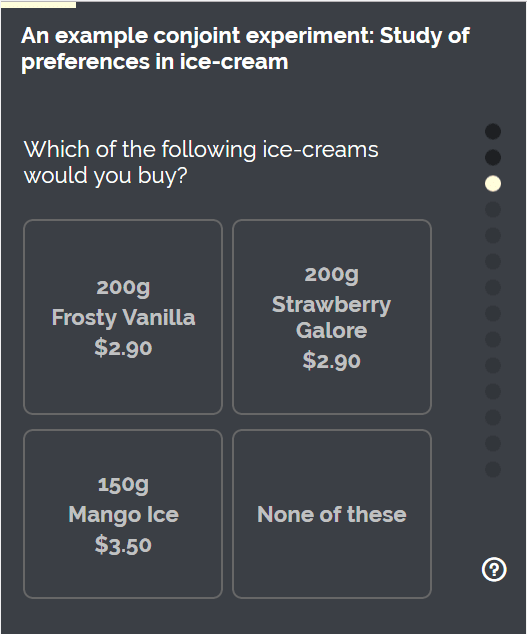
Conjoint Analysis: What Features Do Users *Really* Value?
Stop asking users what they want; make them choose. Conjoint analysis reveals true priorities by forcing trade-offs between product features, like price vs. battery life. It's used for pricing and roadmapping.

Principal Component Analysis (PCA)
PCA finds the most informative axes in your data, letting you compress many features into a few "principal components." Use it to visualize high-dimensional datasets or preprocess features for machine learning, but beware: the components are hard to interpret.
Double-Loop Learning: Question the 'Why', Not Just the 'How'
Double-loop learning means questioning the 'why' behind your work, not just fixing the 'how'. Instead of only correcting errors, you challenge the underlying goals. This is crucial in retrospectives when a team realizes their entire approach was flawed.
Opportunity Cost: The Value of the Road Not Taken
Opportunity cost is the value of the best alternative you forgo when making a choice. It's used to prioritize projects when resources are scarce, like choosing a new feature over a refactor. The footgun is ignoring non-monetary costs like lost time or utility.

The Self-Serve Funnel: Let Your Product Do the Selling
A self-serve funnel lets users discover, try, and buy your product without talking to a human, making the product the main sales driver. It powers rapid growth for companies like Slack. The main footgun is poor onboarding; if users get stuck, they churn.
Time Series Decomposition: Separating Signal from Noise
Time series decomposition breaks a metric into its core parts: long-term trend, repeating seasonal patterns, and random noise. This helps you understand *why* a metric changed—was it a real shift or just the usual holiday rush?
Actionable Agile Metrics: Predicting 'Done'
Stop guessing 'done' and start forecasting with data. Actionable Agile Metrics use historical flow data—like cycle time and throughput—to answer 'When will it be done?' for customers who need predictability.
Theory of Constraints: Your Bottleneck Defines Your System
A system's output is limited by its single biggest bottleneck, just as a chain is only as strong as its weakest link. Use it to increase throughput in manufacturing or software delivery by focusing all improvement efforts on that one constraint.
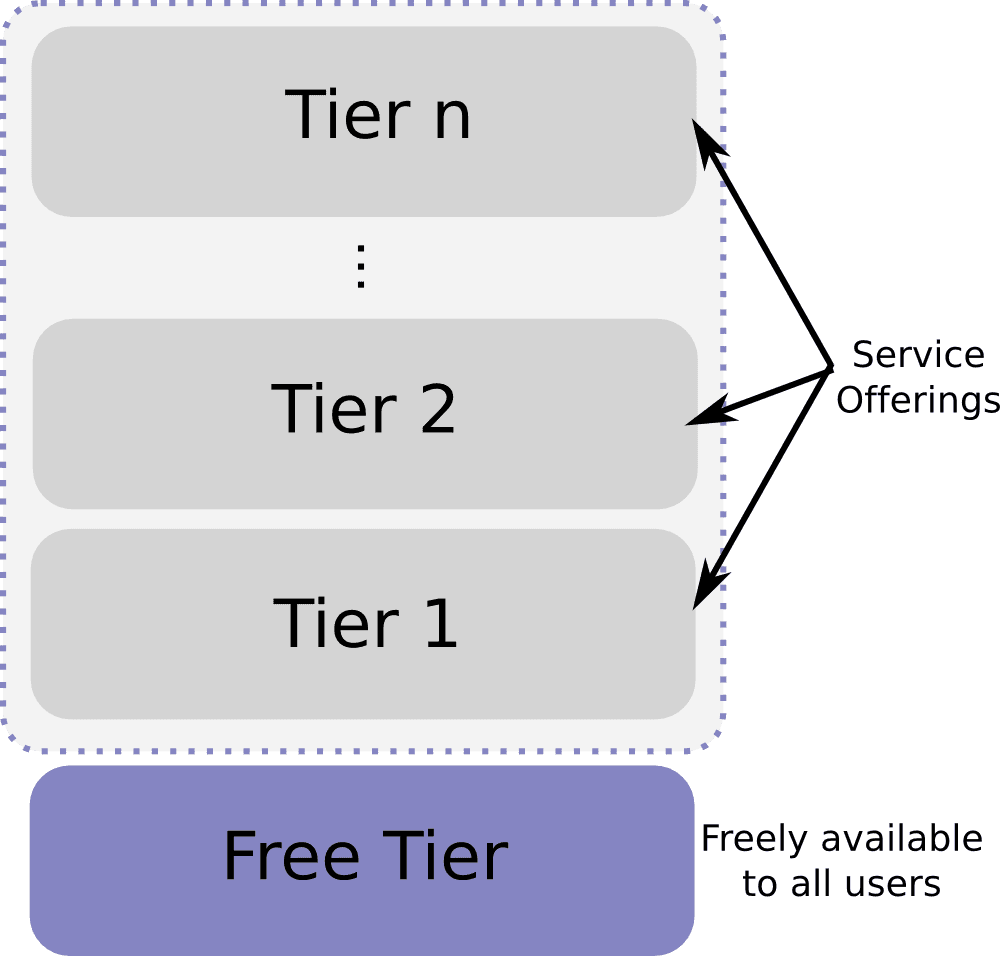
Freemium Model: Free Forever, Pay for More
The Freemium model offers a basic product for free, charging only for premium features, services, or goods. This pricing strategy is common in software and video games (as "free-to-play").

Probability Distribution: Mapping What's Possible
A probability distribution maps every possible outcome of a random event to its likelihood. It's used in A/B testing to model conversions or in monitoring to predict server load. The footgun is assuming every distribution is a bell curve; many are not.
Test-Driven Development: The Red, Green, Refactor Cycle
Test-Driven Development (TDD) flips the script: you write a failing test *before* the feature code. This 'Red, Green, Refactor' cycle ensures every piece of code is testable. It's common in agile for building robust features.
Minimum Marketable Feature (MMF): Ship Value, Not Parts
An MMF is the smallest piece of functionality that provides real value to a customer. Use it to break down large projects into valuable, incremental releases. The footgun is confusing it with an MVP (for learning) or slicing it too thin to be useful alone.

Reverse Trial Model: Freemium Reach, Free Trial Urgency
A reverse trial gives new users a time-limited taste of paid features before downgrading them to a free plan. It aims for the best of both worlds: freemium's user acquisition with a free trial's conversion urgency.
Behavior-Driven Development (BDD): Requirements as Tests
BDD turns requirements into executable tests using a shared, human-readable language. Use it for complex features where business and tech teams need to align. The footgun is writing BDD scenarios *after* coding, missing the collaborative design benefit.
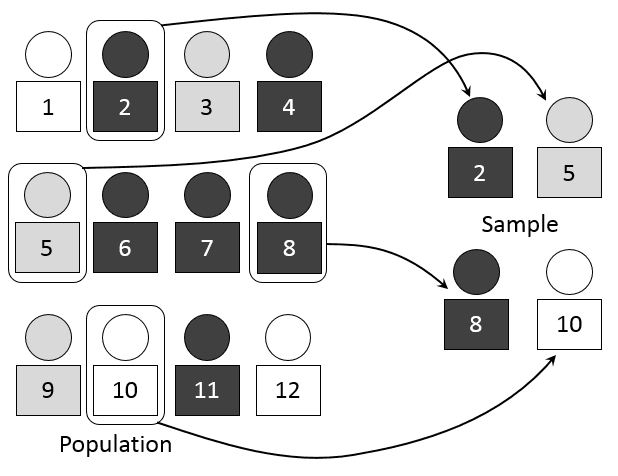
Sampling: Estimating the Whole from a Small Part
Sampling lets you understand a large group by studying a small, representative piece. Think of it like tasting a spoonful of soup to season the whole pot. It's used in A/B tests and polls, but the main footgun is a biased sample.
We are hiring for this. Every open role lists the topics its interview covers, so you can prepare for the real thing rather than guessing.
See open roles