Concepts in Product Management, page 17
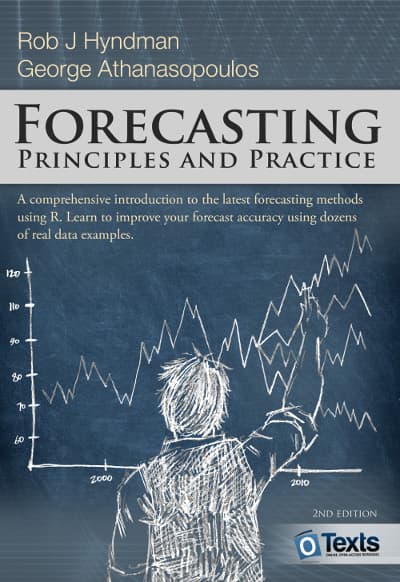
Linear Regression: Forecasting with a Straight Line
Linear regression forecasts the future by drawing a straight line through past data. It's used to predict outcomes like sales based on ad spend or energy use based on temperature.

Standard Error: Gauging Your Measurement's Precision
Standard error measures the precision of a sample statistic, like the mean. It answers: "If I ran this experiment again, how much would my result change?" It's key for building confidence intervals and A/B testing. Don't confuse it with standard deviation.
DRY: Don't Repeat Yourself
DRY means every piece of knowledge has one single, authoritative representation in your system. This applies to business logic, config, or docs; a change in one place updates everywhere.

Rules of Engagement: API Contracts for Teams
Rules of Engagement (RoE) are an API contract for human teams, defining how they interact to prevent chaos. They clarify who owns a customer conversation or how feature requests are handled.
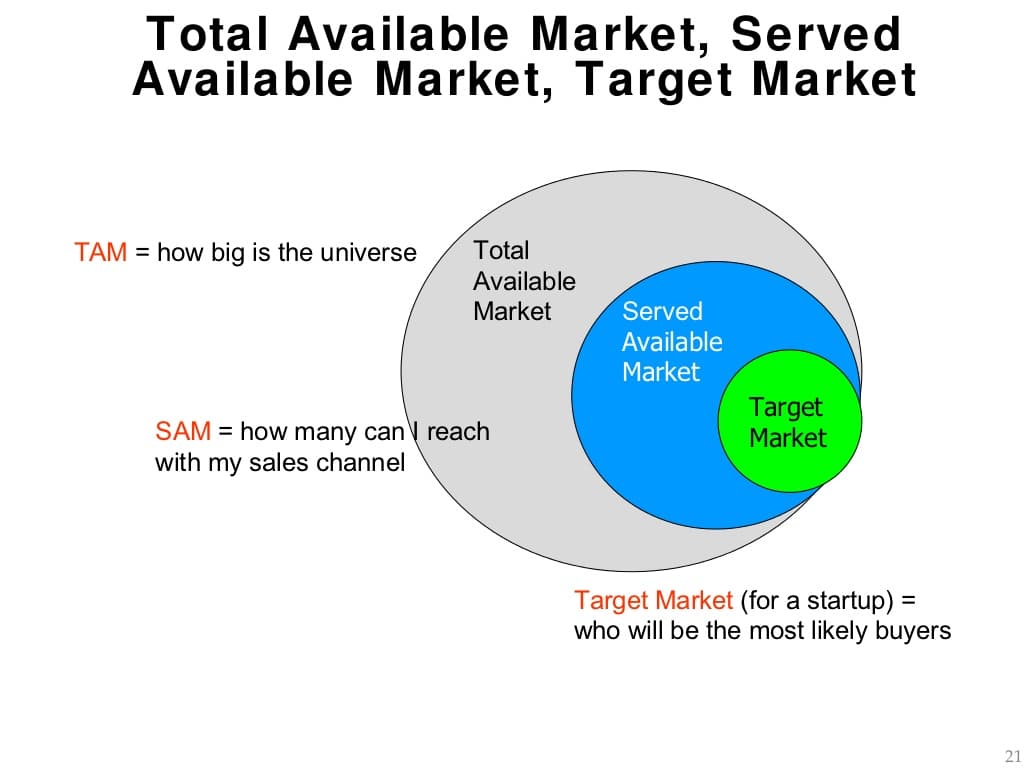
Market Sizing: TAM, SAM, and SOM for Realistic Planning
Market sizing is a funnel, not a single number. TAM is the total universe of customers, SAM is the segment you can reach, and SOM is who you can realistically win. It's crucial for business plans and investor pitches.
Bayesian Inference: Updating Beliefs with Data
Bayesian inference formalizes learning from experience, updating your belief in a hypothesis as you gather evidence. It's used in A/B testing and medical diagnostics. The footgun is that a poor initial belief (the prior) can skew your conclusions.

The Test Pyramid: Fast Feedback, Stable Code
The Test Pyramid is a strategy for balancing automated tests: write many fast unit tests, fewer integration tests, and very few slow end-to-end tests. It guides CI/CD pipelines to catch failures quickly. The footgun is over-relying on slow E2E tests.
Demand Generation: Creating Your Sales Pipeline
Demand generation creates the market for your product. It's the marriage of marketing programs and a structured sales process, driving awareness for complex B2B or B2G sales.
The Bass Diffusion Model: Innovators vs. Imitators
The Bass Diffusion Model splits product adoption into innovators who buy first and imitators who follow the crowd, creating the classic S-curve of growth. It's used to forecast sales for new products by modeling how word-of-mouth drives adoption.
ANOVA: Comparing Group Averages by Analyzing Spread
ANOVA checks if group averages are different by comparing the spread *between* groups to the spread *within* them. It's used to see if three ad campaigns yield different click-through rates.
Code Smells: Indicators of Deeper Problems, Not Flaws
A code smell is a surface-level hint, like a long method, that suggests a deeper design problem. It's an indicator, not a definitive flaw. The footgun is blindly "fixing" every smell; a smell is a reason to investigate, not an automatic command to refactor.

Product-Led Growth (PLG): When the Product Sells Itself
Product-Led Growth (PLG) makes the product its own salesperson. Instead of a sales team, the product's features and user experience drive acquisition and expansion.

Prophet: Time Series Forecasting for Seasonal Data
Prophet treats a time series as a sum of its parts: a long-term trend, seasonal cycles, and holidays. It's used for business forecasting, like predicting sales, when you have strong seasonal data. The footgun is using it for non-seasonal data.
Statistical Power: Detecting Real Effects in Your Tests
Think of statistical power as your experiment's sensitivity. It's the probability of detecting a real effect, like a true lift in an A/B test. The main footgun is running a low-power test, which will likely miss a real improvement and lead you to discard good.

Strangler Fig Pattern: Replace Legacy Systems Safely
The Strangler Fig pattern lets you replace a legacy system by gradually growing a new one around it, eventually choking out the old code. It's used for modernizing critical systems where a "big bang" rewrite is too risky, routing traffic feature by feature.

Partner Enablement: Getting External Partners to Sell Your Product
Partner enablement removes friction for your external sales channels. It equips resellers and distributors with the training, tools, and content they need to sell your product effectively, especially when they also represent competitors.
Survival Analysis: Predicting When, Not Just If
Survival analysis predicts *when* an event like user churn will happen, not just *if*. It's used to model customer lifetime or hardware failure rates. The key mistake is using simple averages, which are skewed by users who haven't churned yet (censored data).
Bootstrapping: Quantifying Uncertainty with Resampling
Bootstrapping estimates uncertainty by resampling your own data. It's used to find confidence intervals for complex stats like medians where no simple formula exists. The footgun: it can't fix a biased sample, only reveal the uncertainty within it.

Contract Testing: Test Interfaces, Not Integrations
Contract testing ensures services work together without slow integration tests. It's a formal agreement where a 'consumer' defines its needs, and a 'provider' proves it can meet them.
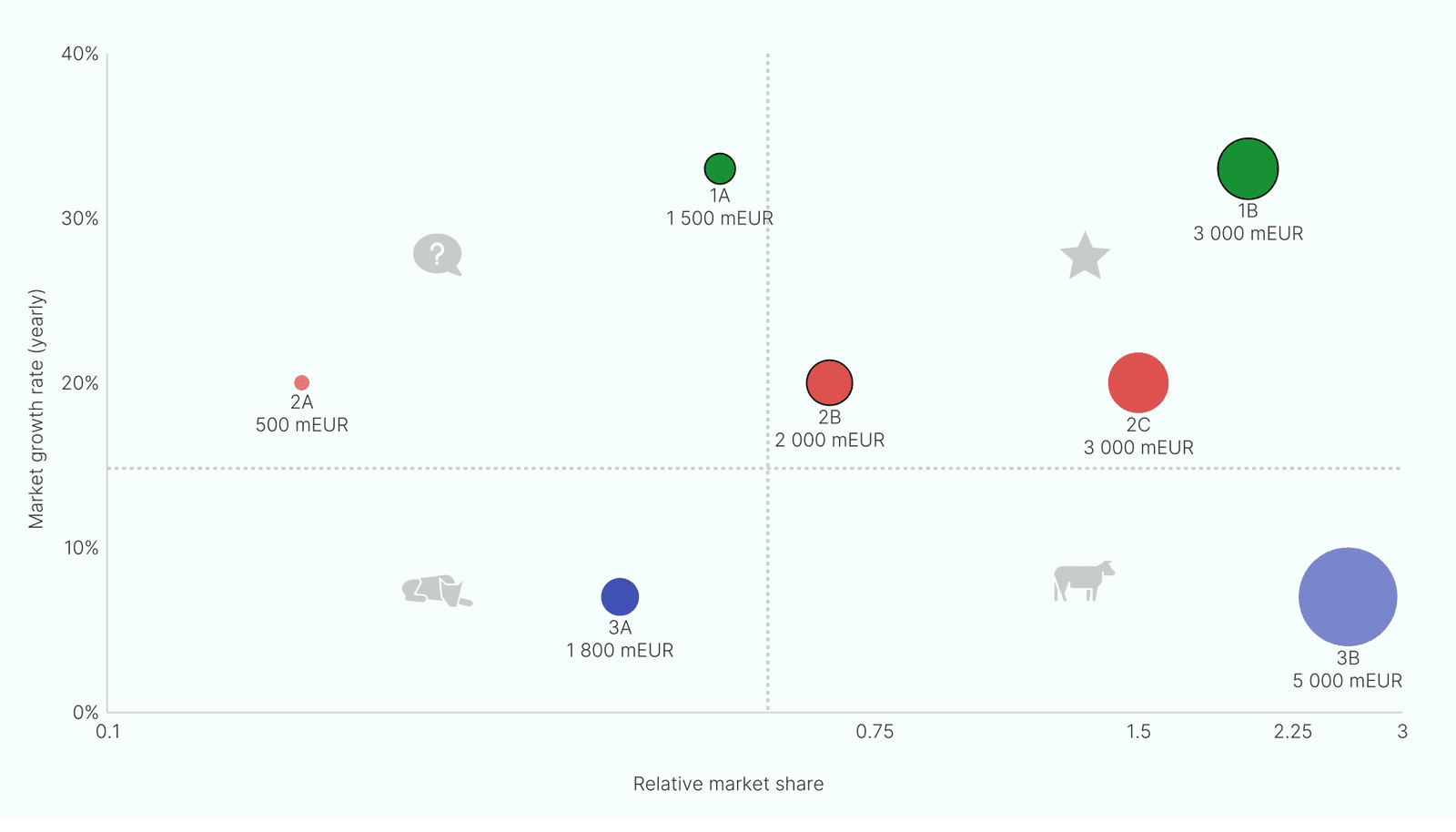
BCG Growth-Share Matrix: A Map for Your Product Portfolio
The BCG Matrix plots products on a 2x2 grid of market growth vs. market share to decide where to invest. It's used to categorize products as Stars, Cash Cows, Question Marks, or Dogs. The footgun is treating it as a static, predictive tool.
We are hiring for this. Every open role lists the topics its interview covers, so you can prepare for the real thing rather than guessing.
See open roles