Concepts in Product Management, page 25
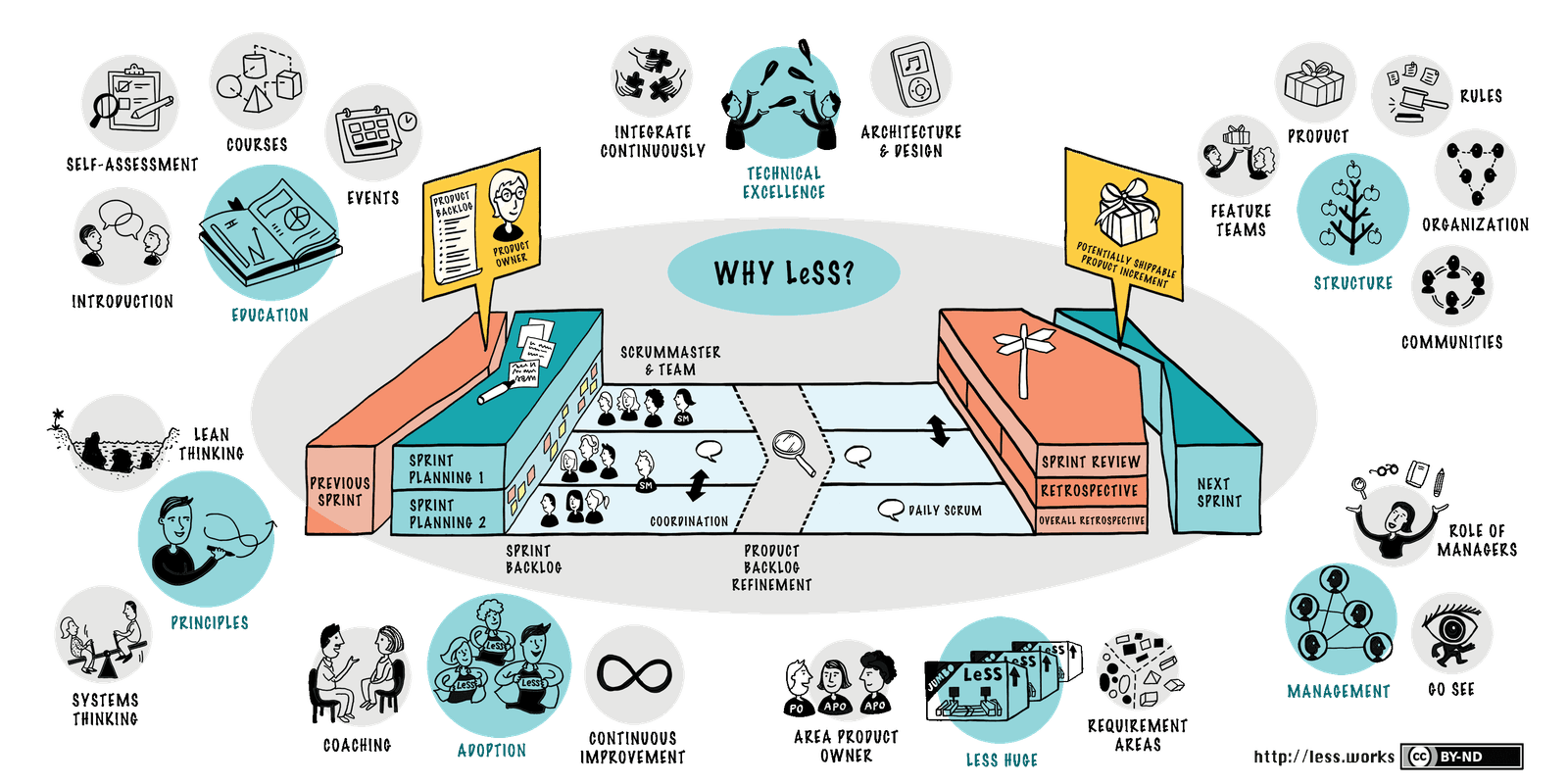
LeSS Huge: Scaling Scrum Beyond Eight Teams
LeSS Huge is a framework for applying Scrum when over eight teams work on one product, organizing them into "Requirement Areas." It’s for massive projects, like autonomous driving systems, where dozens of teams must coordinate.

Objection Handling: Turning Customer 'No's into Trust
Objection handling turns customer feedback into trust, even when you say 'no.' Instead of just rejecting a feature request, you explain the 'why' behind your roadmap.

Vanity vs. Actionable Metrics: Measure What Matters
Actionable metrics explain *why* and guide your next move, while vanity metrics just look good on a chart. Use actionable metrics for setting KPIs to understand user behavior and business health.
Workforce Analytics: Data-Driven People Decisions
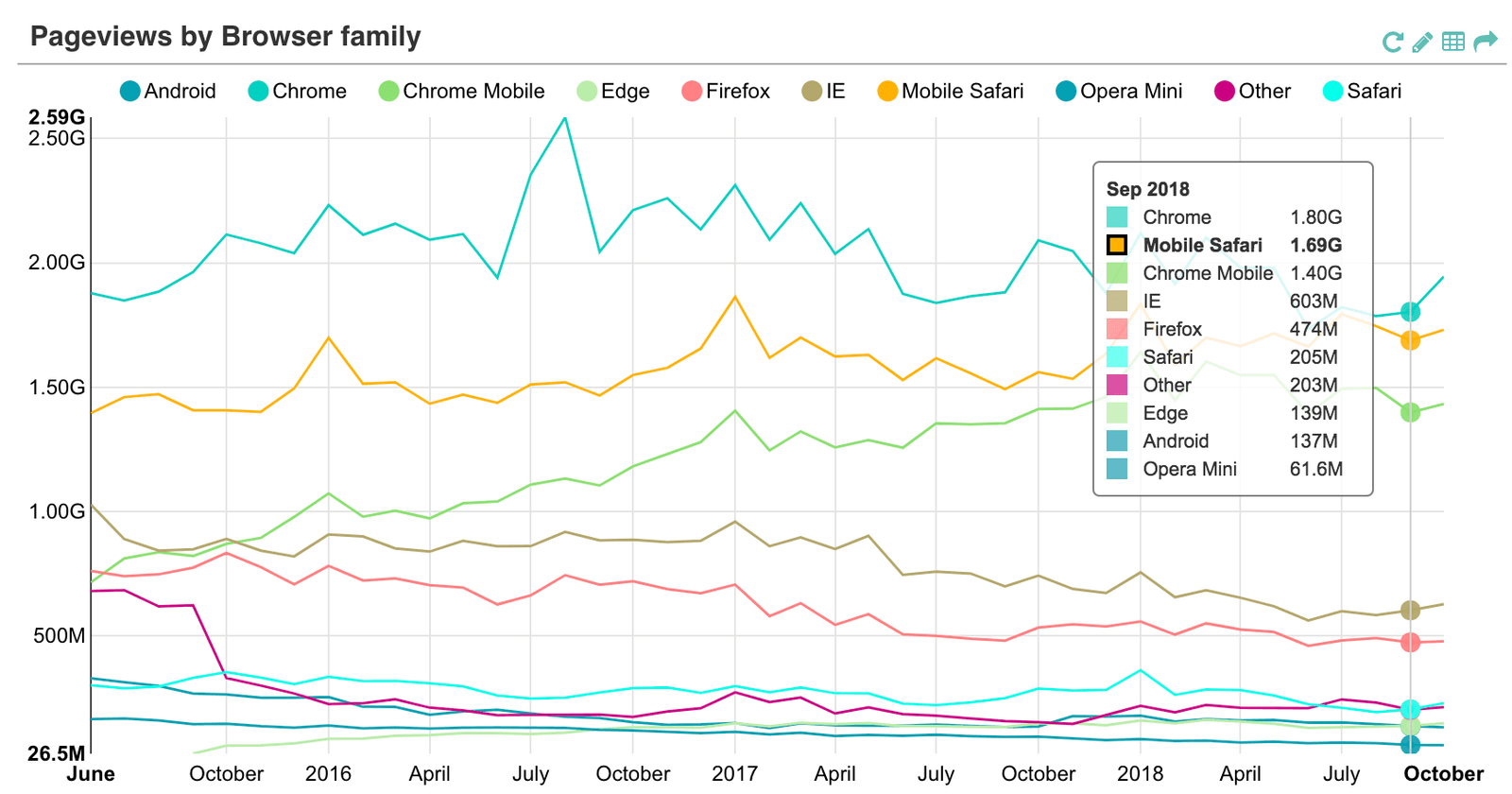
Workforce Analytics applies systematic data analysis to people-related decisions, moving beyond gut feelings for hiring and promotions. It's used to predict turnover or measure training ROI.
Delegation Poker: Making Delegation a Team Sport
Delegation isn't a binary choice. Delegation Poker is a game where teams discuss and agree on their level of authority for key decisions, moving from 'manager decides' to 'team decides'. It's used to clarify roles and empower teams.
Product Vision: The User's Future, Not Yours
A product vision is a shared picture of the future your product creates for users, not a feature list. It aligns distributed teams when data is ambiguous. Teams often mistake it for a mission statement or roadmap, producing vague slogans, not a useful filter.

Dunning Management: Recovering Failed Subscription Payments
Dunning is the automated process of chasing failed subscription payments. It's how you recover revenue from expired cards or insufficient funds, which is crucial for any SaaS or subscription business.
Google Analytics 4
Google Analytics is a service for tracking user activity across websites and mobile apps. It helps measure marketing performance by tracking traffic and user 'events'. The footgun is focusing on raw traffic instead of the events that signal valuable actions.
Gemba Walk: Go See Where the Work Happens
A Gemba Walk means leaving your desk to see where value is actually created. It's about observing real work, not reading reports. Managers use it to understand real bottlenecks. The footgun is observing to judge, not to understand and learn.
Vision Storytelling: Turn Roadmaps Into Shared Futures
Vision storytelling makes strategy tangible by narrating the future your team is building. Use it when roadmaps explain what but not why. The footgun is confusing slogans for stories; without a user, conflict, and resolution, you get branding, not alignment.
HEART Framework: Five Metrics for Product Health
HEART is a vital-signs panel for product health, not a single score. Use it to pick metrics for feature launches so you track user value, not vanity numbers. Measuring all five dimensions when only one matters creates dashboard bloat and analysis paralysis.
Jupyter Notebooks: Interactive Code Sandboxes
Jupyter Notebooks are digital lab notebooks for running code, seeing output, and writing notes in one place. Data scientists use them for exploration, visualization, and prototyping.
Moving Motivators: Uncover What Drives Your Team
Moving Motivators is a card game that reveals a person's core drivers by ranking ten motivations. Use it with a new hire or a team facing change to see how their motivation will be impacted. The footgun is judging motivators, not understanding them.
Now-Next-Later Roadmaps: Commitment Over Calendar Dates
Now-Next-Later buckets work by commitment, not dates, keeping priorities visible without false precision. Use it when teams need alignment more than Gantt charts. The fatal mistake is letting stakeholders map buckets to quarters, recreating the deadline trap.
Sessionization: Bounding Events into Visits
Sessionization groups raw user events into visits using idle timeouts. Teams use it to measure engagement and attribute conversions per sitting. The footgun is treating sessions as users, which inflates counts and wrecks retention analysis.
Google BigQuery: A Serverless Data Warehouse
Think of BigQuery as a massive SQL database you don't have to manage. It's a serverless data warehouse for analyzing huge datasets, like terabytes of application logs. The footgun is treating it like a regular database for real-time transactions.
Management 3.0: Manage the System, Not the People
Management 3.0 treats leadership like tending a garden, not commanding an army. You manage the system—the environment and constraints—to let empowered teams flourish. It's used in agile contexts to boost engagement with hands-on tools and games.
Sales-Led Growth: High-Touch Revenue Motion
Sales-led growth uses human reps as the primary engine, not self-serve signup. It fits complex, high-price products with procurement hurdles. The footgun is hiring sellers before repeatable messaging exists, burning cash on custom pitches that never scale.
Scarcity Principle: Limit Availability to Drive Action
People want what they might lose. In growth, scarcity amplifies conversion by framing offers as limited in time, quantity, or access. The footgun is fake scarcity: invented limits destroy trust and backfire permanently.
Amplitude: Analytics for Understanding User Behavior
Think of Amplitude as a DVR for user actions, not just a traffic counter. It tracks what users *do* inside your app, letting you build funnels and segment users by behavior.
We are hiring for this. Every open role lists the topics its interview covers, so you can prepare for the real thing rather than guessing.
See open roles