Concepts in Product Management, page 28
The 12 Agile Principles: Guiding Values, Not Rigid Rules
The 12 Agile Principles are values that prioritize customer satisfaction, working software, and team collaboration over rigid plans. They inform daily stand-ups and retrospectives, helping teams adapt to change.
Analyzing Feature Engagement: Breadth vs. Depth
Breadth vs. Depth analysis plots features on a 2x2 grid: how many people use a feature (breadth) vs. how often (depth). It helps decide where to invest, like improving a popular but seldom-used feature or boosting a niche power-user tool.
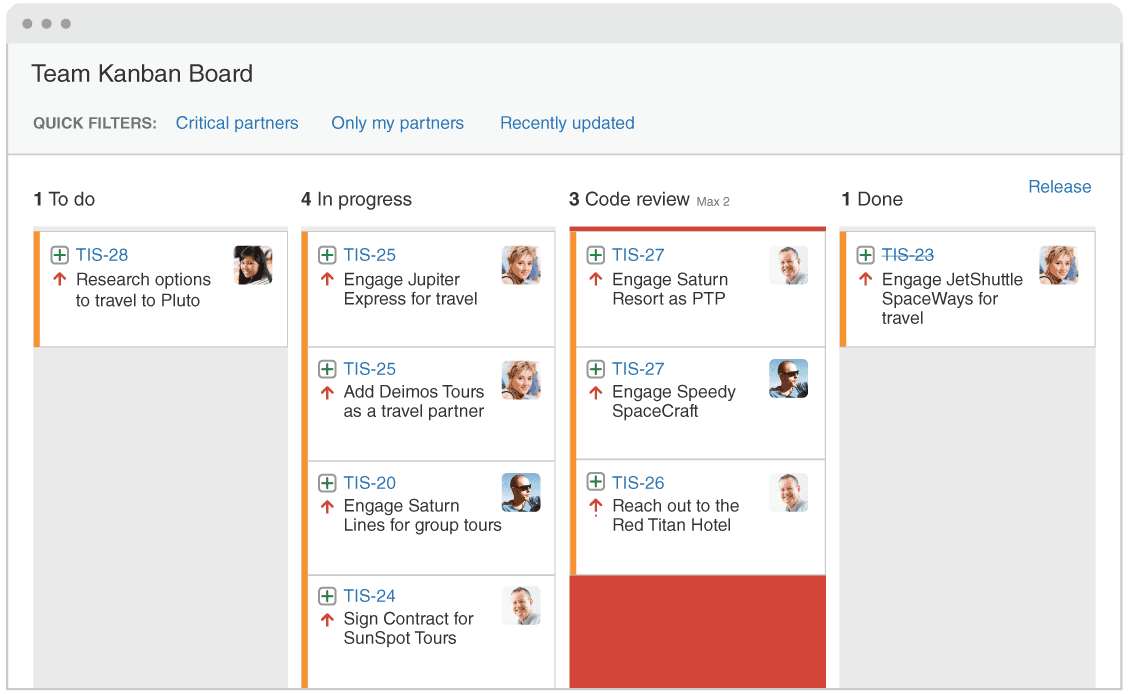
WIP Limits: Stop Starting, Start Finishing
WIP limits force teams to finish existing work before starting new work, creating a pull system that exposes bottlenecks. This is a core Kanban practice to reduce context switching and shorten lead times.
Customer Resurrection Rate: Winning Back Lost Customers
Customer Resurrection Rate measures how many "lost" customers you win back. It's crucial for subscription or e-commerce businesses running re-engagement campaigns. The footgun is a vague definition of "churned"—without a clear line, the metric is meaningless.
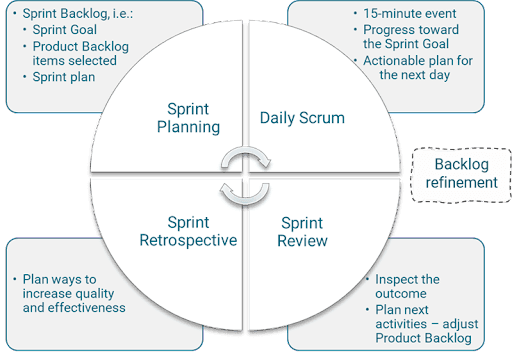
Sprint Planning: Committing to a Goal, Not Just Tasks
Sprint Planning isn't just picking tasks; it's the team committing to a valuable Sprint Goal. This ceremony kicks off every sprint, aligning everyone on what to build and why.

User Journey Orchestration: From Map to Reality
User Journey Orchestration is the conductor for your customer's experience, ensuring every team and channel plays in harmony. It translates a static journey map into a live, consistent experience by coordinating actions across touchpoints.

Conflict Management in Agile Teams
Agile's tight, high interaction cadence, standups, planning, retros, surfaces disagreement constantly. Conflict management means treating friction as raw material for a better decision, resolved openly, not avoided to keep the sprint looking smooth.
Data Literacy: Reading the Story in the Numbers
Data literacy is reading comprehension for numbers. It's the ability to turn raw data into a coherent story, a crucial skill for anyone using dashboards or A/B test results. The biggest footgun is confusing correlation with causation.
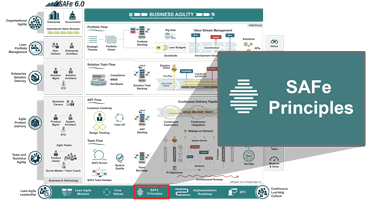
Systems Thinking: Optimize the Whole, Not the Parts
Systems thinking means optimizing the entire system, not just its individual parts. In large-scale development, siloed teams create local efficiencies that harm the overall delivery pipeline.
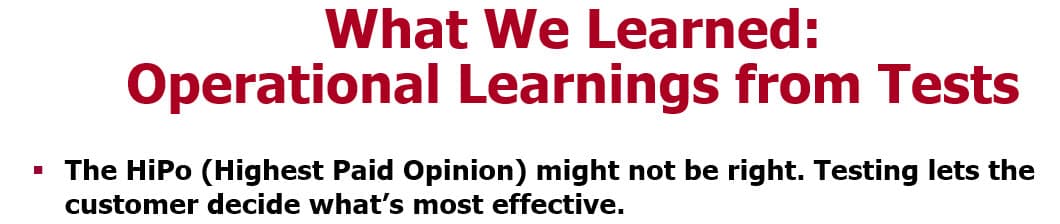
HiPPO: Highest Paid Person's Opinion
HiPPO stands for "Highest Paid Person's Opinion," where a senior leader's gut feeling overrules data. This occurs when deciding on features without A/B tests. The footgun: a HiPPO's intuition can kill great ideas or greenlight costly failures.
Agile Velocity: A Forecasting Tool, Not a Target
Agile velocity isn't about speed; it's a measure of a team's predictable output per iteration. It's used to forecast how much work can be done in future sprints and to estimate release dates. The footgun is treating it as a productivity KPI.
Single Source of Truth (SSOT): One Place for Every Fact
A Single Source of Truth (SSOT) means every piece of data has one authoritative home. Instead of emailing report_v3.docx, you share one link. This prevents conflicts between billing and shipping data.

Agile Spikes: Time-Boxed Research to Reduce Uncertainty
A spike is a time-boxed investigation to answer a question or reduce uncertainty. It's a story whose deliverable is knowledge, not shippable code. Spikes are used to de-risk complex stories or evaluate technical options.

Data Democratization: Self-Service Analytics for Everyone
Data democratization means non-technical staff can access and use data without waiting for IT. It empowers sales to analyze their pipeline or marketing to track campaign ROI directly.
The 3 Cs: Card, Conversation, Confirmation
A user story isn't a spec; it's a promise for a conversation. The 3 Cs model this: the Card is a placeholder, the Conversation clarifies requirements, and the Confirmation defines "done" with acceptance criteria.
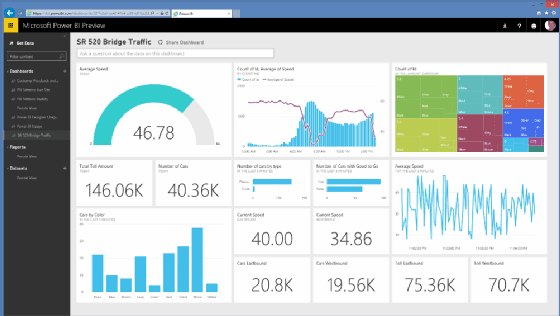
Self-Service Analytics: Let Teams Answer Their Own Data Questions
Self-service analytics gives business teams tools like Power BI to explore data and build reports without waiting for an analyst. This speeds up decision-making by giving teams direct data access.
Story Points: Estimating Effort, Not Time
Story points measure effort, not hours. They combine a task's complexity, uncertainty, and volume into a single relative number. Agile teams use them to forecast work capacity.

Data Visualization: Telling a Story with Data
Data visualization turns raw numbers into graphics that reveal hidden patterns. It’s about designing visuals to help people quickly explore and interpret complex information, like using infographics to convey a concise message to the public.
Story Splitting: Delivering Value in Smaller Slices
Story splitting breaks large user stories into smaller, independent pieces that still deliver value, like slicing a cake vertically so each piece has all layers. This is crucial for fitting work into a sprint and getting faster user feedback.

Experimentation Culture: Data Over Opinions
An experimentation culture prioritizes data over intuition, treating business ideas as testable hypotheses. It's crucial in product development for A/B testing features and UI. The footgun is only testing minor tweaks instead of challenging core assumptions.
We are hiring for this. Every open role lists the topics its interview covers, so you can prepare for the real thing rather than guessing.
See open roles