Easy interview questions in Product Management, page 7
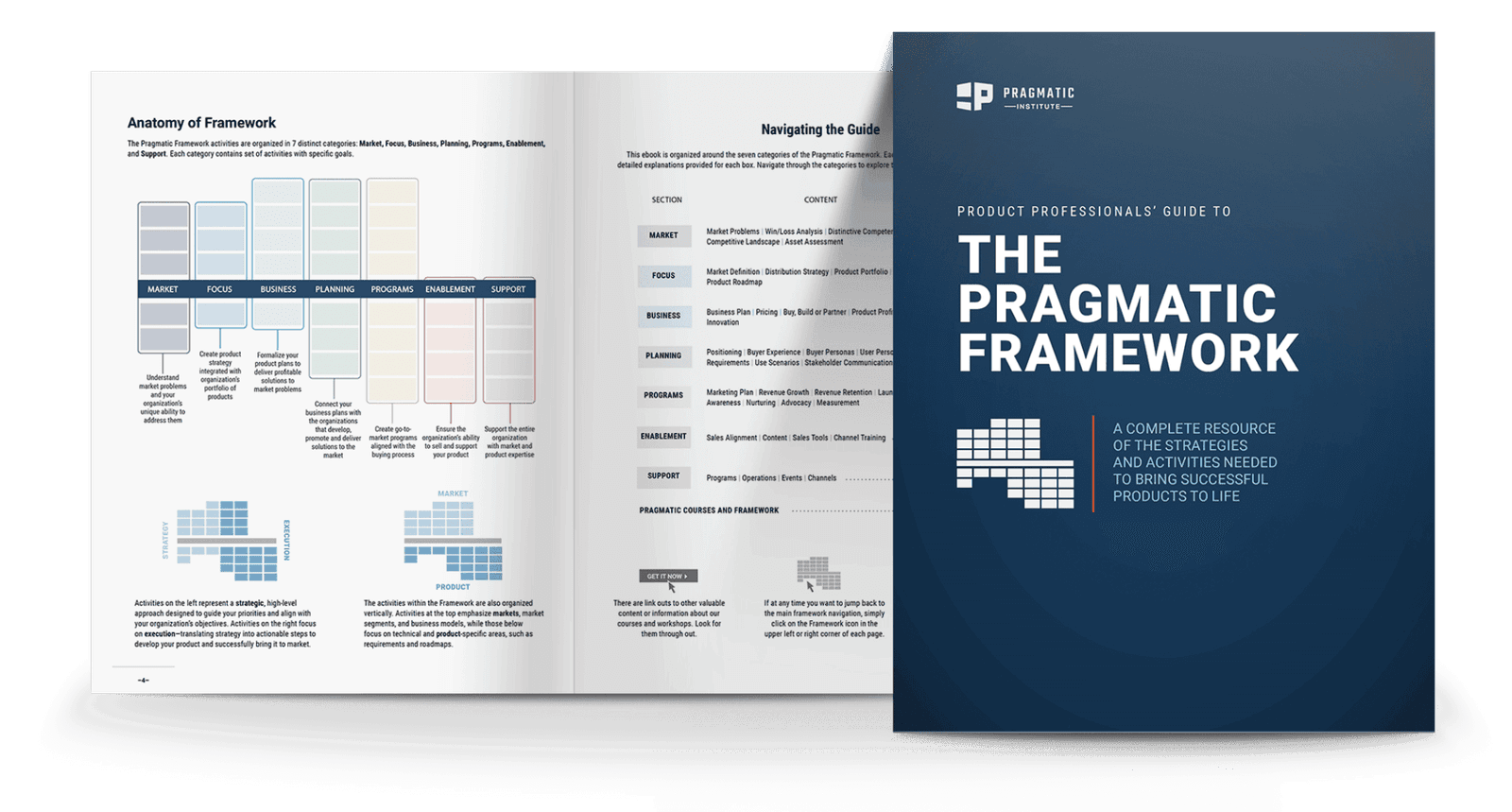
What questions assess strategic alignment before estimating effort?
This tests whether you validate business context before scoping. Ask: what market problem is solved, which company competency or asset is leveraged, and what metric proves success. Red flag: estimating before confirming strategic fit.
Design an A/B test for a 'Buy Now' button color change
Tests structured experiment design from hypothesis to metric. Strong answers: define a falsifiable hypothesis; pick purchase conversion as primary; size the sample and duration; randomize by user; pre-commit to stopping rules.

What user story details reveal the customer problem?
This tests if you see stories as problem placeholders, not specs. A strong answer asks for user role, action, 'so that' value, and confirmation criteria while demanding conversation. Red flag: listing technical tasks without mentioning the customer problem.
How would you A/B test a 'Buy Now' button color change?
Tests your grasp of the A/B testing lifecycle. A strong answer defines a clear hypothesis (e.g., 'a green button will increase clicks'), selects a primary metric (CTR), and considers guardrail metrics. A red flag is skipping the hypothesis and metrics.
What do you need in a user story beyond technical requirements?
This tests your product sense. A great answer asks for the user persona, the 'why' behind the request, and measurable success metrics. A red flag is focusing only on technical implementation details without understanding the core user problem.
How would you A/B test a 'Buy Now' button color change?
This tests structured thinking. A good answer defines a hypothesis, selects primary and guardrail metrics, and outlines the experiment's duration and analysis plan. A red flag is focusing only on clicks without considering business impact.
What information do you need in a user story?
This tests your ability to connect engineering work to user value. A great answer covers the user persona (who), their motivation (why), and measurable success criteria (what), explaining how this context informs technical decisions.

What schema changes are needed to add a Pro subscription tier?
This tests normalization of billing data versus hardcoding tiers. Add a plans table with integer cents pricing, link subscriptions via plan_id, and leave users untouched. Red flag: adding a tier string column to users or storing prices in subscriptions.
Describe your role as an engineer in story refinement
Mention feasibility probes, acceptance criteria checks, and splitting for forecast clarity.
Describe your role in user story refinement.
This tests your understanding of refinement as a collaborative de-risking process. A great answer details your role in clarifying requirements, identifying technical risks, breaking down work, and providing estimates. A red flag is passively receiving tasks.
What is an engineer's role in story refinement?
Tests your role in translating needs to tech specs. A great answer covers clarifying questions, task breakdown, sizing, and acceptance criteria. A red flag is passively waiting for tasks instead of proactively de-risking the work.
Model a 3-month 20% promo discount and apply it at billing
This tests separating coupon rules from per-user redemptions. Good answers use a coupons table for the 20%/3-month rule, a redemptions table for usage, and apply the discount to the first three invoices. A red flag is hard-coding the discount on the user row.
How would you propose an MVP for a social sharing feature?
Tests whether you can isolate the smallest releasable slice that validates user value. Propose one sprint covering auth, share creation, and a minimal feed. Avoid cutting every requirement by 30 percent or skipping observability.

How do you prioritize a P1 bug versus a sales-driven feature request?
Use impact-effort or weighted scoring; check if the 1% crash hits paid tiers; verify deal size, probability, and stage; weigh maturity.
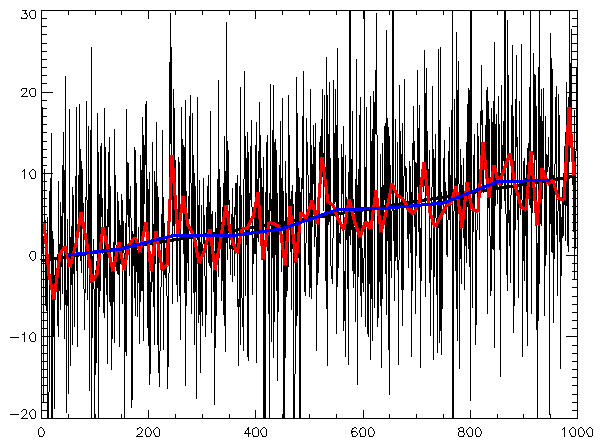
Describe key components for EDA on three years of daily user sign-ups
This tests time-series decomposition intuition. A strong answer covers trend, seasonality, and noise via plots, autocorrelation, and calendar effects, plus checks for missing days and outliers. Red flag: jumping to forecast models before validating structure.
How would you analyze a time series of user sign-ups?
This tests your structured approach to decomposing time series data. A strong answer identifies trend (long-term growth), seasonality (weekly/yearly patterns), and irregular components like spikes or dips.
Describe EDA for a 3-year daily user sign-up dataset.
Tests your structured approach to time series EDA. A good answer identifies trend, seasonality, and anomalies before modeling. A red flag is jumping to forecasting models or only mentioning the overall average growth, ignoring cyclical patterns.
How do you measure forecast accuracy and compare MAE to RMSE?
This tests out-of-sample validation and how MAE and RMSE weight errors. A strong answer demands a train-test split, defines both, and notes RMSE punishes outliers more while MAE is more robust. A red flag is citing in-sample fit instead of held-out error.

Describe the initial columns for a new Kanban board and their purpose
Tests whether you understand Kanban as a flow visualization tool. A strong answer names Backlog, To Do, In Progress, and Done, explaining each as a handoff or state change. Red flag: adding too many columns upfront or conflating the board with Scrum.
How would you measure a sales forecast model's accuracy?
Tests if you can link statistical metrics to business outcomes. Define MAE (average error) and RMSE (penalizes large errors). Choose RMSE when large misses are costly (e.g., stock-outs), MAE otherwise. A red flag is reciting formulas without business context.
We are hiring for this. Every open role lists the topics its interview covers, so you can prepare for the real thing rather than guessing.
See open roles