Advanced everything in Product Management, page 14

Visiontype: Prototyping Your 3-5 Year Product Future
A visiontype is an interactive prototype of your product's 3-5 year future, making abstract goals tangible. It aligns teams on a long-term direction, breaking the cycle of purely incremental updates. The biggest mistake is creating it in a silo.
PR/FAQ: Write the Press Release Before You Build
A PR/FAQ forces you to write the launch press release before writing any code, ensuring you build something customers want. It vets ideas by starting with the customer benefit and working backwards.

The Hedgehog Concept: Know Your One Big Thing
The Hedgehog Concept trades scattered efforts for focused strategy. It's the intersection of what you're passionate about, what you can be the best at, and what drives your economic engine. Use it for long-term strategic clarity.
VRIO Framework: Finding Your Competitive Advantage
The VRIO framework is a checklist to see if a resource is a true competitive advantage. Use it to analyze internal assets like patents or expert teams. The footgun is stopping at "Valuable"—a true moat must also be Rare, Inimitable, and Organized.
Resource-Based View: Win With What You Uniquely Have
The Resource-Based View argues a firm's unique internal resources, not market position, create sustainable advantage. It's used for long-term strategy and M&A. The footgun is overvaluing resources that competitors can easily buy or copy.
Barriers to Entry: The Moats Around a Business
Barriers to entry are the 'cover charge' for a market that new players must pay, but incumbents didn't. They're the moats protecting a business, seen in regulated industries or with strong brand loyalty.
Sustainable Competitive Advantage: Building a Moat
A sustainable competitive advantage is a structural 'moat' that makes your business hard to copy. It's seen in network effects (social media), high switching costs (enterprise software), or economies of scale (Amazon).

Thematic Analysis: Finding Patterns in Qualitative Data
Thematic Analysis finds patterns in qualitative data, like sifting user interviews for recurring ideas. It's about interpreting meaning, not just counting words. Use it on feedback to understand needs.
Ethnography: Uncover Needs Users Can't Articulate
Ethnography uncovers user needs by observing them in their natural environment, not just asking questions. It reveals what people *do*, not just what they say. Use it for early discovery to find needs users can't articulate.
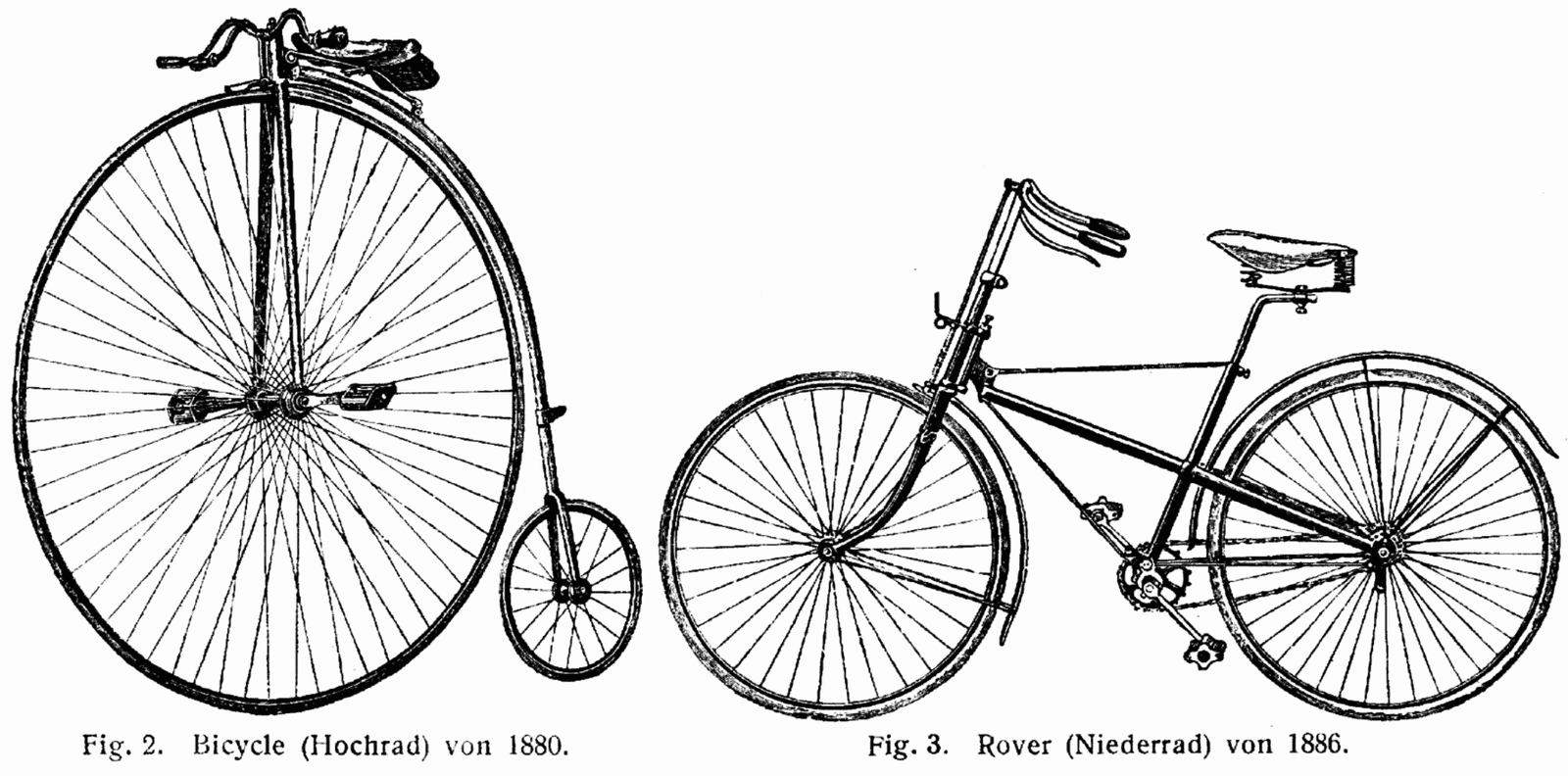
Disruptive Innovation: Why 'Good Enough' Often Wins
Disruptive innovation isn't a better product, but a simpler, cheaper one incumbents ignore. It wins by serving overlooked customers at the bottom of a market, eventually moving up.
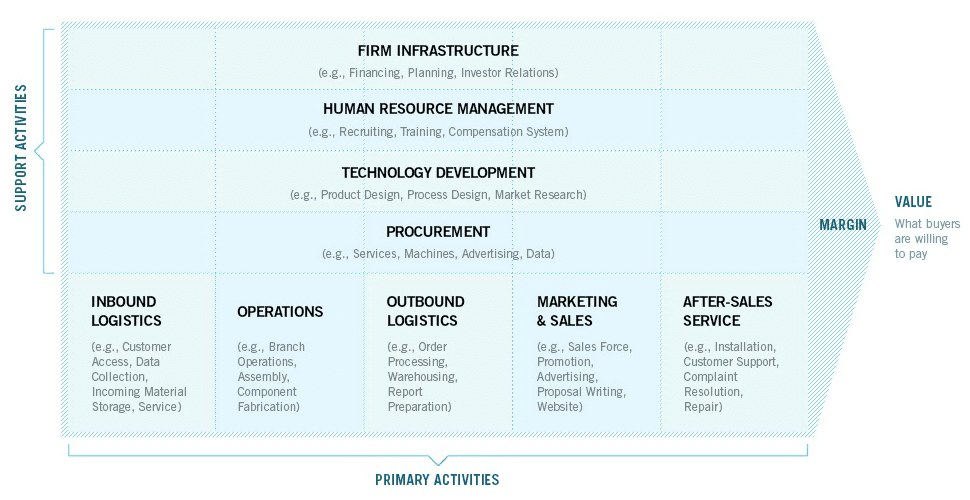
Value Chain Analysis: Find Your Edge by Mapping Your Activities
Value Chain Analysis maps a company's activities to find its competitive edge. Instead of a list of costs, it shows how each step adds value, revealing where you can lower costs or justify higher prices.
Go-to-Market (GTM): Your Plan to Enter a Market
A Go-to-Market (GTM) strategy is the complete plan for connecting a product with customers to achieve a competitive advantage. It defines the target market, pricing, and distribution channels. The footgun is treating GTM as just a marketing or sales plan.

Porter's Five Forces: Is This Industry Worth Entering?
Porter's Five Forces is a framework for analyzing an industry's profit potential. It assesses the competitive environment to determine if a market is attractive or if its structure will drive all profits down to a baseline, like in pure competition.

The Strategy Kernel
The strategy kernel, from Richard Rumelt, is the minimal structure of a real strategy: a diagnosis of the actual obstacle, a guiding policy for addressing it, and coherent action that carries it out, separating genuine strategy from a list of goals.
The Traditional Career Ladder: A Single Path Up
The traditional career ladder is a single, vertical track for promotion, moving from entry-level to executive. It's common in large, established organizations with well-defined roles. The footgun is its rigidity, forcing experts into management to advance.

Growth Squads: Centralized vs. Decentralized
A growth squad is a trade-off between speed and cultural change. A centralized team optimizes for velocity with dedicated members, while a decentralized (embedded) team spreads the growth mindset by borrowing staff.
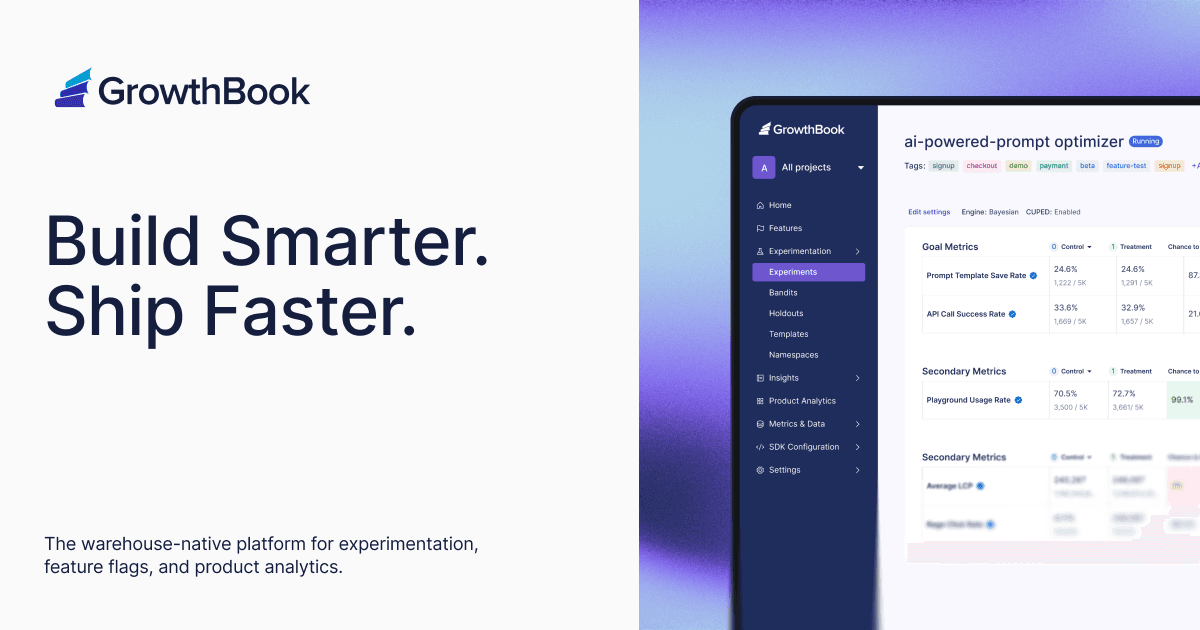
What is an Experimentation Stats Engine?
A stats engine is the brain of an A/B testing platform, turning raw data into reliable 'which version won?' decisions. It powers tools that analyze feature rollouts, ensuring statistical rigor.

Metrics Layer: The Dictionary for Your Data
A metrics layer is the central dictionary for your company's numbers, defining what "Revenue" or "Active User" means once for everyone. It ensures teams and AI agents get consistent answers from a single source of truth, preventing conflicting reports.
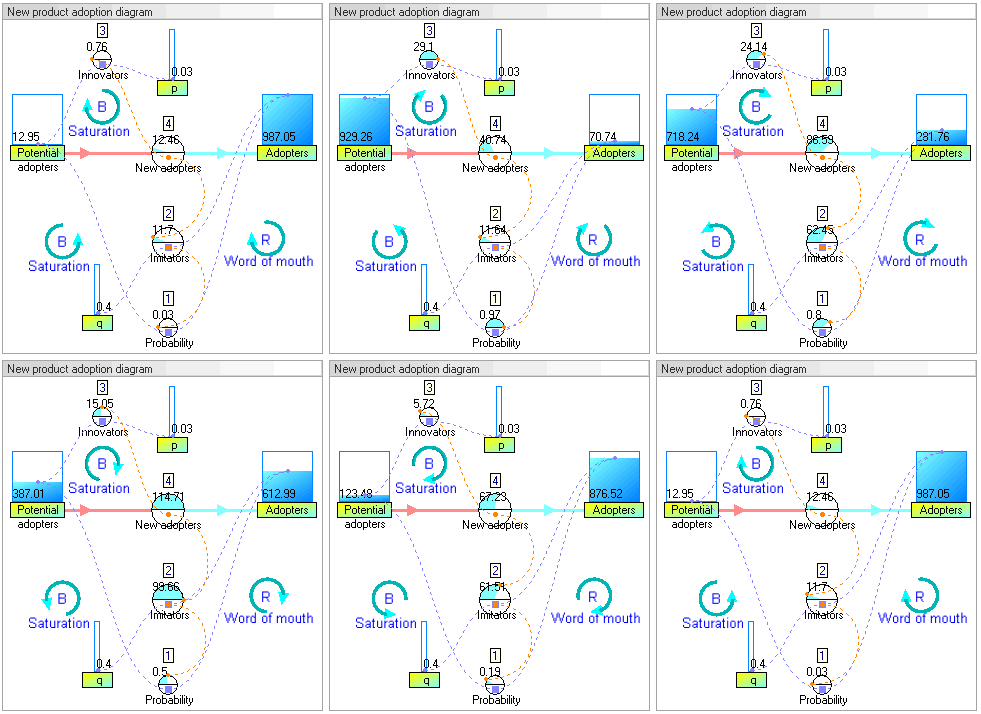
System Dynamics: Modeling with Stocks, Flows, and Feedback
System Dynamics models the world as interconnected stocks (like users) and flows (like signups), governed by feedback loops. Use it to understand why growth stalls or why hiring lags behind need.
Causal Impact: Measuring Effects Without an A/B Test
Causal Impact estimates an intervention's effect by modeling a 'what if' counterfactual. It's used to measure lift from a new feature or ad campaign when a clean A/B test isn't possible.
We are hiring for this. Every open role lists the topics its interview covers, so you can prepare for the real thing rather than guessing.
See open roles