Easy everything in Product Management, page 12

Product Sunsetting: Retiring Products Gracefully
Product sunsetting is the managed process of retiring a product to free up resources. It's used when a product is no longer profitable or strategically relevant. The biggest footgun is a sudden shutdown without a clear migration path, which alienates users.
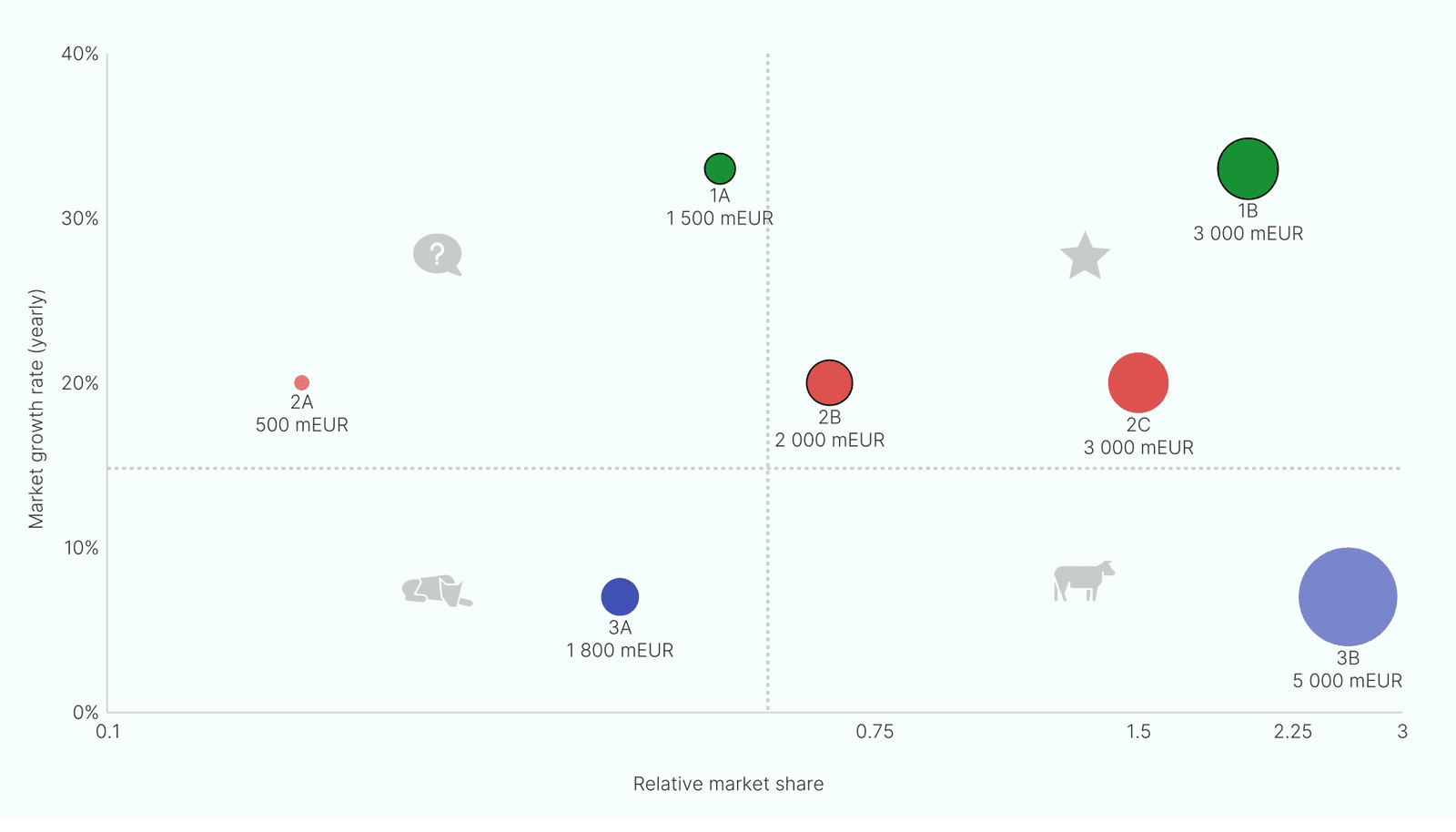
BCG Growth-Share Matrix: A Map for Your Product Portfolio
The BCG Matrix plots products on a 2x2 grid of market growth vs. market share to decide where to invest. It's used to categorize products as Stars, Cash Cows, Question Marks, or Dogs. The footgun is treating it as a static, predictive tool.

Launch Readiness Checklist: Your Launch's Single Source of Truth
A launch checklist is a flight plan, not just a to-do list, coordinating every team from engineering to sales. It ensures marketing, sales, and support are aligned for a release.

Ideal Customer Profile (ICP): Stop Selling to Everyone
An Ideal Customer Profile (ICP) is a data-driven portrait of the perfect customer for your business. It helps focus marketing and sales on high-value leads, reducing acquisition costs.
Scope Creep: When 'Just One More Thing' Derails a Project
Scope creep is the uncontrolled growth of a project's requirements after it starts. It shows up as 'small tweaks' that balloon into major features, delaying schedules and increasing costs. The footgun is trying to prevent it entirely instead of managing it.
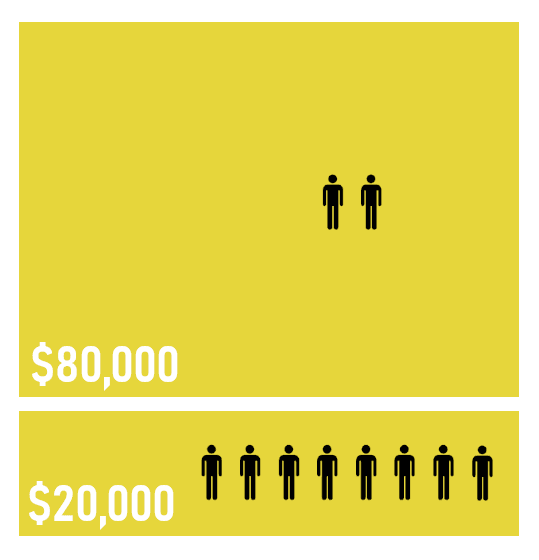
The 80/20 Rule: Find the Vital Few
The 80/20 rule states that most outcomes (80%) come from a few causes (20%). It's used to find high-impact work, like fixing the few bugs causing most crashes. The footgun is treating 80/20 as a precise law instead of a general heuristic.
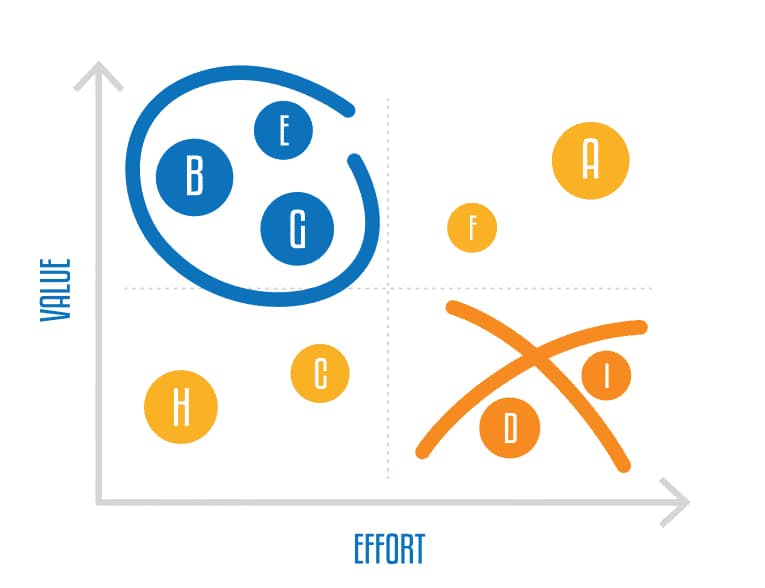
Value vs. Effort Matrix: Prioritize What to Build Next
A Value vs. Effort matrix is a 2x2 grid for deciding what to build, plotting features by their potential value against implementation complexity. Product teams use it to prioritize roadmaps and justify resource allocation.
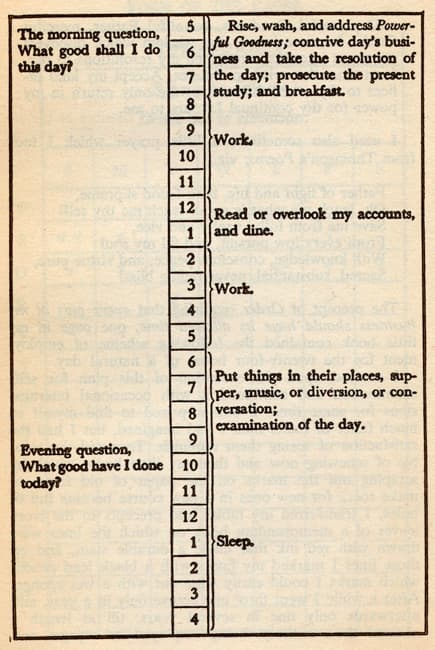
The Eisenhower Matrix: Urgent vs. Important
The Eisenhower Matrix sorts tasks by urgency and importance, not just deadlines. Use it for daily or weekly planning to focus on what truly moves the needle. The biggest footgun is letting 'urgent but not important' tasks dictate your day.

Product Roadmap vs. Backlog: Strategy vs. Tactics
A roadmap is your strategic travel plan showing major destinations (product goals), while the backlog is the turn-by-turn navigation for the current leg of the journey (development tasks). The footgun is cluttering the roadmap with backlog details.
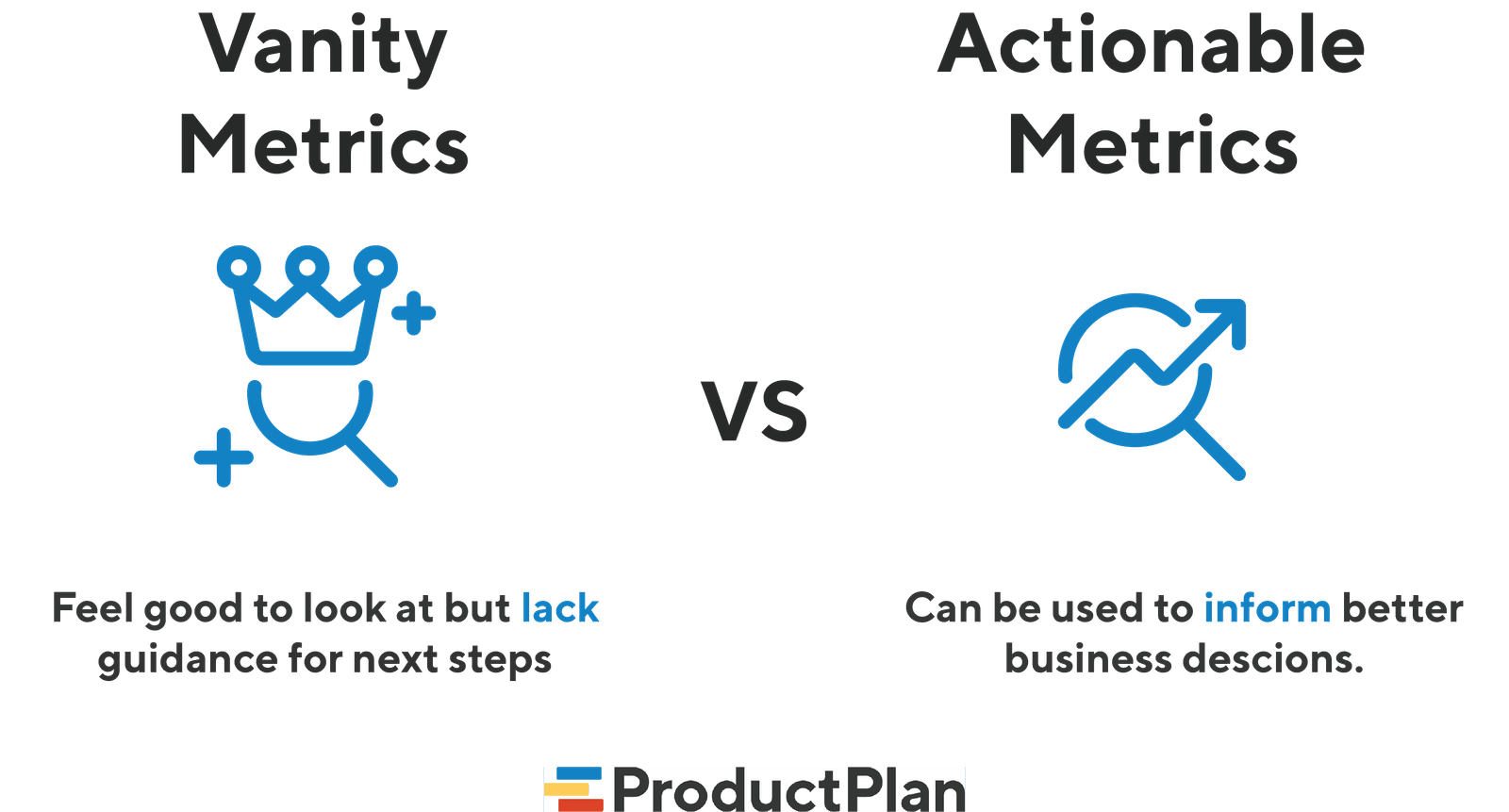
Vanity vs. Actionable Metrics: Measure What Matters
Vanity metrics look impressive but don't inform decisions (e.g., total downloads). Actionable metrics tie to business goals and guide your next move (e.g., conversion rate). This helps product teams focus on real growth, not just impressive-looking charts.

SMART Goals: From Vague Hopes to Actionable Plans
SMART goals turn fuzzy ambitions into concrete plans by forcing clarity. It's a checklist for ensuring a goal is Specific, Measurable, Assignable, Realistic, and Time-bound. Use it for project planning or performance reviews to create trackable progress.
Cost-Plus Pricing: Set Price Based on Cost, Not Value
Cost-plus pricing sets a product's price by adding a fixed percentage markup to its unit cost. It's common in government contracts where costs are clear. The footgun is that it ignores what customers are willing to pay, leaving money on the table.

Business Model Canvas: Your Business on a Single Page
The Business Model Canvas puts your entire business strategy onto a single page, showing how value, customers, and money connect. It's used by startups to map out a plan or by established companies to launch new products.
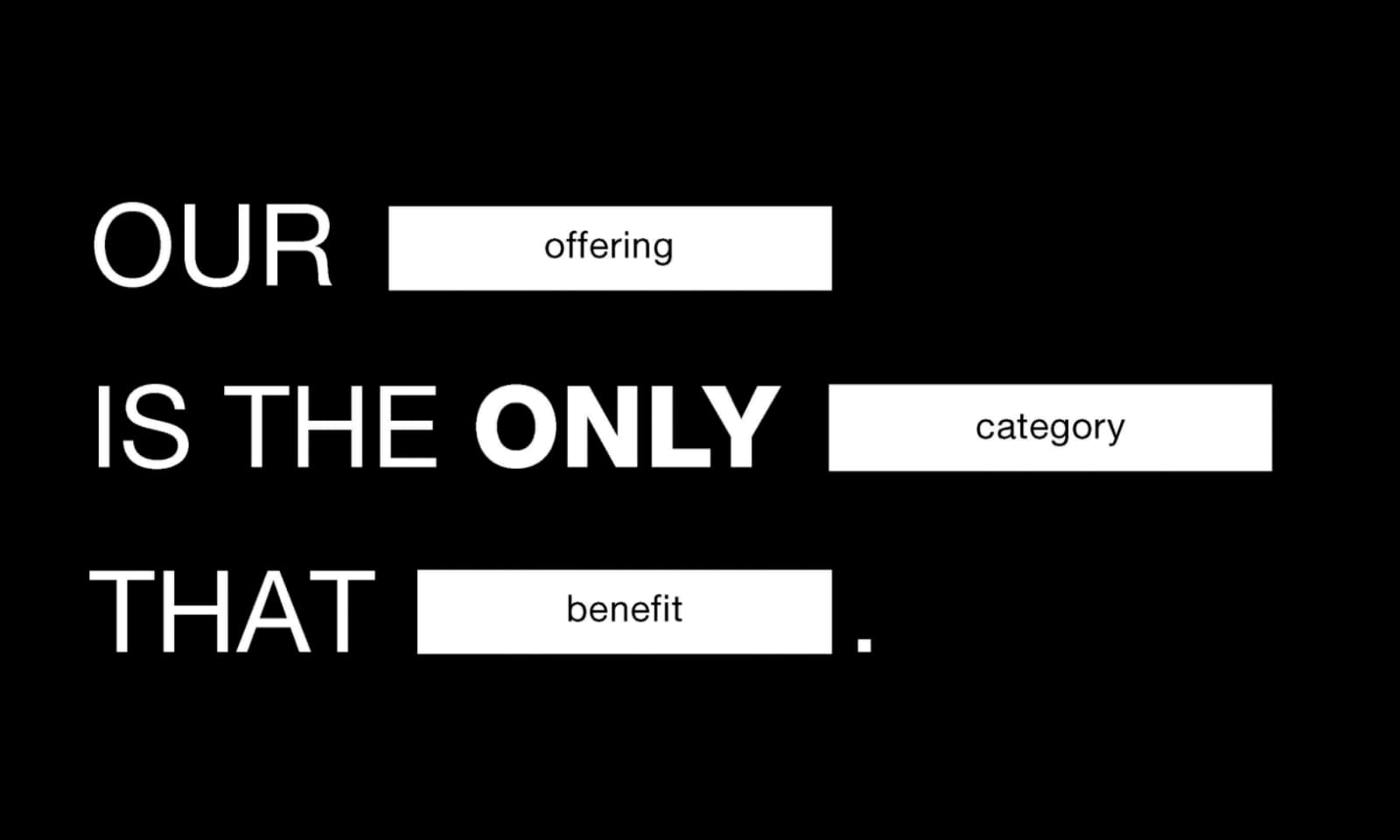
The Onlyness Statement: What Makes You Unique?
The Onlyness Statement forces you to define what makes your product the *only* choice in its category. It's a test of your core business, not just marketing. Use it in strategy meetings to clarify your unique value.
Positioning Statement: Your Product's Internal Compass
A positioning statement is an internal compass, not a public slogan. It defines your product's unique place in the market for a specific customer, guiding all marketing and product decisions.
Your Product's North Star: The Mission Statement
A product mission is your team's compass: a short statement of why the product exists, who it serves, and its core goal. It aligns stakeholders and guides development. The footgun is confusing it with a vision; a mission is what you do now, not a.
Perceptual Mapping: Charting How Customers See Your Brand
A perceptual map charts your brand's position based on customer views, not your own. It's a reality check on how you're perceived against competitors on axes like price vs. quality. The biggest footgun is mapping based on internal beliefs, not customer data.

The Competitive Matrix: Visualizing Your Strategic Edge
A competitive matrix is a map of your market, plotting your product against rivals on key axes like price and features. Use it to spot market gaps, justify new features, or refine pricing.

How Might We: Frame Problems, Not Solutions
“How Might We” questions turn research insights into broad prompts for brainstorming. Use them after user research to frame design challenges before ideating. The biggest footgun is embedding a solution in the question, which kills creativity.
Problem Statement Framing: Define the 'Why' Before the 'What'
Don't just solve the problem, solve the *right* one. Problem framing forces you to deeply understand a user's need before building. It's the first step in product development, ensuring teams don't build something nobody wants.
We are hiring for this. Every open role lists the topics its interview covers, so you can prepare for the real thing rather than guessing.
See open roles