Intermediate everything in Product Management, page 38
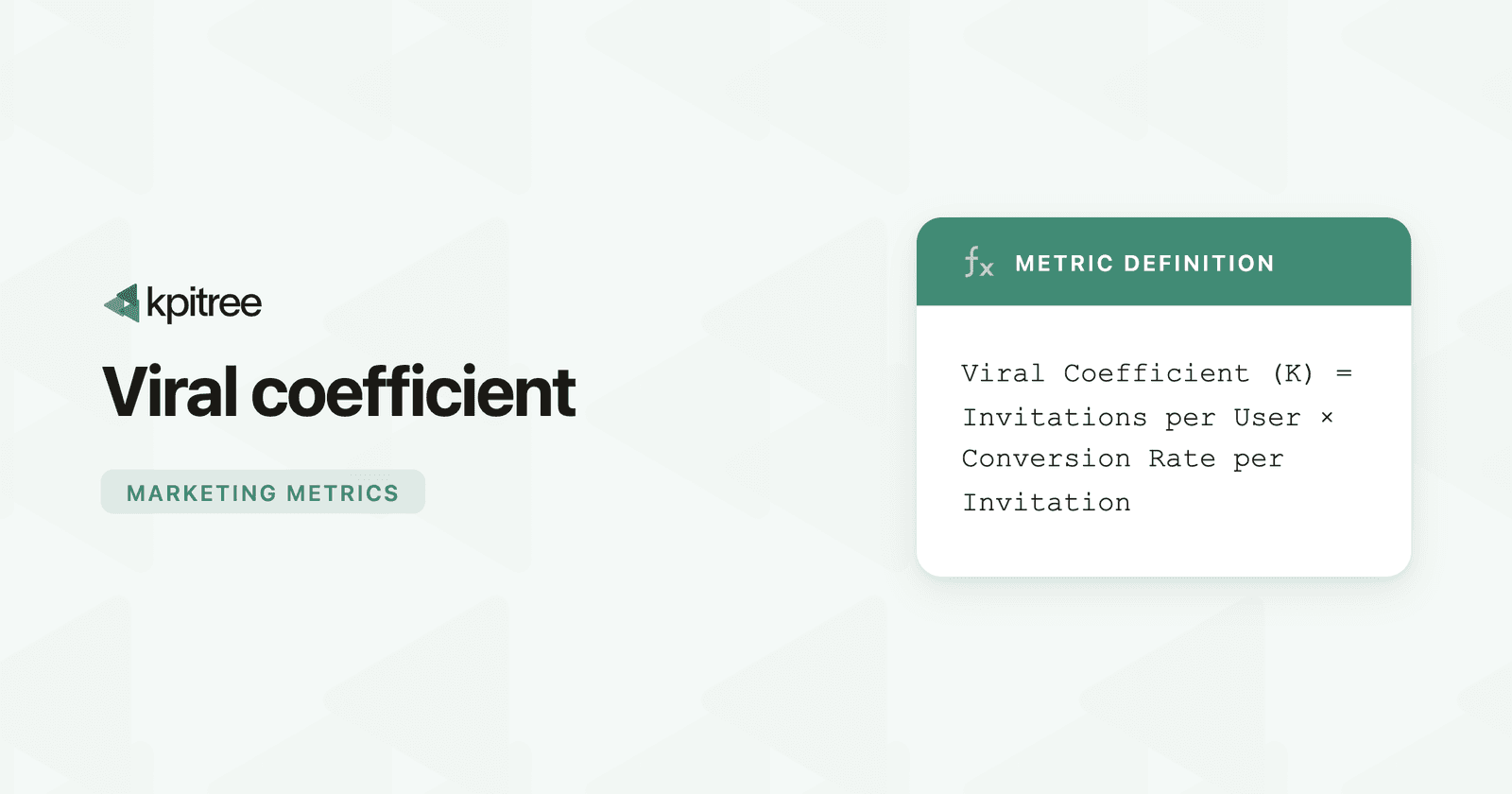
The K-Factor: Measuring Your Product's Viral Growth
The Viral Coefficient (K-factor) measures how many new users each existing user generates. It's key for products with referrals or sharing. The common mistake is chasing K > 1; even K=0.5 is valuable, as it effectively halves your acquisition cost.

AARRR: Pirate Metrics for the Customer Lifecycle
The AARRR framework maps your customer's journey through five key stages: Acquisition, Activation, Retention, Referral, and Revenue. It helps startups diagnose leaks in their growth funnel, from first visit to final sale.

Growth Loops: The Engine of Product Growth
A growth loop is a closed system where outputs are reinvested to generate more inputs, creating compounding growth. Unlike linear funnels, this model unifies product, marketing, and monetization. The footgun is using funnels, which creates silos.
Experiment-Driven Organization: Run Your Org Like a Lab
Treat organizational change like a lab experiment, not a big-bang project. This helps companies adapt by testing new processes on a small scale first, generating evidence before committing to a full rollout. The footgun is mistaking chaos for experimentation.
The North Star Metric: Your Company's One True Focus
A North Star Metric (NSM) is your company's compass: a single metric capturing the core value you deliver to customers. Spotify uses 'time spent listening' to align teams on user engagement.
Growth Hacking: Marketing via Rapid Experimentation
Growth hacking treats marketing like a science experiment, using rapid, low-cost tests to find what grows a user base instead of relying on big, slow campaigns. It's used by startups to A/B test ideas before investing resources.

Growth vs. Fixed Mindset: Your Beliefs Shape Your Abilities
A growth mindset sees ability as a muscle to be built, not a static trait you're born with. It's key when facing tough problems or critical feedback. The footgun is believing you're 'not a natural' at something, which prevents you from even trying.
OKRs: Frame Growth Goals as Measurable Outcomes
OKRs separate your ambitious goal (Objective) from the measurable results that prove you're there (Key Results). Growth teams use this to align on what success looks like.
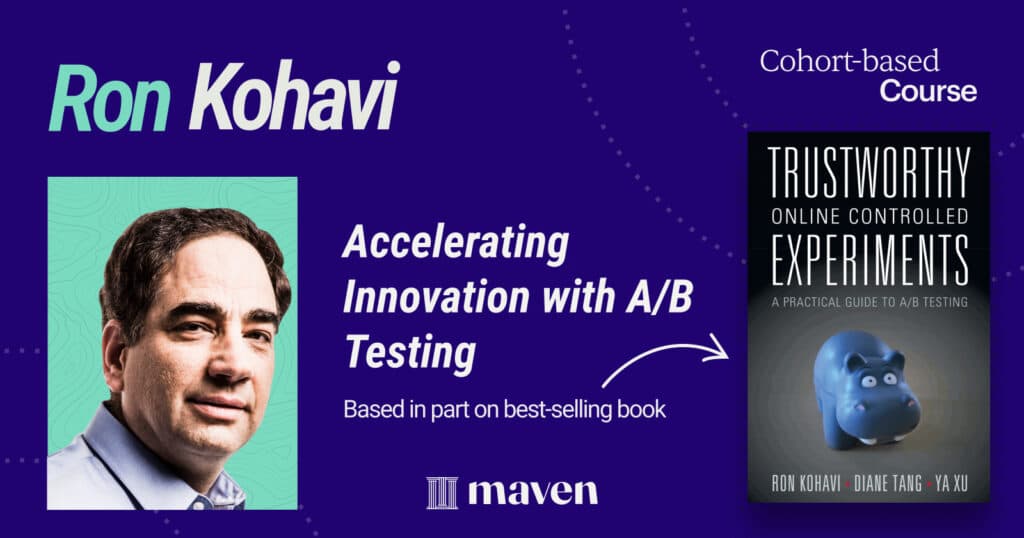
Experiment Knowledge Base: Don't Repeat Failed Tests
An Experiment Knowledge Base is your company's collective memory for A/B tests, centralizing hypotheses, results, and learnings. It prevents re-running old tests and surfaces past insights.
The Independent Growth Team Model
An independent growth team is a startup-within-a-company, given autonomy to run experiments across the funnel. Use it to break silos and accelerate learning. The main footgun is isolation, creating a rogue unit whose wins are difficult to integrate.

Server-Side Experimentation: Testing Your Backend Logic
Server-side experimentation renders A/B test variations on the server before sending the page. Use it for testing deep backend logic like search algorithms or to avoid the visual 'flicker' of client-side tests. The footgun: it requires developer cycles.

Feature Management: Control Releases After You Deploy
A feature management platform decouples code deploys from feature releases. It centralizes control over who sees what, turning simple code toggles into a powerful system for canary releases, A/B tests, and targeted rollouts, all from a UI.

Prophet: Time Series Forecasting for Seasonal Data
Prophet treats a time series as a sum of its parts: a long-term trend, seasonal cycles, and holidays. It's used for business forecasting, like predicting sales, when you have strong seasonal data. The footgun is using it for non-seasonal data.
The Bass Diffusion Model: Innovators vs. Imitators
The Bass Diffusion Model splits product adoption into innovators who buy first and imitators who follow the crowd, creating the classic S-curve of growth. It's used to forecast sales for new products by modeling how word-of-mouth drives adoption.
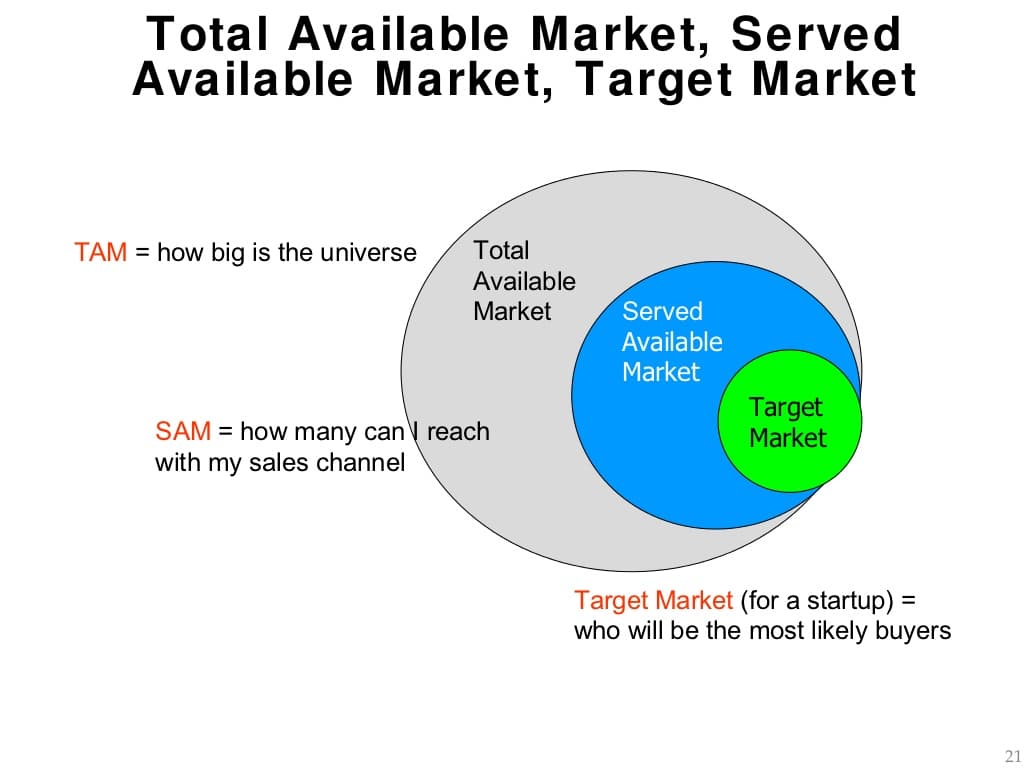
Market Sizing: TAM, SAM, and SOM for Realistic Planning
Market sizing is a funnel, not a single number. TAM is the total universe of customers, SAM is the segment you can reach, and SOM is who you can realistically win. It's crucial for business plans and investor pitches.
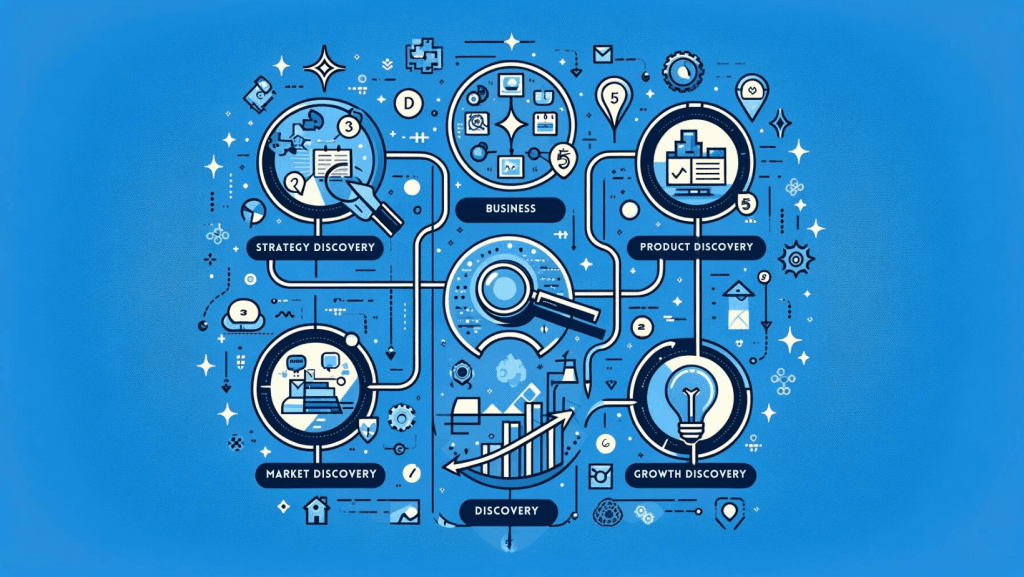
In-Product Discovery: Finding Growth Inside Your App
In-product discovery is finding your next growth lever by observing users within your live product, not just in pre-launch research. It's used to scale existing products via in-app experiments.

Product Bumps: Testing Prices with Temporary Increases
A product bump is a temporary price increase for an in-app purchase to test user price sensitivity. It helps you find the optimal price without permanently changing it for everyone. The footgun is misinterpreting statistical noise from small test groups.

Reverse Trial Model: Freemium Reach, Free Trial Urgency
A reverse trial gives new users a time-limited taste of paid features before downgrading them to a free plan. It aims for the best of both worlds: freemium's user acquisition with a free trial's conversion urgency.
Usage-Based Pricing: Pay for Value, Not Seats
Usage-based pricing links cost directly to consumption, letting customers pay for what they use instead of a flat fee per user. It's common for cloud services (AWS) and APIs where value isn't tied to seats.

Tiered Pricing: One Product, Many Prices
Tiered pricing sells one product at multiple prices by packaging features for different customer needs. It's common in SaaS (Basic, Pro, Enterprise plans) and telecoms.
We are hiring for this. Every open role lists the topics its interview covers, so you can prepare for the real thing rather than guessing.
See open roles